



Antique Luxury Desk
An antique luxury desk accessory transforms a workspace through fine craftsmanship in silver, tortoiseshell, and gilt bronze.
Antique Luxury Desk
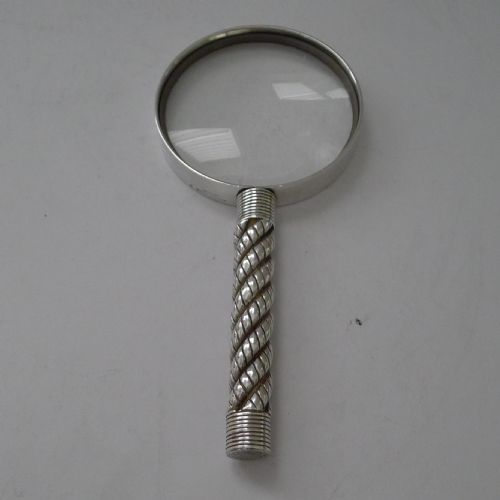
An antique luxury desk encompasses writing furniture alongside the portable silver, leather, and glass accessories that outfitted elite workspaces across the nineteenth and twentieth centuries. These objects range from French Empire style ormolu mounted writing tables to carriage clocks, magnifying glasses, and smoking compendiums.
How they were made
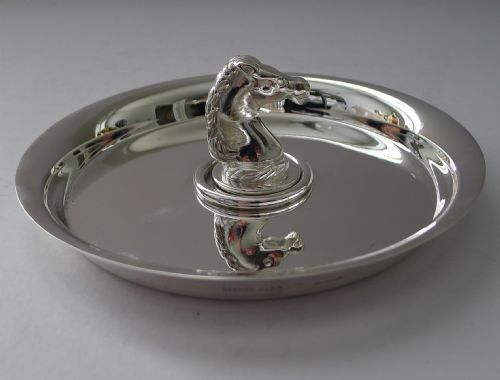
Workmanship relies on precious metals including sterling silver and gold, frequently combined with organic materials such as tortoiseshell and white onyx. Artisans employed traditional casting, engraving, and mounting techniques to unite these disparate elements into cohesive desktop objects.
Decorative finishes incorporate gilt bronze, ormolu mounts, and fine leather work, demonstrating meticulous attention to detail. Boulle marquetry and precision clockwork mechanisms further illustrate the sophisticated technical standards applied to these items.
Antique Luxury Desk Retail Price Guide 2026
Typical asking prices for luxury desk among the pieces listed under this phrase on Sellingantiques today, from the lower quarter to the upper quarter. They describe what is for sale here now, not the wider market.
Historical periods represented span from the Georgian era through Mid-Century Modern designs.
What varies in quality
Distinction across the range rests on the caliber of the materials and the prestige of the maker. Pieces featuring solid precious metals, genuine tortoiseshell, and signed movements command greater regard than standard commercial alternatives.
The crispness of ormolu casting and the complexity of decorative work determine visual success. Finer examples retain their original gilding, unblemished glass components, and fully functional mechanical movements.
Hermes, Paris·Cartier·Christopher Lawrence·Garrard & Co·Asprey Of London·Jaeger Le Coultre
The Antique Luxury Desk Glossary
- Ormolu
- Gilded bronze used widely for decorative mounts on furniture and clocks. This technique involves applying a finely ground high-carat gold-mercury amalgam to a bronze base before heating.
- Boulle marquetry
- An elaborate form of marquetry consisting of tortoiseshell and brass inlaid in intricate patterns. It appeared on fine French and English decorative objects during the nineteenth and early twentieth centuries.
- Snuff box
- A small, hinged container designed to hold aromatic tobacco powder. These receptacles were frequently fashioned from precious metals and organic materials like tortoiseshell for wealthy owners.
- Carriage clock
- A small, spring-driven clock designed for travel during the nineteenth century. These timepieces typically feature brass and glass cases allowing the internal movement to remain visible.
- Sterling silver
- An alloy consisting of silver and other metals, predominantly copper, yielding a standard of purity. This material forms the structural and decorative foundation for many high-end writing accessories.
Antique Luxury Desk: Frequently Asked Questions
How do I identify the period of a desk piece?
Period identification relies on stylistic indicators, maker marks, and the combination of materials used in construction. Neoclassical and French Empire styles employ heavy ormolu mounts, while Art Deco items favor geometric onyx designs.
Examining internal mechanisms, hallmarks, and structural fixings provides further evidence of a piece's exact historical era.
How were silver and gold desk items used?
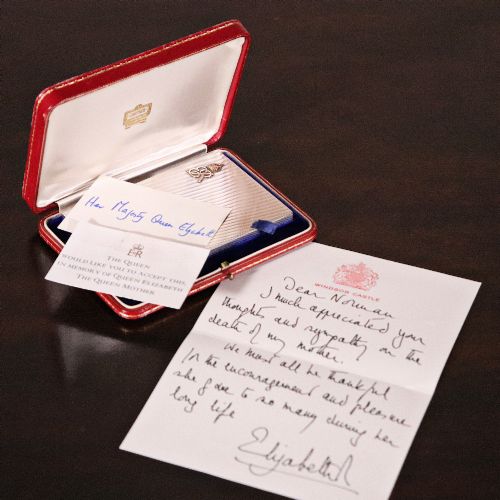
Silver and gold desk items served both practical functions and social display in elite writing rooms. Desk clocks kept track of hours during correspondence, while notelet cases and writing boxes organised personal stationery.
Wealthy owners displayed these portable treasures to signal status and refinement to visitors in private libraries and studies.
How do I care for tortoiseshell and bronze?
Tortoiseshell requires protection from direct sunlight and extreme humidity fluctuations to prevent warping or cracking. Gentle dusting with a soft, dry cloth preserves the polished surface without damaging delicate inlays.
Ormolu and gilt bronze benefit from similar care, avoiding chemical cleaners that strip the historic metallic finish.