





Antique Locking Box
An antique locking box provides a secure vessel for valuables, satisfying a historical need for privacy and protection.
Antique Locking Box
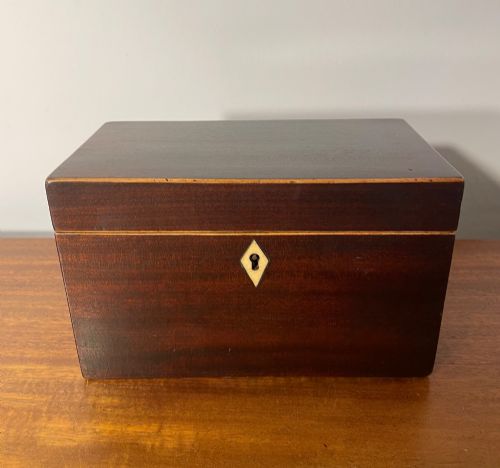
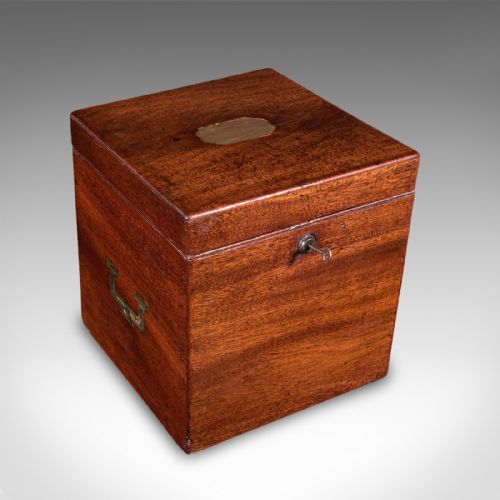
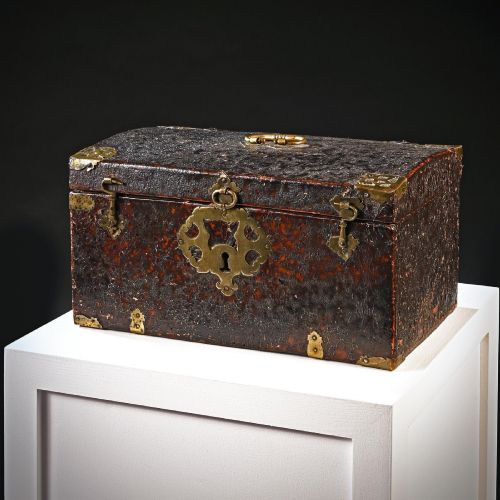
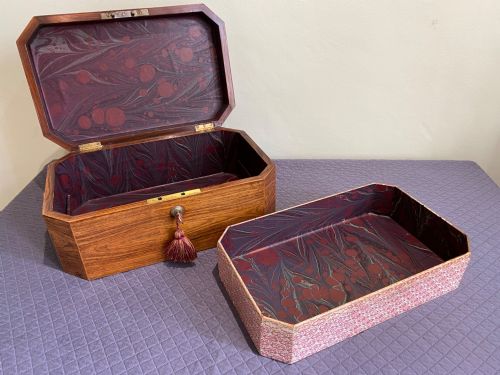
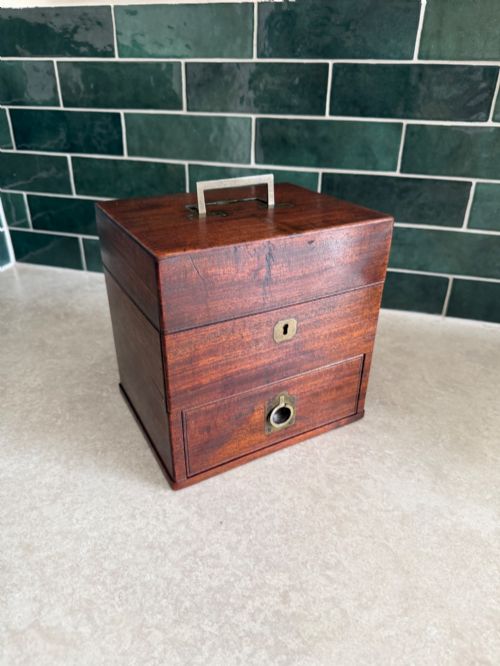
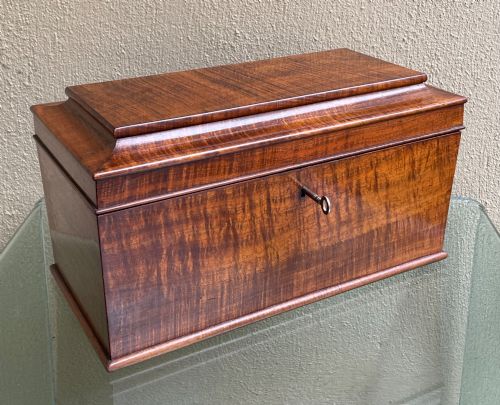
When you search for an antique locking box, you encounter a diverse array of domestic and travel containers designed to secure precious belongings.
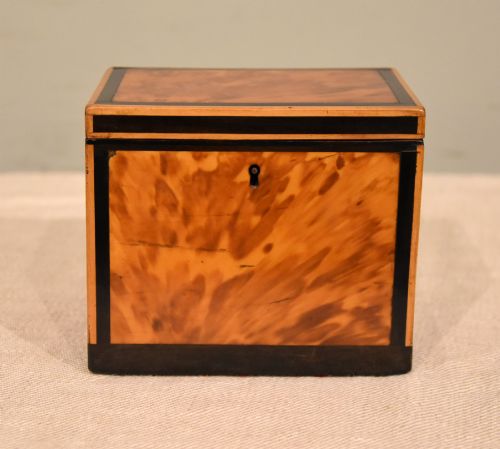
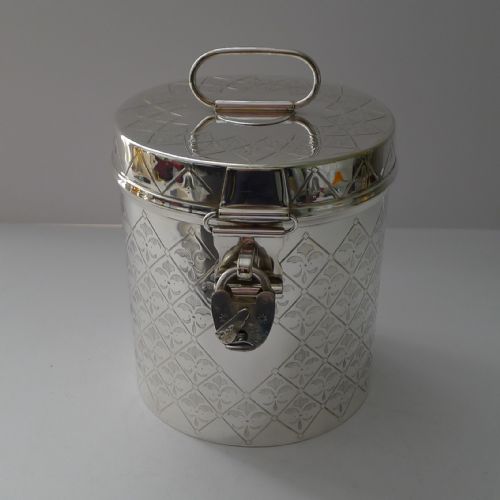
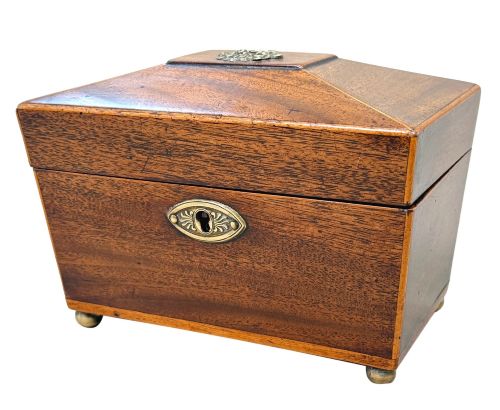
The selections span functional forms such as tea caddies, coffers, writing slopes, jewellery cases, and tantalus units originating from the seventeenth century through to the Edwardian era.
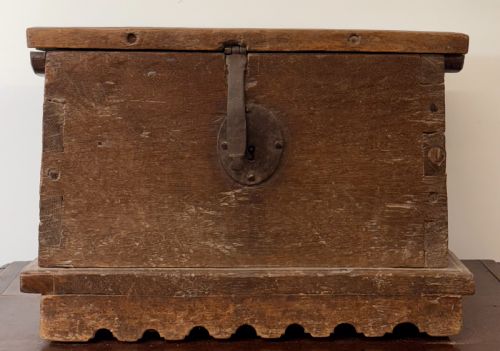
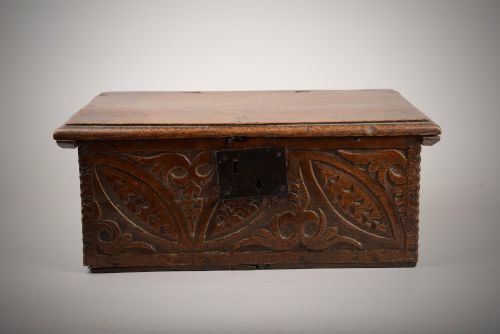
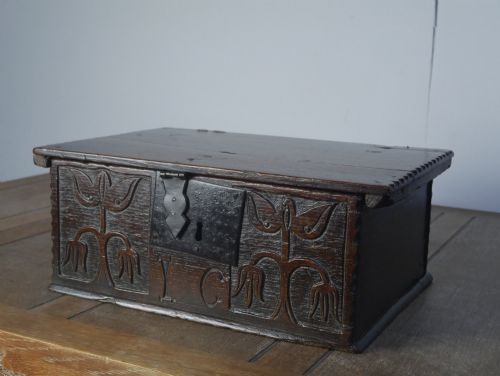
Oak, mahogany, walnut, and leather constructions predominate, reflecting the specific storage requirements of past centuries.
Materials and Construction
Cabinet makers utilised dense hardwoods like oak, mahogany, walnut, and elm alongside softer timbers to build robust frames and carcasses.
Decoration and structural reinforcement relied upon brass mounts, iron bands, tortoiseshell veneers, and glass inserts.
Lock mechanisms forged from iron and steel provided the security central to each piece's purpose.
Antique Locking Box Retail Price Guide 2026
Typical asking prices for locking box among the pieces listed under this phrase on Sellingantiques today, from the lower quarter to the upper quarter. They describe what is for sale here now, not the wider market.
Listings feature materials spanning oak, mahogany, walnut, leather, brass, iron, glass, and steel across multiple centuries.
Craftsmanship and Mechanism
The distinction between standard containers and superior examples rests upon the precision of the joinery and the sophistication of the locking mechanism.
Higher quality pieces incorporate complex internal compartments, secret drawers, and branded hardware like Bramah locks.
The integrity of the timber selection and the retention of the original operating key elevate the standing of an item.
Mappin and Webb
The Antique Locking Box Glossary
- Tantalus
- A locking drink cabinet that displays decanters while preventing unauthorised access to the contents.
- Coffer
- A heavy wooden chest traditionally used for storing valuables or documents.
- Writing Slope
- A desk box with a slanted lid that opens to reveal a writing surface and stationery compartments.
- Tea Caddy
- A container designed specifically to store and preserve dry tea leaves.
- Bramah Lock
- A high-security lock patented by Joseph Bramah in the late eighteenth century, known for its cylindrical key.
Antique Locking Box: Frequently Asked Questions
What were antique locking boxes used for?
These boxes secured tea, documents, jewellery, spirits, and currency from household staff and intruders.
Their robust construction and integral locks ensured personal valuables remained private.
How do I identify the period of a box?
Stylistic cues, timber choices, and construction methods indicate the era of manufacture.
Seventeenth-century examples often feature heavy oak and hand-carved panels, while Georgian pieces favour mahogany and delicate veneers.
Do these boxes still have working keys?
Many retain their original keys and operational locks, though some require specialised attention.
Locks from makers like Bramah represent advanced security for their time.
How do I care for a wooden box?
Maintain stable humidity levels and avoid direct sunlight to protect antique timber and finishes.
Regular dusting with a dry cloth preserves the polished surface of mahogany and oak.