



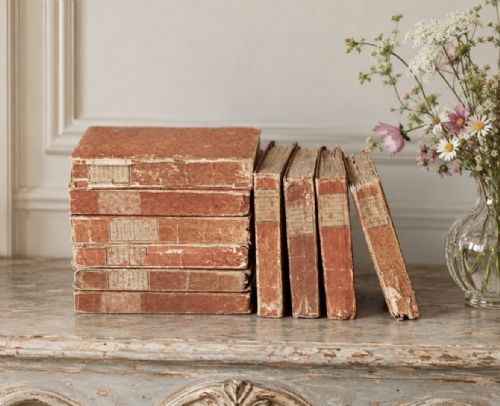


Antique Literature Collection
These antique literature collection pieces bring historical writing into your home, offering beautifully bound multivolume sets spanning centuries of publishing.
Antique Literature Collection
An antique literature collection brings together multivolume sets of historical books, poetry, plays, and novels from periods such as the eighteenth and nineteenth centuries. When you search for an antique literature collection, you are looking at matched sets of works by authors such as William Shakespeare, Sir Walter Scott, and Thomas Babington Macaulay.
The versions most likely to meet you on this page are nineteenth-century editions, including extensive sets of Waverley novels, furnishing books, and uniformly bound works. These sets range from modest four-volume editions to extensive collections comprising up to forty-five or even fifty volumes.
Originating from British and French publishing traditions, these collections include both classic English literature and continental works, such as those by Jean Baptiste Poquelin. They serve equally as comprehensive reading libraries and as decorative elements for a study, library, or drawing room.
What varies in quality
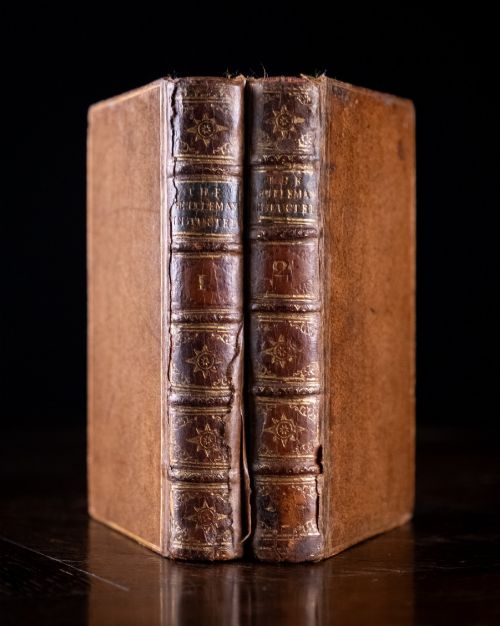
The grade of materials used for the binding separates standard editions from finer library sets. Supple calf leather and robust calfskin retain their integrity and tactile appeal far better than simpler cloth or basic cardboard covers over generations of handling.
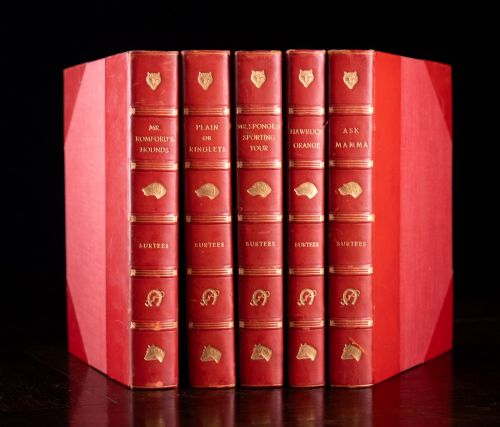
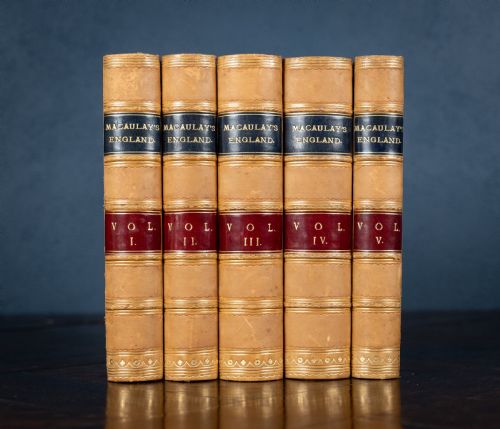
The uniformity of a complete set heavily influences its desirability and overall presentation on a shelf. Sets that share original publisher bindings, matching gilt tooling, and uniform height outrank mismatched volumes gathered together at a later date.
Antique Literature Collection Retail Price Guide 2026
Typical asking prices for literature collection among the pieces listed under this phrase on Sellingantiques today, from the lower quarter to the upper quarter. They describe what is for sale here now, not the wider market.
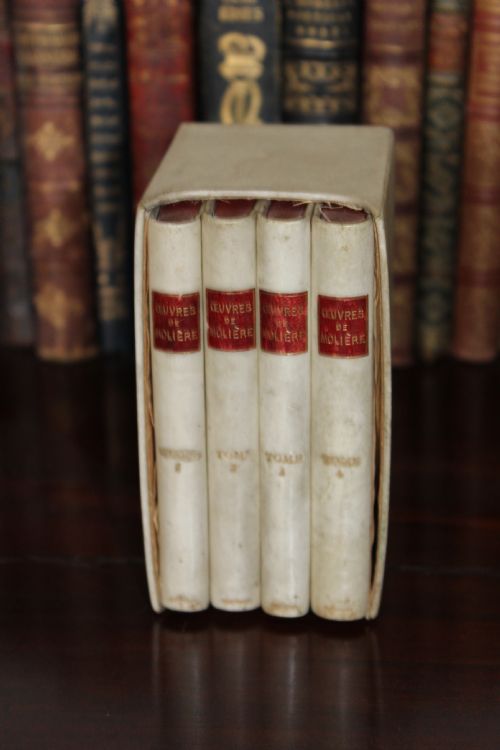
Molière appears here under his real name, Jean Baptiste Poquelin, dressed in vellum.
William Darrell·Robert Smith Surtees·Thomas Babington Macaulay·William Shakespeare·Sir Walter Scott·Alfred Tennyson·Anthony Trollope·Richard Whately·Jean Baptiste Poquelin
The Antique Literature Collection Glossary
- Multivolume set
- A publication issued in several distinct books that together comprise a complete work or author's collected writings. These sets were often purchased subscription-style as each part was published.
- Uniform binding
- A matching style of cover applied across a series of books to ensure they look cohesive when shelved together. Publishers or private owners commissioned these to create a harmonious display.
- Gilt tooling
- The decorative application of gold leaf onto leather or cloth bindings using heated metal stamps. This technique added shimmering titles and ornate borders to the spine and boards.
- Calfskin
- A fine, smooth leather prepared from the hide of a calf and frequently used for high-end bookbinding. It accepts tooling exceptionally well and ages with a rich patina.
- Vellum
- A prepared animal skin used for luxury book covers, valued for its smooth, pale, and durable surface. It was particularly favoured by French binders for classic literary works.
Antique Literature Collection: Frequently Asked Questions
How do I care for leather bound books?
Keep your volumes away from direct sunlight and excessive humidity to prevent the leather and paper from drying out or degrading.
Handle them gently by supporting the spine rather than pulling them off the shelf by the headcap.
Are these book sets complete for reading?
Many of the listed sets comprise multiple volumes intended to contain an author's major works or a comprehensive historical study.
Readers can enjoy historical novels, plays, and essays exactly as nineteenth-century audiences read them.
Why buy books in uniform sets?
Uniform sets provide a visually striking and orderly appearance when arranged together on bookshelves in a study or drawing room.
They offer an immediate collection of an author's literary output bound in complementary materials.
How can I tell nineteenth century bindings apart?
Examine the spine layout, typography, and the style of the gilt tooling, which shifted from eighteenth-century designs towards bolder Victorian aesthetics.
Publisher stamps and binder tickets inside the cover often provide further clues to the exact decade of production.