



Antique Linenfold Panels
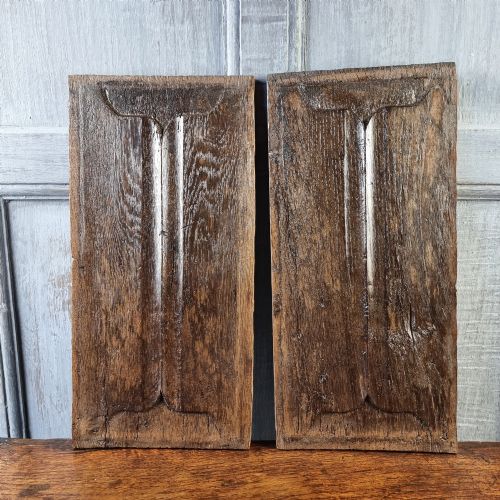
These antique linenfold panels represent timber carved to mimic folded parchment, bringing heavy historic texture to interiors.
Antique Linenfold Panels
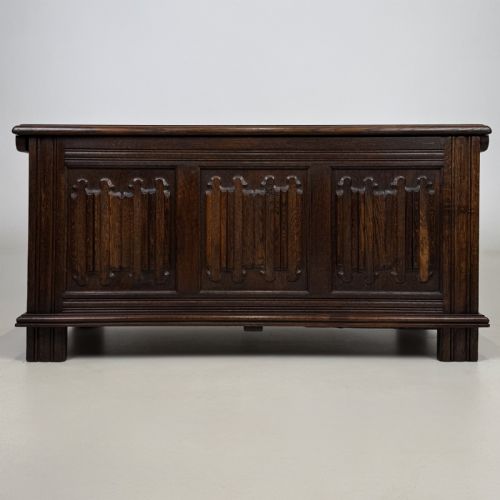
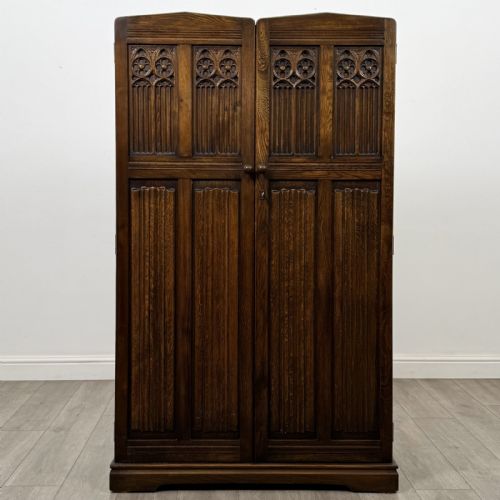
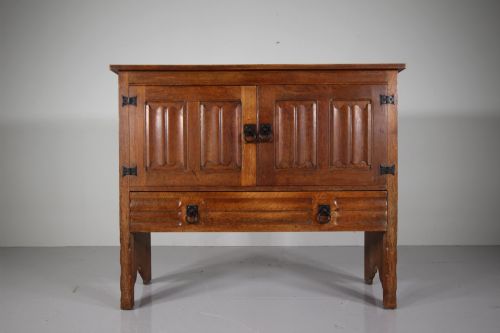
When searching for antique linenfold panels, you encounter timber woodwork designed to resemble vertical folds of cloth or parchment set within a rectangular frame. The pieces on this page span the sixteenth, seventeenth, and nineteenth centuries, alongside revival eras from the early twentieth century.
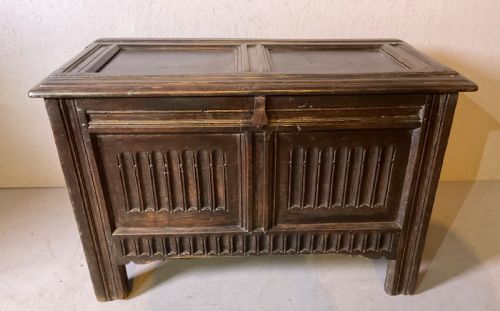
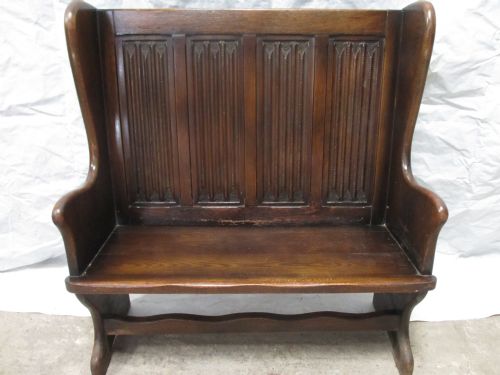
The format ranges from individual carved wood panels and architectural salvage to complete coffers, chests, dressers, sideboards, monks benches, and high back settle seats. Sixteenth-century examples sit alongside nineteenth-century pieces and later revival interpretations.
Solid oak serves as the primary medium across these forms, frequently augmented by iron and wrought iron hardware. Styles shift between Tudor, Gothic Revival, Jacobean Revival, and seventeenth-century vernacular.
What varies in quality
The distinction between tiers rests upon the crispness of the chisel work and the depth of the carved folds. Earlier sixteenth-century examples display an organic crispness that differs from later nineteenth-century revival interpretations.
Material selection and structural integrity define the higher end, particularly in larger items like chests, coffers, and dressers. Uniformity in the timber grain and the preservation of the original surface patina separate standard decorative pieces from finer survivals.
Antique Linenfold Panels Retail Price Guide 2026
Typical asking prices for linenfold panels among the pieces listed under this phrase on Sellingantiques today, from the lower quarter to the upper quarter. They describe what is for sale here now, not the wider market.
Medieval carpenters carved stiff cloth into wood so convincingly that people still try to iron the panels.
The Antique Linenfold Panels Glossary
- Linenfold
- A style of woodcarving used to ornament panels, resembling vertical folds of fabric. This motif is characteristic of late medieval and Tudor woodwork.
- Parchemin
- An alternative term for linenfold carving, drawing directly from the French description for parchment. It describes the flat, folded appearance akin to stiffened paper or cloth.
- Coffer
- A chest used for storage, typically constructed from solid oak with heavy framing. These often incorporate carved panels into their front elevations.
- Settle
- A wooden bench with a high back, solid arms, and enclosed storage or seating base. They frequently integrate carved panels into the backrest.
- Architectural salvage
- Building elements removed from older structures for reuse in interior design. This category includes individual carved panels rescued from demolished interiors.
Antique Linenfold Panels: Frequently Asked Questions
What is linenfold carving?
Linenfold carving is a decorative woodworking technique designed to mimic the appearance of vertical folds of cloth or parchment. It appears predominantly on sixteenth-century panels and later revival furniture.
The style creates a textured, architectural surface on flat wooden boards. It is most commonly found framed within coffers, wall panels, and large pieces of furniture.
How do I date a panel?
Dating relies on the tool marks, the choice of timber, and the style of the carving. Sixteenth-century examples show different chisel work compared to nineteenth-century revival pieces.
Examining the back of the panel and the construction joints provides further context. Revival pieces from the 1920s or 1930s often use older motifs on newer structural frames.
Where were these panels used?
These panels originated as wall paneling in grand houses, churches, and civic buildings. They were later incorporated into moveable furniture like chests, dressers, and settle seats.
Today, individual panels are often mounted on walls as decorative art. Larger pieces function as standalone storage and seating.
Are these panels always made of oak?
Solid oak serves as the primary material for the listings on this page. The wood was chosen for its durability and grain structure.
Associated hardware on chests and benches frequently incorporates iron or wrought iron. The combination of oak and iron defines the structural integrity of these pieces.