





Antique Light Wood Commode
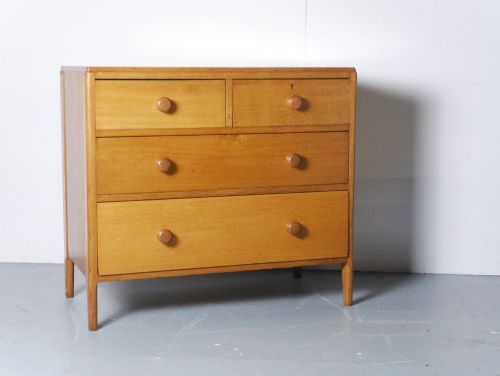
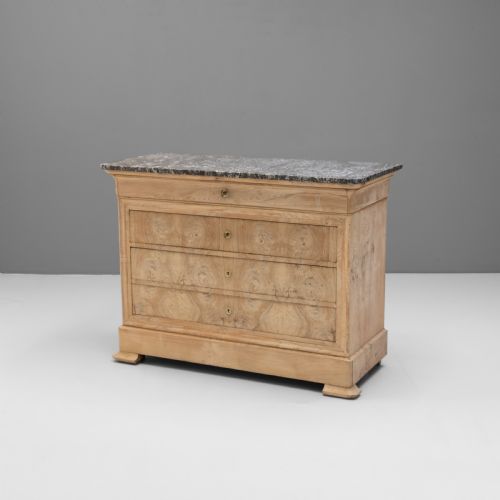
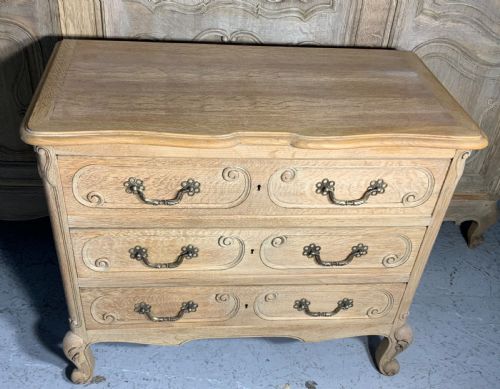
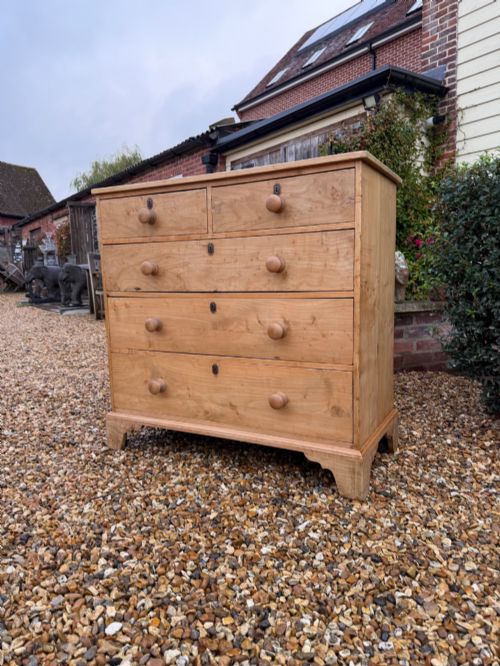
These antique light wood commode examples range from French provincial chests to Swedish birch drawers, offering pale grain and practical storage.
Antique Light Wood Commode
An antique light wood commode functions as a low chest of drawers or bedside cabinet, providing bedroom or living space storage with a pale timber finish. When exploring this selection, buyers encounter pieces spanning the eighteenth century through to the early twentieth century, originating from workshops across France, Sweden, Austria, Italy, and Britain.
The assortment relies heavily on oak, bleached oak, satinwood, birch, flame birch, ash, and birds-eye maple. Chests of drawers dominate the offerings alongside smaller bedside cabinets and bedside tables, reflecting diverse regional cabinet-making traditions from French serpentine curves to Swedish neoclassical proportions.
Materials and construction methods
Cabinet-makers utilised solid native hardwoods and exotic veneers, selecting oak, birch, ash, and satinwood for their distinctive grain patterns and pale tones. Timbers were often bleached, limed, or finished with natural polishes to accentuate the light colouration.
Joinery techniques combined traditional hand-cut dovetails for drawer construction with carved ornamentation on structural frames. Brass hardware, including handles and keyplates, frequently complemented the paler wood surfaces.
Antique Light Wood Commode Retail Price Guide 2026
Typical asking prices for light wood commode among the pieces listed under this phrase on Sellingantiques today, from the lower quarter to the upper quarter. They describe what is for sale here now, not the wider market.
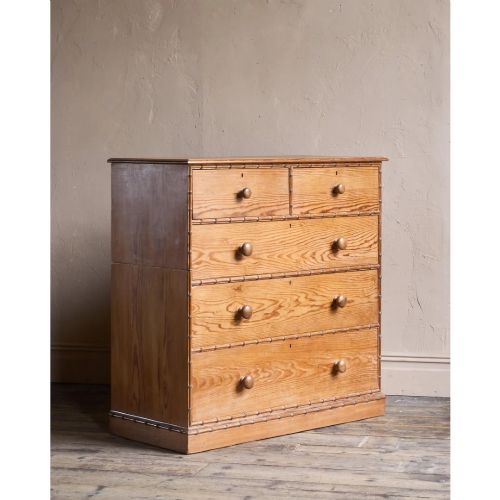
One unexpected nineteenth-century maker chose faux bamboo framing to give a modest chest entirely botanical aspirations.
Distinctions in quality
Quality rests upon the selection of timber veneers, such as figured flame birch or finely matched satinwood, and the precision of the underlying joinery. Superior examples display thoughtful grain alignment across drawer fronts and crisp hand-carved detailing.
The integrity of the original carcase, smooth drawer operation, and the retention of period brass mounts distinguish master cabinet-making from simpler provincial production.
Howard and Sons
The Antique Light Wood Commode Glossary
- Commode
- A low chest of drawers or cabinet designed for domestic storage. The term often describes French or continental pieces with decorative mounts.
- Bleached oak
- Oak timber treated to lighten its natural colour. This process highlights the porous grain while imparting a pale, contemporary aesthetic.
- Flame birch
- Birch veneer exhibiting a fiery, undulating grain pattern. Cabinet-makers prized this material for decorative drawer fronts.
- Serpentine
- A front or top edge curved in a wave shape, concave in the centre and convex at the sides. This contour requires advanced carpentry skill.
- Satinwood
- A yellowish exotic hardwood with a lustrous, reflective surface. It was frequently utilised for fine nineteenth-century cabinet-making.
Antique Light Wood Commode: Frequently Asked Questions
Where were these commodes made?
The pieces originate from various European regions, including France, Sweden, Austria, Italy, and Britain. Each region imparted distinct design characteristics.
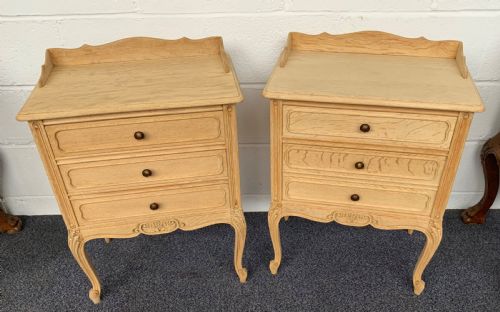
French pieces often feature serpentine fronts and carved details, whereas Swedish examples showcase clean birch grains and neoclassical lines.
How do I style a light wood commode?
A light wood commode integrates easily into modern and traditional interiors due to its neutral pale tones. It works well as a statement bedside table or a hallway storage chest.
Pair the piece with simple lamps or mirrors to let the natural timber grain remain the visual focus of the room.
How do I care for antique wood furniture?
Protect the timber by placing the commode away from direct sunlight and sudden temperature shifts. Regular dusting with a soft, dry cloth preserves the polished surface.
Avoid chemical cleaning products that might strip historical finishes, opting instead for traditional beeswax when nourishment is required.
What periods do these commodes represent?
The selection spans the eighteenth century, the Victorian era, and early twentieth-century periods up to nineteen-twenty. Eighteenth-century pieces frequently display regional continental carving.
Nineteenth-century examples include Swedish birch chests and Arts and Crafts ash furniture, while later pieces feature faux bamboo and satinwood finishes.