

Antique Library Units
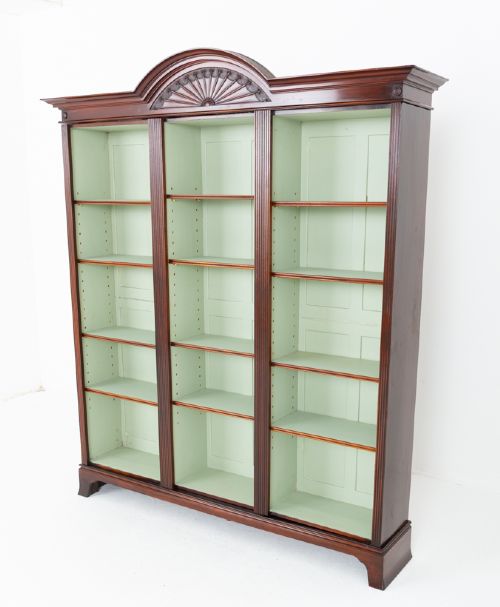
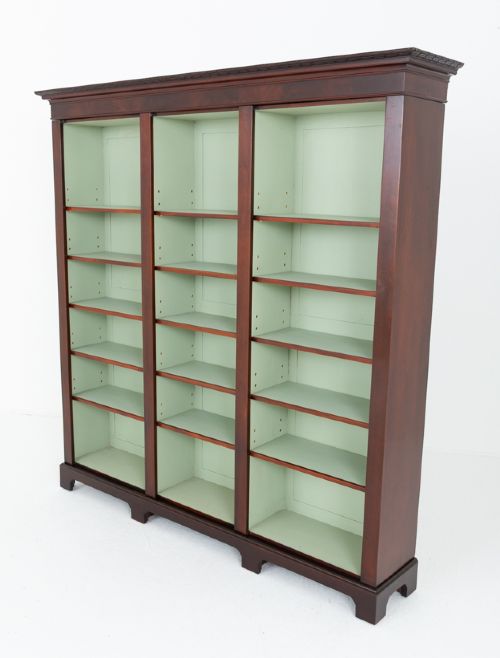
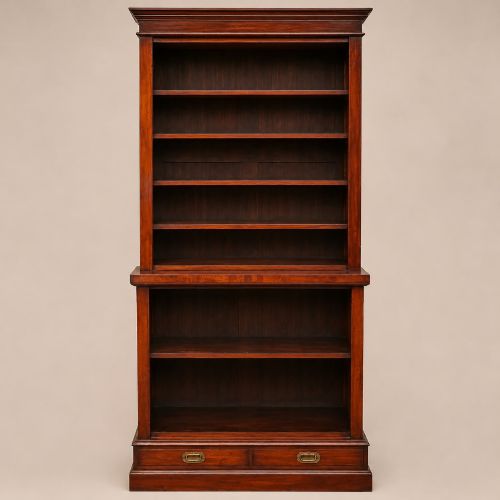
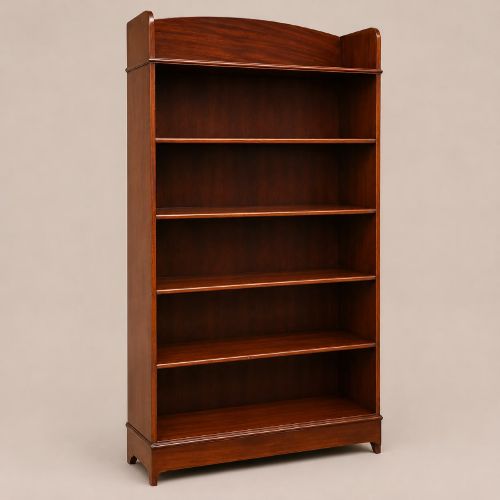
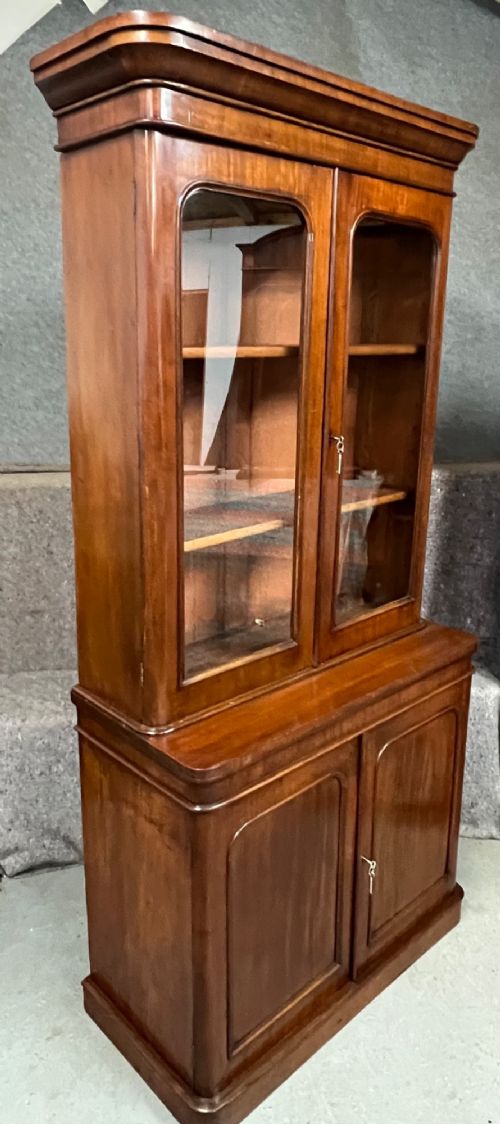
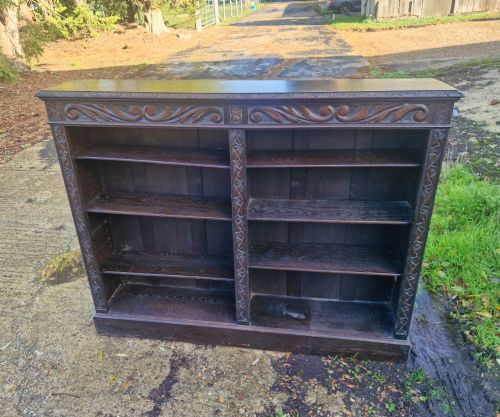
These antique library units are sturdy wooden open bookcases and shelving designed to house substantial book collections in period interiors.
Antique Library Units
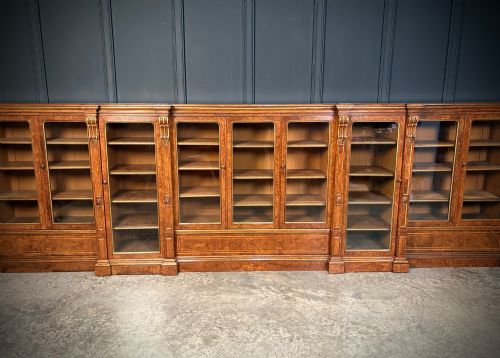
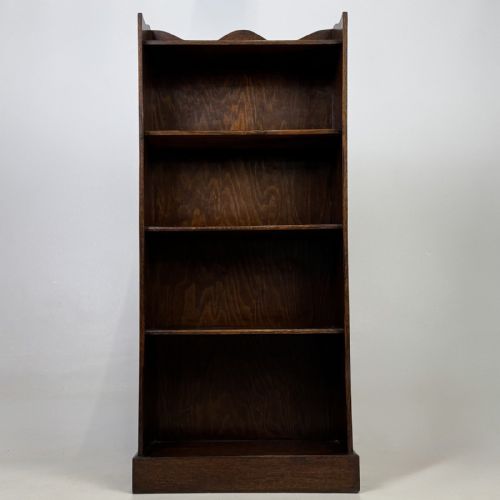
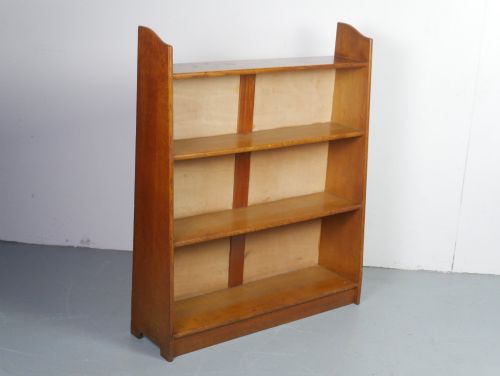
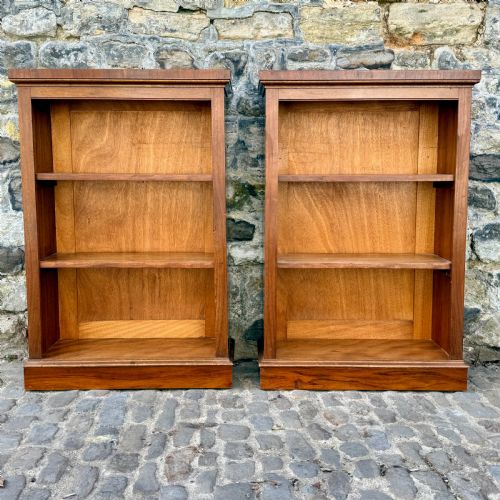
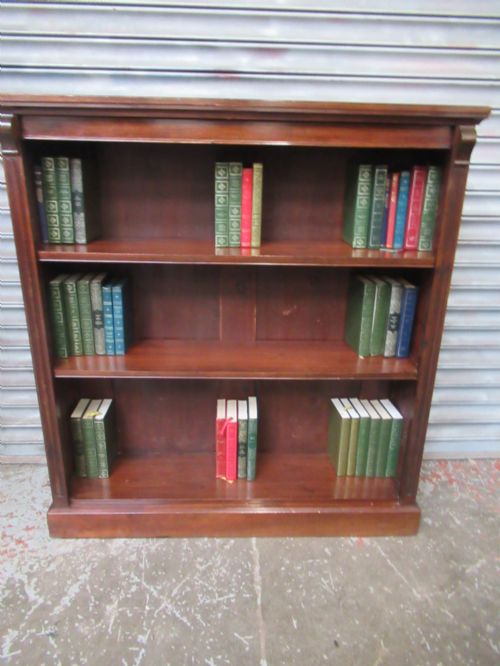
Antique library units primarily take the form of open bookcases and shelving units designed for domestic and institutional studies. When exploring these listings, a buyer will most frequently encounter nineteenth-century and early twentieth-century examples shaped by Victorian, Edwardian, and Regency tastes.
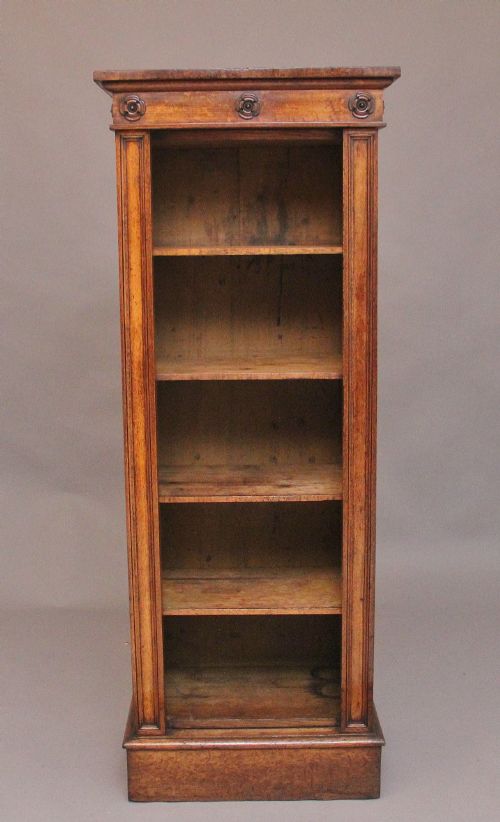
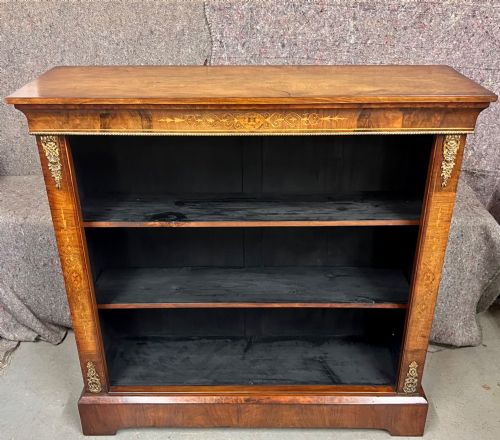
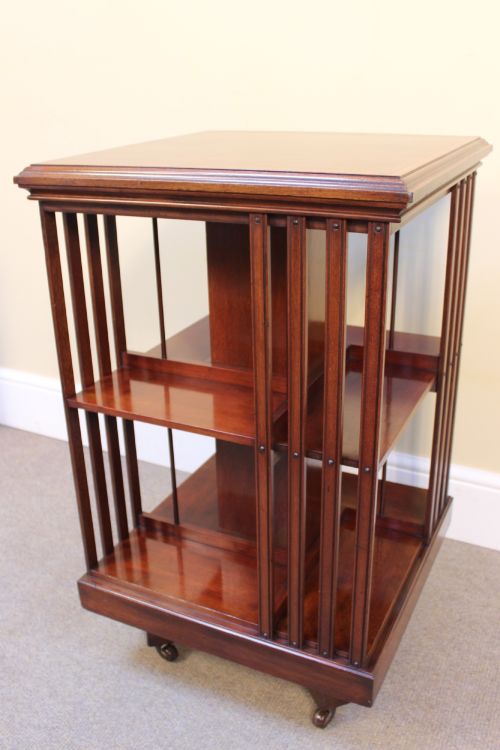
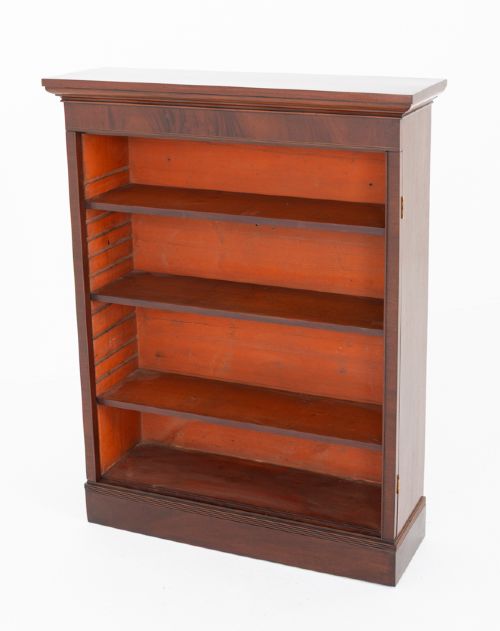
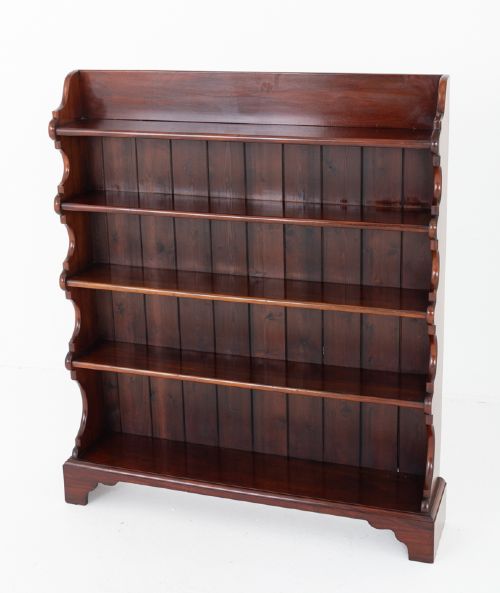
The prevailing forms span from compact dwarf bookcases and slim inlaid selections to large breakfront configurations and revolving formats. Oak and mahogany dominate the structural designs, often featuring adjustable shelving, dentil cornices, raised galleries, or carved edges.
How they were made
Cabinetmakers constructed these library units predominantly from solid hardwoods such as mahogany, oak, and walnut, frequently utilising flame mahogany veneer for decorative exterior surfaces. Pine occasionally serves for internal components, while rosewood and ebonised timber appear in specific stylistic examples.
Metal hardware plays an essential functional and decorative role, with brass fixtures and iron backs providing structural support. Joinery techniques range from traditional hand-cut joints to period mechanical adjustments for movable shelves.
Antique Library Units Retail Price Guide 2026
Typical asking prices for library units among the pieces listed under this phrase on Sellingantiques today, from the lower quarter to the upper quarter. They describe what is for sale here now, not the wider market.
The listings span multiple decades from the nineteenth century into the twentieth, featuring dominant materials of mahogany and oak alongside walnut and rosewood.
What varies in quality
Quality in these bookcases rests upon the selection of timber and the precision of the cabinetmaker's joinery. Finer pieces demonstrate superior matching of mahogany or oak veneers, cleanly cut carved detailing, and well-fitted adjustable shelf mechanisms.
Proportion and architectural detailing also distinguish the work, from simple plinth bases and dentil cornices to elaborate marquetry inlay and architectural breakfront designs. The integrity of the original surfaces and structural stability mark the difference between standard utilitarian storage and finer cabinet work.
The Antique Library Units Glossary
- Breakfront
- A piece of furniture where the central section projects forward from the flanking wings. This architectural arrangement creates depth and visual interest in large library units.
- Dentil cornice
- A decorative moulding featuring a series of small, rectangular blocks resembling teeth set beneath the top edge of a bookcase. It reflects classical architectural influence.
- Raised gallery
- A low decorative railing or rim around the top surface of a piece, designed to prevent items from sliding off. These often feature open fretwork or turned spindles.
- Ebonised
- Timber treated with a chemical stain or finish to imitate ebony. This dark, dense appearance was popular for dramatic contrast in nineteenth-century furniture.
- Revolving bookcase
- A compact shelving unit mounted on a concealed rotating mechanism. It allows easy access to multiple sides of books within a limited floor space.
Antique Library Units: Frequently Asked Questions
How do I style an open bookcase?
Balance books of varying heights and depths alongside decorative objects or framed photographs to prevent a cluttered appearance. Grouping volumes by colour or topic adds visual harmony to the display.
Ensure adequate clearance around large breakfront or revolving units so the architectural proportions remain a focal point in the room.
Are the shelves adjustable?
Many period bookcases feature adjustable shelving systems supported by wooden pegs, brass tracks, or slots cut into the interior sides. This flexibility accommodates volumes of non-standard heights.
Not all antique units possess this feature, as smaller dwarf bookcases and fixed shelving configurations were built with permanent shelf positions.
How do I tell Victorian from Edwardian?
Victorian pieces tend to use dark, heavy timbers like mahogany and walnut with deep carved detailing, ebonised elements, or formal architectural cornices. The proportions are solid and imposing.
Edwardian examples often feature lighter golden oak, delicate inlay work, raised galleries, and airier dimensions reflecting a shift towards brighter domestic interiors.
Can these hold heavy books?
Solid hardwood construction in mahogany, oak, and walnut provides the structural strength necessary to support heavy volumes without sagging. The thickness of the shelves and the soundness of the support pegs determine the weight capacity.
Checking the rigidity of the uprights and the condition of the shelf supports ensures safe storage for extensive collections.