





Antique Library Tool
An antique library tool is a practical implement or furnishing for the study, built from timber and leather to assist with reading and writing.
Antique Library Tool
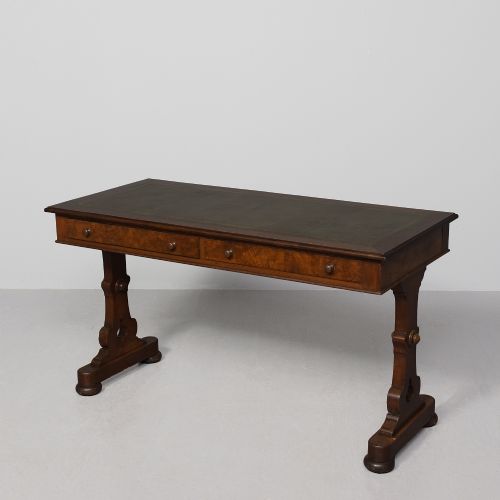
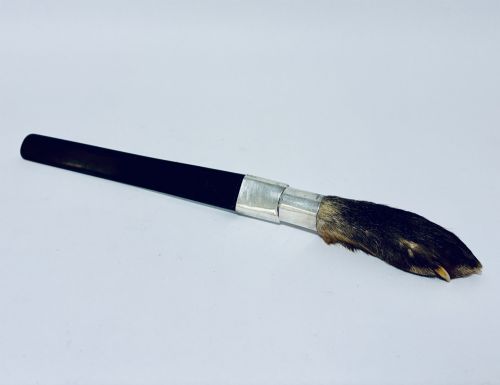
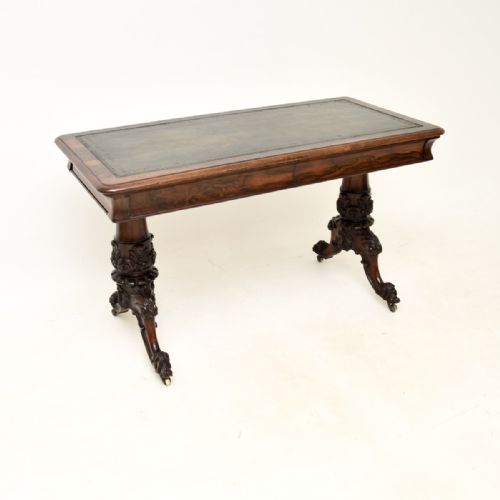
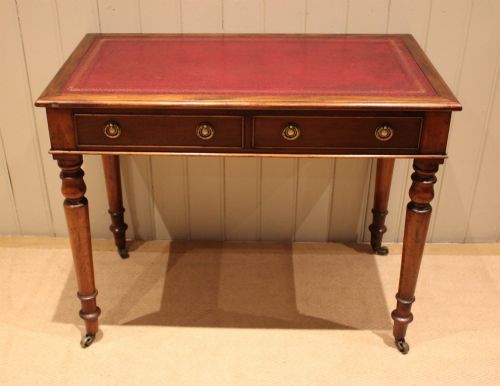
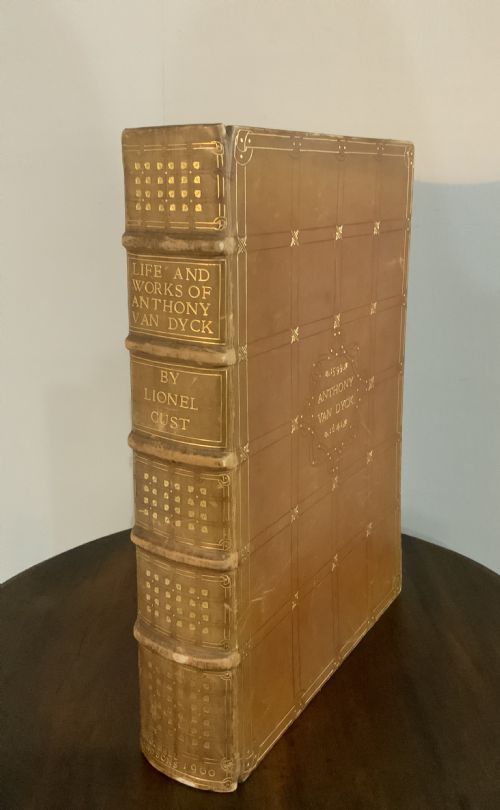
When you search for an antique library tool, you encounter a varied selection of desk accessories, writing tables, steps, and bound volumes dating from the eighteenth century to the early twentieth century. The inventory spans straightforward page tuners with silver mounts alongside substantial mahogany and walnut writing desks fitted with inset leather surfaces.
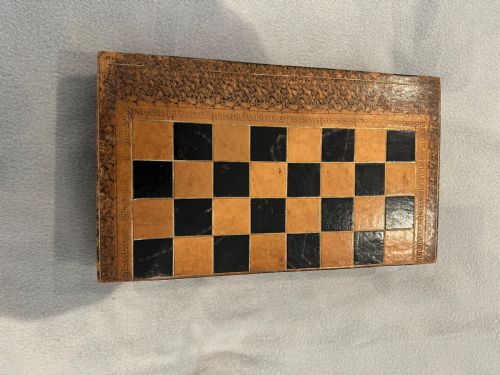
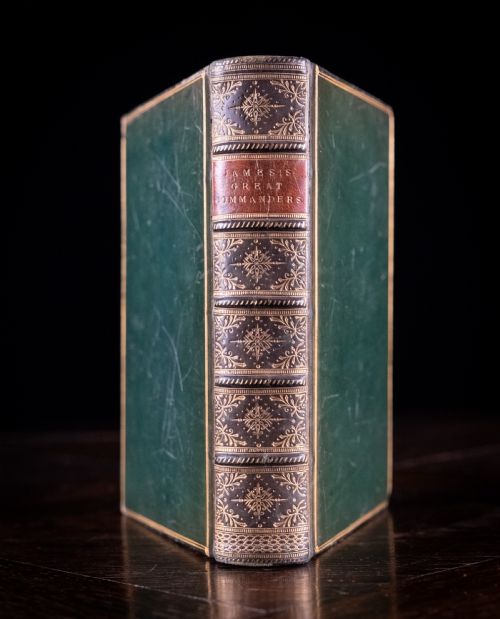
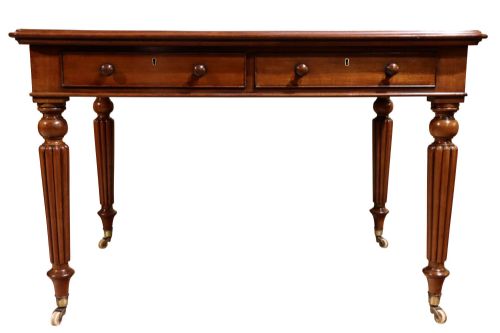
Writing tables and desks dominate the selection, often featuring reeded legs, walnut frames, or kidney-shaped tops reflecting Victorian and Edwardian tastes. Alongside furniture, you find leather-bound book sets, desk blotters, games boards, and library steps designed to reach high bookshelves.
The assortment reaches across multiple decades, taking in William IV, Reformed Gothic, and French Chateau styles. Materials shift from dense hardwoods like mahogany to delicate paper, gold leaf, and tooled Moroccan leather.
Materials and construction
Makers relied on durable timbers such as mahogany, rosewood, and walnut to construct desks, tables, and steps. These woods provided the structural integrity required for heavy daily use in nineteenth-century studies and libraries.
Leather and gold leaf form the decorative and functional surfaces of writing inserts, blotters, and book bindings. Craftsmen applied blind tooling and gilding directly onto full leather bindings and inset desk tops, combining utility with decorative finish.
Antique Library Tool Retail Price Guide 2026
Typical asking prices for library tool among the pieces listed under this phrase on Sellingantiques today, from the lower quarter to the upper quarter. They describe what is for sale here now, not the wider market.
Listings feature items from the eighteenth, nineteenth, and early twentieth centuries, constructed primarily from mahogany, walnut, leather, and brass.
Distinctions in quality
Quality rests in the crispness of the gold tooling on leather surfaces and the retention of original patination across wooden frames. Pieces that retain their original tooled Moroccan leather inserts and unblemished brass mounts stand apart from later replacements.
The execution of joinery in writing tables and library steps marks the division between standard workshop output and finer cabinet work. Structural cohesion in reeded legs and solid timber carcases dictates the enduring utility of each piece.
The Antique Library Tool Glossary
- Reeded legs
- Form of straight furniture leg carved with parallel convex mouldings. This decorative turning appeared frequently on nineteenth-century writing tables.
- Gilt tooled
- Decoration applied to leather using heated metal tools and gold leaf. It creates bright metallic impressions on book spines and desk inserts.
- Moroccan leather
- Goat leather tanned with sumac, known for its fine grain and durability. It provides a resilient writing surface for desks and blotters.
- Reformed Gothic
- Nineteenth-century design style drawing on medieval architecture. It appears on walnut tables through geometric lines and structural honesty.
- Page turner
- Handheld implement used to turn leaves without touching the paper. Examples incorporate materials like silver and bone.
Antique Library Tool: Frequently Asked Questions
What counts as an antique library tool?
The term covers nineteenth-century and early twentieth-century desk accessories, writing tables, steps, and leather-bound volumes used in traditional studies.
Items range from small silver-mounted page tuners and desk blotters to large mahogany writing desks and sets of antiquarian books.
How do I date a Victorian writing table?
Examine the secondary timbers, the style of the legs, and the method used for the drawers. Victorian pieces often use mahogany or walnut with hand-cut dovetailing.
Stylistic markers like reeded legs or Reformed Gothic detailing help narrow the decade of manufacture within the nineteenth century.
Were leather desk inserts original?
Many desks retain their original tooled leather or Moroccan leather inset tops, applied to provide a smooth writing surface.
When original, the leather shows consistent wear and patination that matches the age of the surrounding wood framework.
How should I care for leather book bindings?
Keep leather-bound books away from direct sunlight and extreme humidity to prevent the drying of gold leaf and paper.
Dust them regularly with a dry cloth and handle the bindings gently to preserve the original gilding and joints.