


Antique Lectern Desk
An antique lectern desk brings mechanical adjustment and architectural presence to a study, combining book rests with writing surfaces.
Antique Lectern Desk
An antique lectern desk serves readers, writers and musicians by elevating texts at adjustable angles for convenience. These pieces appear across the nineteenth century and into the Edwardian period, drawing on Victorian, Regency, Gothic Revival and Arts and Crafts styles.
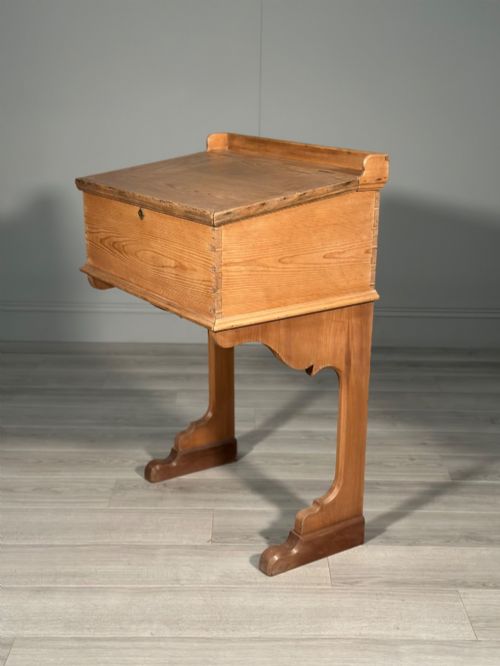
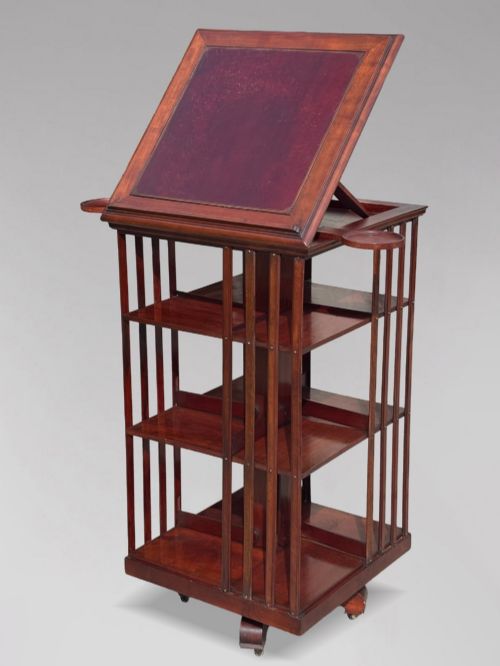
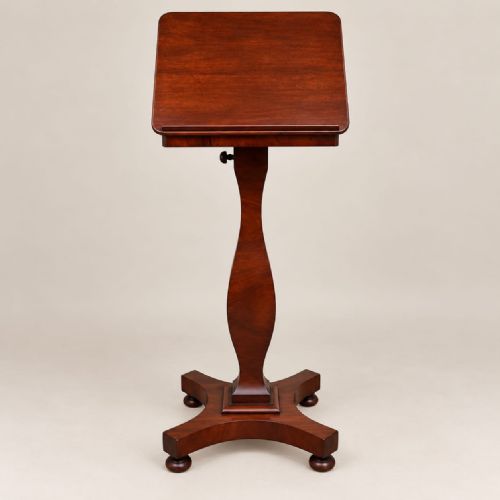
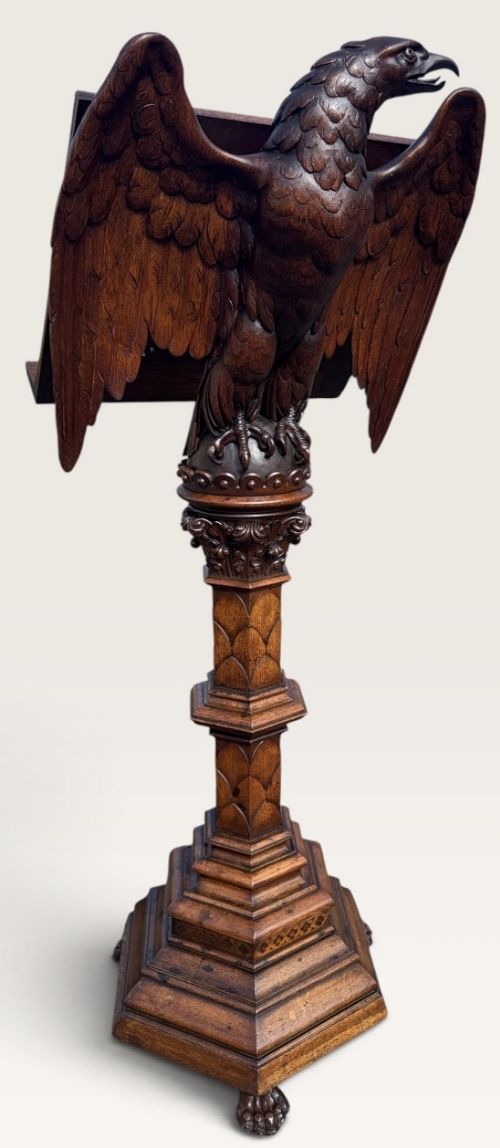
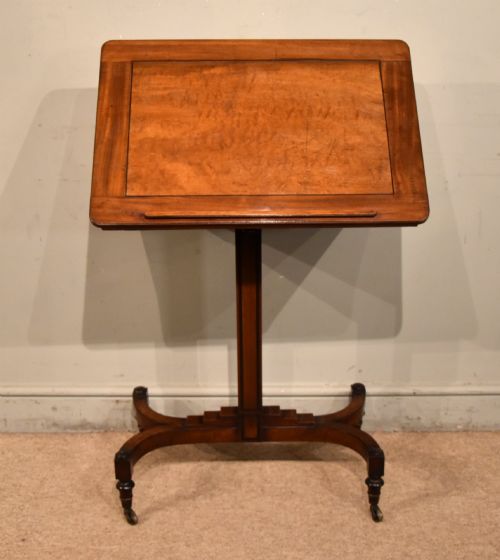
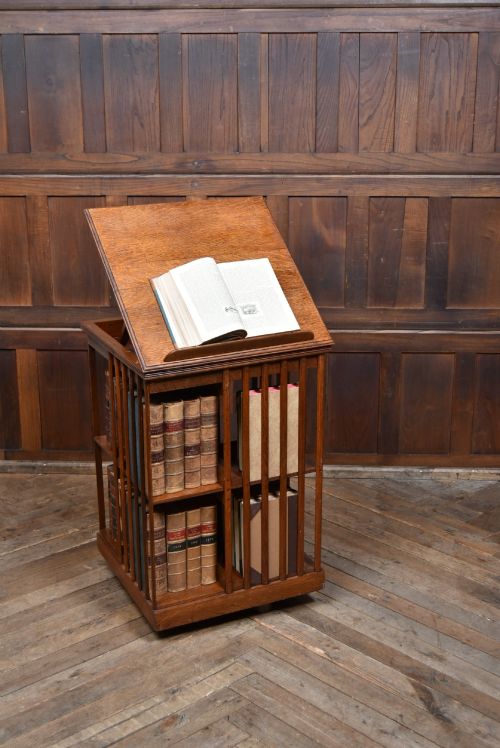
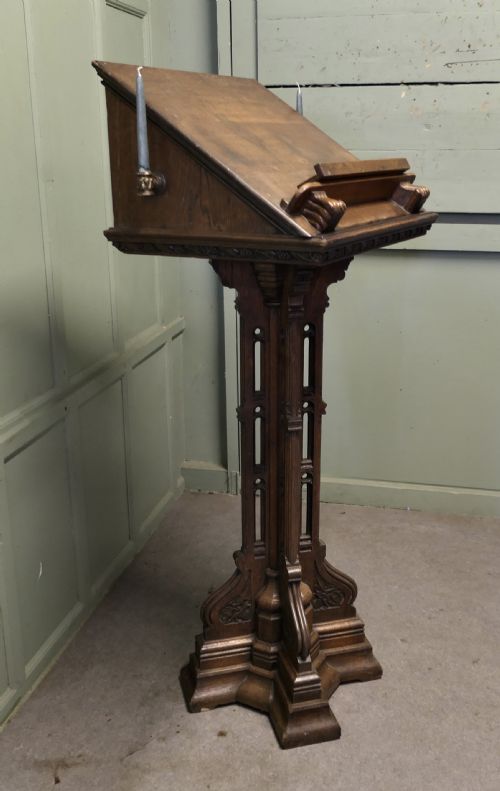
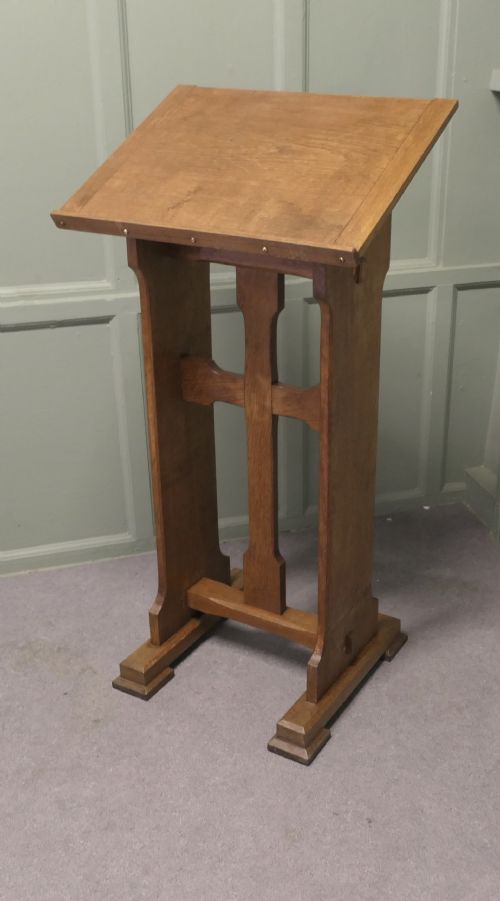
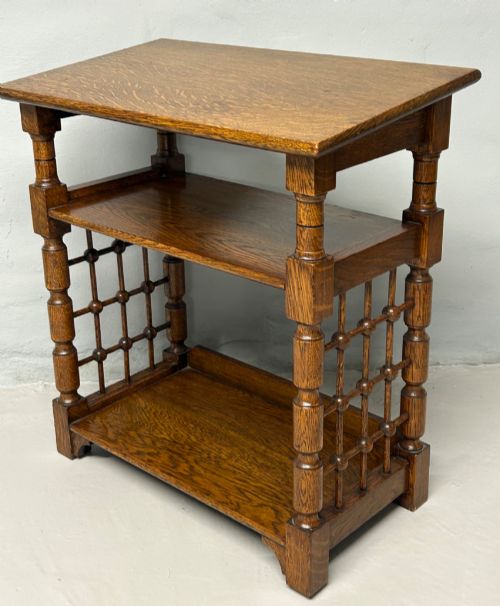
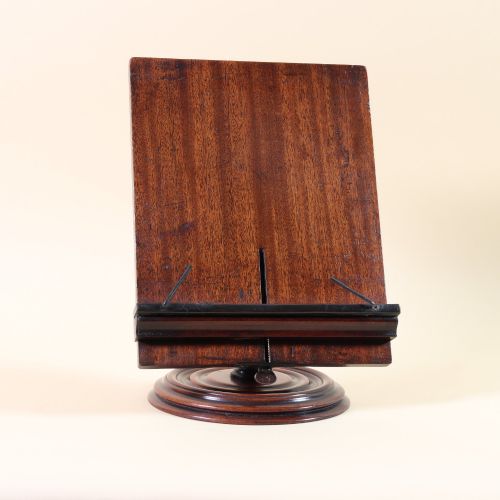
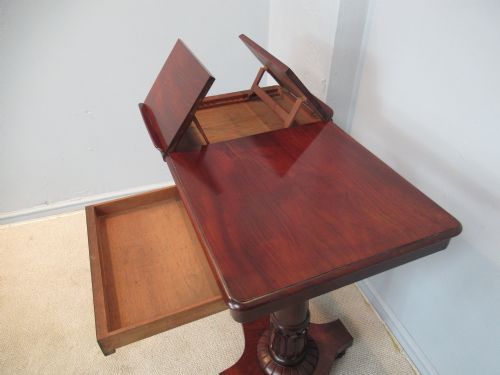
Buyers encounter formats ranging from floor-standing oak pulpits and church lecterns to tabletop mahogany reading stands, revolving bookcases, and combined writing boxes. Materials span solid and carved oak, mahogany, rosewood, pine, walnut, brass and cast iron.
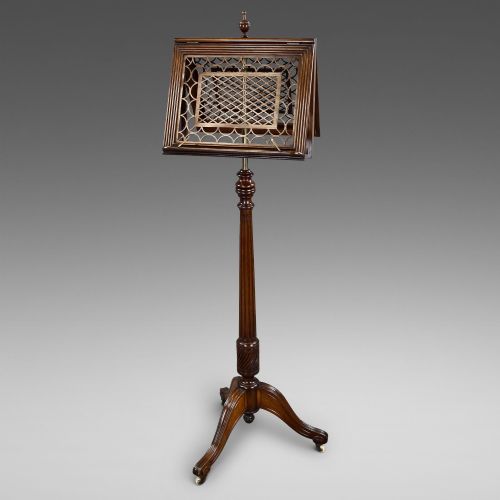
The category overlaps closely with music stands, duet stands, reading tables and clerks' desks. Forms often feature adjustable ratchets, brass bindings, lyre shapes or tripod bases.
How they were made
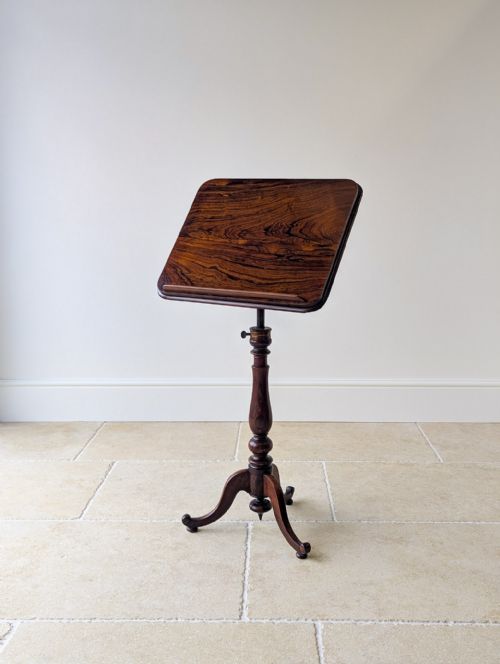
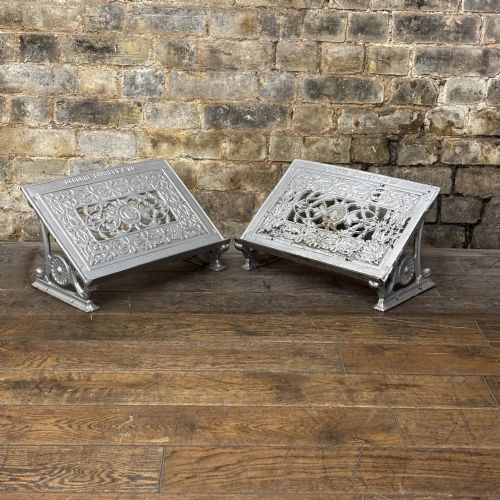
Cabinet makers utilised dense hardwoods like mahogany, rosewood and gonçalo alves alongside structural timbers such as oak and pine. Selected pieces incorporate cast iron mechanisms and brass fittings to achieve stable height and angle adjustments.
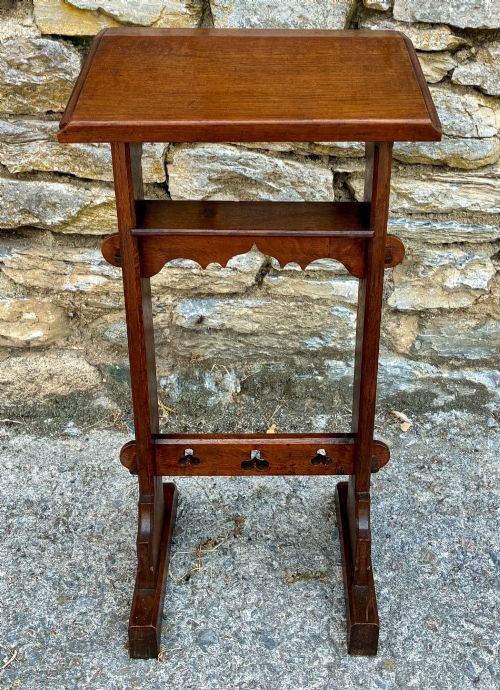
Construction methods include fine joinery for desktop writing boxes and heavy carved ornamentation for Gothic Revival and ecclesiastical items. Surfaces display carved motifs, fretwork, inlay and polished wood grains.
Antique Lectern Desk Retail Price Guide 2026
Typical asking prices for lectern desk among the pieces listed under this phrase on Sellingantiques today, from the lower quarter to the upper quarter. They describe what is for sale here now, not the wider market.
Certain pieces double as restaurant reception greeter stations complete with built-in lighting for late-night diners.
What varies in quality
Quality rests on the complexity and reliability of the mechanical adjustments, from smooth-turning wooden screws to robust brass ratchets and cast iron supports. Pieces by specialist makers like Carter offer superior engineering compared to standard workshop output.
Material selection and decorative execution set finer examples apart, distinguishing plain pine utility pieces from highly figured rosewood, carved walnut or architecturally detailed Gothic Revival oak.
Carters Of London·Osborne Garrett And Co
The Antique Lectern Desk Glossary
- Lectern
- A reading desk with a slanted top designed to hold a book or speech at a comfortable height for a standing or seated speaker.
- Ratchet support
- A notched mechanical mechanism behind a book rest that allows the user to alter the reading angle.
- Prie-dieu
- A devotional desk or chair equipped with a kneeling rail and a sloping shelf for prayer books.
- Duet stand
- A music stand or reading table wide enough to accommodate two scores or books side by side.
- Gonçalo Alves
- A dense exotic hardwood with striking contrasting grain patterns utilised in fine nineteenth-century stands.
Antique Lectern Desk: Frequently Asked Questions
How do I adjust the height?
Many examples utilise sliding brass columns, wooden screw threads or iron ratchets to modify the elevation.
Operating these mechanisms requires releasing the locking collar or pin before setting the desk to the preferred position.
Are these desks suitable for laptops?
Tabletop reading stands and adjustable reading tables provide sturdy surfaces for modern devices.
Their tilting ledges keep screens at ergonomic angles similar to historical books.
What is the difference between a lectern and a clerks desk?
Lecterns feature steeply sloping surfaces primarily intended for reading upright materials.
Clerks desks offer broader, flatter writing slopes combined with internal storage compartments for paperwork.
How do I date an oak lectern?
Stylistic indicators such as heavy tracery point towards Gothic Revival designs of the Victorian era.
Construction marks, timber patination and fixing types help narrow the decade of manufacture.