



Antique Leather Decor
Antique leather decor brings together practical furnishings and decorative figures shaped by traditional skills across several centuries.
Antique Leather Decor
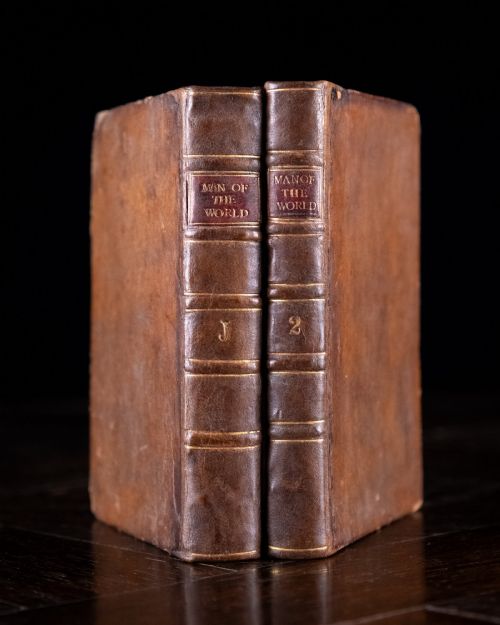
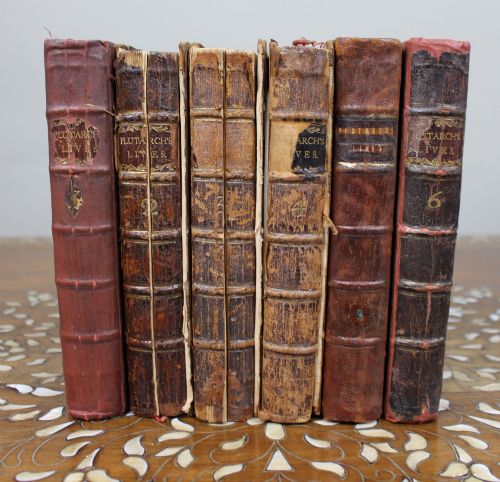
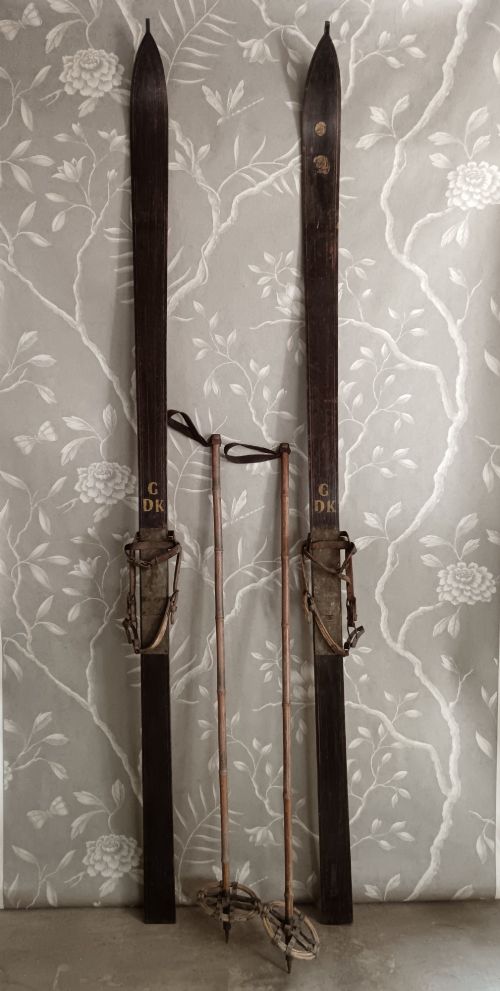
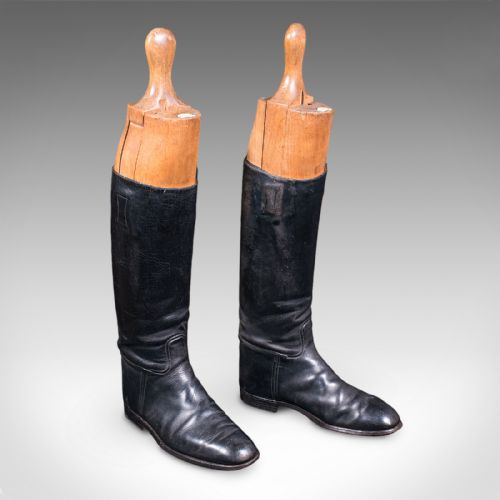
Antique leather decor encompasses items ranging from large figural sculptures and campaign furniture to bound books and desk accessories. Buyers encounter pieces spanning the eighteenth, nineteenth, and early twentieth centuries, created during periods such as the Georgian, Victorian, and Arts and Crafts eras.
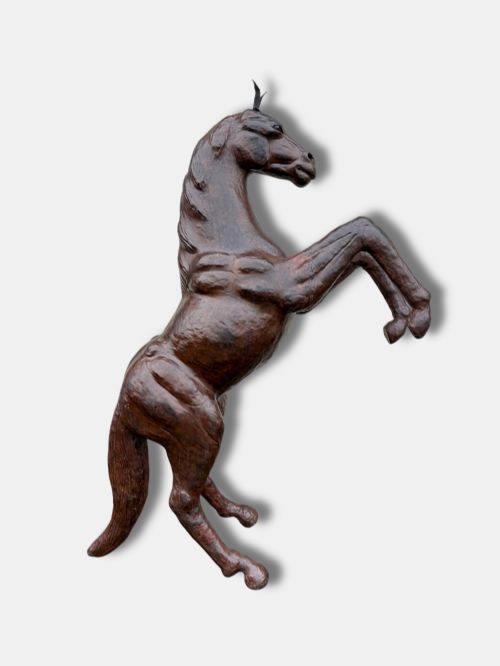
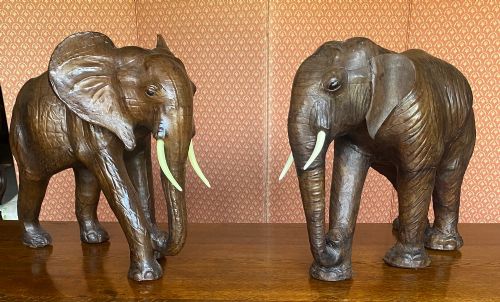
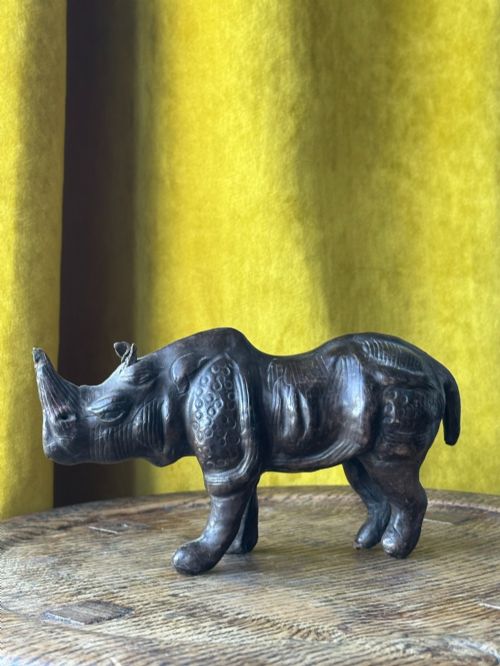
The selections frequently feature domestic and sporting subjects, including leather horses, elephants, and rhinoceros figures, alongside utilitarian objects like fire buckets and bellows. These diverse forms reflect both English country house tastes and the broader decorative requirements of period interiors.
Materials and construction methods
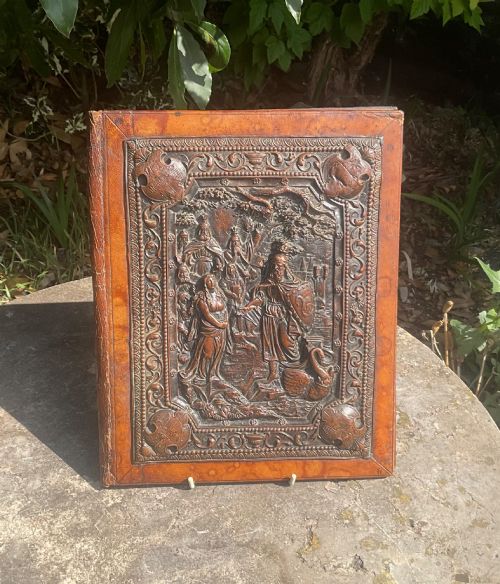
Makers utilised moulded leather, wood, brass, and paper, frequently incorporating metal reinforcements and gold leaf tooling on bindings and decorative panels. Structural elements often rely on timber cores or horsehair stuffing to support and shape the outer leather skins.
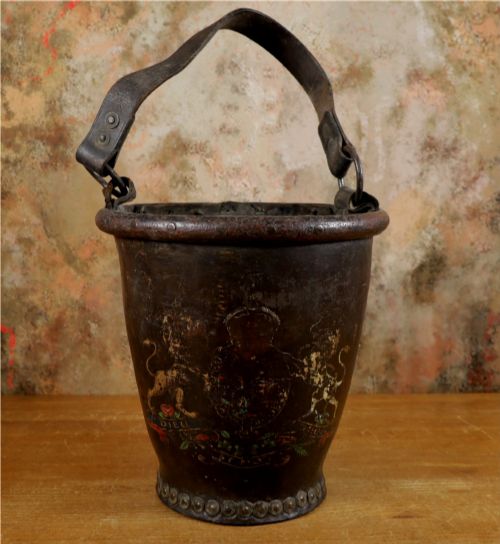
Techniques varied from bookbinding and hand-stitching to taxidermy preparation and structural leather shaping over wooden frameworks. Artisans applied studded brass details and painted coats of arms directly onto the leather surfaces of baskets and fire buckets.
Antique Leather Decor Retail Price Guide 2026
Typical asking prices for leather decor among the pieces listed under this phrase on Sellingantiques today, from the lower quarter to the upper quarter. They describe what is for sale here now, not the wider market.
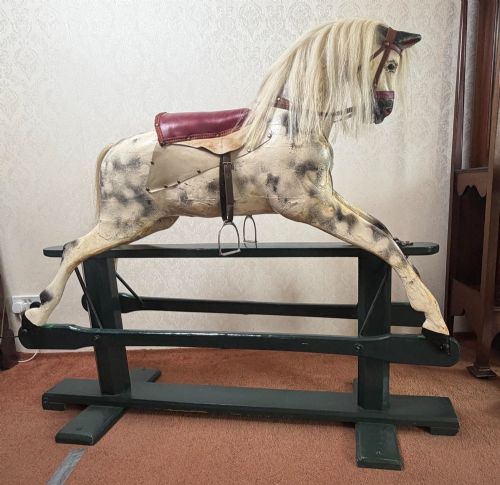
An old toy horse once named 'Old Bill' stands ready for inspection among nineteenth-century sporting gear and taxidermy.
Judging execution and finish
Quality rests upon the precision of the leather moulding and the integrity of the underlying structure, whether supporting a life-sized model or a campaign chest. Skilled hand-tooling, well-preserved patination, and the retention of original hardware distinguish finer examples.
The fidelity of sculptural forms, such as large leather horses and desk ornaments, points directly to the capability of the workshop. Uniformity in book sets and the clarity of stamped armorial details further indicate the standard of production.
Liberty of London·J. and R. Tonson·L.H. Hagen and Co.·Swaine Adeney·Henry Young and Son
The Antique Leather Decor Glossary
- Campaign chest
- A split timber chest covered in leather, designed for easy transport by military officers. Brass corners and recessed handles protect the edges during travel.
- Vellum
- A fine parchment material prepared from calfskin, frequently utilised for durable book bindings and weekend cases. It develops a warm tone with age.
- Leathermaché
- A moulded composition material incorporating leather fibres, employed for lightweight architectural decorations and relief panels. It mimics heavier carved plaster or wood.
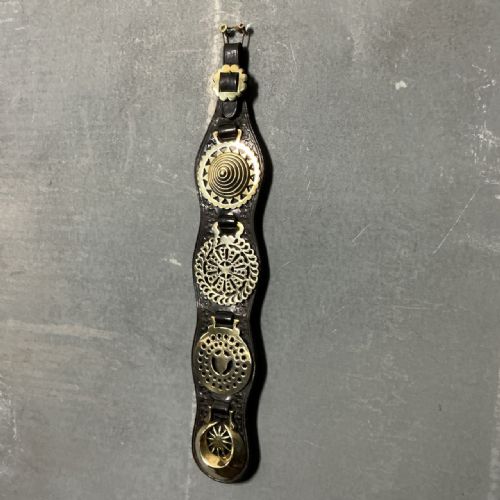
- Horse brass
- A polished brass ornament mounted on leather straps for harness decoration. These pieces depict various traditional motifs and symbols.
Antique Leather Decor: Frequently Asked Questions
What periods do these pieces represent?
The selections span the eighteenth, nineteenth, and early twentieth centuries, encompassing Victorian, Georgian, and Arts and Crafts movements. Items date from the seventeen hundreds through to the nineteen thirties.
Specific eras are identifiable through stylistic details, material choices, and manufacturing techniques characteristic of each period.
How were leather animals constructed?
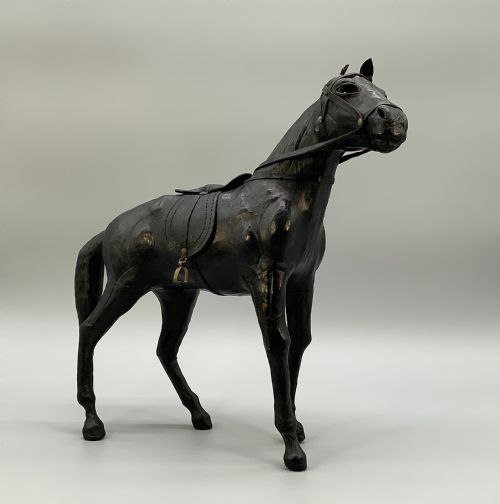
Life-sized models and desk ornaments typically utilised wooden frameworks or metal armatures covered in fitted leather skins. Artisans often incorporated horsehair stuffing and detailed stitching to create realistic anatomical forms.
Studded brass elements and painted finishes completed the decorative appearance of these figural pieces.
How do I care for antique leather?
Preserving antique leather requires stable environmental conditions away from direct sunlight and excessive moisture. Gentle dusting helps maintain the surface without disturbing the historic patination.
Avoiding harsh chemical cleaners ensures the original material and any gold leaf tooling remain intact.