




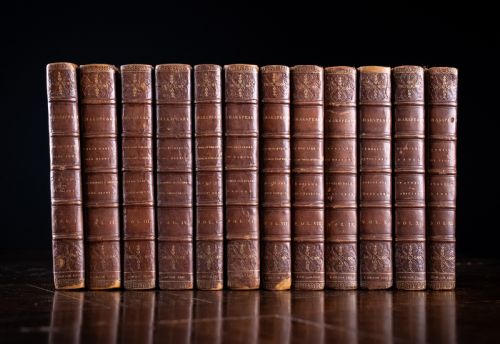

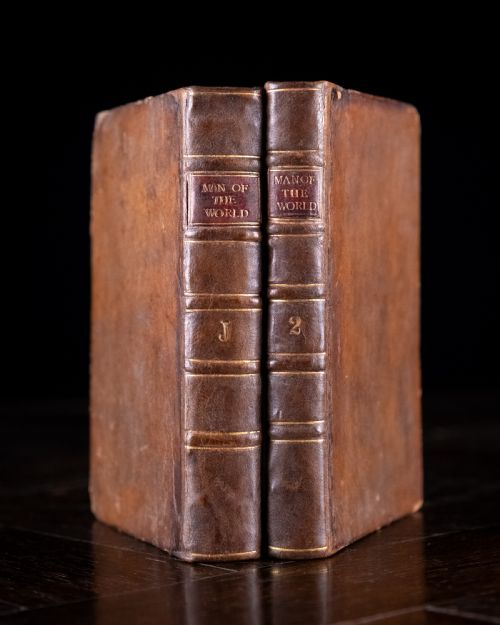

Antique Leather Book Set
An antique leather book set brings historical depth and visual richness to a room, offering matched volumes bound in calfskin and vellum.
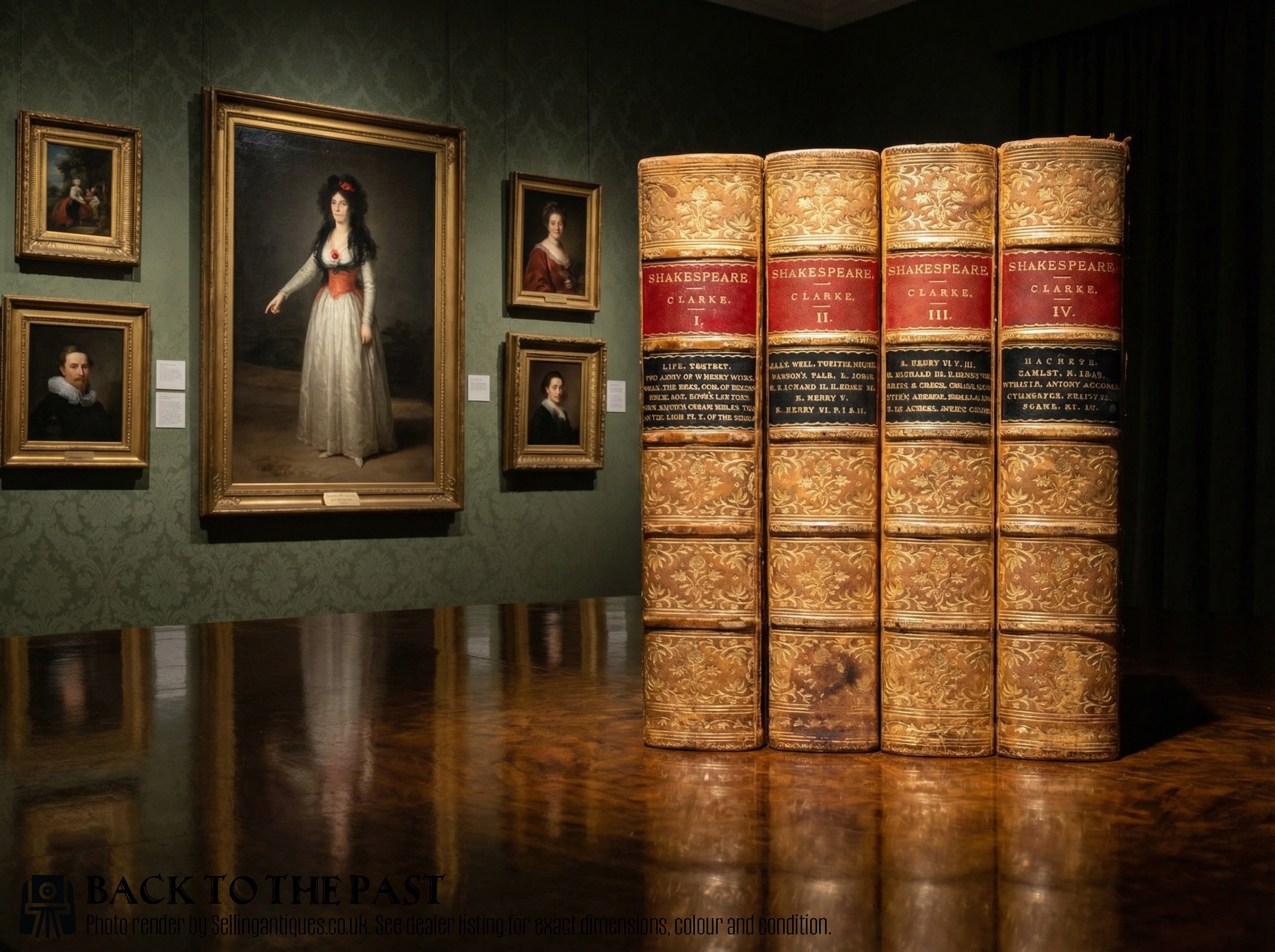
Antique Leather Book Set
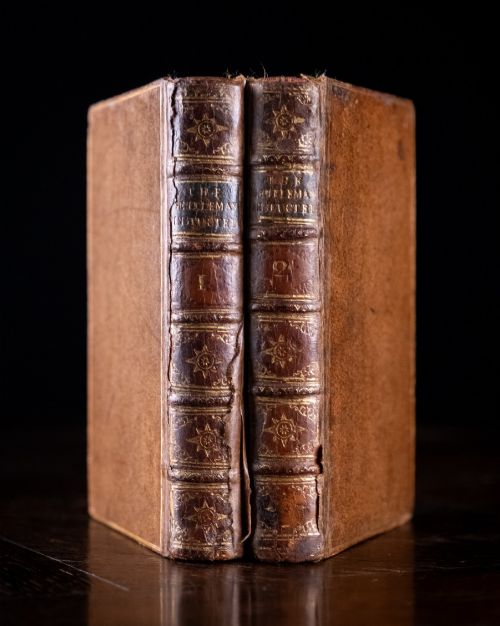
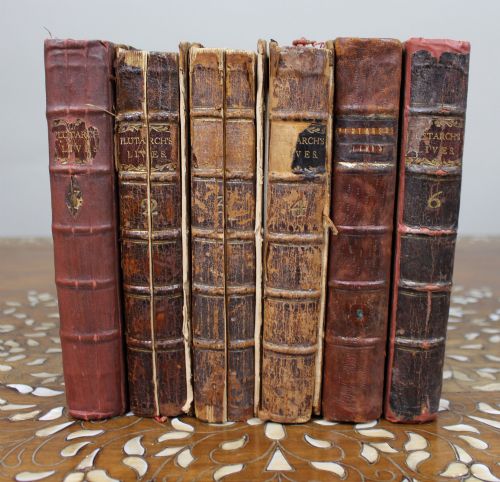
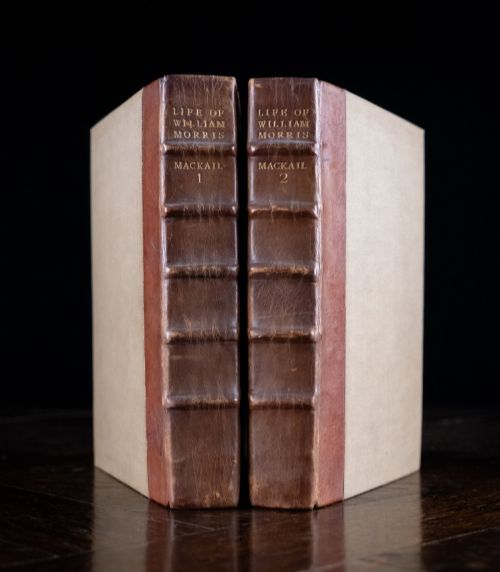
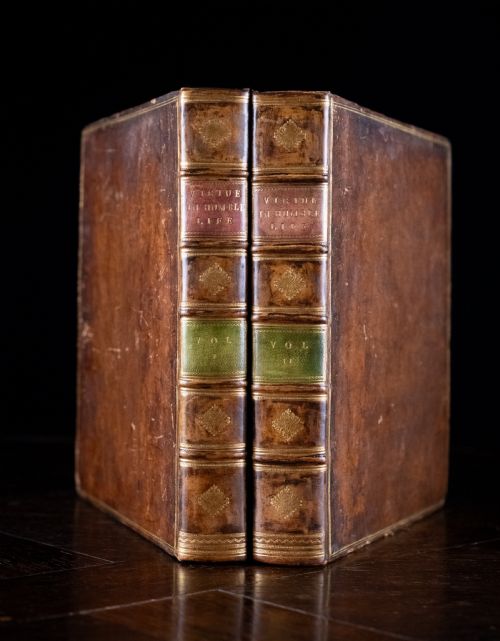
When searching for an antique leather book set, buyers encounter multi-volume collections spanning the eighteenth, nineteenth, and early twentieth centuries. These sets encompass works of literature, history, poetry, and philosophy, often preserved in uniform publisher or binder bindings.
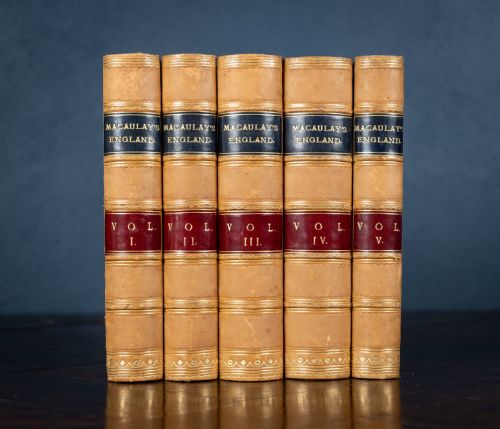
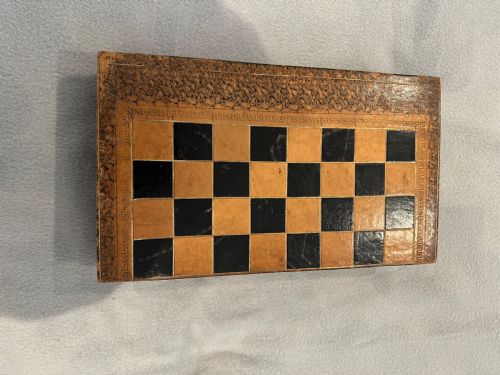
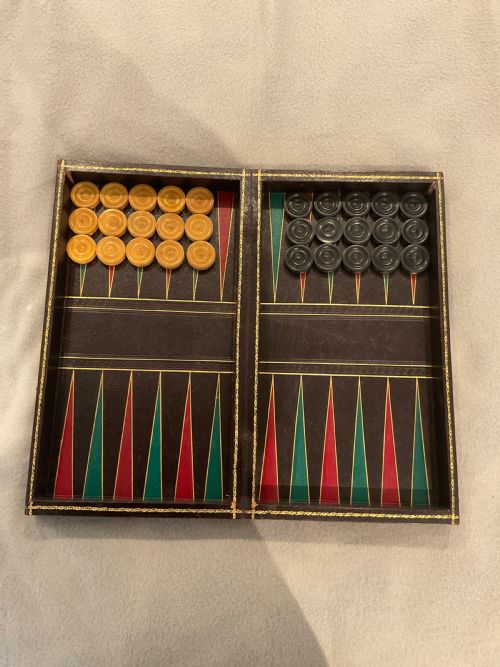
The selections on this page frequently include multi-volume editions of Shakespeare, historical treatises by authors such as Macaulay, and novels by writers like Sir Walter Scott. Alongside conventional reading sets, the inventory includes decorative pieces such as faux book games boards and vellum-covered volumes.
Origins stretch across Georgian, Victorian, and Edwardian periods, reflecting the domestic library tastes of past centuries. Most surviving examples found here date from the nineteenth century, showcasing period typography and paper stocks.
What varies in quality
The distinction between ordinary multi-volume sets and exceptional examples lies largely in the uniformity of the binding and the integrity of the original spine panels. Sets that retain matching contemporary bindings across every volume command greater appreciation than those assembled piecemeal.
Quality also depends on the clarity of the gold tooling and the preservation of the leather or vellum surface without excessive drying or cracking. Publisher bindings executed by known workshops maintain sharper detail in their spine lettering and decorative tooling.
Nineteenth-century bibliophiles occasionally concealed games boards inside clever leather bindings disguised to look like standard multi-volume history sets.
J. & R. Tonson·Henry Young & Son·J. Wheble
The Antique Leather Book Set Glossary
- Calfskin
- A fine, smooth leather derived from the skin of a calf, frequently used for high-quality book bindings due to its pliable nature and receptivity to gold tooling. It accepts decorative staining and polishing with ease.
- Vellum
- A writing and binding material prepared from untanned calf, kid, or lamb skin, prized for its durability and smooth, pale surface. Sets bound in vellum often exhibit a minimalist aesthetic.
- Raised bands
- The horizontal ridges visible across a spine, created by the underlying cords or thongs to which the book's signatures are sewn. They serve both a structural purpose and a decorative division for tooling.
- Gilt edges
- The application of gold leaf to the trimmed outer edges of a text block, which protects the paper from dust and moisture while adding a reflective sheen when the volumes are closed.
- Endpaper
- The folded sheet of paper pasted inside the cover with one half facing the flyleaf, frequently featuring marbled or patterned designs in nineteenth-century editions.
Antique Leather Book Set: Frequently Asked Questions
How are multi-volume sets dated?
Dating relies primarily on the publication dates printed on the title pages of the individual volumes. Bindings can sometimes be later than the printed text if the books were rebound at a subsequent date.
Examination of the paper stock, typography, and binder's tickets helps confirm whether the binding is contemporary with the printing. Consistency across the set indicates whether the volumes were issued together.
What is the difference between calfskin and vellum?
Calfskin is a tanned leather possessing a soft, flexible texture that accepts tooling and polishing readily. Vellum is an untanned animal skin prepared specifically for smooth writing and resilient binding.
While calfskin darkens gracefully with age, vellum retains a pale, cream-coloured finish. Both materials were utilised for durable, high-status library editions.
How should leather sets be displayed?
Displaying leather volumes requires stable environmental conditions away from direct sunlight and excessive humidity. Sunlight fades the leather and gold tooling, while dry heat causes the skins to become brittle.
Shelving them upright without overcrowding allows air to circulate around the bindings. Avoid forcing tight volumes onto shelves, as this damages the spine caps.
Can missing volumes be replaced easily?
Replacing a missing volume in an antique set presents a significant challenge due to variations in binding, paper tint, and typography. Even editions printed in the same year often exhibit subtle differences from distinct print runs.
Complete matched sets maintain their integrity and visual harmony much better than assembled groups. Collectors generally seek sets that have remained together since publication.