





Antique Lawn Bench
An antique lawn bench brings enduring character to a garden, offering a solid place to sit amongst the planting while anchoring outdoor spaces with period form.
Antique Lawn Bench
When you search for an antique lawn bench, you encounter seating designed for outdoor use across several distinct historical periods. The pieces on this page span the nineteenth century through the early twentieth century, showing both structural metalwork and sturdy timber construction.
You are most likely to meet Victorian and Regency designs, alongside later examples from around nineteen thirty. These items take the form of traditional garden benches and occasional garden chairs, built to withstand the elements while providing a decorative focal point.
How they were made
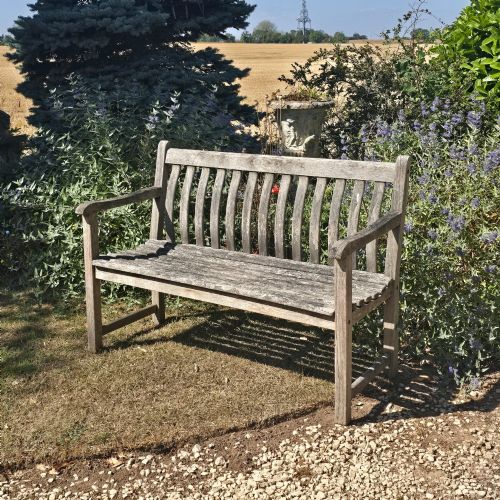
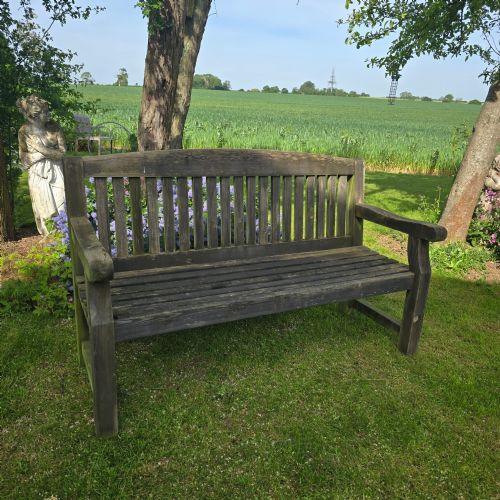
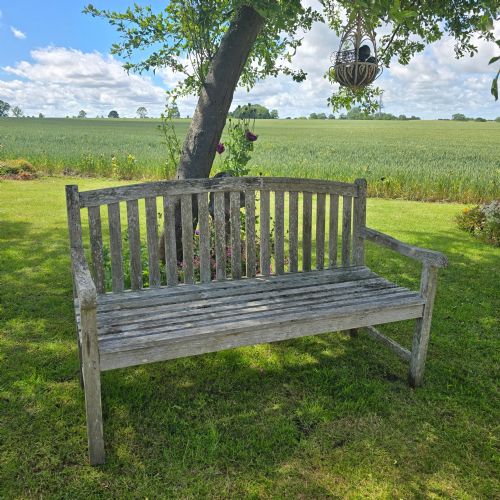
Timber versions rely on teak and general wood or timber, often left to weather naturally or finished with paint. Teak's natural oils help these wooden slats endure outdoor conditions over decades of use.
Antique Lawn Bench Retail Price Guide 2026
Typical asking prices for lawn bench among the pieces listed under this phrase on Sellingantiques today, from the lower quarter to the upper quarter. They describe what is for sale here now, not the wider market.
The listings span the nineteenth century, the Regency era, and nineteen thirty, utilising wrought iron, cast iron, and teak.
What varies in quality
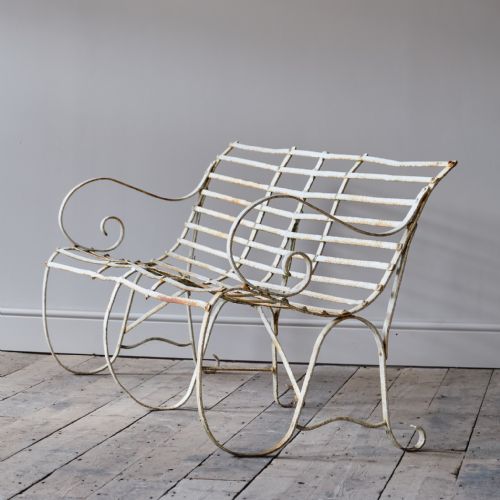
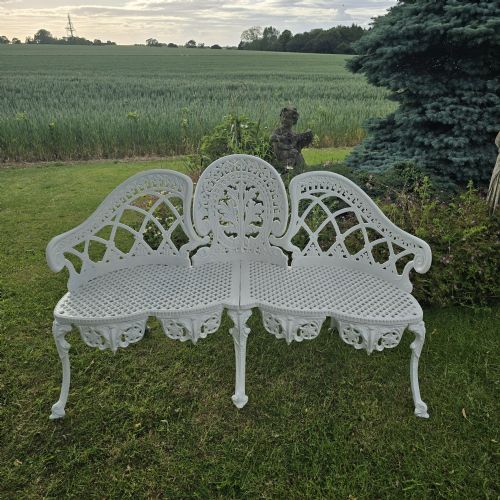
The refinement of the casting and the crispness of the iron strap work separate standard examples from finer pieces. Designs that reference specific makers like Coalbrookdale demonstrate superior artistic execution in their metal patterns.
The choice and preservation of timber also alter the character of a bench, with dense teak holding its structural integrity better than softer woods. Original surfaces and honest weathering command greater respect than heavy modern refinishing.
The Antique Lawn Bench Glossary
- Wrought iron
- Iron that has been heated and worked by hand with tools, resulting in a fibrous structure that bends rather than snaps under stress.
- Teak
- A dense, durable tropical hardwood prized for its high natural oil content and resistance to moisture and decay.
- Strap work
- An ornamental motif or construction method utilising flat strips of metal arranged in geometric or interlaced patterns.
- Regency style
- A decorative aesthetic drawing on classical Greek and Roman influences, marked by clean lines and restrained elegance.
Antique Lawn Bench: Frequently Asked Questions
Are these benches suitable for outdoor use?
Most of these pieces are built from robust metals like cast iron or durable timbers such as teak, meaning they are inherently designed for gardens.
Over decades, materials weather naturally, though simple seasonal maintenance helps preserve the structural integrity of both wood and metal.
How do I identify a Victorian garden bench?
Victorian examples frequently incorporate heavy cast iron frames with elaborate decorative motifs or structured strap work. The styling often reflects the ornate taste of the nineteenth century.
Comparing the casting detail and the proportion of the backrest helps distinguish these from later twentieth-century reproductions.
Can I leave wooden benches out all winter?
Hardwood benches made from teak handle moisture well due to their natural oils. Many owners leave them outside year-round to develop a silver-grey patina.
If you prefer to maintain the original timber tone, storing the piece in a dry shed during the harshest months is a sensible precaution.
What is the difference between cast iron and wrought iron?
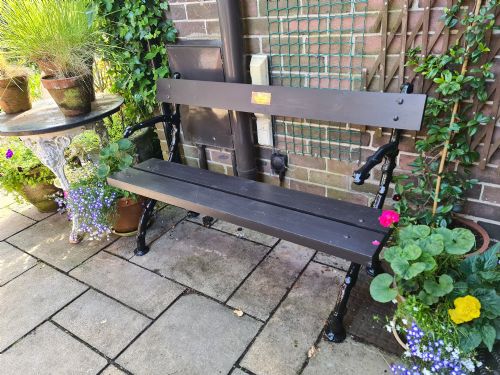
Cast iron is poured into a mould while molten, allowing for intricate decorative patterns and heavier, rigid forms. This technique appears commonly on nineteenth-century bench ends.
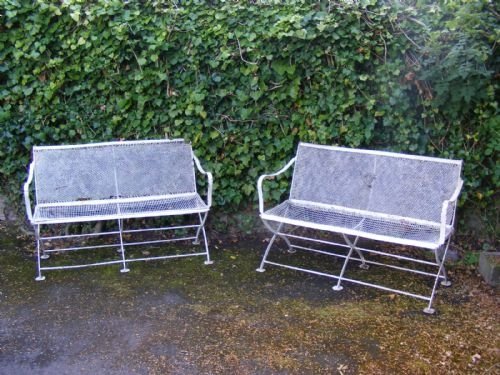
Wrought iron is beaten and shaped by hand, resulting in tougher, flexible components like the straps found on strap work garden benches.