

Antique Lantern Lights
Antique lantern lights bring illumination and character to hallways and porches, spanning Victorian hall lanterns to Arts and Crafts copper designs.
Antique Lantern Lights
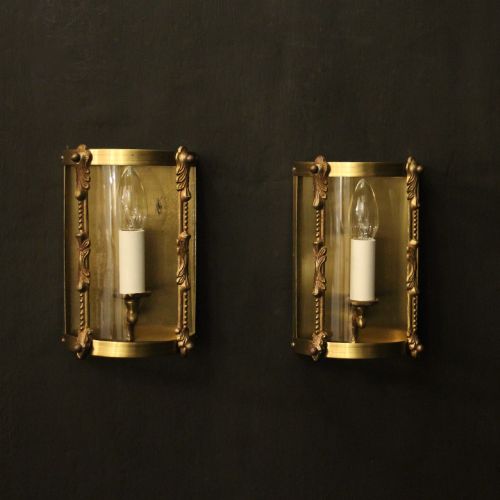
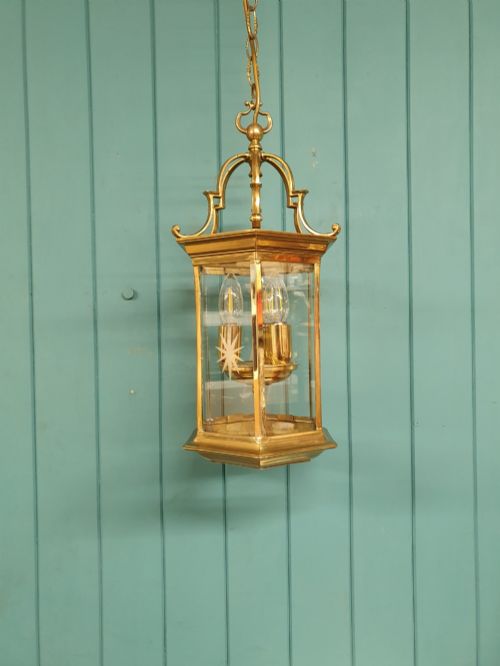
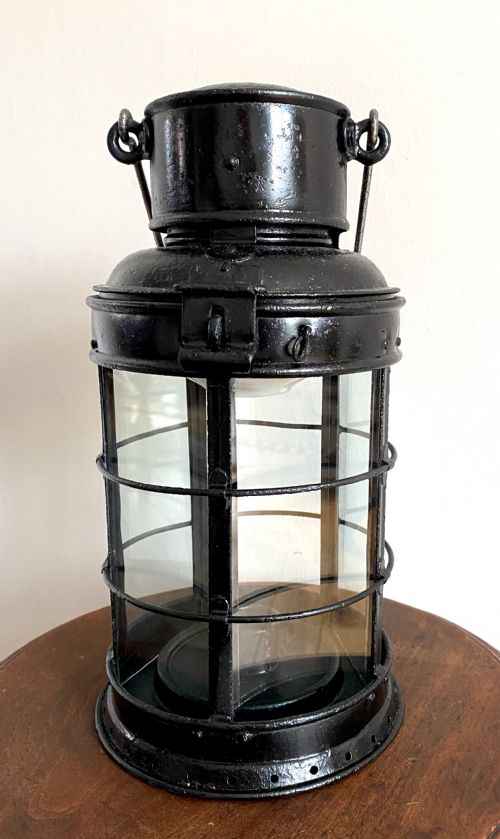
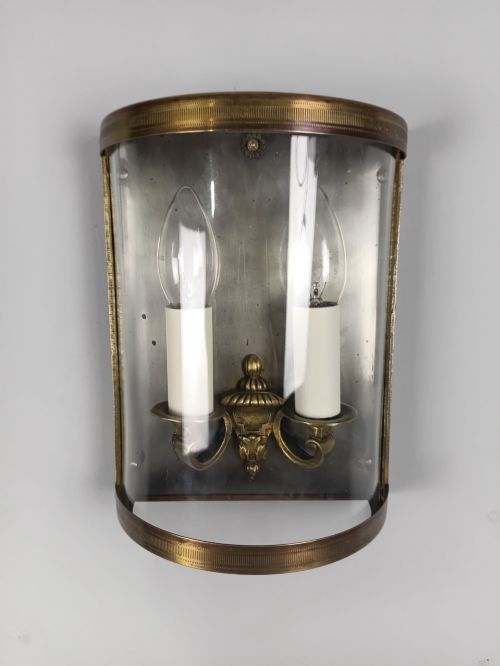
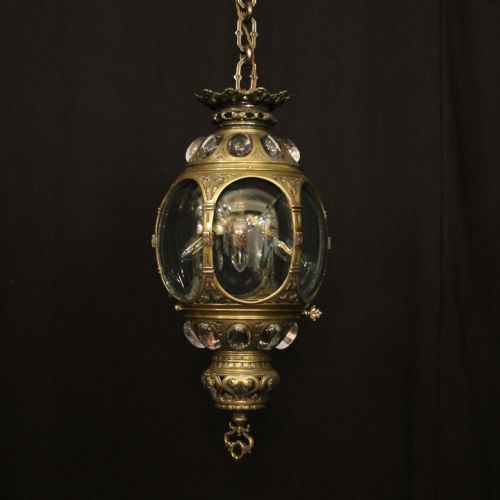
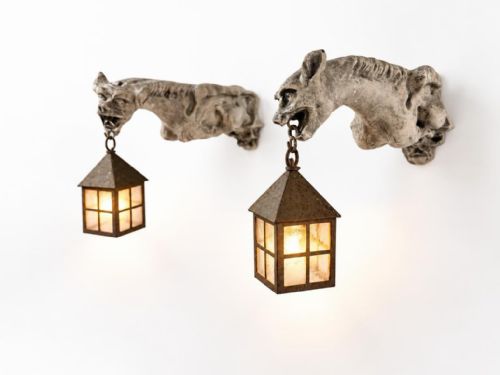
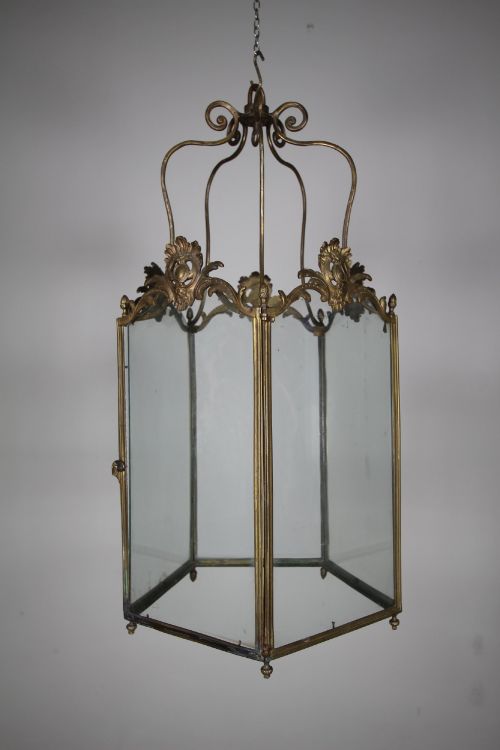
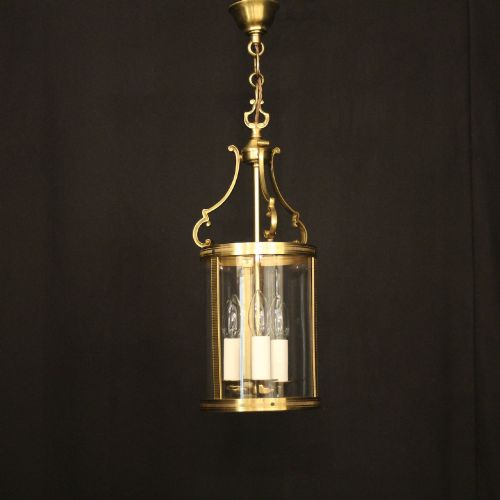
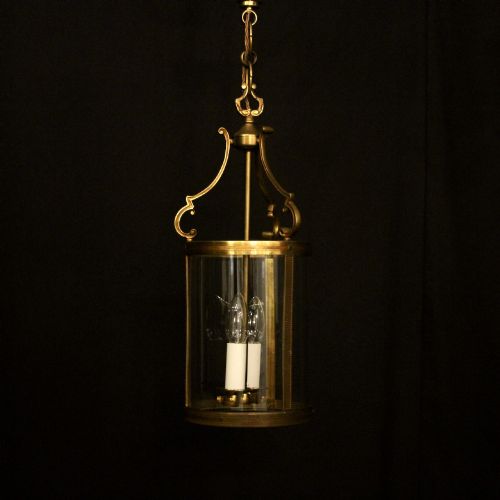
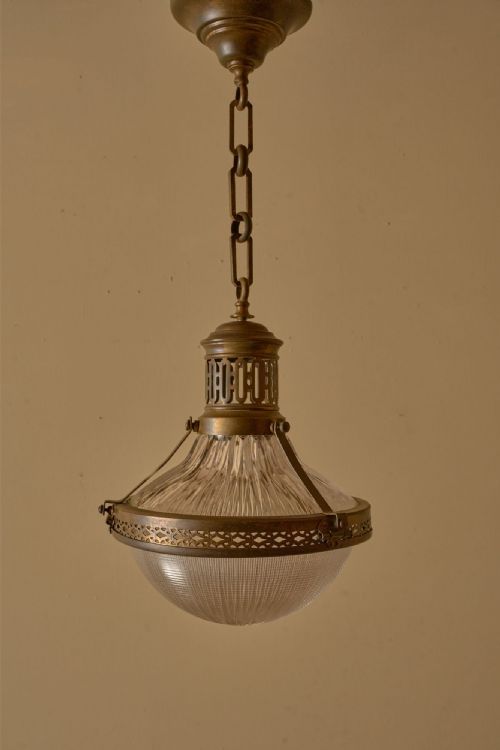
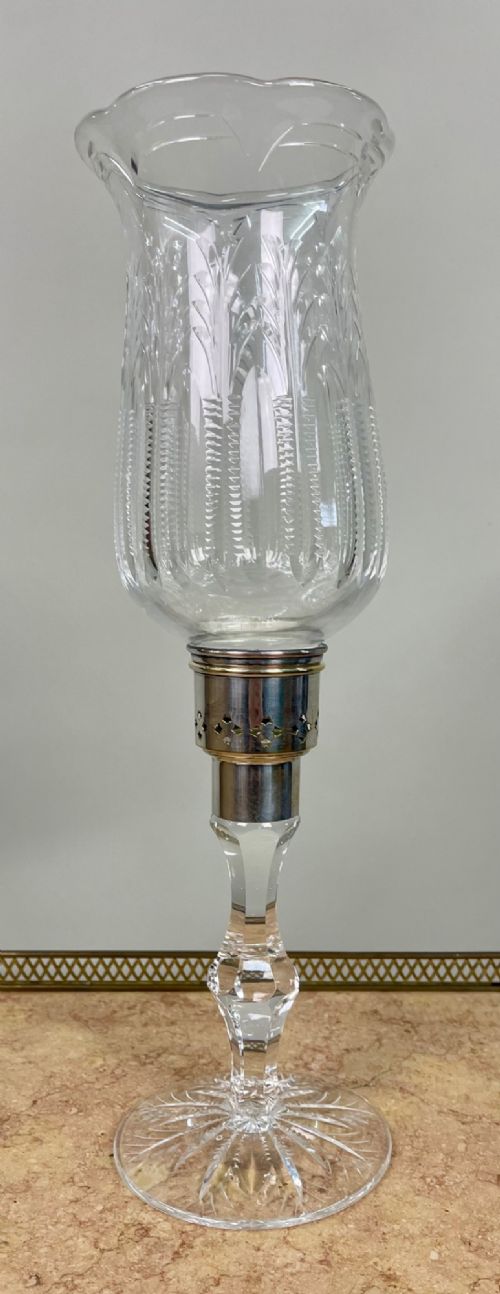
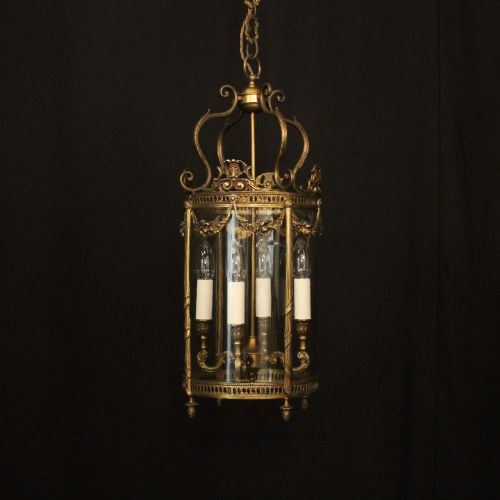
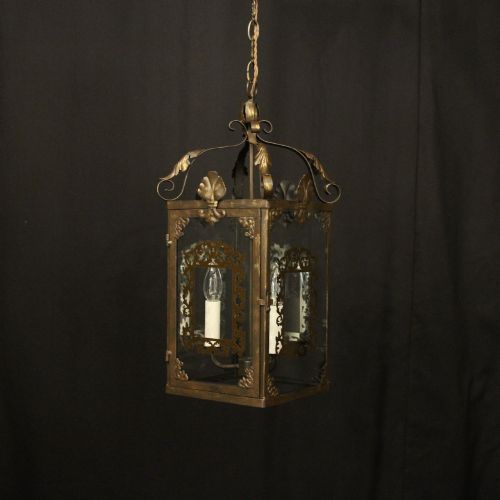
Antique lantern lights encompass hanging hall lanterns, wall-mounted carriage lights, and floor-standing pieces designed to illuminate interior spaces and entryways. When searching for antique lantern lights, buyers encounter forms ranging from simple brass brackets to elaborate French gilded bronze and cut glass creations.
The selections span the nineteenth century through the early twentieth century, taking in Victorian, Edwardian, and Art Deco periods alongside Arts and Crafts and Gothic Revival styles. Hall lanterns and pendant lights dominate the configurations, frequently incorporating glass panels or shades.
Origins stretch across English workshops, French foundries, and continental makers, utilising metals such as brass, copper, bronze, and iron combined with moulded, frosted, or stained glass.
How they were made
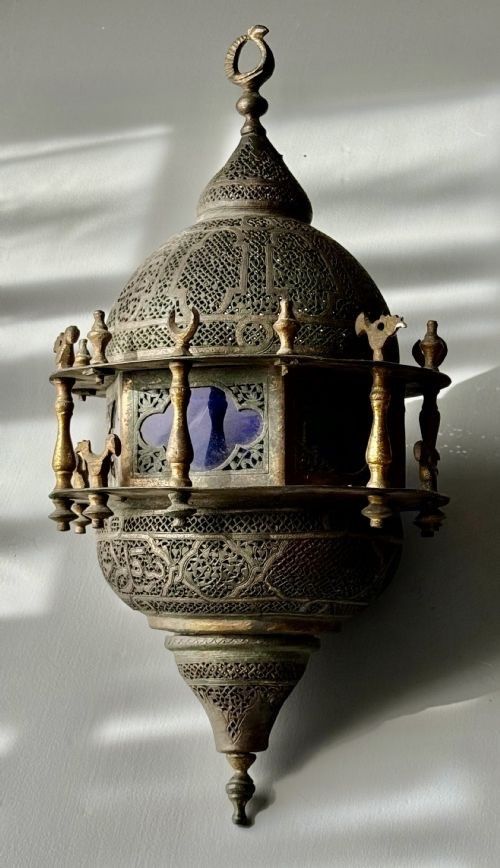
Metalworking forms the structural foundation of these pieces, employing cast or gilded bronze, beaten copper, pierced brass, and forged iron to build frames, brackets, and crowns. Artisans shaped sheet metal by hand, visible in planished copper surfaces and hand-stitched leather panels.
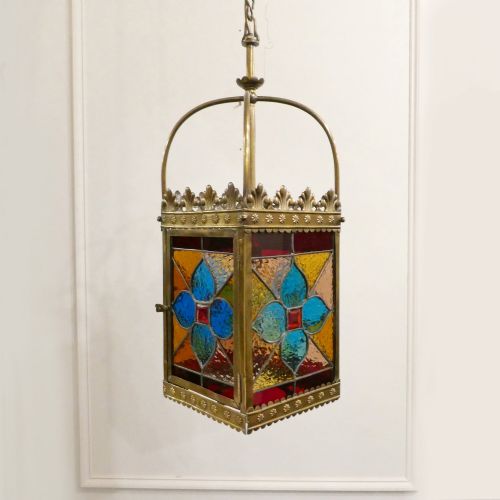
Glass integration defines the optical quality, utilising bevelled panes, moulded glass, swirl glass shades, and leaded stained-glass panels. Metal frameworks hold these glass elements together, often secured with decorative hinges, chains, or castellated crowns.
Antique Lantern Lights Retail Price Guide 2026
Typical asking prices for lantern lights among the pieces listed under this phrase on Sellingantiques today, from the lower quarter to the upper quarter. They describe what is for sale here now, not the wider market.
A carved Black Forest bear stands ready to hold a lamp, proving that Victorian lighting makers appreciated a touch of woodland theatre.
What varies in quality
The refinement of metal casting and hand-finishing separates standard production from exceptional pieces, particularly in the crispness of chased details on gilded bronze and the weight of solid brass frames. Maker attribution, seen in documented works by firms such as Faraday and Son, elevates the standing of a piece.
The complexity of glasswork and the integrity of original components dictate overall standard, with bevelled or stained glass panels and matching matching brackets representing superior craftsmanship compared to plain replacements.
Faraday and Son
The Antique Lantern Lights Glossary
- Hall lantern
- A hanging light fixture designed specifically for entrance halls, corridors, and vestibules. These typically feature glazed sides and enclosed burners or electrical fittings.
- Champlevé
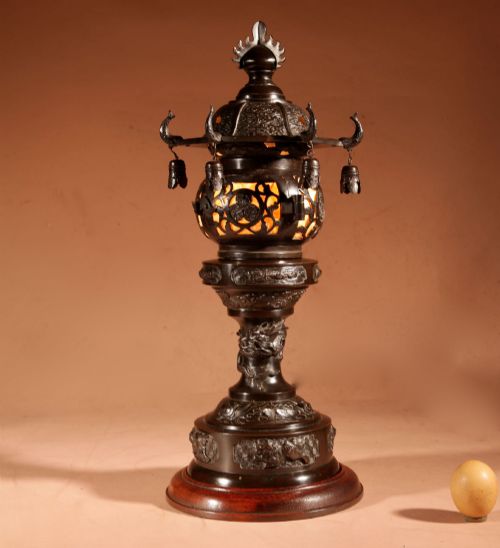
- An enamelling technique where depressions are carved into a bronze or metal surface and filled with vitreous enamel before firing. It appears on decorative Japanese and continental examples.
- Planished
- A metalworking process where the surface is hammered with a small-faced tool to create a textured, light-reflecting finish. This technique is characteristic of Arts and Crafts copper pieces.
- Tole peinte
- Painted sheet metal, most commonly tin or steel, used in decorative French wall lanterns. The painted decoration often includes parcel gilt accents.
- Moravian star
- A multi-pointed geometric lantern design constructed from framed glass panels. These pieces create distinct star-shaped shadow patterns when illuminated.
Antique Lantern Lights: Frequently Asked Questions
Where should I hang a hall lantern?
Hall lanterns suit entrance corridors, high-ceilinged stairwells, and landings where their vertical drop provides focal illumination.
Ensure adequate clearance beneath the lowest point of the lantern for foot traffic and door swings.
Are antique lanterns electrified?
Many pieces arrive converted for modern electrical wiring while retaining their period frames and glass panels.
Some earlier examples remain fitted for candles or oil, requiring careful rewiring by a specialist to meet current safety standards.
How do I identify a Victorian lantern?
Victorian examples frequently employ heavy brass, copper, or iron construction with frosted or clear glass shades designed for early oil or gas lighting.
Stylistic cues include Gothic Revival influences, robust chains, and functional brackets intended for exterior or hallway mounting.
Can exterior lanterns be used outdoors?
Wall-mounted copper and iron carriage lights were originally built for outdoor porch and street use against the elements.
Modern buyers should verify the current weatherproofing and IP rating of the electrical components before exposing them to direct rain.