







Antique Kitchen Wall Rack
An antique kitchen wall rack brings centuries of utilitarian storage and honest rural character straight to your walls.
Antique Kitchen Wall Rack
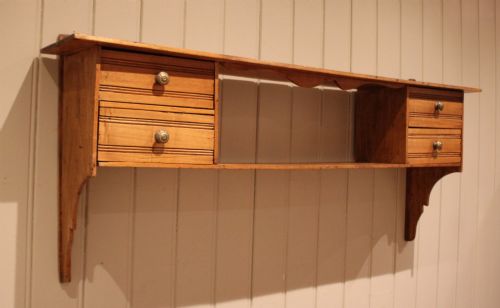
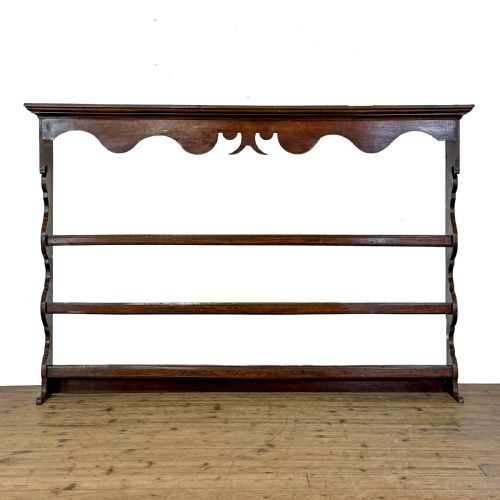
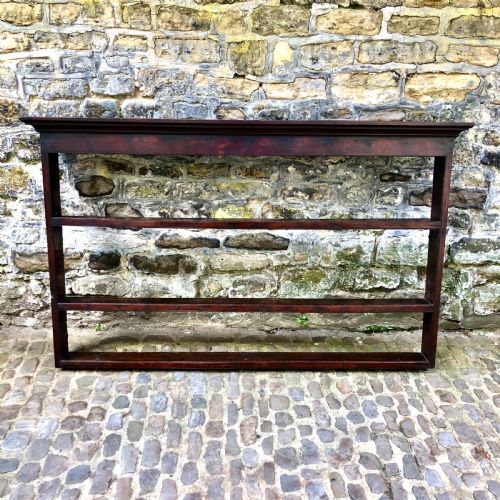
An antique kitchen wall rack is a functional domestic hanging fixture designed to hold plates, spoons, or game, serving as both storage and display in domestic spaces. These pieces range from simple open shelving to specialised spoon racks and deep delft plate racks.
Most examples found here date from the eighteenth and nineteenth centuries, spanning Georgian and Victorian country periods. They reflect the practical needs of period kitchens, where wall space was utilised to keep everyday utensils and tableware accessible and safe from damage.
The most common forms on this page include oak and pine plate racks, wall shelves, and hanging racks featuring original painted finishes or mellow patinated wood. Collectors and decorators choose them to anchor a rustic kitchen interior with genuine historical utility.
What varies in quality
The distinction between ordinary and superior pieces rests on timber selection, proportion, and the survival of original surfaces. An eighteenth-century oak rack with deep, undisturbed patination holds greater presence than a later, heavier-handed reconstruction.
Details such as fretwork panels, original pegging, and intact hanging fixtures elevate a piece above standard utility. The balance of the design, whether a slim cottage shelf or a substantial delft rack, determines its visual harmony on the wall.
Antique Kitchen Wall Rack Retail Price Guide 2026
Typical asking prices for kitchen wall rack among the pieces listed under this phrase on Sellingantiques today, from the lower quarter to the upper quarter. They describe what is for sale here now, not the wider market.
The selection includes specialised forms such as delft plate racks, spoon racks, and game hook rails dating from the seventeen-hundreds onward.
The Antique Kitchen Wall Rack Glossary
- Delft rack
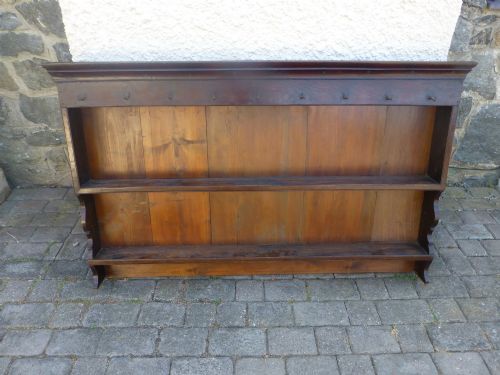
- A wall-mounted shelving unit specifically designed with narrow plate grooves and retaining rails to display tin-glazed earthenware and plates. These racks kept fragile ceramics secure against busy kitchen walls.
- Spoon rack
- A narrow hanging rack featuring notched rails or slots designed to display spoons individually by their handles. They protected silver and pewter spoons from being bent or lost in drawers.
- Game hook rack
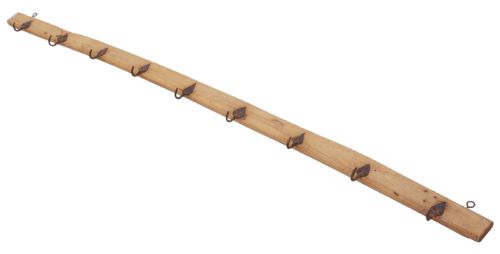
- A sturdy wooden rail fitted with metal hooks used historically for hanging game birds and meats in larders or kitchens. They combine robust ironwork with solid timber backplates.
- Fretwork
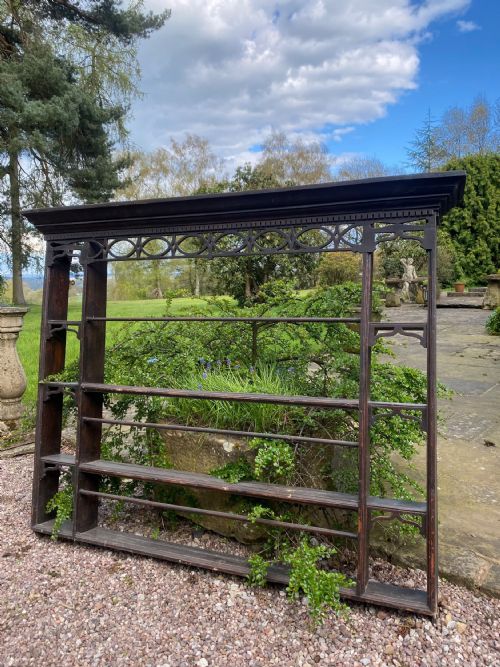
- Openwork ornamentation cut through thin boards using a fretsaw, frequently seen along the crests or aprons of eighteenth-century pine and oak racks. This decorative detail softens the otherwise utilitarian lines of country furniture.
- Patina
- The deep, lustrous surface sheen developed on wood over centuries through handling, polishing, and exposure to light. It serves as a visual indicator of age and genuine use.
Antique Kitchen Wall Rack: Frequently Asked Questions
How do I hang a heavy antique wall rack safely?
Secure the rack directly into wall studs using heavy-duty fixings that match the weight of the timber and your intended display items. Because eighteenth and nineteenth-century oak and pine racks are substantial, professional installation ensures the piece supports heavy ceramics without pulling from the wall.
Distribute the weight evenly across the hanging points provided on the original frame. Check that the backboards and hanging brackets remain structurally sound before loading plates or mugs onto the shelves.
Can I use an antique plate rack for modern crockery?
Many period plate racks accommodate modern dinnerware, though older grooves are often shallower or narrower than contemporary ceramic profiles. Measure the depth of the plate slots and the height between shelves before placing heavy modern stoneware onto the rack.
Lighter everyday crockery and antique ceramics sit securely in these traditional formats without strain. Use caution with oversized or thick contemporary plates that may not rest comfortably in eighteenth-century clearances.
How do I tell an eighteenth-century rack from a later copy?
Examine the timber surfaces for tool marks, hand-cut joinery, and the soft, undulating wear patterns associated with age. Eighteenth-century oak and pine racks typically feature pegged joints and dry, matte surfaces rather than modern adhesives or synthetic varnishes.
Look closely at the fixings, screws, and backboards to verify period construction methods. Older pine and oak acquire a distinct grain texture and colour depth that later reproductions struggle to replicate authentically.
How should I clean and maintain a painted wooden wall rack?
Dust the surfaces gently with a dry, soft cloth to prevent dirt from accumulating in the grain or carved details. Avoid commercial liquid cleaners or harsh detergents that can strip historical paint or dull the natural wax finish of old pine and oak.
Preserve original painted surfaces, such as historical pigments, by keeping the rack away from direct heat sources and strong sunlight. Occasional light waxing protects bare wood while maintaining the dry, honest character of country furniture.