


Antique Kitchen Drawers
Antique kitchen drawers bring utilitarian domestic history into daily use through sturdy pine and oak storage.
Antique Kitchen Drawers
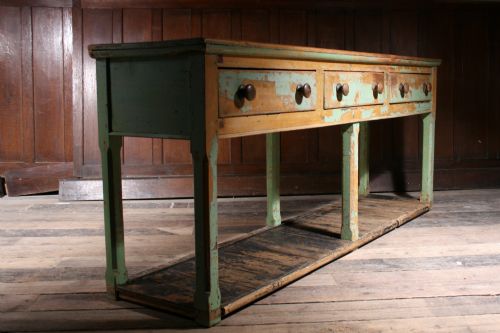
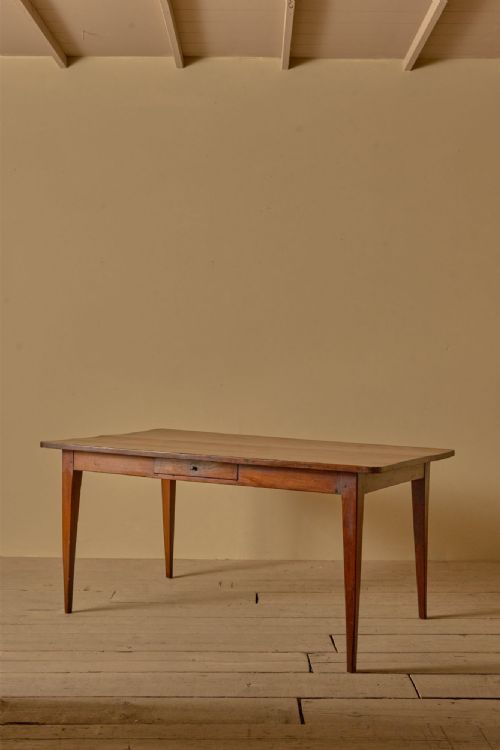
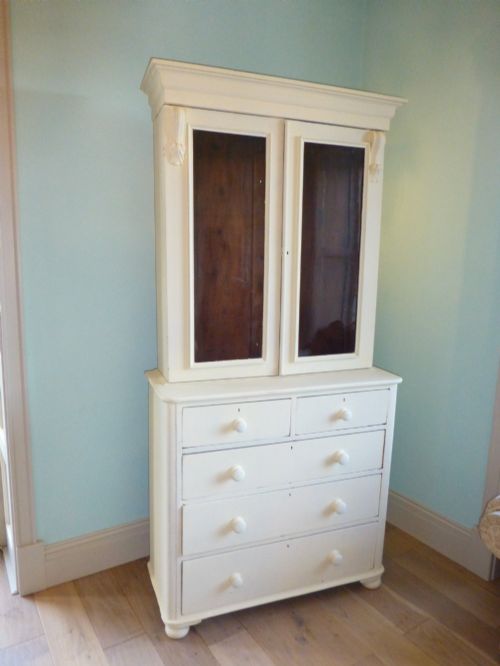
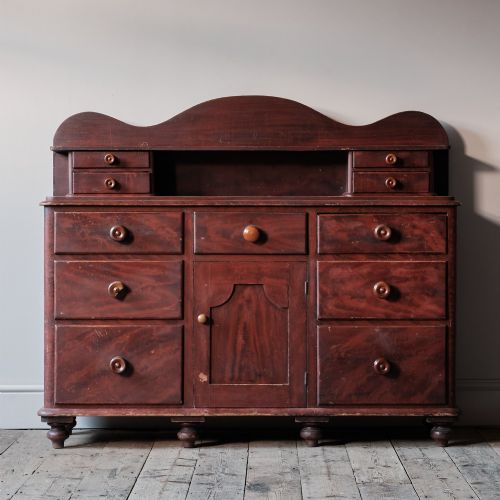
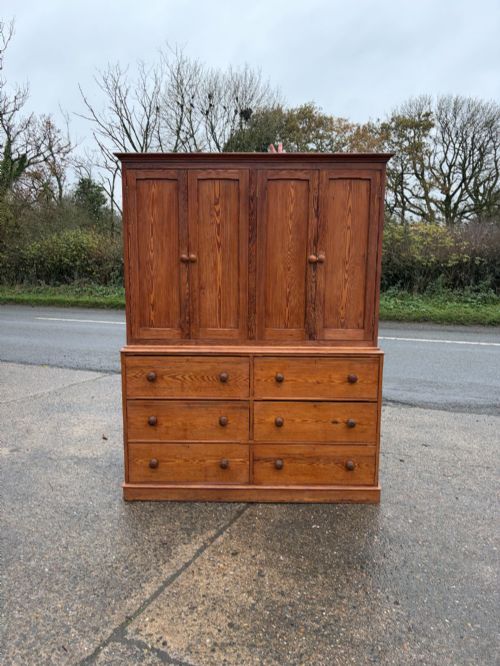
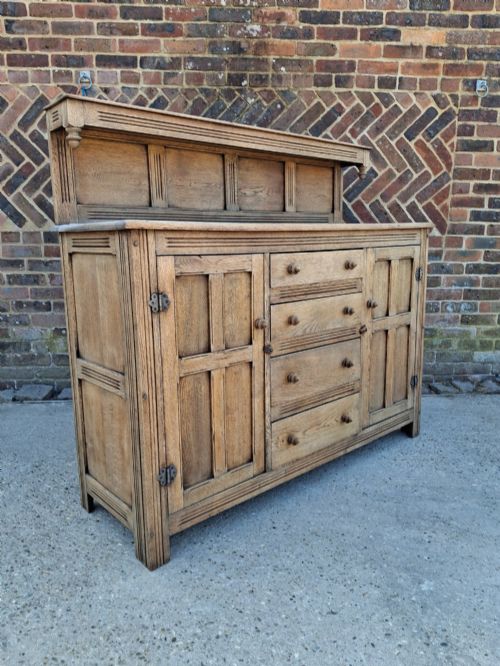
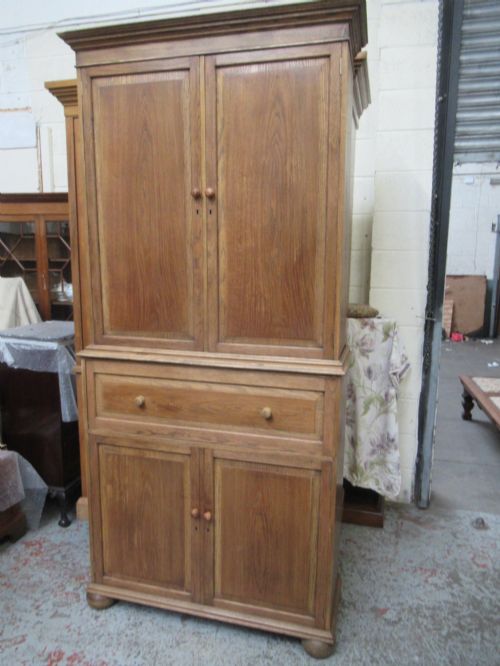
Buyers searching for antique kitchen drawers typically encounter practical storage furniture designed for daily culinary labour in past centuries. These pieces encompass dresser bases, sideboards, and work tables fitted with functional storage compartments.
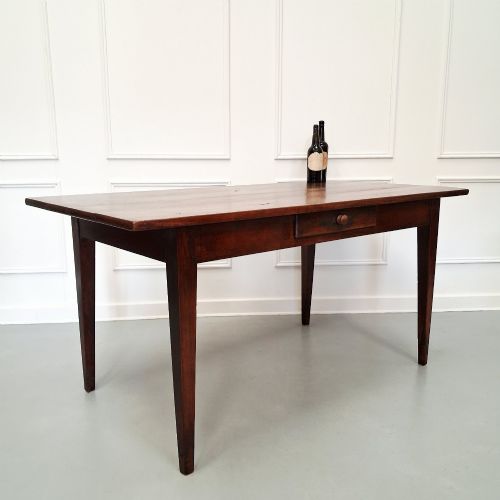
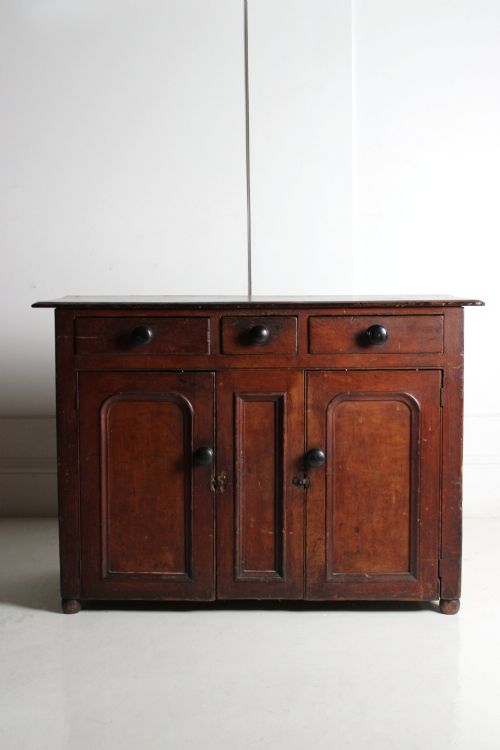
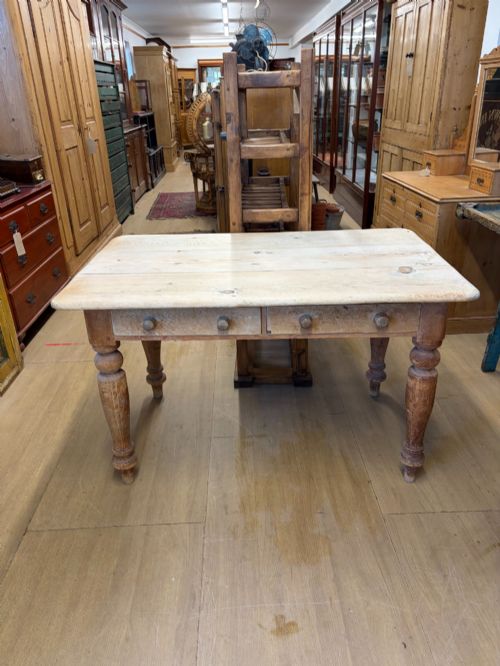
The selections on this page lean heavily towards nineteenth-century pine and oak pieces originating from English and French provincial settings. Common forms include scullery tables, dresser bases with multiple drawers, and dairy prep surfaces.
Domestic spaces of the eighteenth, nineteenth, and early twentieth centuries relied on these solid timber units for food preparation and utensil storage. Their robust construction reflects an era when kitchen furniture was built strictly for heavy utility.
How they were made
Construction relies predominantly on solid pine and oak planks, frequently paired with fruitwood or chestnut for specific regional tables and dressers. Iron and brass hardware appears on drawer pulls, hinges, and occasional drop-leaf mechanisms.
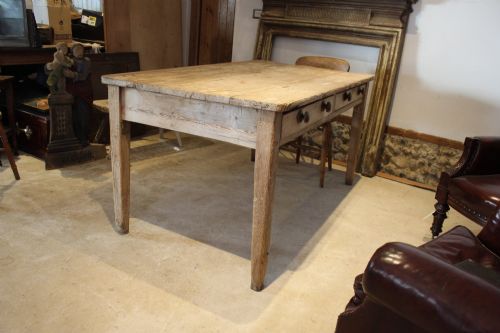
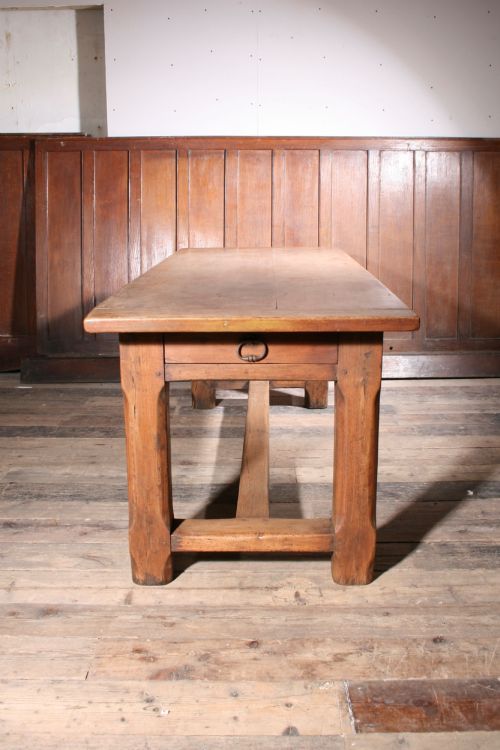
Surface finishes range from unpainted waxed timber to original historical paint layers and scrubbed tops used for heavy food preparation. Joinery techniques prioritize utilitarian durability, utilising sturdy pegged frames and sturdy timber boards designed to withstand constant wear.
Antique Kitchen Drawers Retail Price Guide 2026
Typical asking prices for kitchen drawers among the pieces listed under this phrase on Sellingantiques today, from the lower quarter to the upper quarter. They describe what is for sale here now, not the wider market.
The inventory encompasses diverse forms including dining tables, dresser bases, console prep tables, and scrubbed top scullery tables.
What varies in quality
The calibre of these pieces depends heavily on the integrity of the timber and the preservation of original surfaces like early paint or waxed patination. Thicker planks, original brass or iron hardware, and unaltered structural joinery distinguish superior examples.
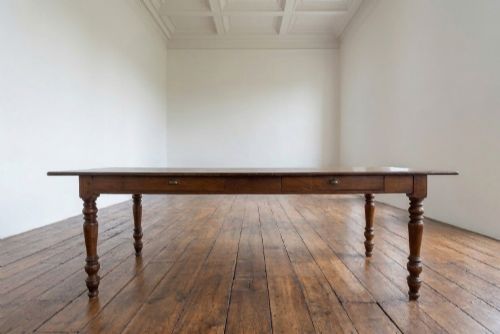
Proportion and regional carpentry traits also dictate distinction, with well-balanced proportions and refined turned legs marking out finer workshop production. Pieces retaining their authentic scullery or prep table character carry a greater historical integrity.
The Antique Kitchen Drawers Glossary
- Dresser base
- A low sideboard or cabinet featuring drawers and occasionally cupboards beneath a sturdy timber top, historically used for food preparation and storage.
- Scrubbed top
- A tabletop finished by vigorous scouring with water and sand to keep the wood clean and pale, commonly found on nineteenth-century kitchen tables.
- Potboard
- An open slatted lower shelf incorporated into eighteenth-century dresser bases, originally designed for storing heavy pots and pans.
- Refectory table
- A long, narrow dining table built for communal dining, constructed with sturdy timber legs and longitudinal stretchers for stability.
- Drop-leaf
- A tabletop design featuring hinged flaps on one or both sides that can be lowered or raised to save space when not in use.
Antique Kitchen Drawers: Frequently Asked Questions
What are antique kitchen drawers used for today?
These versatile pieces serve as functional kitchen islands, sideboards, and hallway console tables in modern homes. Their deep drawers provide practical storage for contemporary kitchen utensils and tableware.
Their sturdy timber surfaces also offer ample workspace for food preparation or display areas for decorative objects. Integrating them into modern interiors brings historical character and tactile warmth to everyday living spaces.
How do I identify a Victorian pine table?
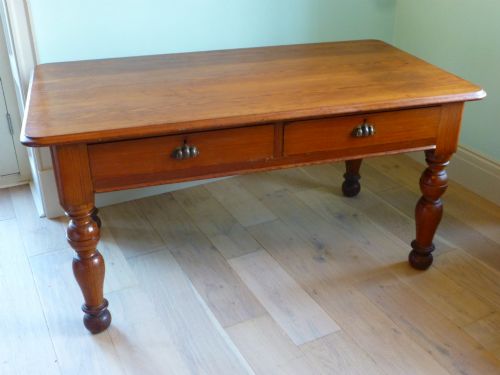
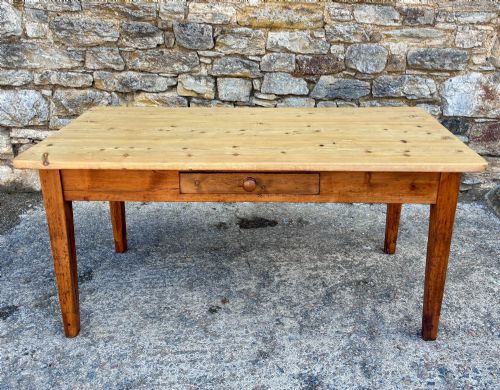
Victorian pine tables generally feature solid plank construction, turned wooden legs, and one or more integrated drawers with simple wooden or brass pulls. The timber often displays a warm honey tone developed through decades of waxing and daily use.
Examination of the underside and drawer joints reveals hand-cut joinery typical of nineteenth-century workshop production. Scrubbed top variants show the pale grain resulting from intensive historical scrubbing.
What is the difference between a dresser base and a Welsh dresser?
A dresser base consists solely of the lower cabinet section equipped with drawers and sometimes cupboards. It functions as a sideboard or low prep table without vertical superstructure.
A Welsh dresser includes an upper open plate rack attached to the dresser base for displaying ceramic plates and bowls. Both forms were essential storage staples in historic kitchens and dining rooms.
How should I care for waxed pine furniture?
Maintain waxed pine surfaces by dusting regularly with a soft, dry cloth to prevent grit accumulation. Apply a quality beeswax furniture polish periodically to nourish the wood and preserve its soft sheen.
Avoid placing these timber pieces in direct sunlight or near heat sources to prevent the wood from drying out or splitting. Use mats under hot dishes or damp items to protect the historical wax finish.