





Antique Key Display
These antique key display pieces bring fine timber and period glass together to keep your collection secure and in sight.
Antique Key Display
When you search for antique key display, you encounter a specialised selection of wall-mounted cabinets, corner cupboards, and dedicated holders designed to house and exhibit functional hardware. The pieces on this page span the Georgian, Victorian, and Edwardian eras, alongside later nineteenth and early twentieth-century examples.
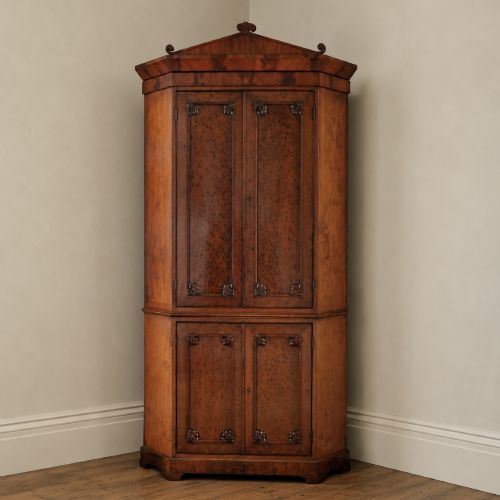
The most common forms you meet are wall-hanging glazed cabinets and fitted wooden cupboards, often retaining their original locking mechanisms and keys. These range from substantial William IV plum pudding mahogany corner cupboards to compact Edwardian display cases and night porters' lined key cupboards.
How they were made
Cabinet makers utilised dense hardwoods such as mahogany, oak, boxwood, and birds-eye maple, frequently employing glass panels to protect the contents while maintaining visibility. Selected pieces incorporate brass hardware, ormolu mounts, and ebonised wood details.
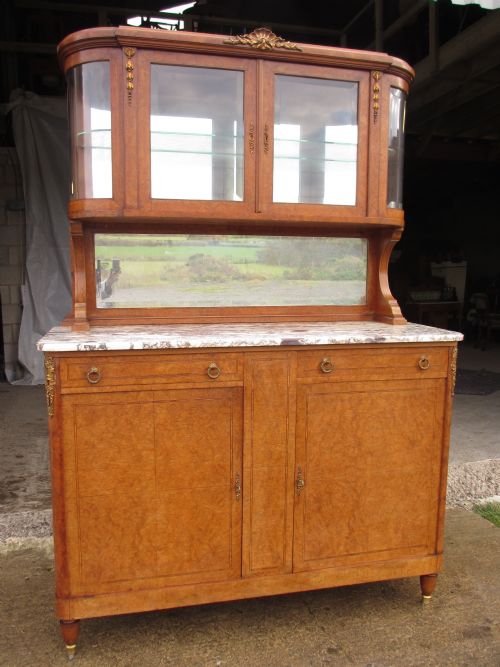
Surface finishes vary from polished mahogany grains to painted or decorated papier-mâché and marble tops. Structural joinery reflects the period of manufacture, from Georgian wall-hanging designs to Arts and Crafts construction methods.
Antique Key Display Retail Price Guide 2026
Typical asking prices for key display among the pieces listed under this phrase on Sellingantiques today, from the lower quarter to the upper quarter. They describe what is for sale here now, not the wider market.
The listings here include items made from mahogany, boxwood, oak, and birds-eye maple across six different periods.
What varies in quality
The distinction between standard examples and finer pieces lies in timber selection and decorative execution, such as the rich grain of plum pudding mahogany or figured maple. Superior cabinets demonstrate careful proportion, original glazing, and intact brass or ormolu mounts.
The presence of functional period locking mechanisms with matching keys adds to the integrity of a piece. Finer items also show skilled cabinet work in corner joints, carved details, and interior lining materials.
Wilmot
The Antique Key Display Glossary
- Plum Pudding Mahogany
- A highly figured tropical hardwood displaying dark, rounded markings reminiscent of Christmas pudding. This timber was favoured by cabinet makers for high-status Georgian and William IV furniture.
- Glazed Wall Cabinet
- A shallow wooden storage unit fitted with glass doors and hung directly onto a wall. These pieces were designed to display small collections while keeping them secure.
- Ormolu
- Gilded bronze ornamentation applied to furniture and decorative objects. It was cast and chased to add metallic highlight details to nineteenth-century pieces.
- Ebonised Wood
- Timber treated with a dark stain or finish to imitate ebony. This technique was frequently utilised during the Victorian and Aesthetic periods for decorative contrast.
Antique Key Display: Frequently Asked Questions
What are antique key display cabinets?
These are period storage units, including wall cupboards and corner cabinets, built to organise and display keys or small collectables behind glass doors.
They reflect the design styles of their eras, ranging from Georgian mahogany to Edwardian and Arts and Crafts examples.
How were key display cabinets used?
They were mounted in reception halls, night porter stations, and domestic rooms to securely store and monitor functional door and cabinet keys.
Many retain original brass hooks, linings, and locking mechanisms suited to their administrative or domestic purpose.
How do I date an antique key cabinet?
Dating relies on timber choices, construction techniques, and stylistic markers such as Victorian proportions or Edwardian details.
Listed items span the Georgian, William IV, Victorian, Edwardian, and 1930 periods, each showing distinct cabinet-making methods.
Can I hang these cabinets on the wall?
Many of these pieces are specifically constructed as wall-hanging units or corner cupboards designed for domestic or hallway installation.
Due to their solid wood construction and glass doors, secure wall fixings appropriate for the weight of hardwood and glass are necessary.
What woods were used for these cabinets?
Cabinet makers built these pieces using mahogany, oak, boxwood, birds-eye maple, and ebonised wood.
More decorative examples feature figured grains such as plum pudding mahogany or contrasting brass and ormolu hardware.