


Antique Jewellery Collector
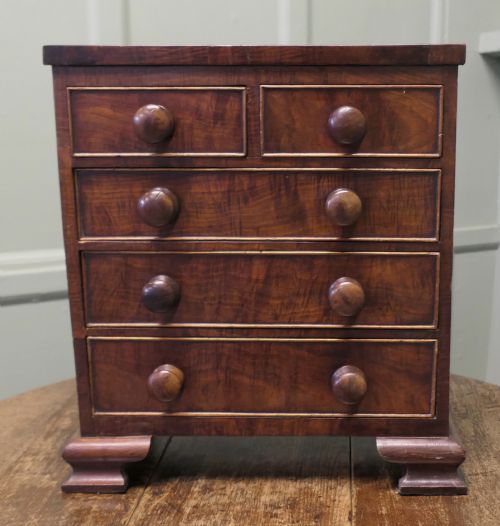
These pieces for an antique jewellery collector combine miniature scale with fine cabinetry, offering compact storage for precious items.
Antique Jewellery Collector
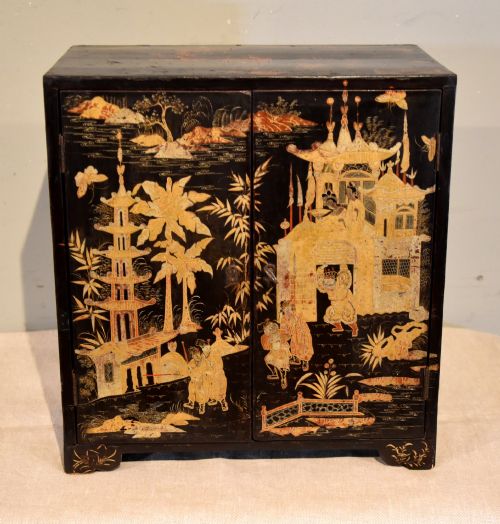
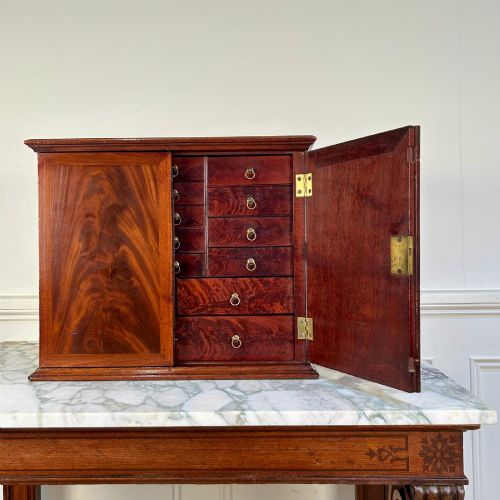
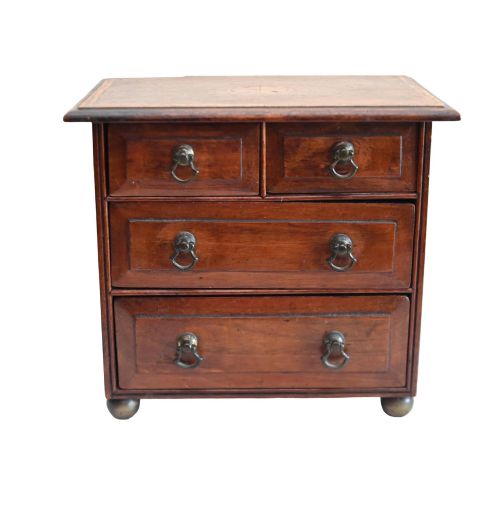
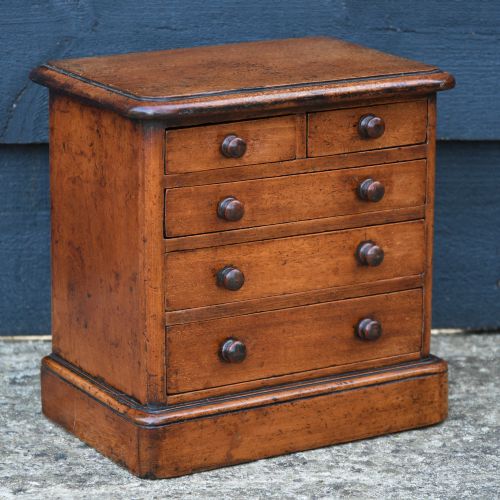
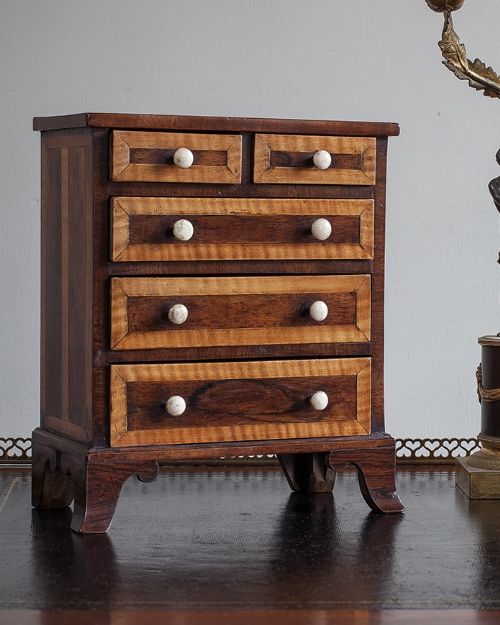
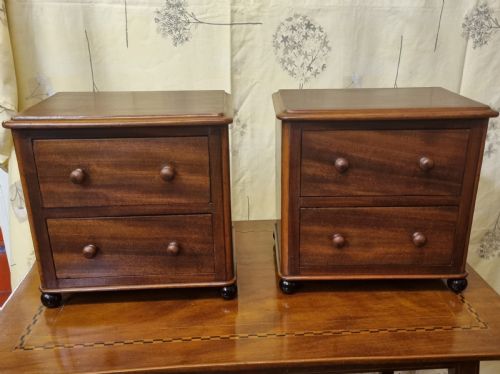
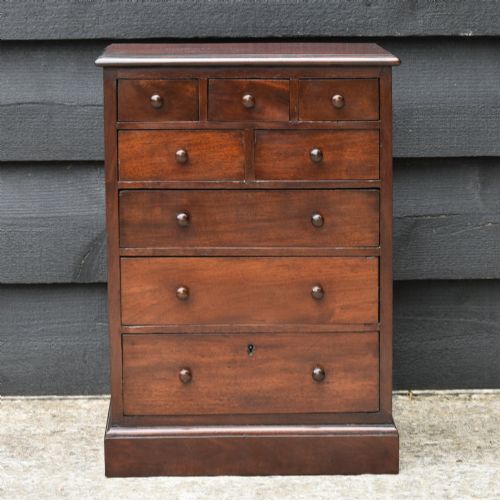
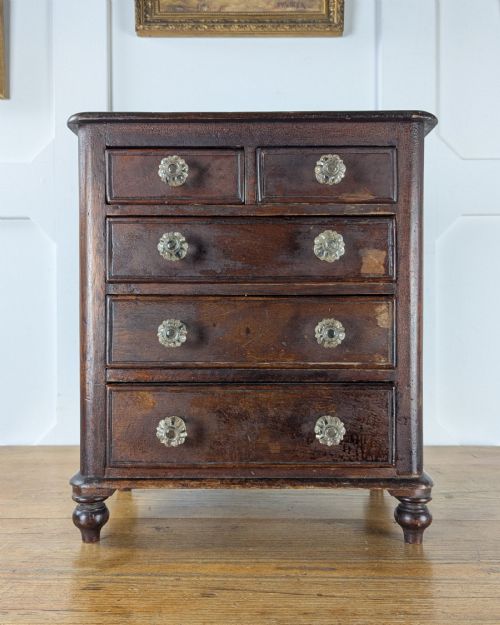
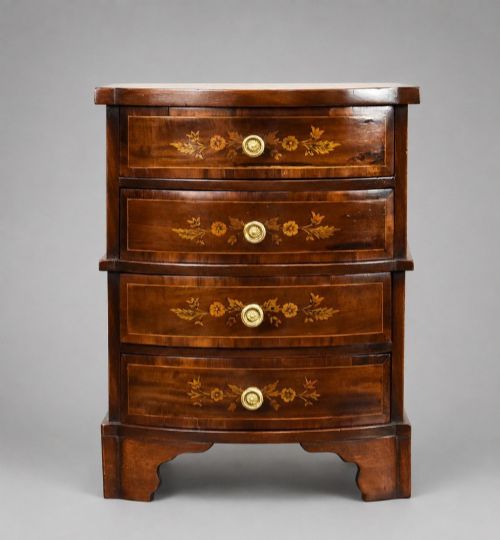
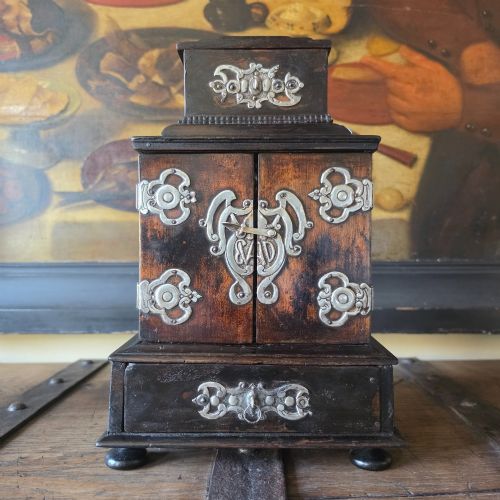
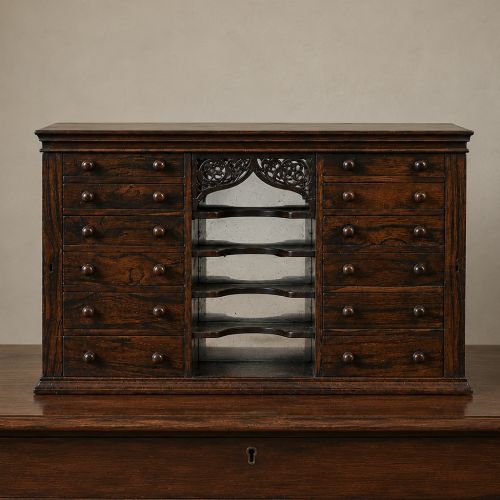
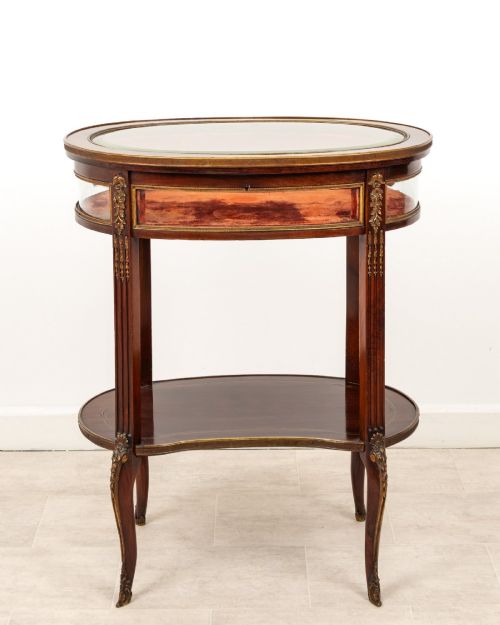
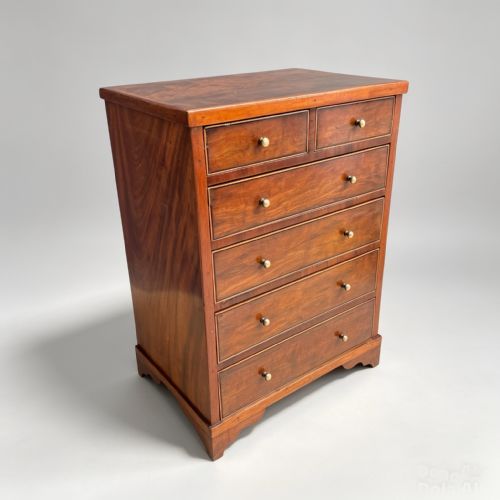
When searching for an antique jewellery collector, buyers encounter small-scale storage forms designed to house precious items safely. The pieces on this page comprise miniature chests of drawers, apprentice pieces, tabletop cabinets, and bijouterie display tables.
The selection leans heavily toward nineteenth century and Victorian items alongside Edwardian and Regency examples. Mahogany dominates the forms, accompanied by rosewood, oak, elm, and walnut.
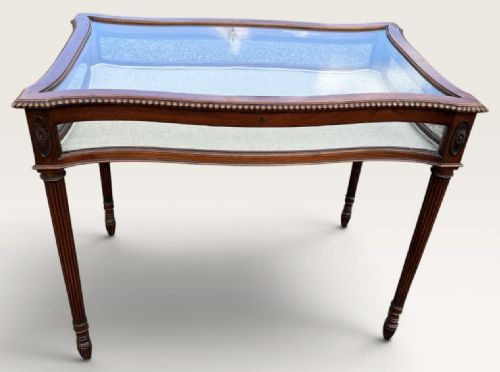
Display cases and glass-topped bijouterie tables also appear, providing visible surfaces for charms, fob seals, and small ornaments. These diverse forms reflect the varied ways earlier generations stored and displayed personal valuables.
Materials and construction methods
Cabinet makers utilised dense hardwoods such as mahogany, rosewood, and walnut to construct these miniature chests and table cabinets. Timber surfaces often display fine grain patterns, sometimes enhanced by inlay, mother of pearl, or ebonised finishes.
Display pieces incorporate glass tops and panels framed in wood, occasionally supported by brass fittings, ormolu mounts, and turned feet. Interior compartments utilise velvet linings and small-scale drawer construction to protect delicate contents.
Antique Jewellery Collector Retail Price Guide 2026
Typical asking prices for jewellery collector among the pieces listed under this phrase on Sellingantiques today, from the lower quarter to the upper quarter. They describe what is for sale here now, not the wider market.
Tiny secret drawers occasionally hide within these miniature chests, built to guard the smallest of secret treasures.
Judging the standard of manufacture
Quality rests upon the precision of the miniature scale and the proportion of the cabinetry. Finer examples display tight dovetail joints, carefully matched wood veneers, and smoothly operating small drawers.
The presence of original hardware, working keys, and intact glass or internal linings distinguishes superior pieces from later alterations. Finer display tables and cabinets integrate decorative mounts and polished surfaces with greater restraint and elegance.
The Antique Jewellery Collector Glossary
- Apprentice piece
- A small-scale item of furniture made by a craftsman to demonstrate skill before gaining master status. These often take the form of miniature chests of drawers.
- Bijouterie table
- A glass-topped display table designed specifically for showcasing small valuables, jewellery, and trinkets. They often feature hinged lids and velvet-lined interiors.
- Miniature chest of drawers
- A scaled-down version of a full-sized chest used on tabletops or dressers. They replicate the joinery and styling of larger furniture.
- Vitrine
- A glass display cabinet or case designed to protect and exhibit small objects. These pieces utilise glass panels on multiple sides for maximum visibility.
Antique Jewellery Collector: Frequently Asked Questions
How were these miniature chests used?
Past owners utilised these small cabinets on tabletops and dressers to keep precious items, seals, and charms organised and secure.
Many incorporated velvet linings and small drawers specifically designed for delicate personal possessions.
How do I identify a Victorian piece?
Victorian items frequently employ solid mahogany or walnut, often featuring turned feet, brass details, and hand-cut dovetail joints in the miniature drawers.
Stylistic cues link them directly to nineteenth-century cabinet making traditions seen across these listings.
Where should I place a display table?
Bijouterie and display tables suit tabletop placement in reception rooms where their glass tops can protect and showcase collections.
Positioning them away from direct sunlight preserves both the timber frames and the delicate items displayed inside.