




Antique Jewellery Collector Pieces
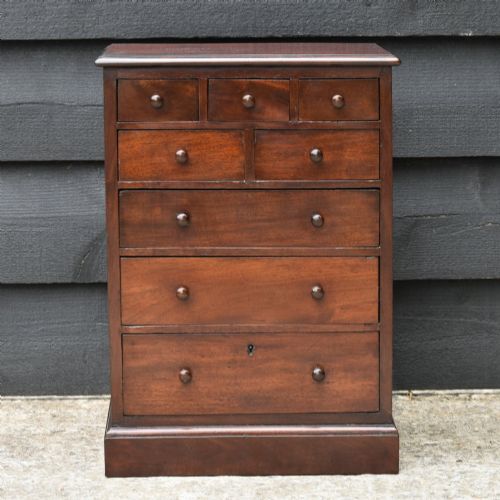
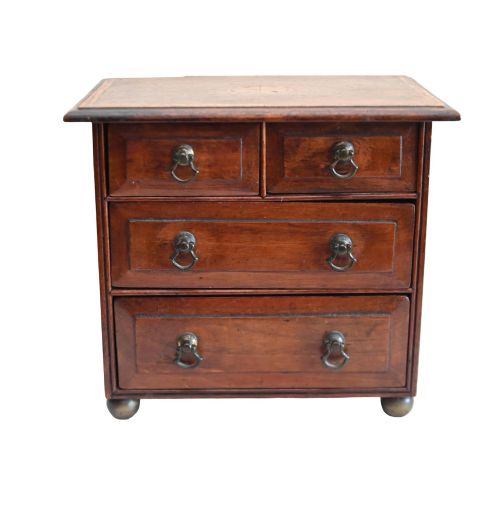
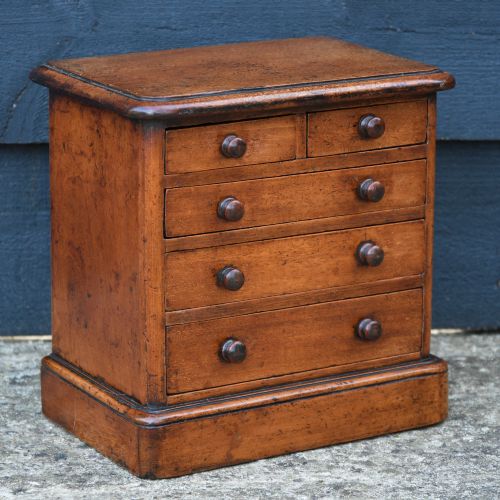
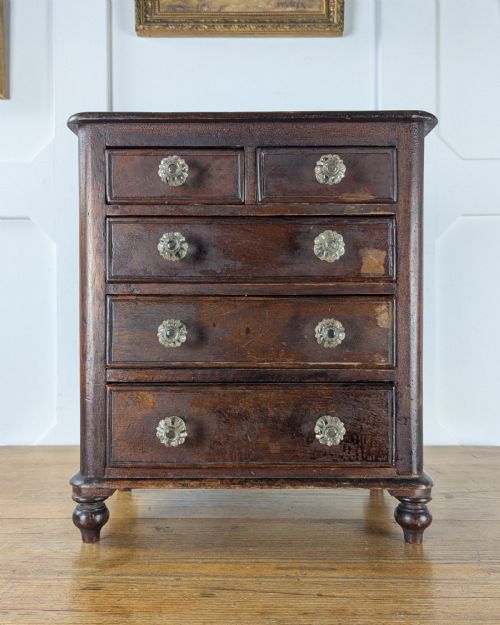
These antique jewellery collector pieces are miniature chests, cabinets, and rings built by skilled hands to hold small treasures.
Antique Jewellery Collector Pieces
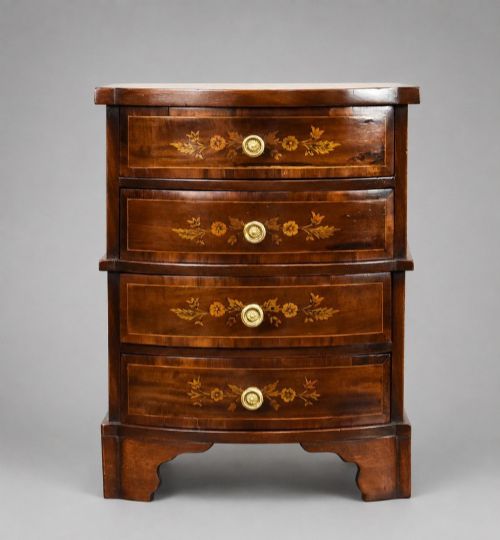
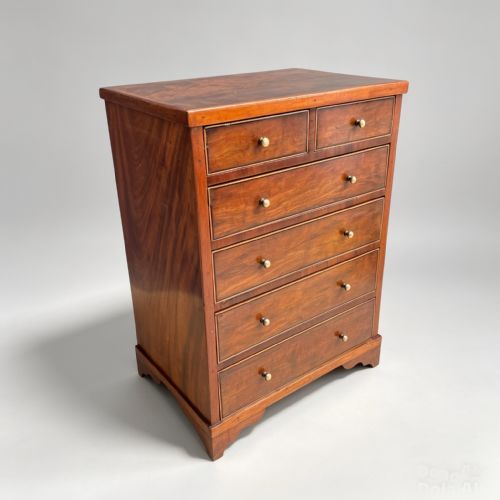
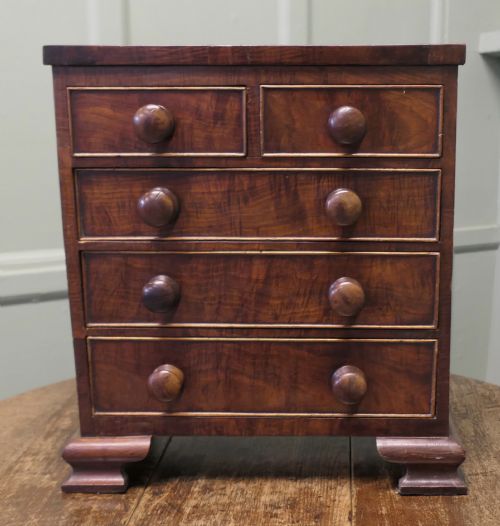
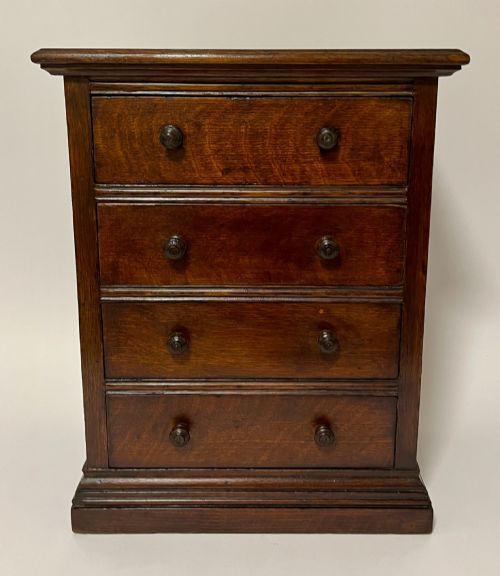
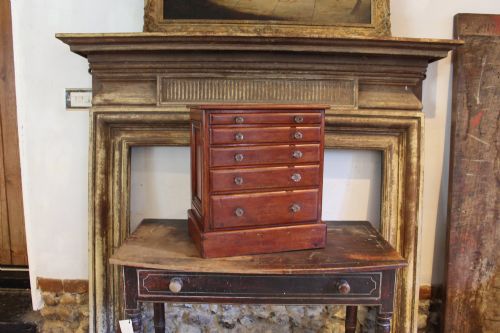
Antique jewellery collector pieces comprise small-scale items such as miniature chests of drawers, apprentice pieces, tabletop cabinets, and diamond rings. These objects bridge the gap between functional storage and decorative art, designed specifically to contain rings and small valuables.
The primary forms found here are miniature chests of drawers and tabletop cabinets dating from the Georgian, Victorian, and Edwardian eras. Mahogany and various woods dominate the construction, often mirroring full-sized furniture styles like the George III period or Art Deco movements.
How they were made
Cabinet makers utilised dense hardwoods such as mahogany, rosewood, oak, and walnut, frequently pairing them with secondary softwoods like pine. Surfaces often display careful details including ebonised mouldings, turned feet, and mother-of-pearl inlay.
In the realm of jewellery, precious metals like platinum were combined with old-cut diamonds to produce intricate plaque rings. Miniature drawer units involved sophisticated dovetail joinery and secret compartments scaled down from domestic furniture.
Antique Jewellery Collector Pieces Retail Price Guide 2026
Typical asking prices for jewellery collector pieces among the pieces listed under this phrase on Sellingantiques today, from the lower quarter to the upper quarter. They describe what is for sale here now, not the wider market.
Several miniature chests include hidden secret drawers designed to outsmart prying eyes.
What varies in quality
Proportion and scale separate ordinary workshop exercises from master cabinet maker demonstrations. The finest apprentice pieces retain exact architectural ratios and crisp mouldings that mirror domestic furniture without looking clumsy.
Patina and timber selection dictate value among wooden chests, with rich, unblemished grain patterns commanding attention. For rings, the precision of platinum work and the cut of the diamonds determine the upper tier.
The Antique Jewellery Collector Pieces Glossary
- Apprentice piece
- A miniature furniture item created by a trainee craftsman to demonstrate mastery of joinery techniques to a guild. These pieces replicate full-size chests and cabinets on a reduced scale.
- Bowfront
- A curved cabinet front that swells outward in the centre. This style appears frequently on nineteenth-century miniature chests.
- Plaque ring
- A flat, geometric ring face densely set with small gemstones. Art Deco examples typically showcase old-cut diamonds in platinum.
- Patina
- The surface sheen and deep colour developed by aged wood through handling and waxing over decades. Collectors prize pieces with a warm, undisturbed glow.
- Tabletop cabinet
- A small enclosed shelving or drawer unit designed to sit on a desk or table. These served to organise letters, specimens, or small trinkets.
Antique Jewellery Collector Pieces: Frequently Asked Questions
What are apprentice chests?
Apprentice chests are miniature furniture models built by trainees to prove their woodworking skills to master craftsmen.
These small chests duplicate full-scale drawers and joinery in precise miniature proportions.
How were tabletop cabinets used?
Tabletop cabinets functioned as desktop storage for small valuables, documents, and natural history specimens.
Their compact size allowed owners to keep precious items close at hand in studies or parlours.
What woods were commonly used?
Cabinet makers built these miniature pieces using dense hardwoods like mahogany, rosewood, oak, walnut, and elm.
Secondary timbers such as pine and bone occasionally appeared in interior drawer linings and decorative inlays.
How do I identify a Georgian miniature?
Georgian miniature pieces display characteristic period joinery, understated brass hardware, and straight or bow-front profiles.
Timber choice also helps, as mahogany and oak predominated during the eighteenth and early nineteenth centuries.