






Antique Italian Pier Glass
An antique italian pier glass brings monumental presence and reflective depth to a room, framed in gilded wood or painted surfaces.
Antique Italian Pier Glass
An antique italian pier glass stands as a tall wall mirror historically designed to hang on the pier wall between two windows. These pieces often arrive paired with console tables or appear as standalone wall mirrors in various regional styles.
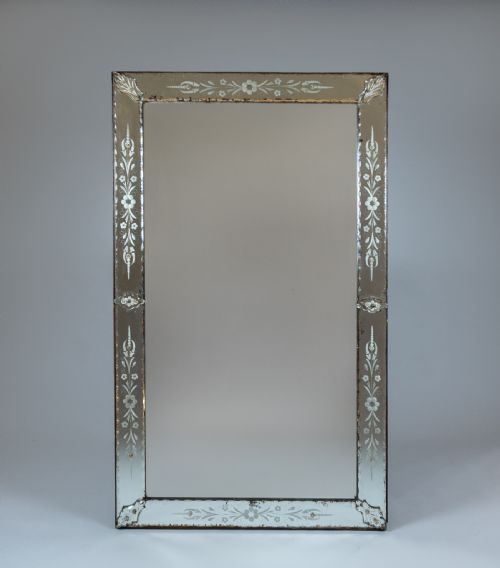
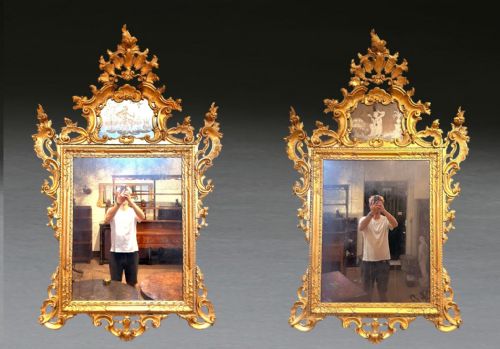
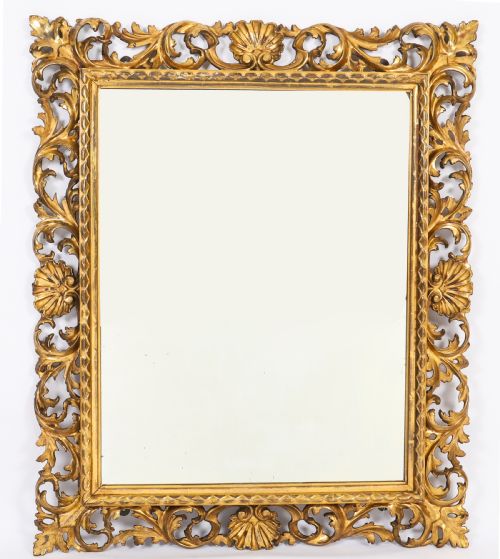
The selection ranges across several centuries, encompassing eighteenth-century creations through nineteenth-century revivals. Buyers encounter Venetian productions alongside Florentine baroque designs and neoclassical wall mirrors.
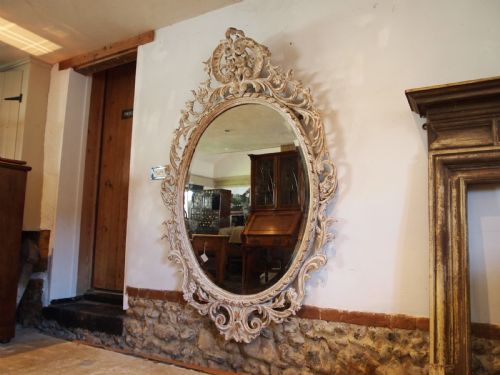
Forms include large dressing mirrors, overmantle formats, and crested giltwood frames. Walnut and marble elements occasionally accompany the primary wooden and glass structures.
How They Were Made
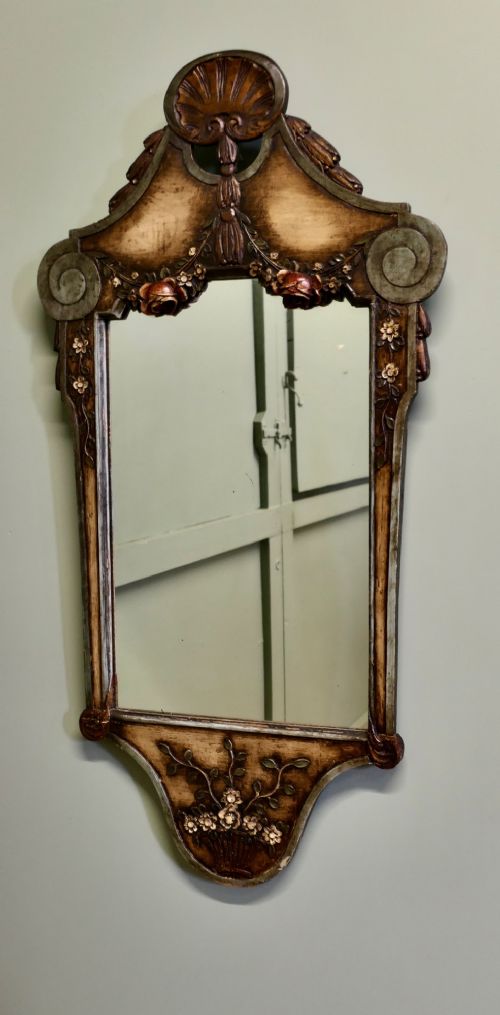
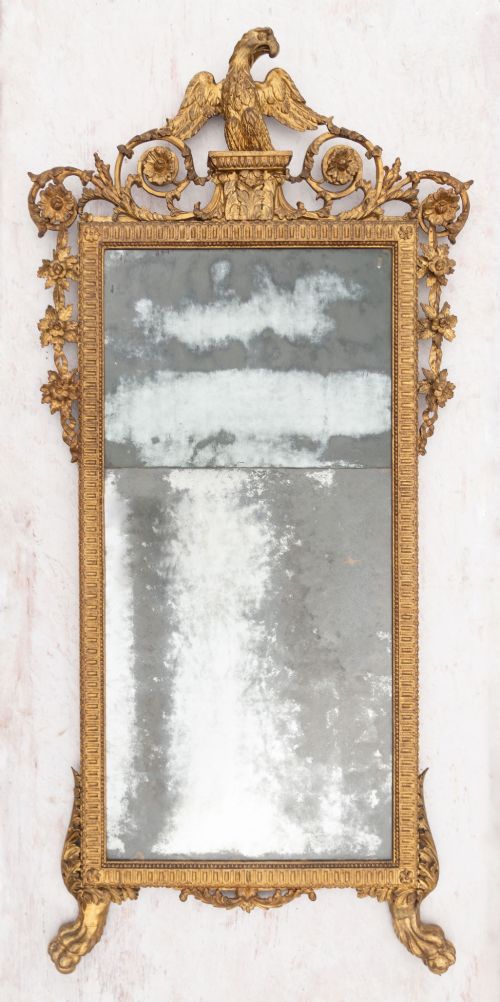
Carved wood provides the structural foundation for many examples, often layered with gesso before receiving application of gold leaf or paint. Artisans shaped intricate floral and architectural motifs by hand into the timber.
Mirror glass plates reflect historical manufacturing methods, sometimes featuring etched designs or silver-leaf treatments. Marble sees use in associated console tables, paired with gilded or painted woodwork.
Antique Italian Pier Glass Retail Price Guide 2026
Typical asking prices for italian pier glass among the pieces listed under this phrase on Sellingantiques today, from the lower quarter to the upper quarter. They describe what is for sale here now, not the wider market.
Some towering eight-foot frames demand high ceilings, proving that historical interior designers shared a healthy appetite for drama.
What Varies in Quality
The crispness and depth of the wood carving distinguish superior examples from simpler production. Skilled hand-carving yields intricate relief work in the gesso and giltwood, whereas lesser pieces show softer, less defined ornamentation.
The integrity of the original plate glass and the richness of the gilding or hand-painted decoration dictate the visual impact. Original surfaces retain a warmth and patina that later interventions alter.
The Antique Italian Pier Glass Glossary
- Pier glass
- A tall mirror designed specifically for the wall space between windows. It frequently matches a console table placed directly beneath it.
- Giltwood
- Timber coated with gold leaf over a prepared gesso ground. This treatment gives mirrors their characteristic metallic brilliance and warmth.
- Gesso
- A plaster mixture applied to wood frames to create a smooth surface for gilding or painting. It allows carvers to achieve fine detail in relief ornamentation.
- Overmantle mirror
- A long horizontal or tall vertical mirror designed to hang above a fireplace mantel. These pieces dominate the chimney breast in period interiors.
- Neoclassical
- A style drawing inspiration from classical antiquity, characterised by symmetry and restrained classical motifs. Frames from this period display straight lines and architectural proportion.
Antique Italian Pier Glass: Frequently Asked Questions
Where should I hang a pier glass?
Historically, these tall mirrors belonged on the narrow wall space between two windows to maximise natural light in a room. Today, they work effectively on any substantial wall where vertical height draws the eye upward.
Ensure the wall construction supports the considerable weight of carved wooden frames and glass plates. Positioning them opposite a window helps amplify daylight throughout the interior space.
Did these mirrors always come with tables?
Some examples were created as matched console table and mirror sets, designed to function as a unified architectural unit in a grand reception room. Others were produced simply as wall mirrors or pier glasses to hang independently above existing furniture.
Console tables accompanying these mirrors often feature marble tops supported by carved and gilded wooden bases. Over time, mirrors and tables occasionally became separated, though matching sets still appear.
How do I identify an eighteenth-century piece?
Eighteenth-century examples display the distinctive hand-carved techniques and proportions typical of baroque, rococo, or neoclassical movements of the period. The materials reflect period practices, utilising traditional gesso, gold leaf, or hand-applied paint over timber.
Examining the construction behind the frame reveals period joinery methods and ageing patterns in the wood. Mirror plates from this era also exhibit subtle distortions and handmade characteristics absent in later manufacturing.
What is the difference between Venetian and Florentine styles?
Venetian mirrors frequently incorporate etched glass elements and silver-leaf treatments, reflecting the city's historic dominance in glassmaking. These designs often focus on ornate glass borders and luminous reflective surfaces.
Florentine styles lean heavily into deeply carved giltwood frames adorned with rich foliage and scrolls. The emphasis rests on sculptural wooden craftsmanship rather than intricate glass work.