


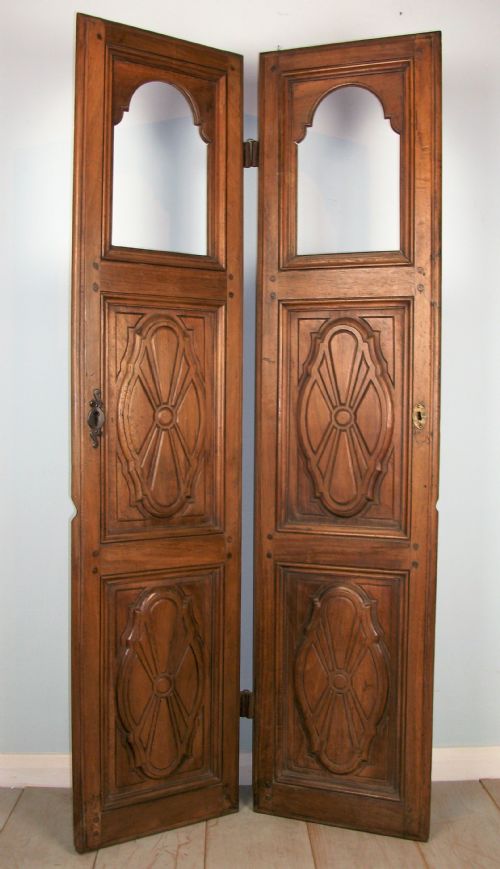


Antique Italian Door
An antique italian door brings heavy timber, forged iron and centuries of regional craftsmanship directly into your interior architecture.
Antique Italian Door
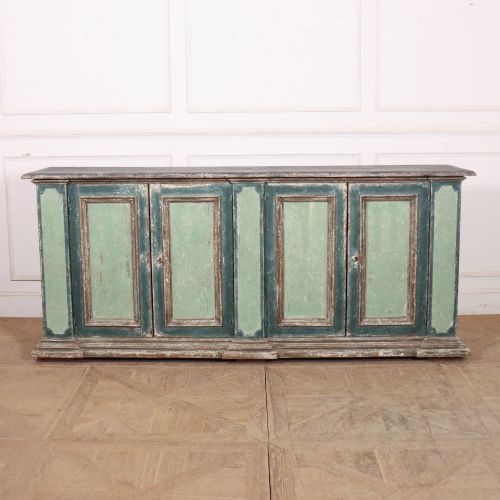
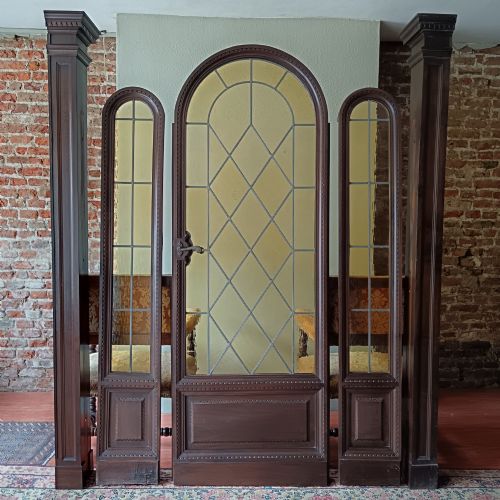
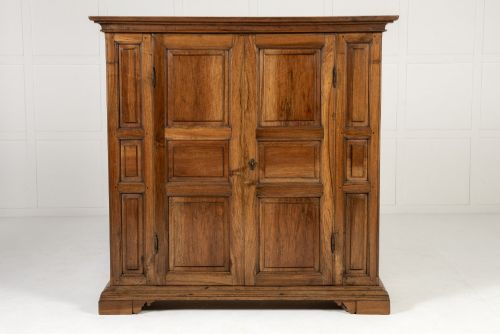
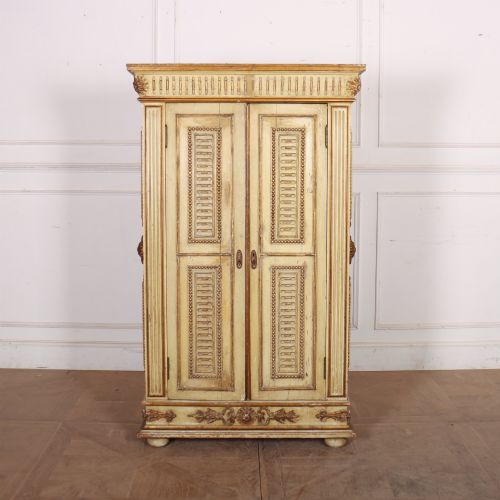
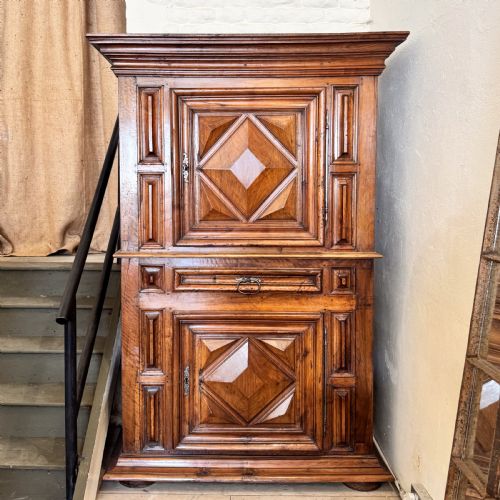
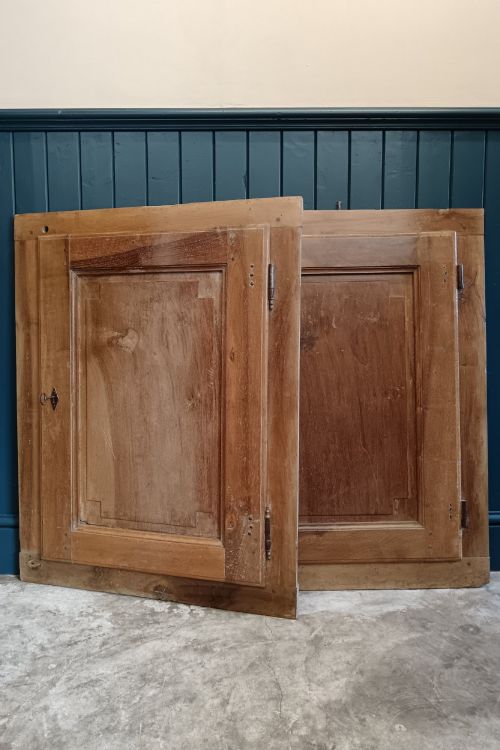
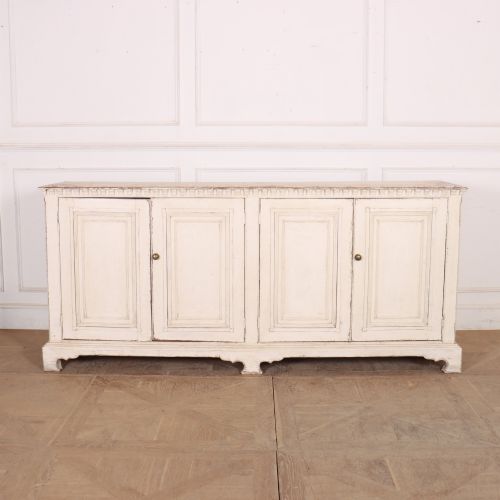
You are most likely to meet solid walnut or painted pine examples originating from provincial houses, country villas and urban palazzos. The selection includes paired cupboard doors and arched door frames designed to partition historic spaces or serve as striking decorative wall panels.
The regional diversity ranges from strict neoclassical symmetry to exuberant provincial paintwork and baroque carving. These heavy timber fittings retain their original iron hardware and patinated surfaces, reflecting the domestic architecture of past Italian centuries.
Materials and construction methods
Local joiners built these architectural fragments using dense hardwoods such as walnut, alongside softer pine and tulipwood for secondary elements. Timber panels were frequently assembled using traditional pegged mortise and tenon joints to withstand decades of heavy daily use.
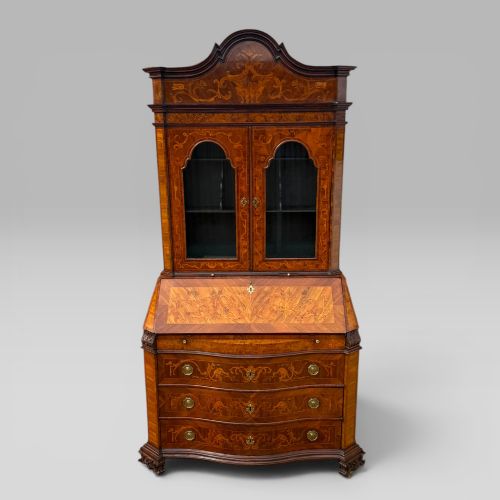
Surface decoration relies heavily on polychrome paint, gold leaf and intricate marquetry, particularly on Venetian and provincial pieces. Iron and brass hinges, locks and latches were hand-forged by local blacksmiths to secure the heavy timber leaves.
Painters applied multiple layers of pigment over gesso or direct wood, creating weathered finishes that now show centuries of natural wear. Carved details, such as baroque cherub heads, were worked directly into the solid wood before finishing.
Antique Italian Door Retail Price Guide 2026
Typical asking prices for italian door among the pieces listed under this phrase on Sellingantiques today, from the lower quarter to the upper quarter. They describe what is for sale here now, not the wider market.
The documented inventory spans from the seventeenth-century baroque carvings through to 1930s storage cupboards, utilising walnut, iron, brass and painted pine.
Evaluating craftsmanship and condition
The distinction between standard utility doors and exceptional architectural fragments lies in the depth of hand-carved ornamentation and the integrity of the original timber. Superior examples display dense, figured walnut grain and untouched ironwork forged specifically for the opening.
Painted surfaces show variation from simple utilitarian coats to sophisticated polychrome schemes with surviving gilding. The survival of complete matched pairs with their original frames marks the upper tier of architectural salvage.
Proportion and architectural presence dictate the visual impact of each piece within a modern room. Well-balanced panel proportions and crisp joinery separate standard rustic carpentry from the work of skilled provincial joiners.
The Antique Italian Door Glossary
- Architectural salvage
- Building elements rescued from demolition or renovation for reuse in interior design. These pieces retain historic character and material authenticity.
- Marquetry
- Decorative veneer work using various coloured woods to create pictorial designs on furniture and panels. Master craftsmen cut these thin wood sections to fit flush together.
- Polychrome
- Decorated in multiple colours, often found on historic painted furniture and architectural woodwork. This finish was traditional in many Italian provinces.
- Enfilade
- A suite of rooms formally aligned with doorways in a straight line, or a long low storage cabinet developed from this layout. The term describes both spatial arrangement and furniture format.
- Pedestal cupboard
- A freestanding storage cabinet supported on a raised plinth or pedestal base. These compact units appeared frequently in eighteenth-century Tuscan interiors.
Antique Italian Door: Frequently Asked Questions
How do I install an antique door?
Installation requires professional carpentry because historic timber frames and heavy walnut leaves rarely conform to modern standard openings. Joiners typically mount the heavy leaves using reinforced pivots or adapted traditional strap hinges.
Allowance must be made for centuries of timber movement and uneven edges. Many buyers choose to mount these pieces as fixed wall panels or decorative screens rather than functional entryways.
Are these doors suitable for exterior use?
Most historic Italian timber elements are unsuited for direct exposure to modern northern European weather conditions. Centuries of indoor or sheltered courtyard placement mean the historic woods and water-based paints lack modern weatherproofing.
Protected interior hallways or dry interior partitions provide the ideal environment for preserving fragile polychrome paint and dry walnut. Exterior installation requires custom secondary glazing or protective overhangs.
How should I clean painted wood?
Maintenance requires dry dusting with a soft microfibre cloth to remove particulate matter without disturbing fragile historic pigments. Avoid modern chemical solvents, commercial wood polishes and excess water entirely.
If deeper cleaning is necessary, consult a specialist conservator who understands traditional tempera and oil paint layers. Preserving the dry, chalky surface patina maintains the historical integrity of the piece.
Can I alter the height?
Trimming historic timber compromises the structural proportion and destroys original joinery at the base or top rail. Professional restorers generally advise against cutting antique door leaves to fit restricted spaces.
Instead, incorporate the full height into the room design by adjusting the surrounding wall opening or floor level. Preserving the original dimensions maintains the authentic silhouette created by the eighteenth or nineteenth-century joiner.