



Antique Iron Scales
Antique iron scales are robust mechanical instruments of utility, offering enduring character and functional history for modern interiors.
Antique Iron Scales
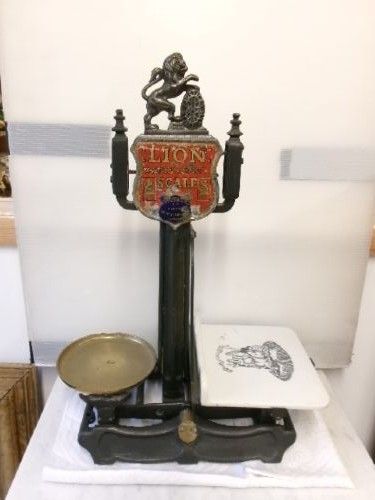
When you search for antique iron scales, you encounter utilitarian instruments designed for trade, domestic kitchens, and commercial shops across the eighteenth, nineteenth, and early twentieth centuries. These pieces encompass balance scales, kitchen scales, quick action models, and butcher's balance scales utilised for precise measurement in daily commerce. The most common examples you meet on this page hail from the Victorian period, alongside Edwardian and earlier Georgian iterations.
Beyond standard shop counters, the material evidence reveals variants associated with specific trades, such as advertising sausage scales and doctor's scales. Origins span domestic British workshops as well as French, German, Dutch, and American makers, reflecting widespread industrial production. Their forms range from sturdy cast iron frames with brass pans to wrought iron structures paired with copper and wood.
How they were made
Makers relied primarily on cast iron and wrought iron to provide heavy, stable foundations capable of withstanding constant daily stress. These iron elements were frequently combined with copper, brass, and steel components for balance beams, indicators, and weighing pans.
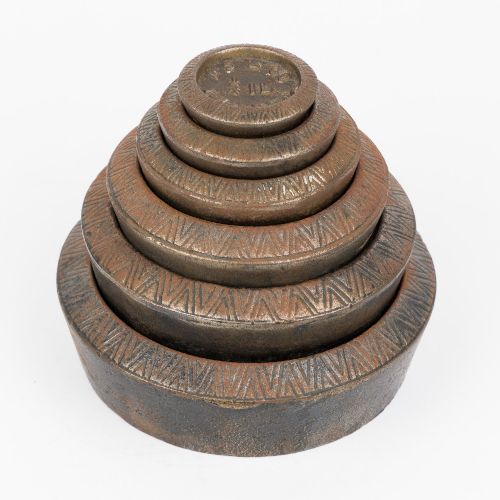
Structural integrity depended on precise metalworking techniques, uniting durable ferrous metals with non-ferrous details like bronze and brass. Secondary materials such as hardwood occasionally formed supportive bases or handles, completing the composite construction of these weighing devices.
Antique Iron Scales Retail Price Guide 2026
Typical asking prices for iron scales among the pieces listed under this phrase on Sellingantiques today, from the lower quarter to the upper quarter. They describe what is for sale here now, not the wider market.
Some iron scales retain the distinct weight of nineteenth-century butcher shops, having once measured sausages and daily provisions for hungry Victorian households.
What varies in quality
Quality in these instruments rests upon the retention of original components, such as matching pans, paired weights, and legible maker markings stamped into the metal. Finer examples display superior casting precision and smooth articulation within the balance mechanism rather than mere decorative appeal.
The degree of preservation across the iron, copper, and brass surfaces dictates the visual standing of each piece, distinguishing utilitarian survivals from workshop masterworks.
Herbert & Sons London·Fairbanks Scale Co
The Antique Iron Scales Glossary
- Cast iron
- A hard, relatively brittle alloy of iron and carbon that can be readily cast in a mould. It provides the heavy, rigid base necessary for accurate weighing instruments.
- Balance scales
- A weighing device consisting of a pivoting horizontal lever with equal arms and a pan suspended from each end. This traditional design compares an unknown mass against known standard weights.
- Wrought iron
- A tough, malleable form of iron containing little carbon, traditionally hammered into shape by blacksmiths. It offers high tensile strength for structural supports.
- Quick action scale
- A specialised weighing mechanism engineered for rapid commercial transactions. These units allow shopkeepers to determine weights swiftly during busy retail hours.
- Rushlight holder
- A primitive lighting device designed to clasp a rush soaked in fat or grease. Though distinct from scales, such ironwork shares the domestic utilitarian lineage found in early collections.
Antique Iron Scales: Frequently Asked Questions
What are antique iron scales?
Antique iron scales are heavy mechanical weighing devices produced for domestic, commercial, and industrial use during the eighteenth, nineteenth, and early twentieth centuries. They combine sturdy iron bases with brass or copper components to measure goods accurately.
These instruments reflect the trade practices and technological developments of their respective periods, serving as both functional tools and decorative objects today.
How were iron scales used?
These scales were utilised in shops, kitchens, and surgeries to weigh provisions, produce, and pharmaceutical goods by balancing items against standard metal weights. Merchants relied on them for daily commerce and trade.
In domestic settings, smaller versions managed kitchen ingredients, while commercial variants handled heavier bulk goods across various European and American markets.
How do I live with antique iron scales?
Living with these pieces involves placing them on sturdy surfaces such as kitchen islands, sideboards, or open shelving where their industrial forms can be appreciated. They integrate well into rustic and traditional interiors as statement display objects.
Maintenance requires gentle dusting and occasional cleaning of the metal surfaces without stripping the historic patina accumulated over decades of use.
How do I date antique iron scales?
Dating relies on observing manufacturing techniques, material combinations, and stylistic clues inherent to periods like the Georgian, Victorian, and Edwardian eras. Stamped maker details and patent marks provide definitive chronological anchors.
Comparing the evolution of the casting methods, pan shapes, and structural designs helps distinguish an eighteenth-century piece from a later twentieth-century model.