



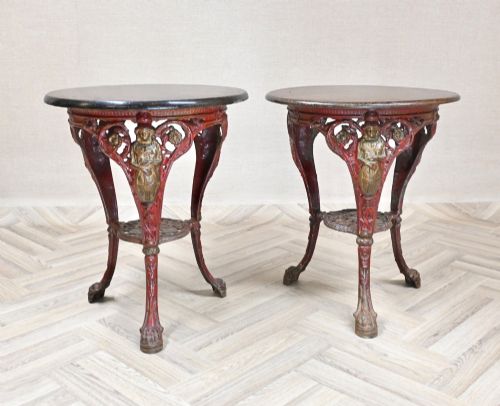

Antique Iron Pub Table
An antique iron pub table brings sturdy industrial character to any room, combining robust metal work with timber or stone surfaces.
Antique Iron Pub Table
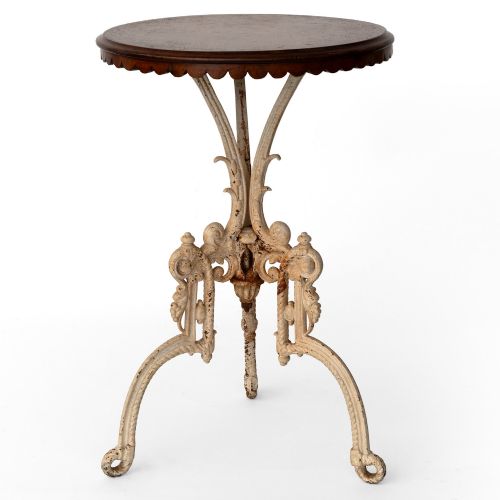
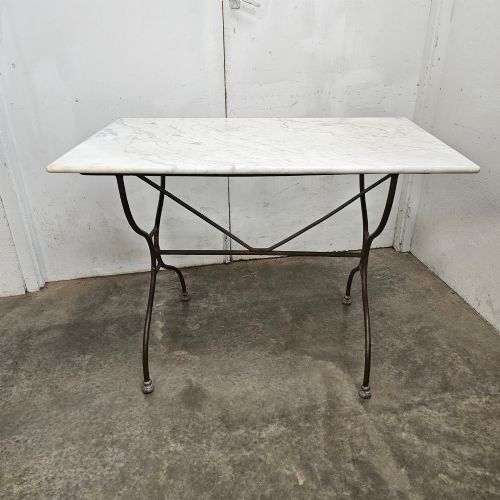
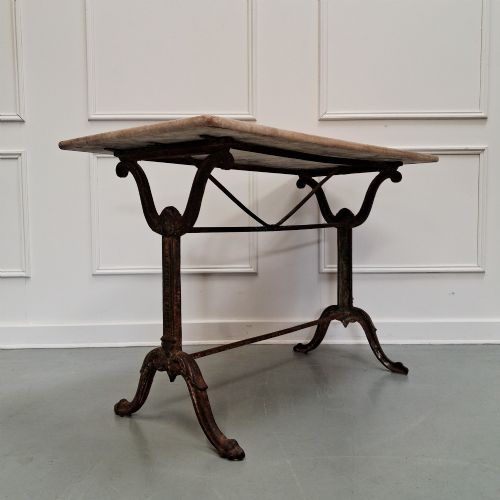
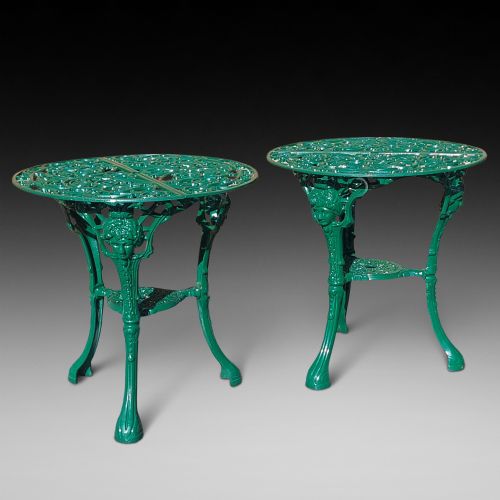
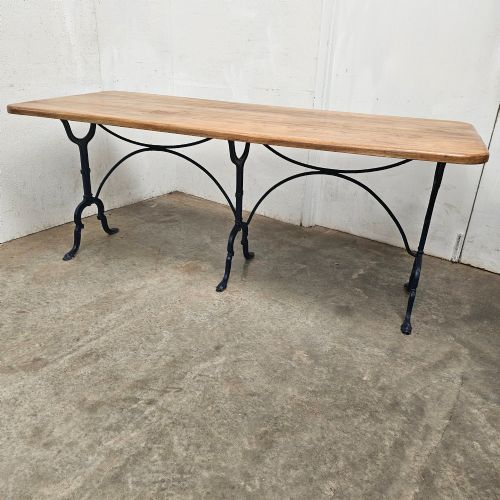
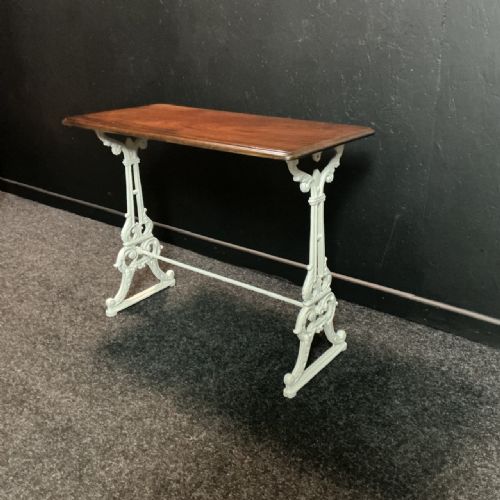
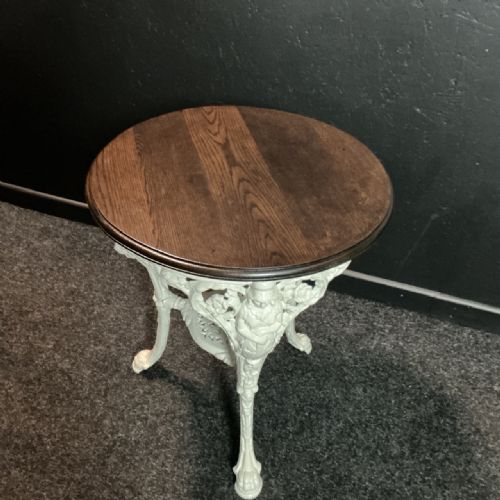
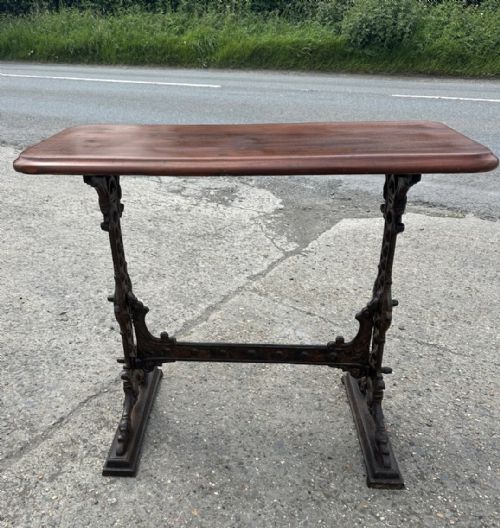
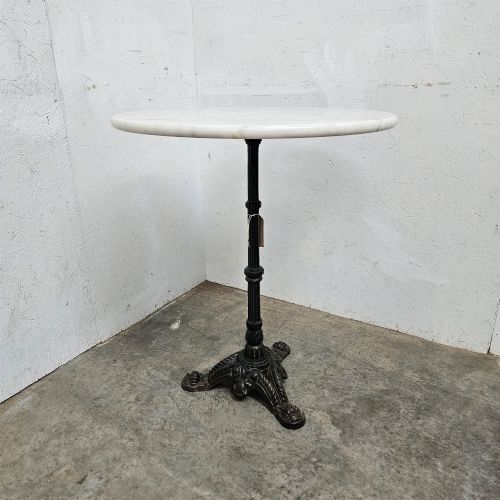
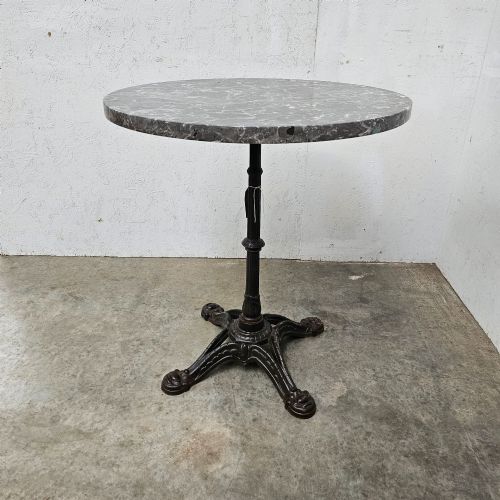
The most common formats on this page combine ornate or utilitarian cast iron supports with tops fashioned from marble, mahogany, oak, pine, or elm. Buyers encounter various designations including bistro tables, tavern tables, and Britannia designs meant for standing or seated patrons.
Makers produced these functional furnishings to withstand heavy daily use, resulting in durable frames that outlast lighter modern alternatives. Their enduring appeal lies in the honest utility and varied regional styles, from French provincial cafes to British Victorian locals.
How they were made
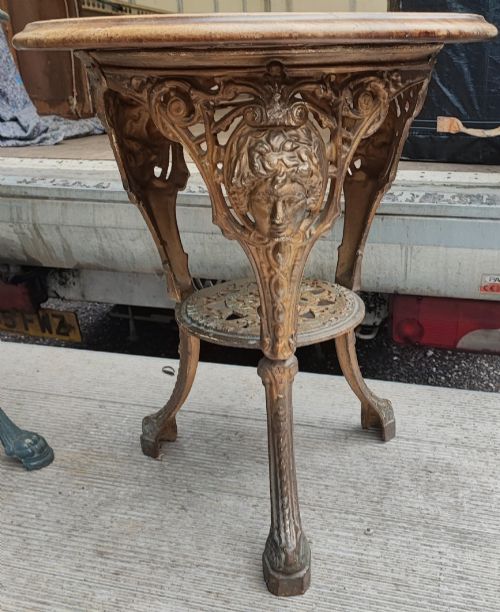
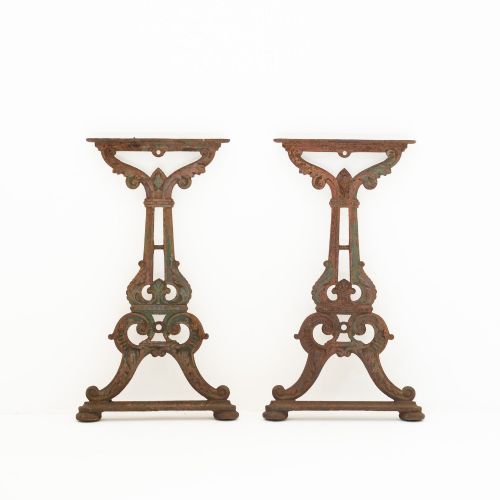
Foundries poured molten metal into sand moulds to create the intricate scrollwork, lions, and Britannia figures characteristic of nineteenth century cast iron bases. These heavy structural elements provided a low centre of gravity to prevent tipping in busy social environments.
Masons and carpenters then fitted these iron foundations with stone or wooden surfaces using secure fixings suited to the materials. Marble and green marble slabs sat flush upon iron rings, while mahogany, oak, pine, and elm boards were planed and joined to form hard-wearing table tops.
Antique Iron Pub Table Retail Price Guide 2026
Typical asking prices for iron pub table among the pieces listed under this phrase on Sellingantiques today, from the lower quarter to the upper quarter. They describe what is for sale here now, not the wider market.
Current listings feature pieces spanning the Victorian era through the early twentieth century, predominantly utilising cast iron paired with marble, mahogany, oak, and elm.
What varies in quality
Quality in these pieces rests upon the crispness of the iron casting and the integrity of the surface materials. Finer bases display sharply defined details in scrollwork and figures without the blurring common in later reproductions.
The choice of top material also defines the tier of the piece, with matched marbles or well-figured original mahogany and oak carrying more distinction than plain replacement timbers. Original patination on both metal and wood preserves the historical character that collectors value.
The Antique Iron Pub Table Glossary
- Britannia metal
- A tin-based alloy often associated with pub table figural bases depicting the female personification of Britain.
- Cast iron
- An iron-carbon alloy poured into moulds to create rigid, decorative table supports that handle heavy loads.
- Bistro table
- A small dining or café table, frequently featuring iron framework and a marble or wooden top suited for tight spaces.
- Scrollwork
- Ornamental branching curves cast into the iron frame to add visual lightness to a heavy structural base.
Antique Iron Pub Table: Frequently Asked Questions
Are these tables suitable for daily dining?
Most examples provide sturdy surfaces perfectly capable of handling everyday meals or drinks.
Their robust construction ensures they remain practical functional furniture rather than fragile display pieces.
How do I care for a marble top?
Marble requires gentle cleaning with mild soap and water to avoid dulling the polished surface.
Acidic liquids should be wiped away promptly to prevent staining the porous stone.
Can these tables be used outdoors?
Many Victorian garden and café pieces were built to withstand the elements on terraces and patios.
Wooden tops benefit from sheltered placement, whereas cast iron and marble endure outdoor conditions well.
How do I distinguish a Britannia table?
Britannia models feature a distinctive heavy iron base moulded in the likeness of the seated figure of Britannia.
This specific style became a staple of British pubs during the Victorian period.