



Antique Iron Fixtures
These antique iron fixtures bring structural weight and period illumination to a room, spanning rustic wall lights to grand French chandeliers.
Antique Iron Fixtures
When you search for antique iron fixtures, you encounter a robust mix of structural lighting and display metalwork spanning the Victorian era through the mid-twentieth century. The selection leans heavily toward French and Italian chandeliers, ceiling lights, and wall lanterns alongside practical items like shop display stands.
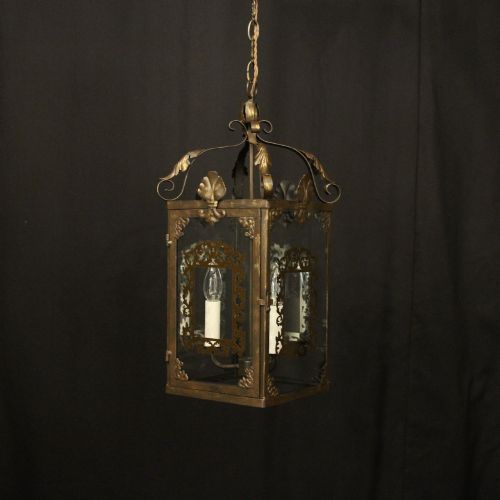
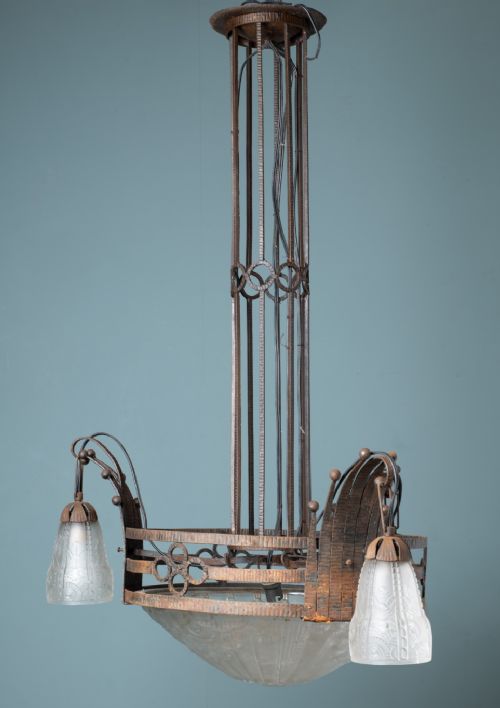
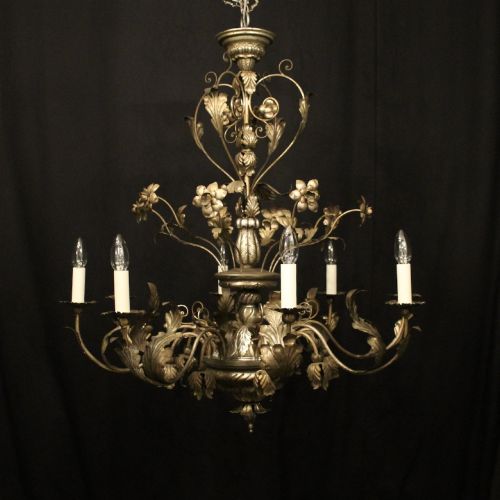
The most common pieces on this page are iron and wrought iron chandeliers and lanterns originating from France and Italy, often dated around the early twentieth century or the nineteen-thirties. You will also find British and continental shop fittings, such as draper's display stands and billiard room lights from the nineteenth century.
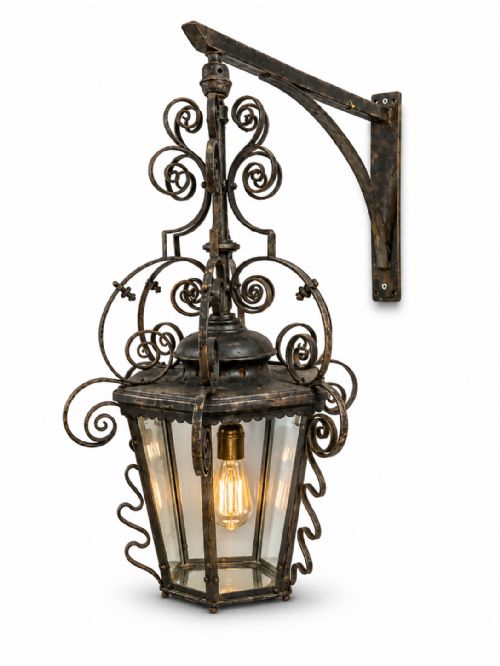
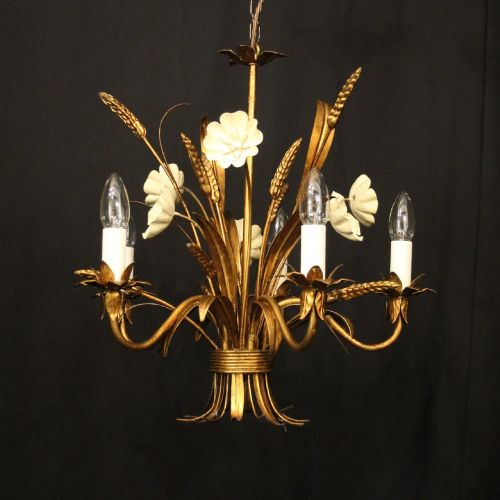
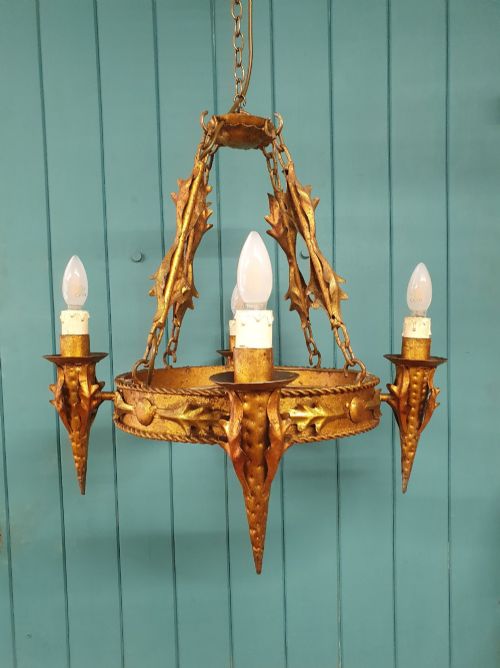
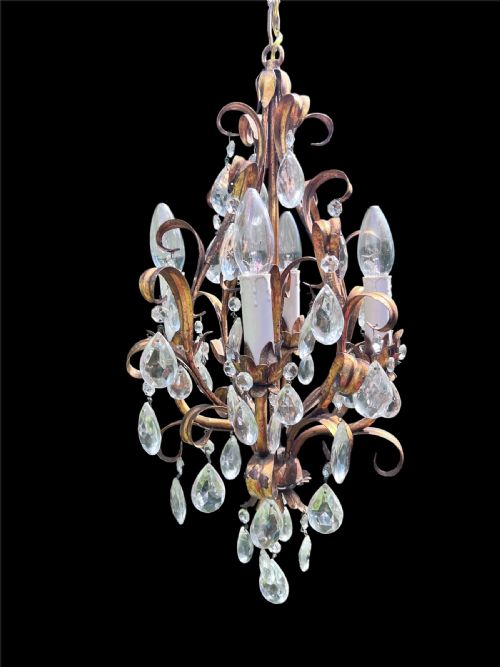
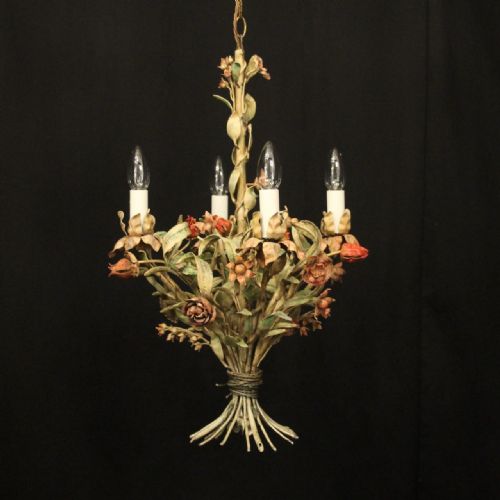
Forms range from heavy Gothic castle wall lights and cast iron witches hats to delicate gilt and polychrome light fittings adorned with crystal fruits. These objects served both domestic illumination and commercial display, resulting in a diverse inventory of metalwork.
Materials and construction methods
Makers utilised both wrought iron and cast iron as the primary structural bones for these fixtures, often combining them with brass, gilt metal, and toleware. Wrought iron pieces show the hammer marks and hand-shaped curves typical of blacksmith production, while cast iron elements provide heavier, moulded detail for industrial or institutional settings.
Lighting fixtures frequently incorporate glass components, ranging from clear cut glass and crystal to coloured glass fruits and pate de verre shades. Gilding, polychrome paint, and silvering were routinely applied to iron and base metals to soften the industrial material and add decorative warmth.
Antique Iron Fixtures Retail Price Guide 2026
Typical asking prices for iron fixtures among the pieces listed under this phrase on Sellingantiques today, from the lower quarter to the upper quarter. They describe what is for sale here now, not the wider market.
One chandelier is heavily laden with crystal fruits, featuring glass grapes, apples, and pears dangling from iron branches.
Assessing quality in metalwork
Quality in these iron fixtures is evident in the finesse of the metal manipulation and the integration of decorative elements. Hand-forged wrought iron with expressive detail stands apart from simpler cast production, showing deliberate craftsmanship in scrollwork and leaf motifs.
The sophistication of the secondary materials dictates the tier of the piece, such as the inclusion of hand-blown art glass shades by notable makers or fine cut crystal drops. Surface finishes also reveal quality, where original gilding, polychrome, or patination remains intact rather than obscured by heavy modern restoration.
Verrerie Des Vosge·Muller Freres
The Antique Iron Fixtures Glossary
- Wrought iron
- Iron that has been heated and hammered into shape by a blacksmith, showing individual texture and hand-forged curves. This material forms the durable framework for many hanging lanterns and wall lights.
- Toleware
- Painted or lacquered sheet metal items that often feature polychrome decoration. In lighting, tole elements add colourful floral or botanical accents to iron chandeliers.
- Pate de verre
- A glass-making technique where crushed glass is packed into a mould and fused in a kiln, producing dense, textured art glass. It appears in high-end early twentieth-century hanging shades.
- Gilt metal
- Metal coated with a thin layer of gold leaf or gilt paint to simulate solid gold. This finish brightened dark iron frames in grand interior schemes.
Antique Iron Fixtures: Frequently Asked Questions
How do I install antique iron fixtures?
These fixtures require professional electrical installation to ensure the heavy iron frames are safely anchored to ceiling joists or wall studs. Modern wiring must be integrated while preserving the historic metal structure.
Weight distribution is the primary concern when hanging large iron chandeliers or cast iron lanterns. A qualified electrician can supply appropriate mounting brackets to support the load safely.
Can I clean antique iron safely?
Dust iron components gently with a dry, soft cloth to prevent the accumulation of grime without disturbing the historic surface patination. Avoid abrasive cleaners or harsh chemical solvents that strip original gilding or polychrome paint.
Glass elements and crystal drops can be removed carefully and washed in lukewarm soapy water if necessary. Ensure everything is completely dry before reattaching them to the fixture.
What rooms suit antique iron lighting?
Robust iron fixtures suit dining rooms, hallways, and entrance porches where their substantial weight and dark metal tones provide a strong visual anchor. They complement period properties as well as contemporary spaces needing industrial contrast.
Smaller wall lights and sconces fit comfortably in corridors or alongside fireplaces. Their historic character brings immediate texture to plain plaster walls.
How are different periods identified?
Nineteenth-century pieces often display heavier Gothic Revival or Victorian influences, frequently utilising cast iron and simpler candle-lit configurations. Twentieth-century examples incorporate Art Nouveau glass shades or Arts and Crafts hand-hammered bracket work.
Stylistic cues like toleware colours and specific glass-making techniques help narrow down the decade of production. Examining the construction joints also reveals whether a piece was hand-forged or machine-cast.