

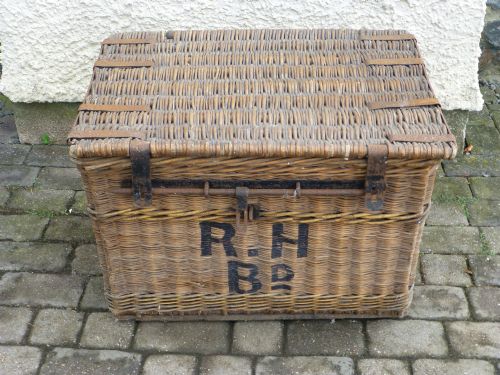
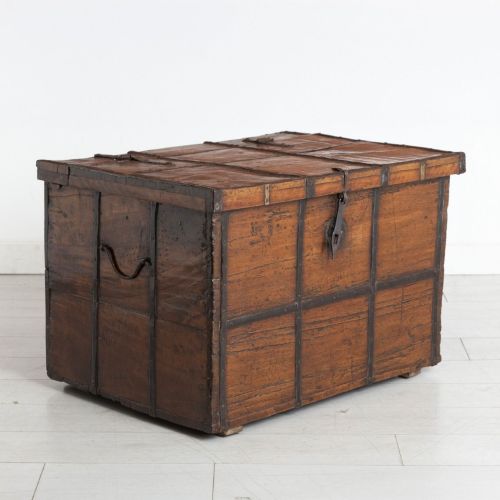
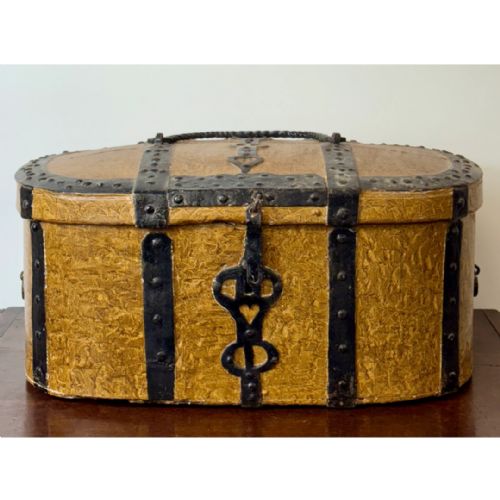
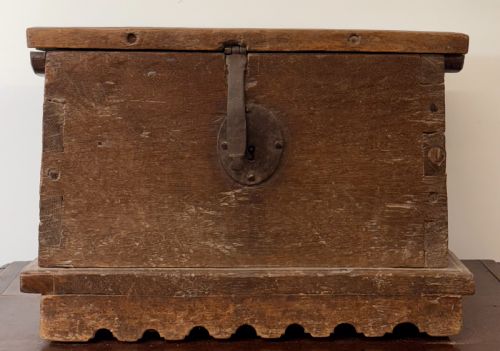
Antique Iron Box
An antique iron box provides sturdy utilitarian storage, forged from enduring metal and shaped by centuries of domestic and commercial travel.
Antique Iron Box
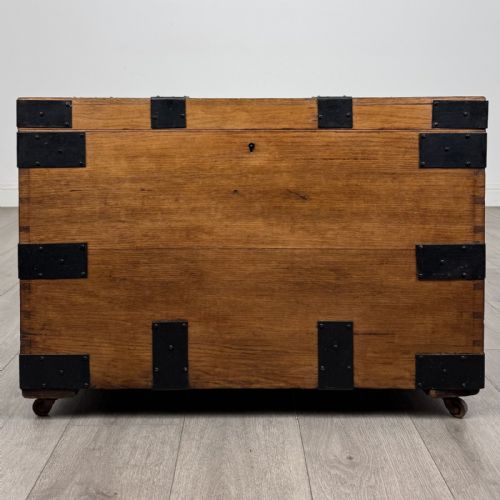
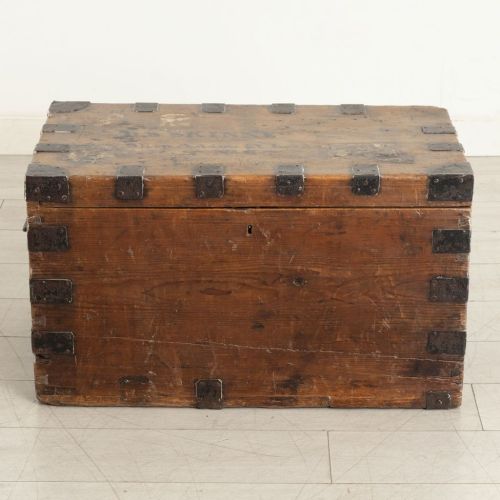
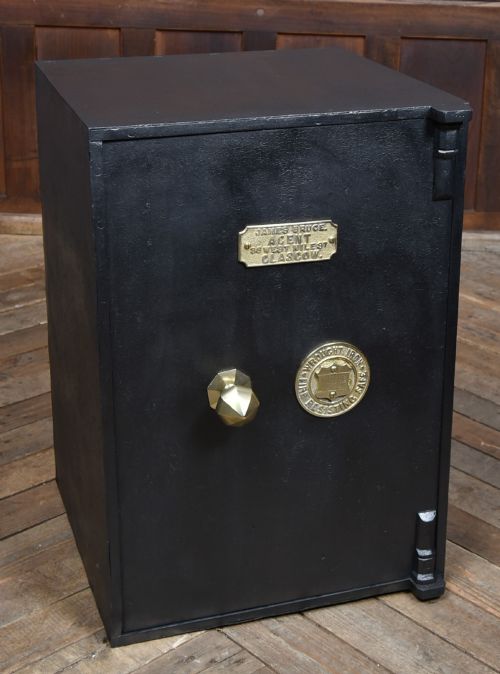
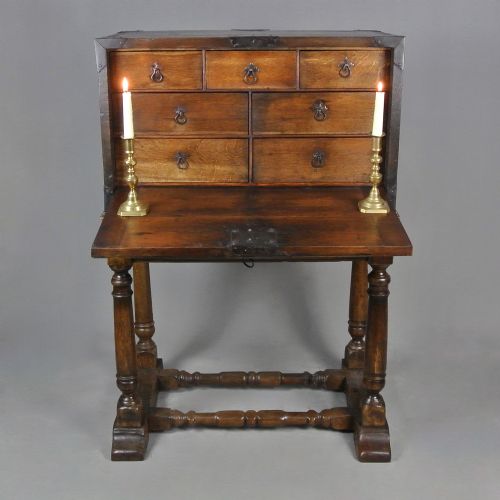
An antique iron box spans robust strongboxes, travelling trunks, and small caskets originating from the sixteenth century through to the Victorian era. Buyers searching for an antique iron box encounter utilitarian pieces constructed from heavy plate metals alongside timber chests reinforced with metal strapwork.
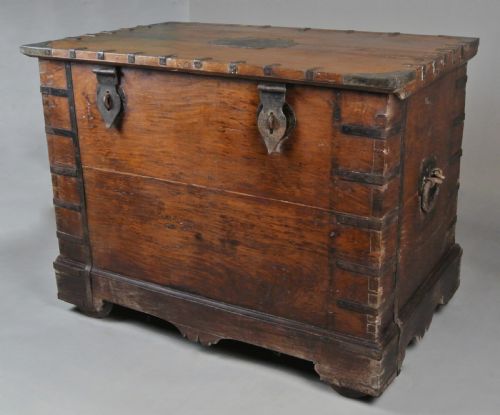
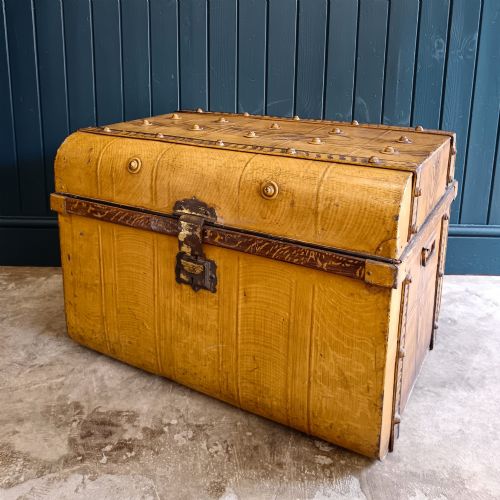
Earlier examples include sixteenth-century strongboxes and seventeenth-century oak coffers fitted with functional iron hardware. Later Victorian iterations bring industrial sheet metal, cast iron, and painted pine storage trunks into domestic interiors.
Materials and construction
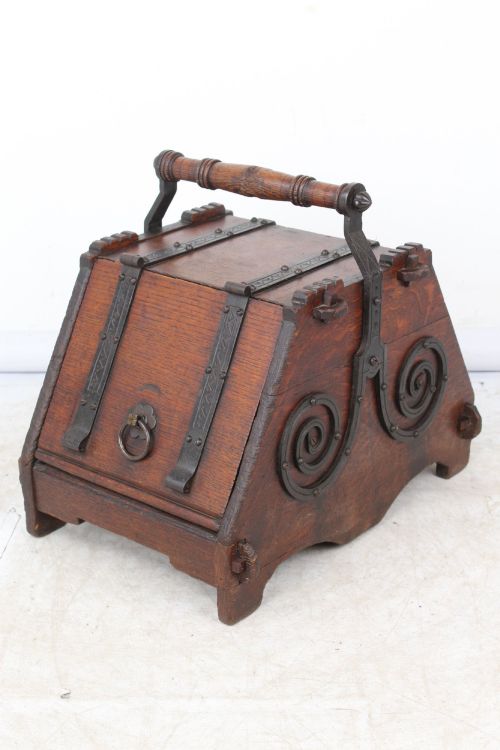
Blacksmiths and manufacturers utilised durable combinations of wrought iron, cast iron, and solid woods such as oak, pine, and teak. Structural integrity relied on hand-forged strapwork, visible rivets, and robust hinges designed to withstand heavy transit.
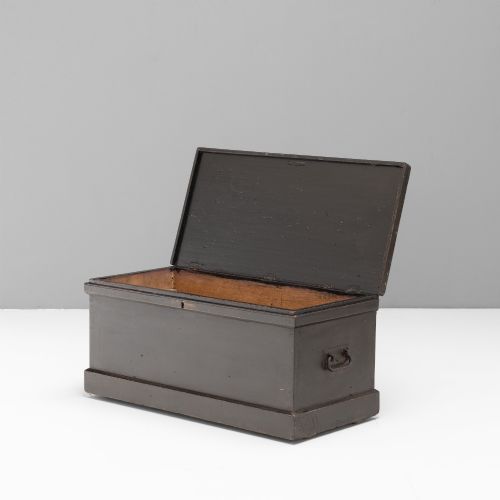
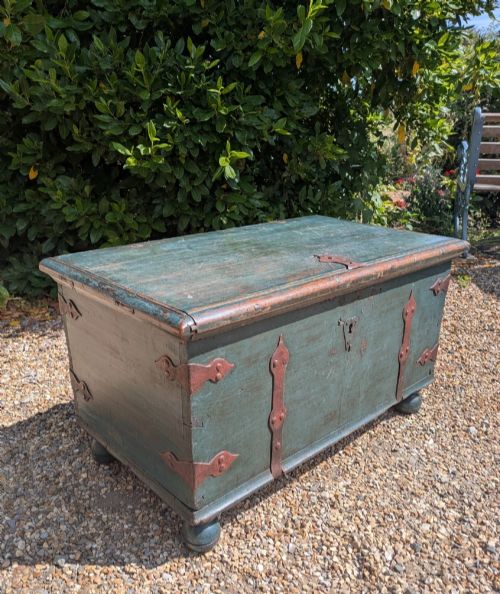
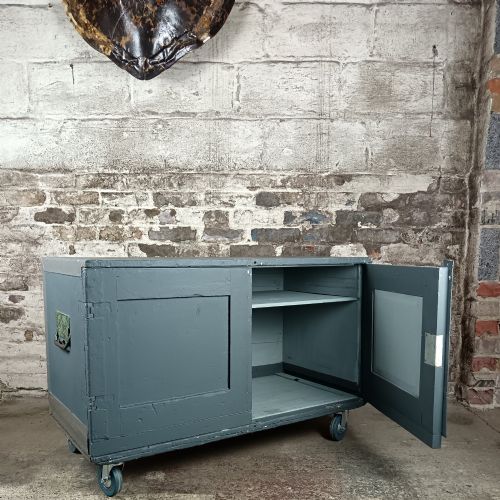
Surface finishes range from natural unpolished timber and original painted surfaces to dark patinated iron and protective leather bindings studded with brass nails.
Some seventeenth-century strongboxes concealed complex multi-bolt locking mechanisms inside the lid to outwit prospective thieves.
Craftsmanship and condition
Superior examples retain original operational mechanisms, working keys, and untouched surface patination rather than later replacement hardware. The finesse of hand-forged ironwork and the integrity of dovetail joints or timber planks distinguish high-grade items from utilitarian replacements.
Original painted decoration and intact internal compartments add significant character to pieces that have survived centuries of daily use.
James Bruce·F Whitfield And Co·Coalbrookdale·Christopher Dresser
The Antique Iron Box Glossary
- Strongbox
- A secure iron or iron-reinforced box designed for valuables, often fitted with intricate internal locking mechanisms.
- Strapping
- Metal bands applied across the exterior of wooden trunks and chests to provide structural reinforcement.
- Casket
- A smaller ornamental box, frequently utilised for holding jewellery, documents, or precious items.
- Cofer
- A large timber chest, typically bound in iron, used historically for storing domestic goods or coin.
- Tooleware
- Enamelled or japanned metalware produced during the Victorian period for household storage.
Antique Iron Box: Frequently Asked Questions
How do I date an iron box?
Dating relies on examining the construction methods of the timber carcase, the hand-forged characteristics of the ironwork, and the style of the locking mechanisms. Earlier pieces exhibit irregular hand-beaten rivets and adzed boards, whilst Victorian items display industrial rolled sheet metal and machine-cut fixings.
Historical styles such as Gothic Revival or seventeenth-century paneling also provide reliable chronological markers for authentic pieces.
Were these boxes used for travel?
Many heavy iron-bound chests and trunks served directly as transport containers for military campaigns, long-distance shipping, and domestic relocation. Their robust metal straps and side carrying handles protected contents against the rough conditions of carriage.
Smaller caskets and strongboxes remained stationary indoors, securing household currency, deeds, and precious documents.
How should I clean an iron surface?
Preserving the historic surface requires avoiding harsh chemical polishes and abrasive wire wool that remove original patination. Gentle dusting followed by a light application of microcrystalline wax helps protect exposed iron from moisture without altering its aged appearance.
Painted or japanned surfaces need only dry maintenance to safeguard the original pigments.
Can I use a strongbox as a coffee table?
Sturdy iron-bound chests and flat-topped trunks adapt readily to modern living spaces as functional coffee tables with generous internal storage. Their heavy construction easily supports everyday items while introducing historic texture into a room.
Ensuring the top boards remain stable and treated protects the historic wood against accidental spillages.