



Antique Industrial Table Light
These antique industrial table light pieces are sturdy task lamps and desk fittings built for utility, offering robust engineering and authentic working-class character to modern interiors.
Antique Industrial Table Light
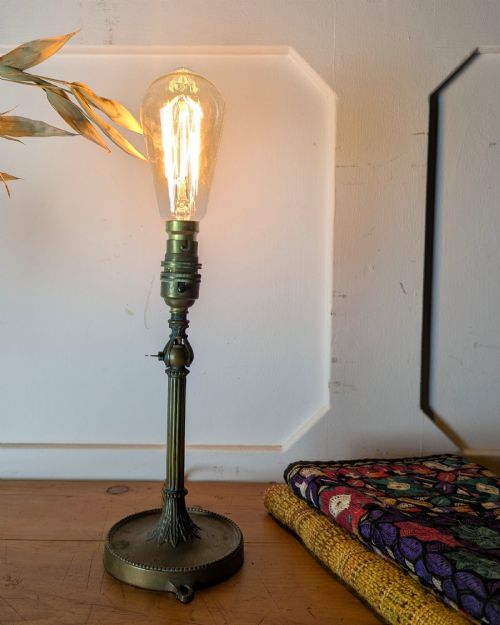
When you search for an antique industrial table light, you encounter robust desk lamps, adjustable task lights, and maritime fittings that originated in workshops, offices, and transport hubs. These pieces date from the nineteenth century through the early decades of the twentieth century, encompassing diverse regional aesthetics.
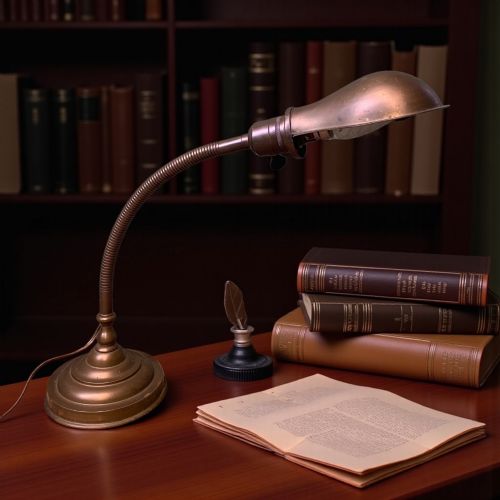
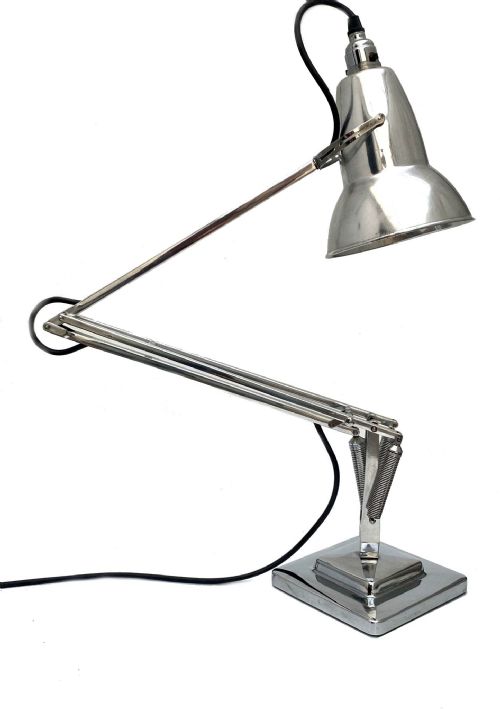
The version you are most likely to meet on this page is an adjustable metal task lamp or a heavy desk light from the nineteen-twenties, often styled in French industrial or maritime designs. They frequently feature articulating arms and heavy cast bases designed for daily commercial endurance.
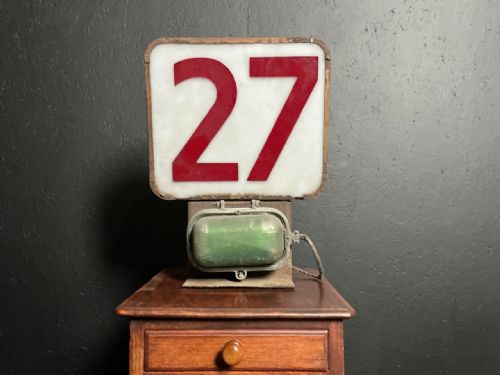
Beyond standard desk lamps, the selections span specialised lighting such as bankers lamps, gimbal lamps, and wall-mounted Pullman fixtures. Their forms reflect strict adherence to function, prioritising direct illumination and mechanical adjustment over purely ornamental design.
How they were made
Makers constructed these task lights using durable base materials including iron, steel, brass, and chrome, paired with functional components of glass and milk glass. Metal elements were often finished with black enamel or left as polished or bronzed metal to withstand harsh working environments.
Construction techniques relied on heavy casting, turning, and riveting to ensure mechanical longevity, with adjustable joints, counterweights, and gimbals allowing precise directional control. Electrical conversions frequently update original oil or gas fittings, such as Tilley lamps, while retaining their heavy structural chassis.
Antique Industrial Table Light Retail Price Guide 2026
Typical asking prices for industrial table light among the pieces listed under this phrase on Sellingantiques today, from the lower quarter to the upper quarter. They describe what is for sale here now, not the wider market.
Certain heavy desk lights spent decades illuminating fish auctions and naval vessels before finding a quiet retirement on study tables.
What varies in quality
The distinction between standard utility items and finer examples lies in the sophistication of the articulation, such as smooth multi-jointed arms by named makers compared to rigid single-point stands. Heavier gauge metals and superior casting finishes elevate certain pieces above standard workshop equipment.
Retaining original surface treatments, authentic manufacturer markings, and matching components dictates the desirability of a piece. Industrial lighting that maintains its original enamel sheen, specialised glass shades, and intricate mechanical adjustments represents the upper tier of the range.
Pirouette·Tilley·Anglepoise·Hennes France
The Antique Industrial Table Light Glossary
- Gimbal lamp
- A lighting fixture mounted on pivoting rings that allows the lamp to remain level regardless of the surface angle or motion. This design was essential on ships and trains.
- Milk glass
- An opaque, milky-white or sometimes coloured glass used for lamp shades to diffuse light evenly and reduce glare. It appeared frequently in domestic and commercial task lighting.
- Pullman lamp
- A compact, sturdy lighting fixture originally designed for use on Pullman railway carriages. These pieces needed to endure constant vibration and movement.
- Spelter
- An alloy of zinc and lead or copper used as a cheaper substitute for bronze or brass. It was frequently cast into decorative figures and lamp bases.
- Task light
- A functional lamp directed at a specific workspace to aid reading, writing, or precision labour. Industrial versions prioritised robust mechanical adjustment.
Antique Industrial Table Light: Frequently Asked Questions
What is an industrial table light?
An industrial table light is a heavy-duty task lamp originally built for factories, offices, ships, or workshops where durability and adjustable illumination were essential.
These pieces utilise robust materials like brass, iron, and chrome, combining mechanical articulation with utilitarian design to serve specific workspace needs.
How do I date an industrial lamp?
Dating relies on examining the manufacturing techniques, electrical conversions, switch types, and material preferences typical of periods like the Edwardian era or the nineteen-twenties.
Maker stamps, patent marks, and specific design patinas such as black enamelled iron or early chrome also provide clear chronological indicators.
Are these lamps safe for modern homes?
Many older pieces have been rewired or converted to electricity to meet contemporary safety standards while preserving their original external appearance and mechanical structures.
It remains wise to have a qualified professional check vintage wiring before daily domestic use in living spaces or studies.
How should I style an industrial light?
These lamps suit minimalist, rustic, and modern interior schemes by providing a strong focal point and functional task lighting on desks, sideboards, or bedside tables.
Pairing them with exposed brick, reclaimed wood, or neutral palettes highlights their mechanical origins and historical character.