





Antique Hunting Rack
These antique hunting rack pieces bring rugged practicality and animal forms into your hallway.
Antique Hunting Rack
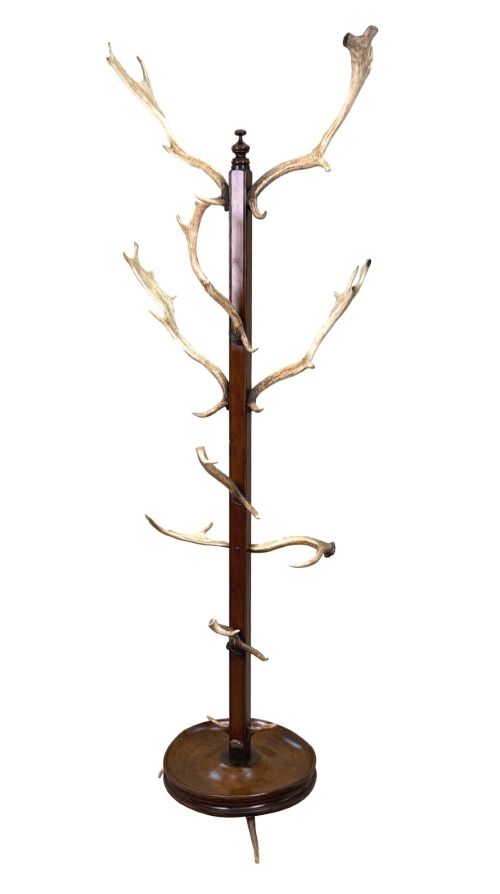
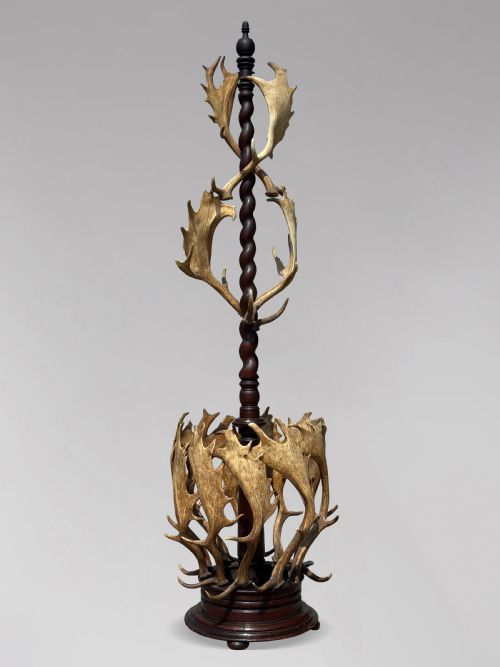
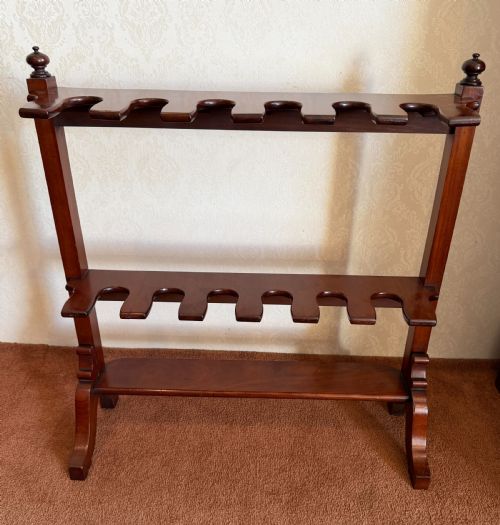
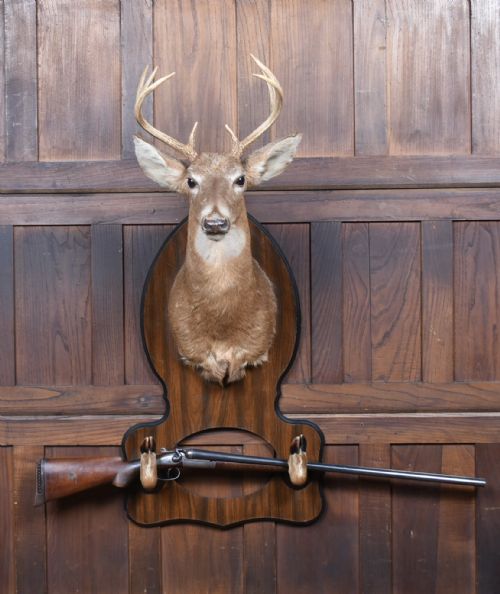
An antique hunting rack serves as a functional fixture designed for country houses, halls, and shooting lodges to hold coats, hats, whips, and riding gear. When you search for this phrase, you encounter wall-mounted coat hooks, stick stands, hall stands, and impressive taxidermy trophy mounts.
The versions most commonly met on this page span the nineteenth century and the early twentieth century. They originate from British, French, and Continental workshops, drawing heavily on rural and sporting traditions.
Makers utilised these pieces in everyday estate spaces, combining utilitarian hanging duties with natural materials taken directly from the hunt. Their robust construction meant they survived decades of heavy use in tack rooms and entrance halls.
How they were made
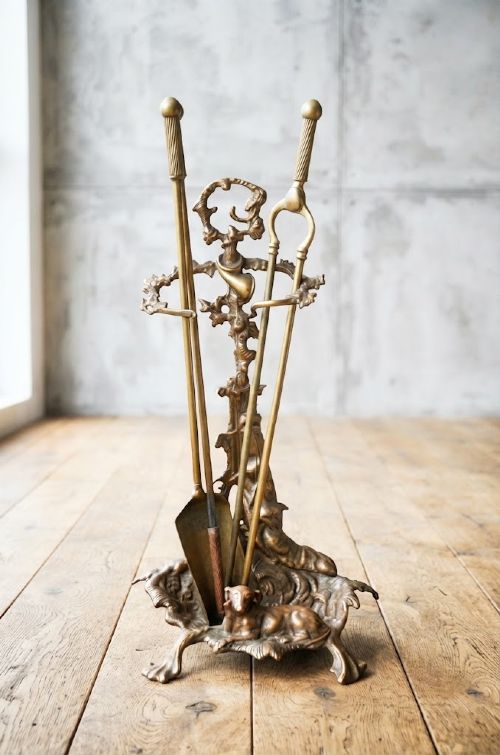
Makers incorporated genuine natural elements such as stag antlers, animal horn, bone, and taxidermy hooves directly into the wooden backplates. Cast brass and metal components reinforced structural stress points and provided durable hardware for hanging heavy garments and riding crops.
Antique Hunting Rack Retail Price Guide 2026
Typical asking prices for hunting rack among the pieces listed under this phrase on Sellingantiques today, from the lower quarter to the upper quarter. They describe what is for sale here now, not the wider market.
An eleven-point stag skull watches over your hallway keys with genuine nineteenth-century intensity.
What varies in quality
Quality rests in the anatomical accuracy of the carving and the natural symmetry of the horn or antler assemblies. Superior examples display expressive facial detail in animal heads and seamless integration between natural trophies and carved wooden mounts.
The choice of primary timber also dictates the standard of the piece, with dense, well-figured oak and rich mahogany outlasting softer woods. Finer items demonstrate careful taxidermy preservation that retains the integrity of hair, bone, and horn over generations.
The Antique Hunting Rack Glossary
- Black Forest
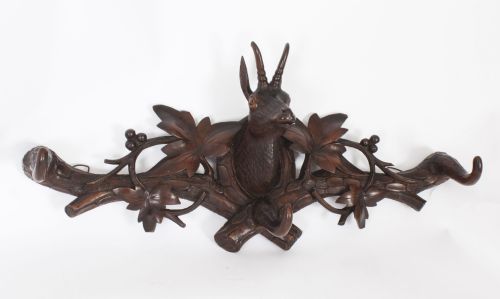
- A style of wood carving originating from the mountainous region of central Europe, famous for realistic animal sculptures and rustic furniture. These items frequently feature detailed stag heads and foliage.
- Taxidermy
- The art of preparing, stuffing, and mounting the skins of animals for display. In these racks, hooves, skulls, and horns serve both decorative and structural purposes.
- Tack room
- A storage area on an estate where saddles, bridles, and riding equipment are kept. Pieces designed for these spaces prioritized heavy-duty hooks for crops and whips.
- Hall stand
- A large piece of furniture placed in an entrance hallway that combines coat hooks, a mirror, and umbrella or stick wells. They provided guests a place to deposit outdoor wear.
Antique Hunting Rack: Frequently Asked Questions
What rooms suit an antique hunting rack?
These racks fit naturally into entrance halls, boot rooms, and studies where outdoor clothing and country pursuits set the decorative tone. Their robust construction handles heavy coats and umbrellas with ease.
Secure wall mounting is essential because the combination of solid timber, antlers, and wet outerwear creates significant weight. Placing them at a practical height ensures everyday use without straining the fixings.
How do I care for wooden and horn mounts?
Regular dusting with a dry cloth keeps the carved wood and natural horn free from grime that can dry out the materials over time. Avoid placing them in direct sunlight or near heat sources to prevent the wood from splitting.
Conditioning the timber occasionally with appropriate wax maintains the lustre of the grain. Natural horn benefits from minimal moisture and gentle cleaning to preserve its organic sheen.
Are these racks sturdy enough for daily use?
The original design of these items intended them for heavy daily service in country houses and shooting lodges. Oak, mahogany, and properly mounted antlers provide considerable physical strength.
Checking the stability of the backplate and the original fixing points ensures safe suspension on modern walls. Most pieces easily support heavy winter overcoats and riding garments.
How do I distinguish regional styles?
Continental and Black Forest examples often feature dramatic animal heads, deep foliage carving, and intricate antler assemblies. British pieces tend to focus on simpler oak and mahogany frames with brass equestrian hooks.
French items frequently integrate mounted horns into sleek wall plaques designed for entrance hallways. Examining the timber choices and carving depth reveals the regional workshop traditions.