


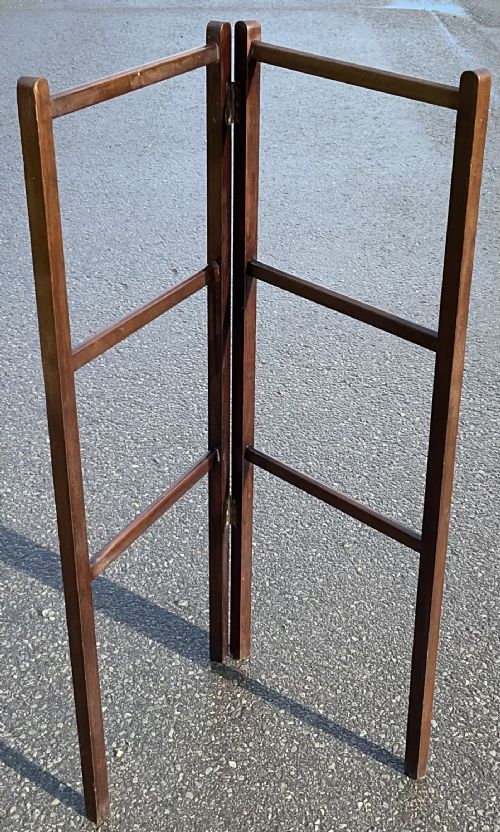


Antique Horse Airer
An antique horse airer brings practical warmth and handsome timber grain to utility rooms, bathrooms and bedrooms alike.
Antique Horse Airer
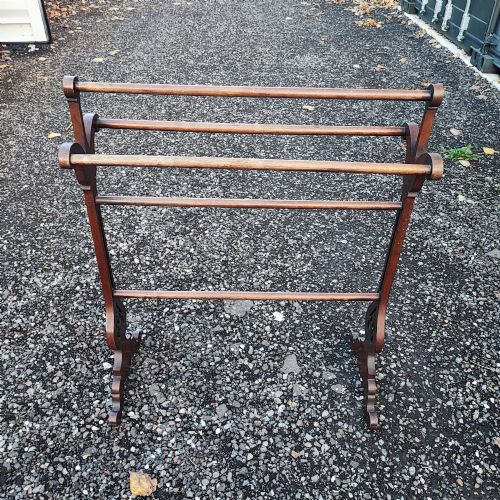
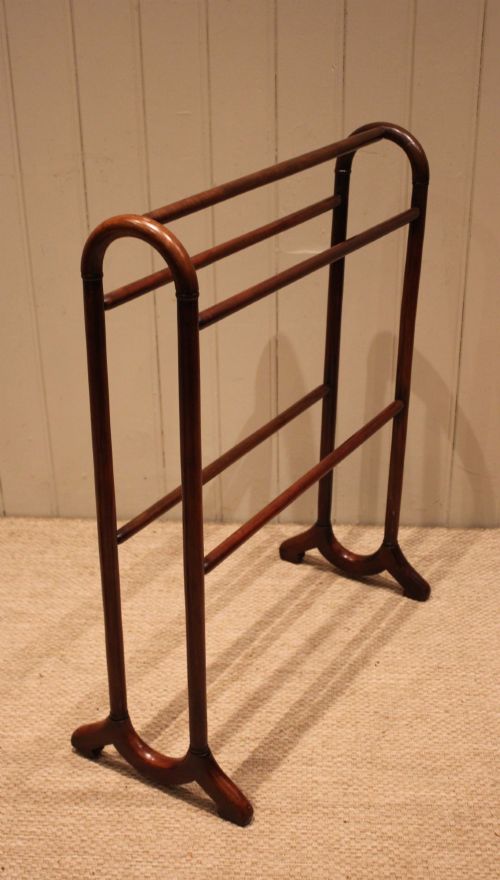
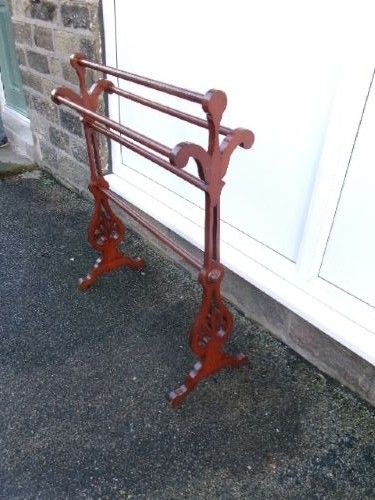
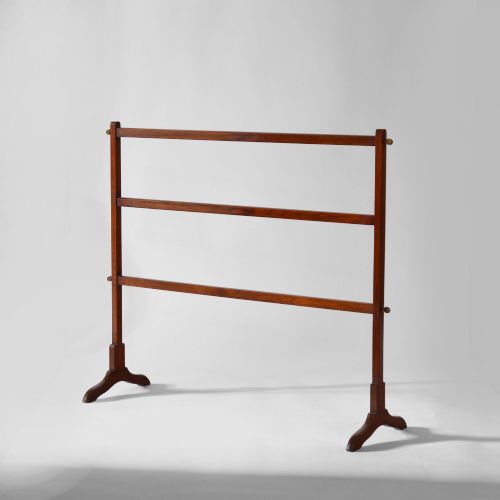
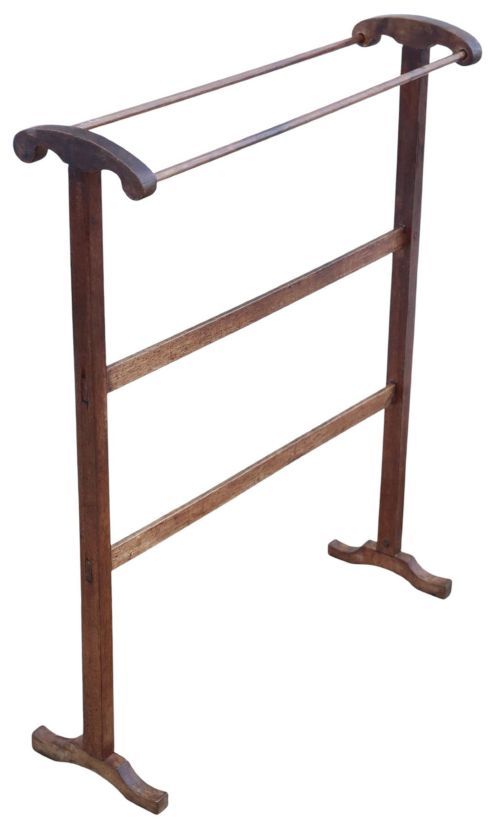
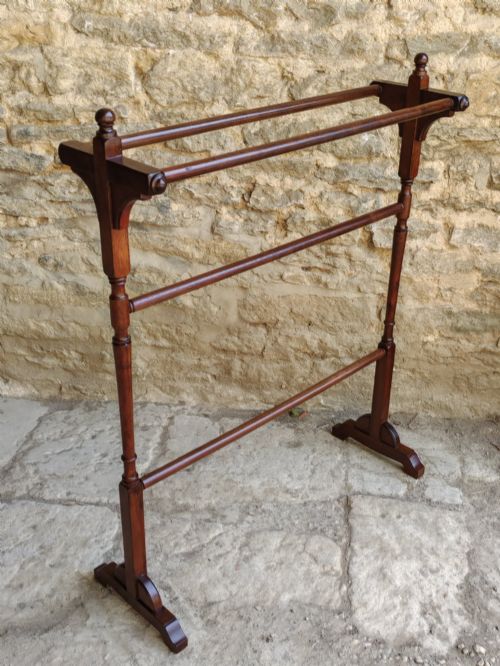
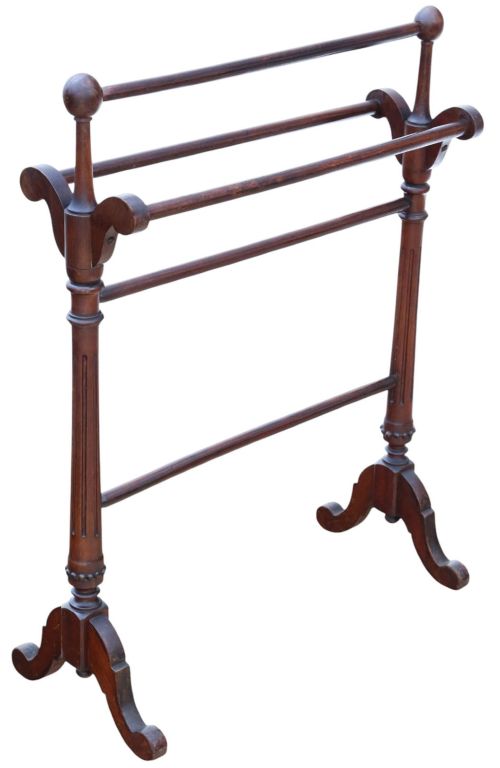
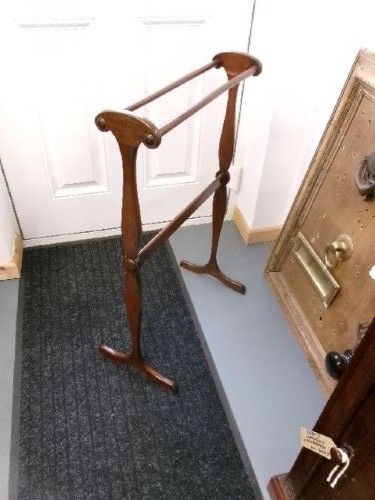
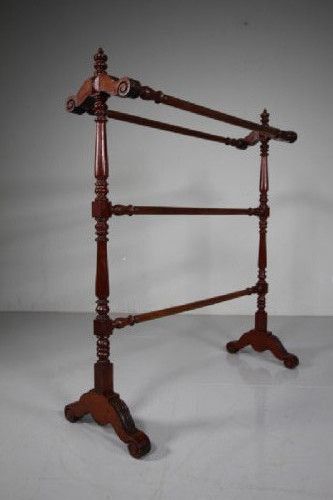
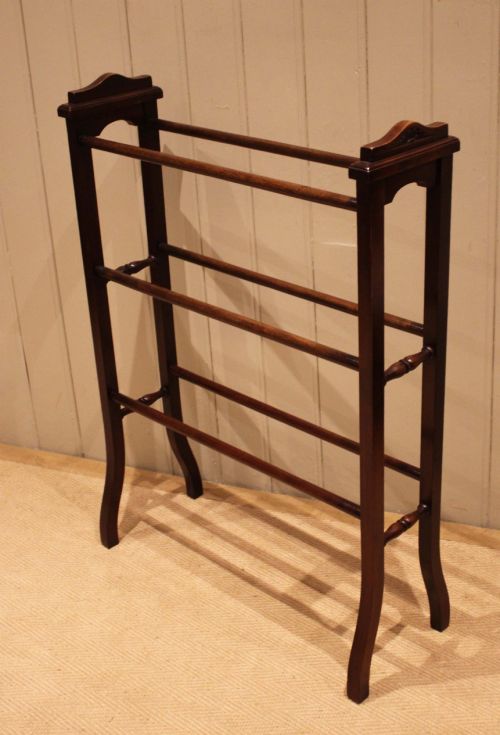
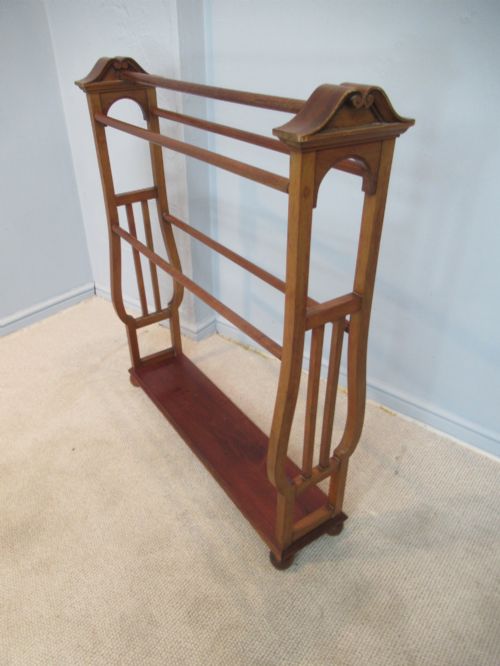
An antique horse airer is a freestanding or wall-mounted wooden frame designed for drying laundry and textiles by the hearth or in dressing rooms. These pieces function as towel rails, clothes airers and folding stands across domestic spaces. You will most frequently meet mahogany standing versions dating from the Victorian and Edwardian eras on this page.
The form ranges from compact single-rail stands to large oversized William IV clothes rails and multi-fold designs. Pieces emerge from the Regency period through to 1910, spanning styles including Victorian Gothic Revival, Arts and Crafts and William IV. Structural variants include cheval frames, wall-mounted airers, and five-bar configurations.
Materials and construction methods
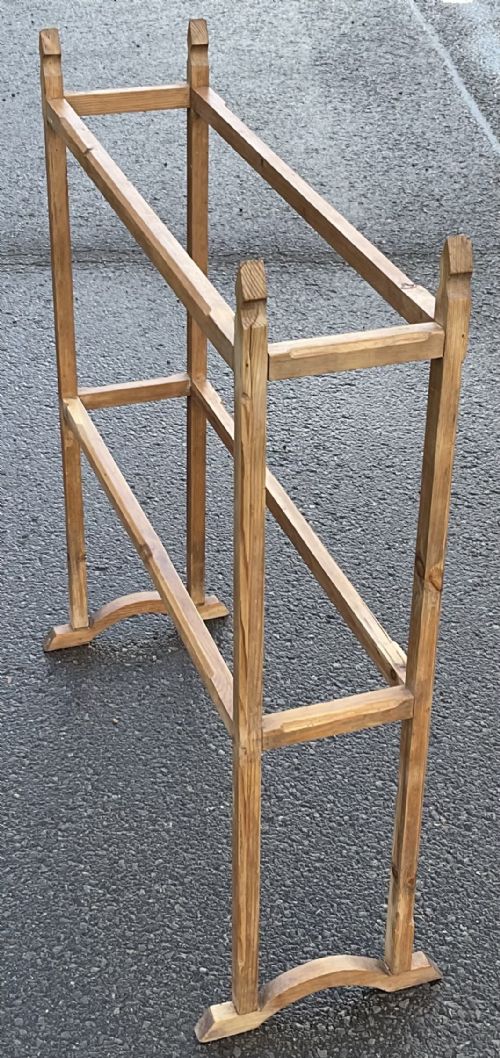
Cabinetmakers constructed these frames primarily in mahogany, alongside pine, oak, walnut, and ebonised wood. Timber selection dictated whether the piece served formal bedchambers in rich dark hardwoods or utilitarian spaces in sturdy pine.
Joinery techniques included folding hinges, turned uprights, and inlaid details, supported occasionally by brass or cast iron hardware. Frames were built to withstand damp linen and regular handling near domestic heat sources.
Antique Horse Airer Retail Price Guide 2026
Typical asking prices for horse airer among the pieces listed under this phrase on Sellingantiques today, from the lower quarter to the upper quarter. They describe what is for sale here now, not the wider market.
Listings span from the early nineteenth century through to Edwardian production, featuring woods from pine and oak to richly figured mahogany and walnut.
Distinguishing quality across the range
Quality rests in the timber selection, the crispness of the turnings, and the robustness of the folding mechanism. Superior examples utilise dense, well-figured mahogany or walnut with substantial framing that remains rigid under weight.
Finisher's work also separates standard utility pieces from finer rooms, seen in inlaid stringing, ebonised surfaces, and well-proportioned silhouettes. Robust hinges and balanced rails ensure the stand functions smoothly without sagging.
The Antique Horse Airer Glossary
- Cheval rail
- A standing frame supported by two vertical pillars, allowing the central section to pivot or stand independently.
- Ebonised wood
- Timber treated with a dark finish to imitate expensive ebony, popular in late Victorian furnishings.
- William IV
- A transitional design period spanning the 1830s, known for robust proportions and classical influences.
- Gothic Revival
- A nineteenth-century style incorporating architectural motifs such as pointed arches and quatrefoils into domestic furniture.
- Arts and Crafts
- A movement prioritising honest construction, plain surfaces and visible craftsmanship over excessive factory ornamentation.
Antique Horse Airer: Frequently Asked Questions
What is an antique horse airer used for?
These frames were originally placed near fires to dry wet laundry, linens and towels in large houses. Today, they serve equally well in modern bathrooms for hanging towels or in bedrooms for organising garments.
Their folding designs allow them to pack flat against a wall when not in use, combining practical utility with period character.
How do I date an antique horse airer?
Dating relies on timber choice, construction techniques, and prevailing styles visible in the turned supports and feet. Regency and William IV pieces often display heavier proportions, while Edwardian examples favour lighter inlaid mahogany frames.
Secondary woods, screw types, and hinge mechanisms provide further clues to the decade of manufacture.
Where should I place a standing towel rail?
Standing towel rails fit naturally in bathrooms, utility rooms, and spacious bedrooms where extra hanging space is required. Their freestanding nature means no wall fixings are necessary, allowing you to move them as needed.
Ensure they are kept away from direct, intense heat sources that might dry out or warp the historic timber joints.
Are pine airers different from mahogany ones?
Pine airers generally originated as utilitarian pieces intended for kitchens, sculleries, or servants' quarters. Mahogany and walnut versions were destined for principal bedchambers and dressing rooms.
Consequently, hardwood models often feature finer turnings and decorative inlays, whereas pine examples prioritise sturdy, practical construction.