
Antique Historical Portrait
An antique historical portrait records the likeness of a notable figure through oil painting, print, or miniature.
Antique Historical Portrait
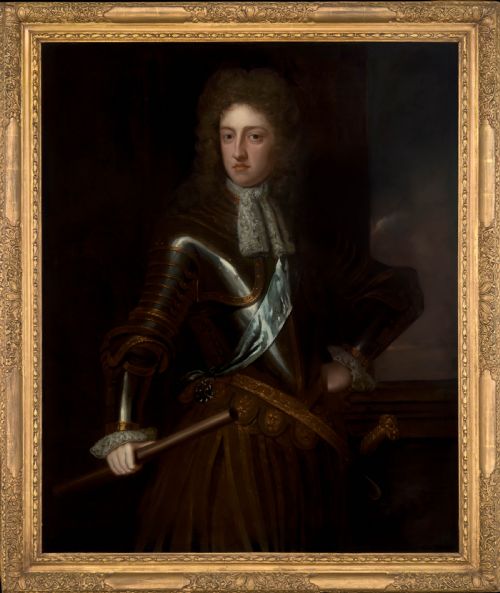
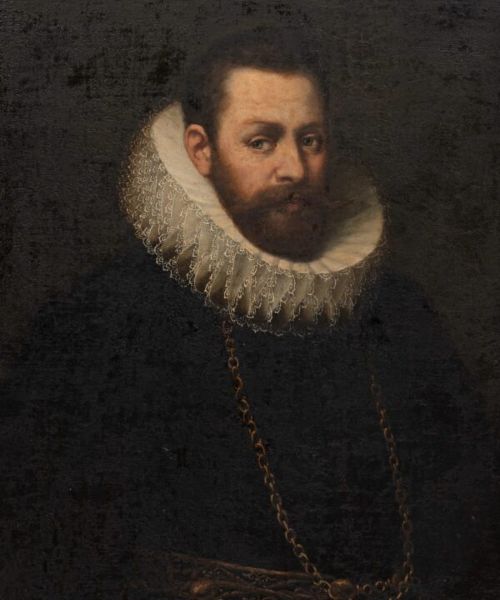
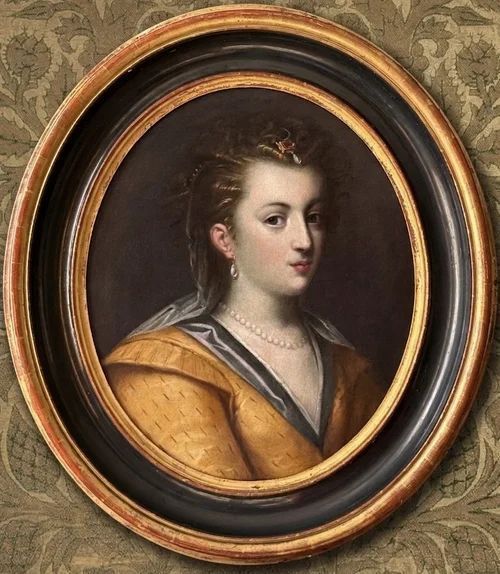
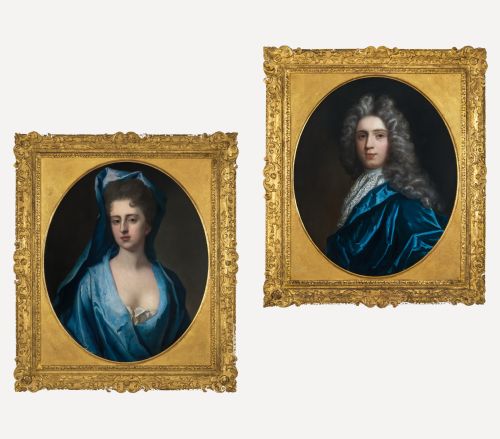
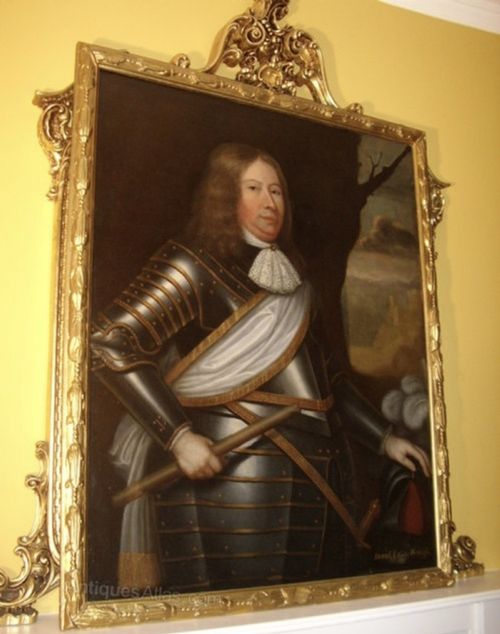
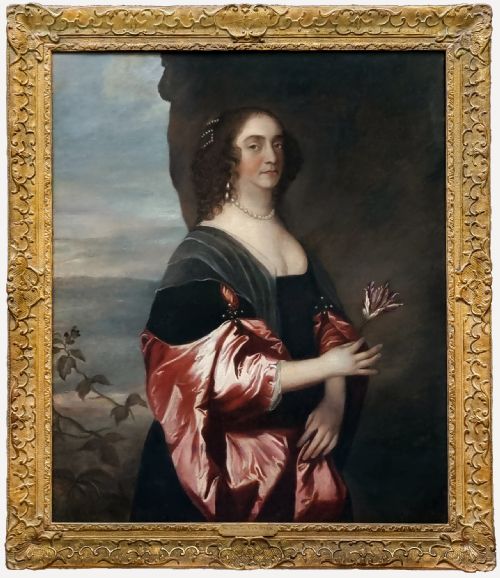
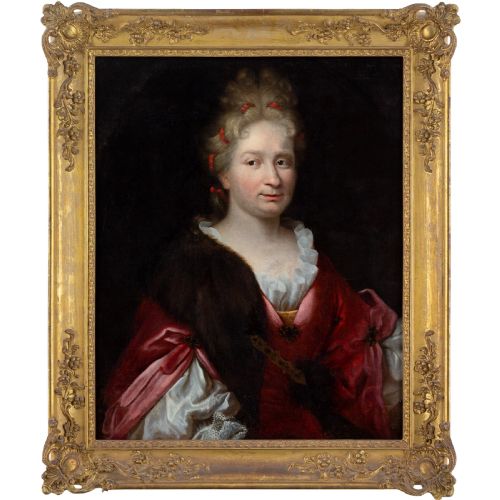
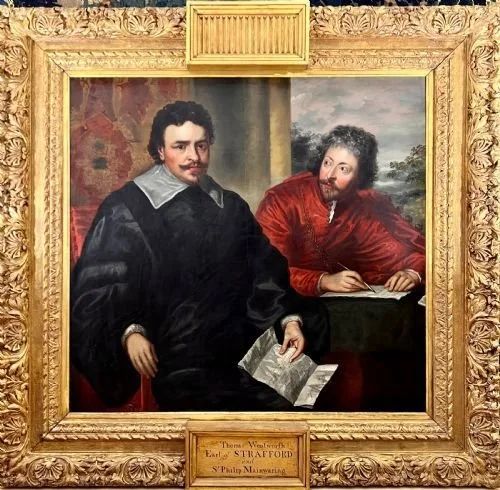
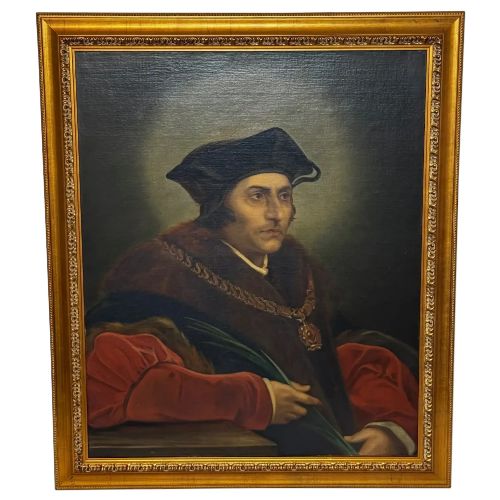
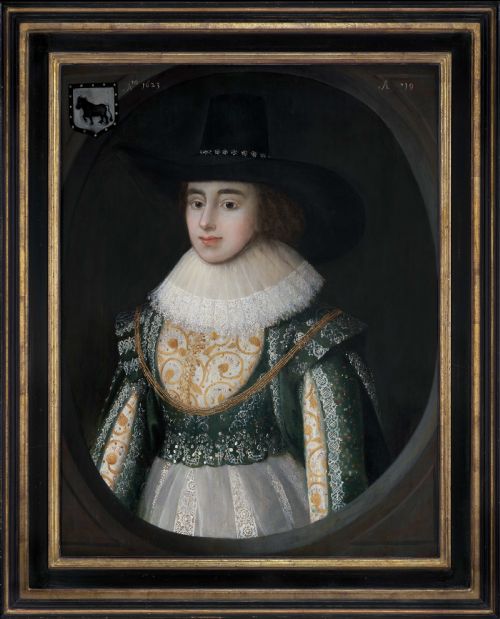
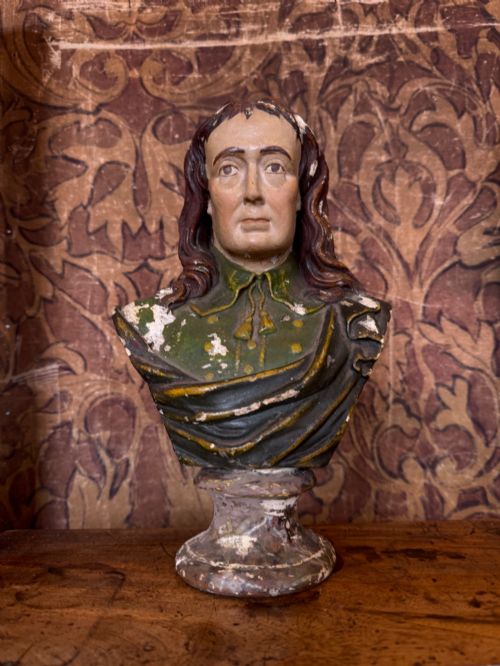
An antique historical portrait captures recognizable historical figures, military officers, nobility, and literary subjects across centuries of artistic production. Collectors encounter formal oil paintings on canvas and panel, alongside delicate portrait miniatures and printed works.
The material record spans seventeenth-century Dutch Baroque canvases, eighteenth-century mezzotints, and nineteenth-century romantic revivals. Works range from intimate cabinet pieces to grand depictions associated with specific European schools.
Pieces frequently carry attribution to established painters and engravers, or emerge from notable studio circles. Subjects include monarchs, statesmen, and clergymen rendered in period costume with characteristic accessories.
Materials and construction
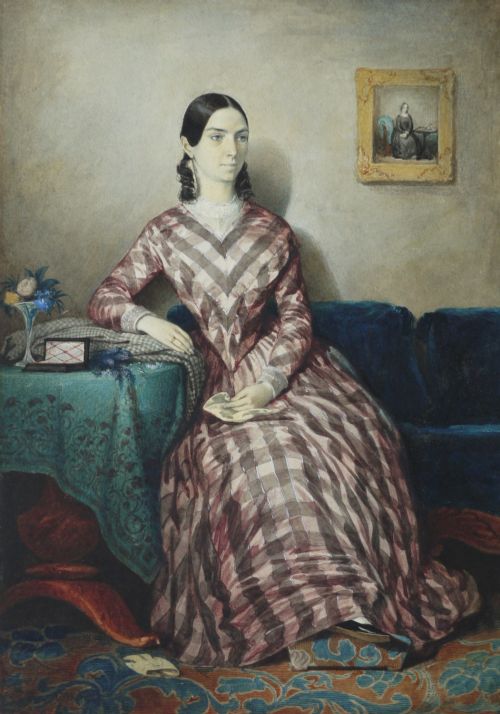
Painters applied oil pigments onto prepared canvas or wood panels, sometimes employing gold leaf for highlights and decorative frames. Draughtsmans utilised ink and pastel on paper to record fine facial details.
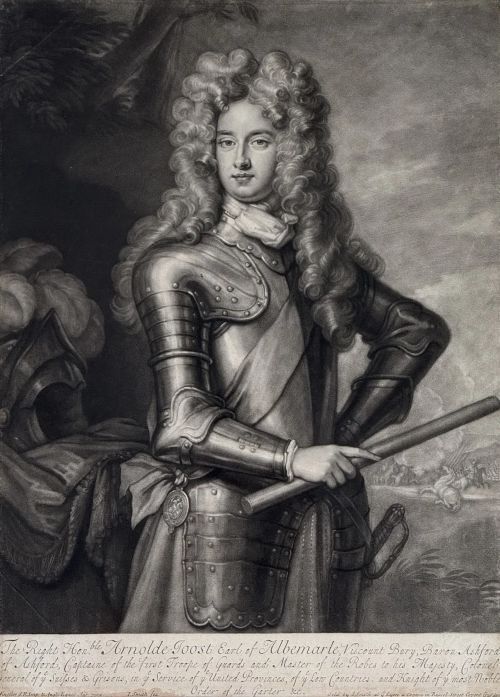
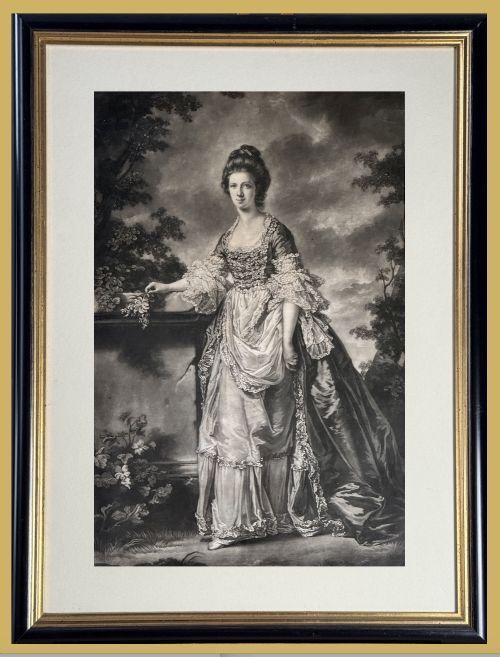
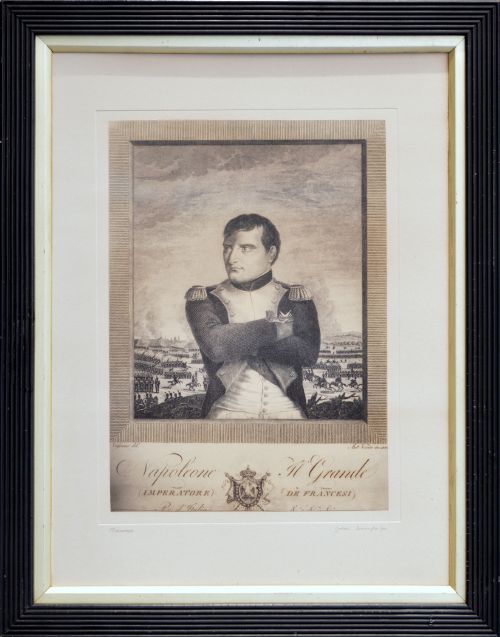
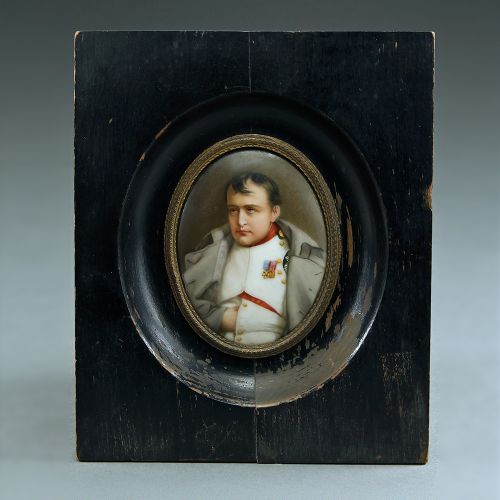
Printmakers created mezzotints and stipple engravings on paper, often transferring designs by master painters through copperplate printing techniques. Portrait miniatures utilised specialised surfaces housed within protective glass and wooden or gilded housings.
Several ladies are immortalized picking oranges or holding curtains.
Quality and execution
Condition of the original ground, stability of the canvas, and extent of historical overpaint determine the visual integrity of oil works. Crispness of impression distinguishes fine seventeenth and eighteenth-century mezzotints and engravings from worn later strikes.
Sir Joshua Reynolds·John Simon·Francesco Bartolozzi·Sir Peter Lely·Hans Holbein
The Antique Historical Portrait Glossary
- Mezzotint
- A printmaking process of the intaglio family where the plate is roughened uniformly to achieve subtle tonal gradations. This technique allows for rich, velvety dark areas particularly suited to dramatic portraiture.
- Portrait miniature
- A small, highly detailed painting usually executed on vellum, ivory, or card. These portable likenesses were often worn as personal jewellery or kept in protective cases.
- Oil on canvas
- Pigments bound in a drying oil medium applied to stretched woven fabric. It serves as the primary support for grand scale historical works.
- Giltwood
- Wood carved and covered with a thin layer of gold leaf or gold paint. This material forms the ornate frames typical of formal historical paintings.
Antique Historical Portrait: Frequently Asked Questions
What is a mezzotint portrait?
A mezzotint is an intaglio print created by roughening a copper plate with a rocker to produce rich, dark tones. Printmakers scraped away areas to create lighter highlights, achieving remarkable depth.
This method was widely employed in the eighteenth century to reproduce famous oil paintings for wider distribution.
How should I care for oil paintings?
Oil paintings require stable indoor humidity and protection from direct sunlight to prevent canvas degradation and pigment fading. Dusting should be done gently with a soft, dry brush without applying pressure to the paint surface.
Professional conservation is recommended for cleaning varnish layers or repairing structural damage to the canvas.
Are portrait miniatures original art?
Portrait miniatures are entirely hand-painted original works of art executed on a microscopic scale. Artists used fine brushes and magnifying lenses to achieve astonishing detail on small surfaces.
Most date from periods before photographic likenesses became common.