



Antique Hinks Lamp
These antique hinks lamp pieces bring period engineering and heavy brass work into the room, offering functional oil lighting of considerable weight.
Antique Hinks Lamp
An antique hinks lamp is a nineteenth century lighting device produced by the Birmingham firm, known for reliable duplex burners and heavy metal foundations. When searching for this phrase, you find oil lamps designed for tables, floors, ceilings, and walls, alongside standard lamps and hanging paraffin fixtures.
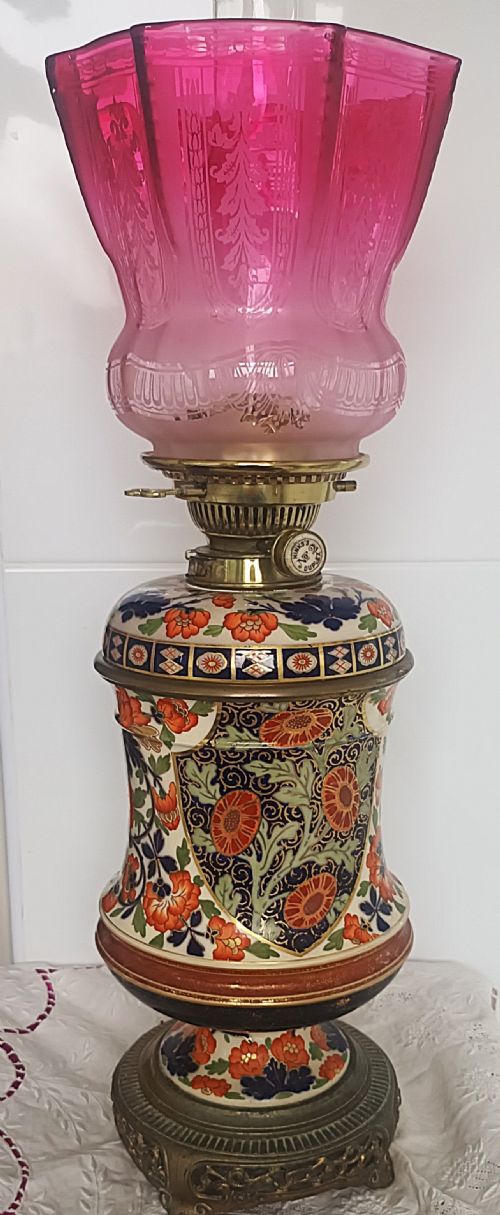
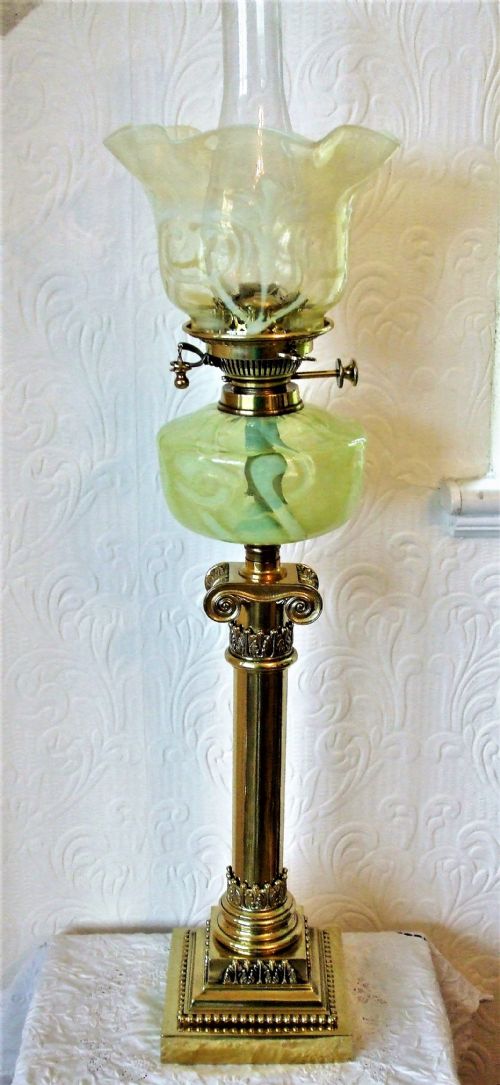
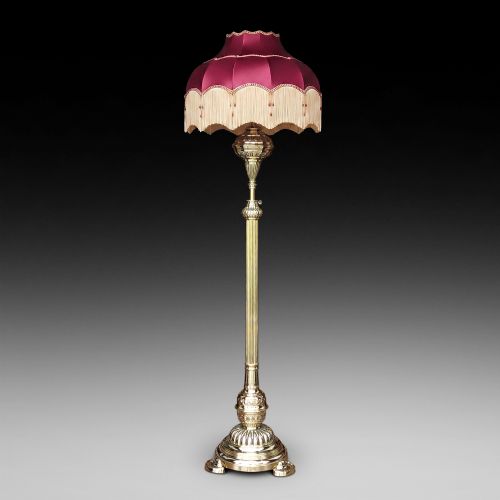
The versions most commonly met on this page are tall brass columns and extending standard lamps from the Victorian era. Many incorporate decorative fonts of opaline glass, cut glass, or ceramic bodies produced in collaboration with makers like Taylor Tunnicliff.
These fixtures span the nineteenth century and the turn of the twentieth century, displaying Victorian and Victorian Neoclassical styles. They range from modest wall brackets to monumental brass standard lamps standing tall in the room.
How They Were Made
Makers constructed these lamps using heavy cast brass for the columns, bases, and structural mounts, often pairing the metal with silver plate or bronze finishes. The fonts and reservoirs frequently utilise opaline glass, cut glass, or glazed ceramic bodies.
Mechanisms included extending standard mechanisms for adjustable height and specialised wall brackets for fixed illumination. Burners were engineered with dual wicks to increase luminosity, bearing the patented names of the firm.
Antique Hinks Lamp Retail Price Guide 2026
Typical asking prices for hinks lamp among the pieces listed under this phrase on Sellingantiques today, from the lower quarter to the upper quarter. They describe what is for sale here now, not the wider market.
The listings show pieces spanning the nineteenth century and 1900, employing brass, glass, opaline glass, fabric, ceramic, bronze, silver plate, and cut glass.
What Varies in Quality
The distinction between standard production and top tier examples lies in the ambition of the casting and the integration of materials. Monumental proportions and sophisticated Neoclassical column details separate grand standard lamps from simpler domestic table pieces.
The collaboration between the metal foundry and specialist potteries or glasshouses dictates the visual weight of the reservoir. Fine cut glass fonts and hand painted ceramic bodies demonstrate superior workshop output compared to plain brass vessels.
Joseph Hinks·Taylor Tunnicliff
The Antique Hinks Lamp Glossary
- Duplex burner
- A double wick burner system that produces a brighter flame than single wick alternatives. This mechanism was patented and widely utilised by Birmingham manufacturers.
- Standard lamp
- A tall floor standing lamp designed to illuminate a room from a raised position. These often feature extending brass shafts to adjust the height.
- Opaline glass
- A milky, semi translucent glass popular in Victorian lighting design. It provides a soft diffusion of light beneath the metal burner.
- Ionic column
- A classical architectural order featuring scroll shaped capitals. Victorian designers frequently adopted this form for tall brass oil lamp shafts.
Antique Hinks Lamp: Frequently Asked Questions
What is an antique hinks lamp?
An antique hinks lamp is a nineteenth century lighting fixture produced in England, recognised for its patented double wick burner system and robust metal construction.
These pieces typically feature brass columns, ceramic bodies, or glass fonts designed to burn paraffin or lamp oil safely in domestic interiors.
How were these oil lamps used?
These lamps provided illumination in Victorian homes before the widespread adoption of domestic electricity. Different models served specific rooms, with tall standard lamps placed in reception rooms and smaller brackets mounted to walls.
Ceiling lights and hanging paraffin fixtures were also utilised to light larger spaces from above, often featuring pulley mechanisms for lowering and filling.
How do I identify a Hinks piece?
Identification relies on finding the maker name stamped onto the metal burner thumbturns or gallery edges. The presence of the duplex mechanism combined with heavy brass casting or collaborative ceramic reservoirs points directly to the Birmingham firm.
Styles generally conform to Victorian and Victorian Neoclassical designs spanning the nineteenth century.
Can I convert these lamps to electricity?
Many standard lamps and table pieces are adapted for modern electric wiring to allow everyday use in contemporary rooms. This conversion typically runs the flex discreetly through the central brass column without altering the exterior period appearance.
Original burners and reservoirs can often be preserved alongside the internal electrical refitting.