




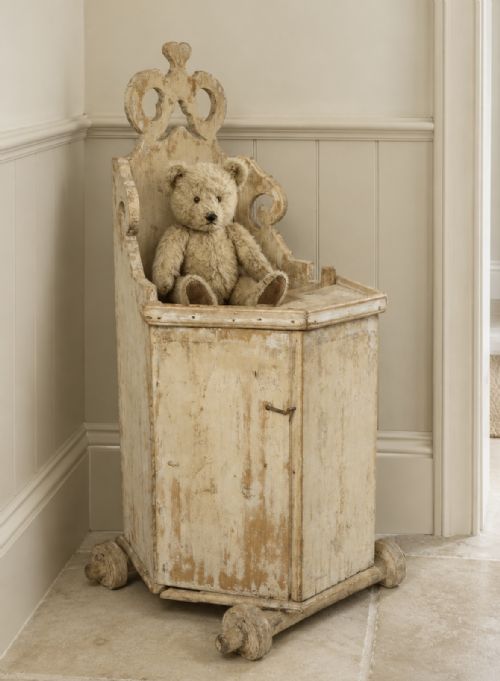


Antique Highchair
An antique highchair brings centuries of domestic history into a room, offering sturdy charm and timeless utility through traditional craftsmanship.
Antique Highchair
An antique highchair is a functional piece of children's furniture designed to elevate a small child to table height, spanning centuries of domestic design. These pieces range from simple country chairs to elaborate metamorphic models that convert into tables.
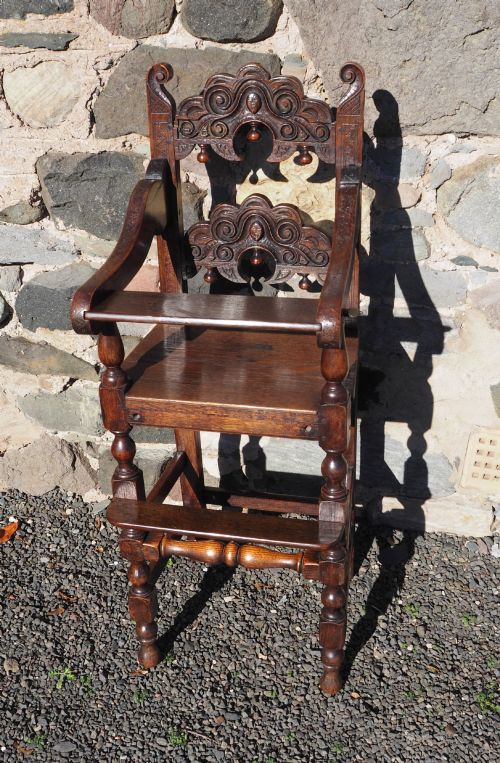
The selections on this page draw from the seventeenth century through the Edwardian period, encompassing regional English styles alongside continental European examples. You will frequently encounter robust vernacular seating in native timbers, as well as formal mahogany designs reflecting major stylistic eras.
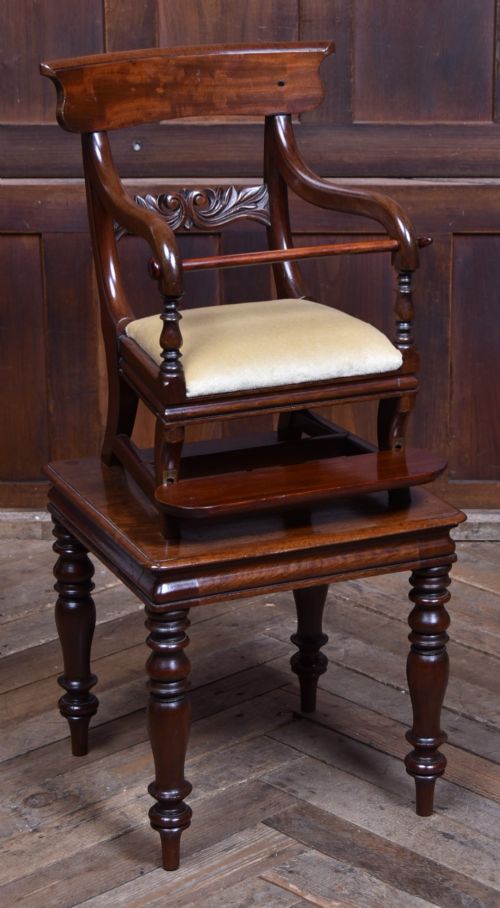
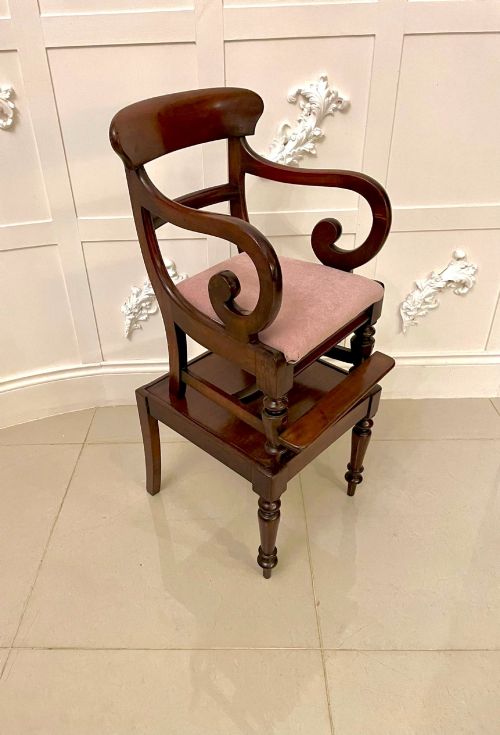
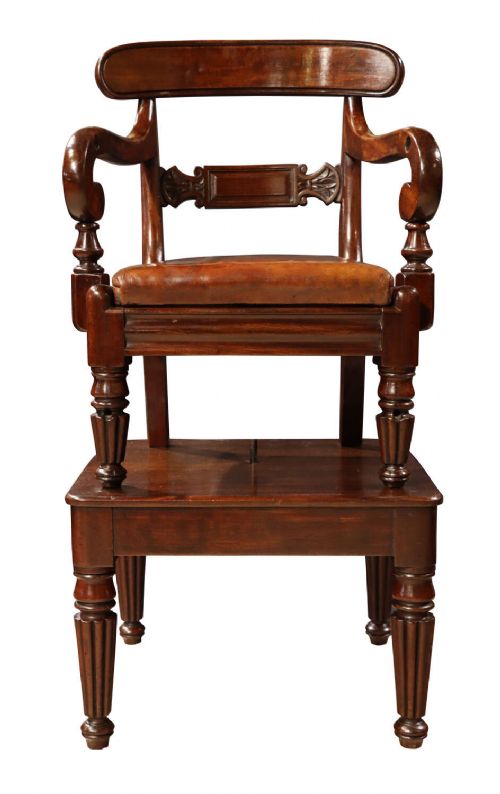
Forms vary significantly, from standard high chairs and Windsor hoopbacks to specialised chairs mounted on separate stands. Many pieces bridge the gap between utilitarian nursery items and decorative seating, showcasing the changing needs of families across different eras.
How they were made
Cabinetmakers and rural artisans utilised hardwoods like mahogany, oak, elm, ash, and beech to construct these durable seats. Timber selection often dictated the form, with flexible ash and elm suited to country Windsor construction, while dense mahogany accommodated formal George III and William IV designs.
Joinery methods range from pegged frame construction and traditional turning to steam-bending for hoopbacks and arm elements. Additional materials such as cane, leather, fabric, and brass hardware appear on specific examples to provide comfort and secure functioning.
Antique Highchair Retail Price Guide 2026
Typical asking prices for highchair among the pieces listed under this phrase on Sellingantiques today, from the lower quarter to the upper quarter. They describe what is for sale here now, not the wider market.
One remarkably preserved seventeenth-century oak chair proudly bears carved initials and a date from 1688, outlasting countless nurseries.
What varies in quality
Quality in these children's seats is defined by the integrity of the timber, the sophistication of the joinery, and the preservation of original components. Pieces utilising dense, richly grained mahogany or carefully selected native hardwoods display superior structural execution.
The presence of specialised mechanisms, such as metamorphic conversions into separate tables, elevates the design complexity. Retaining original surfaces, early cane work, or period hardware separates standard vernacular items from exceptional surviving examples.
The Antique Highchair Glossary
- Metamorphic
- Furniture designed to transform from one form into another, such as a highchair converting into a low chair and table combination. This ingenious mechanism allowed domestic items to serve multiple purposes in limited nursery spaces.
- Windsor
- A traditional chair construction method where spindles and legs are fitted directly into a solid carved wooden seat. Hoopback versions feature a continuous bentwood bow forming the back and armrests.
- Vernacular
- Everyday utilitarian objects made by regional craftsmen using local traditions rather than following strict high-style metropolitan designs. These rustic pieces rely heavily on native timbers like elm and ash.
- Bobbin turned
- Timber turned on a lathe to create a series of rounded, spool-like shapes resembling bobbins threaded together. This decorative turning style is frequently seen on seventeenth and nineteenth-century frames.
- Tub highchair
- A seating form characterised by a rounded, enclosed backrest that wraps around the occupant for security. This curved configuration provides both stability and support for a young child.
Antique Highchair: Frequently Asked Questions
Are these chairs safe for daily use?
While historic seating was built sturdily using traditional joinery, antique highchairs are generally valued as decorative objects or collectors' pieces rather than for modern nursery use.
Modern safety standards for children's furniture differ significantly from historical construction methods.
How do I identify a Georgian highchair?
Georgian examples often feature formal timber choices like mahogany, clean classical lines, and styling that mirrors adult seating of the period.
Many of these eighteenth and early nineteenth-century pieces utilise separate wooden stands to achieve the necessary elevation.
What is a chair on stand?
A chair on stand consists of a removable upper seat unit placed securely onto a matching wooden base or table frame.
This two-part construction allowed the seating portion to be used independently at a lower level once the child grew older.