



Antique Herb Drawers
Antique herb drawers are functional storage chests designed for organising botanicals, and you want one for its enduring craftsmanship and character.
Antique Herb Drawers
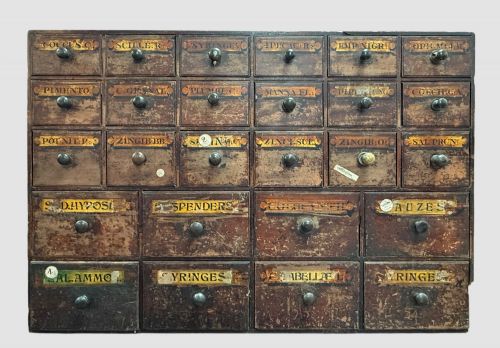
When you search for antique herb drawers, you encounter a specialised form of storage spanning apothecary chests, spice cabinets, and banks of drawers. These pieces served practical roles in dispensing and preserving dry goods, medicinals, and botanicals across domestic and professional settings.
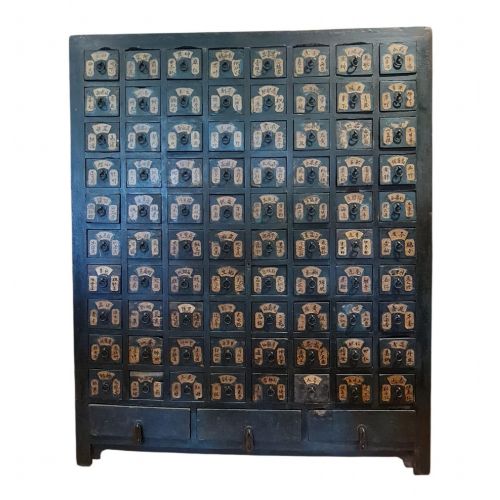
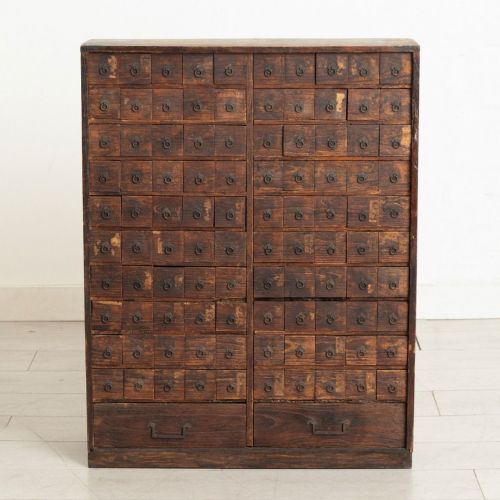
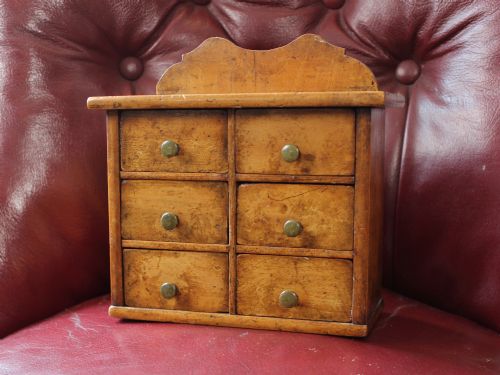
The versions you meet most frequently on this page date from the eighteenth and nineteenth centuries, originating from English country houses as well as Chinese and Japanese workshops. They range from compact wall-hanging spice boxes to grand elm chests featuring dozens of individual compartments.
Different cultural traditions shape the appearance of these cabinets, from the rustic utility of pine and oak in English pieces to the extensive compartmentalisation of elm in Chinese medicine chests. Each format reflects the specific sorting needs of its original trade or household.
How they were made
Cabinet makers constructed these pieces primarily using dense timbers such as pine, oak, elm, mahogany, and fruitwood to withstand heavy daily use. Individual drawer boxes often relied on traditional joinery to endure the constant pulling and sliding demanded by storage routines.
Hardware played an essential functional role, incorporating brass handles, drop pulls, and iron mounts that secured heavy contents while adding structural contrast. Lacquer finishes appear on certain Eastern examples, protecting the timber surfaces while enhancing the visual depth of the wood grain.
Antique Herb Drawers Retail Price Guide 2026
Typical asking prices for herb drawers among the pieces listed under this phrase on Sellingantiques today, from the lower quarter to the upper quarter. They describe what is for sale here now, not the wider market.
Some nineteenth-century apothecary chests still retain faint aromatic traces of dried roots and long-forgotten botanicals inside their deepest drawers.
What varies in quality
The division between standard utilitarian storage and finer examples rests upon the selection of timber and the complexity of the internal configuration. Pieces featuring extensive banks of numerous small drawers demand greater precision in joinery than simpler boxes with few compartments.
Original hardware, including matching brass pulls and intact lacquer or polished timber surfaces, elevates a piece above those altered or stripped over time. The integrity of the drawer construction and the harmony of the overall proportions distinguish regional workshop output.
The Antique Herb Drawers Glossary
- Apothecary chest
- A multi-drawer cabinet originally used by practitioners to store dried herbs, roots, and medical compounds. These pieces typically feature numerous small compartments to keep ingredients organised and accessible.
- Spice cabinet
- A small domestic storage unit designed for keeping culinary spices and aromatics dry and secure. They often incorporate wall-hanging formats or small tabletop designs.
- Elm
- A durable hardwood commonly utilised in regional Chinese cabinetry for its resistance to splitting under pressure. Its fibrous grain provides structural strength for large banks of drawers.
- Fruitwood
- A dense timber harvested from fruit-bearing trees, prized by cabinet makers for its smooth texture and warm tone. It appears frequently in smaller eighteenth and nineteenth-century storage pieces.
- Bank of drawers
- An arrangement of multiple small storage drawers housed within a single external frame. This configuration maximises organisation for fine or numerous items.
Antique Herb Drawers: Frequently Asked Questions
What were antique herb drawers used for?
These cabinets stored dried botanicals, medicinal ingredients, and culinary spices in homes, pharmacies, and apothecary shops. The numerous small drawers kept different substances separated and protected from moisture.
In domestic settings, smaller wall-hanging boxes held daily kitchen seasonings, while larger commercial chests managed vast pharmacopoeias of traditional remedies.
How do I date an antique herb cabinet?
Dating relies on examining the timber species, construction joinery, and the style of the hardware. Eighteenth-century pieces often display hand-sawn boards and pegged joints, whereas later nineteenth-century examples show machine-sawn consistency.
Regional characteristics also provide clues, such as the distinctive proportions and elm construction typical of nineteenth-century Chinese medicine chests compared to English oak spice boxes.
Where should I place these drawers in my home?
These compact cabinets suit kitchens, studies, or hallways where their many small compartments offer practical storage for modern collections. Wall-hanging spice boxes save surface space while tabletop apothecary chests serve as focal points.
Position them away from direct heat sources and strong sunlight to protect historic timber and traditional finishes from drying out.
Are Chinese and English herb drawers different?
English pieces generally focus on smaller domestic spice storage using oak, pine, or fruitwood, often taking the form of tabletop boxes or wall cabinets. Chinese apothecary chests are typically much larger, constructed from elm, and feature extensive grids containing dozens of small drawers.
Both traditions served the same sorting purpose, but the Eastern examples often reflect traditional herbal medicine practices requiring massive inventories of distinct ingredients.