





Antique Heavy Bench
An antique heavy bench grounds a room with mass and utility, drawing on periods from the Victorian era to the twentieth century.
Antique Heavy Bench
An antique heavy bench encompasses substantial forms built for gardens, workshops, and halls, spanning periods from the nineteenth century through the Edwardian years and into the 1930s. When searching for an antique heavy bench, buyers encounter pieces fashioned primarily from robust timbers like oak, beech, walnut, and pine, frequently paired with cast iron elements.
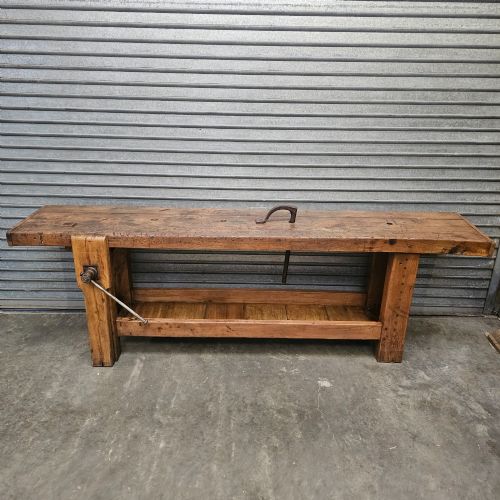
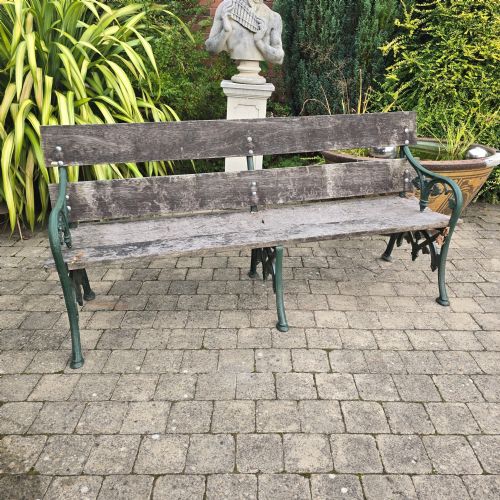
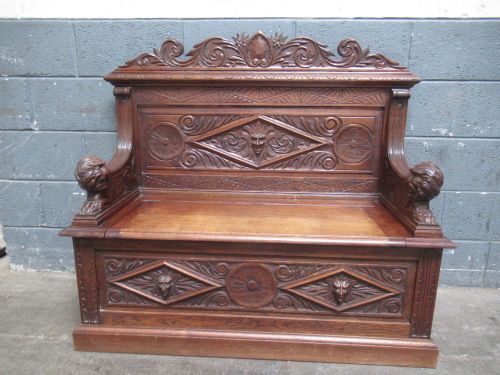
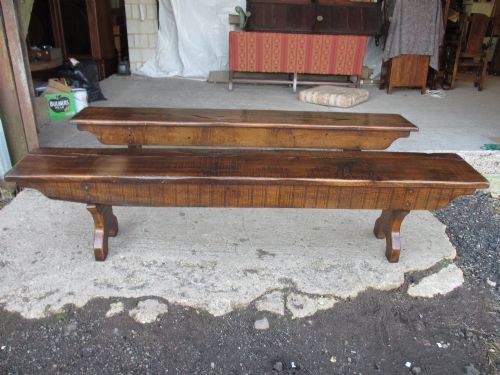
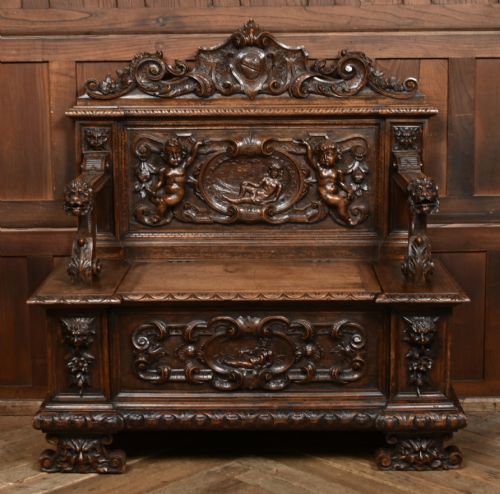
The selections on this page range from utilitarian French artisans' workbenches fitted with vices and foundry tables to carved oak settle benches, hall seats, and garden garden settees. Alongside domestic seating, the listings include club fenders incorporating iron and leather, alongside refectory tables accompanied by matching bench forms.
Origins stretch across English, French, Dutch, and Italian traditions, drawing on styles such as Victorian rustic, French provincial, Italian Renaissance revival, and Art Deco. These pieces serve practical functions in hallways, dining spaces, gardens, and studies while carrying the material weight and patina of earlier centuries.
How they were made
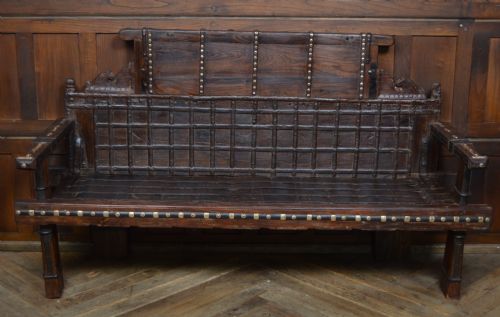
Construction relies on heavy timbers including oak, pine, beech, and walnut, joined with structural integrity to bear considerable weight and daily use. Artisans utilised thick planks for tabletops and seats, supported by shaped trestle ends, sturdy legs, and robust framing.
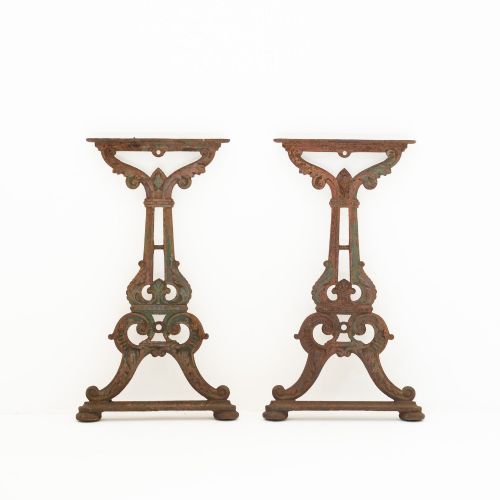
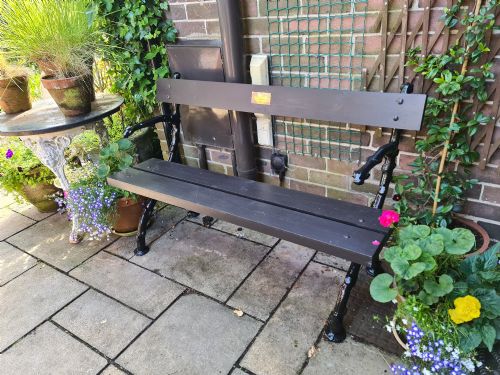
Cast iron and iron components provide structural reinforcement and decorative detail, visible in garden bench frames, industrial table bases, and club fenders. Leather appears on specialised upholstered pieces, while hand-carving defines the decorative surfaces of Victorian and Italian Renaissance revival seating.
Antique Heavy Bench Retail Price Guide 2026
Typical asking prices for heavy bench among the pieces listed under this phrase on Sellingantiques today, from the lower quarter to the upper quarter. They describe what is for sale here now, not the wider market.
Several French artisans' benches still retain their original working vices, ready for centuries of stubborn woodwork.
What varies in quality
The calibre of timber selection and the depth of joinery distinguish utilitarian workshop pieces from formal domestic seating. Superior examples feature dense, well-figured oak or walnut, alongside finely executed hand-carving on panels and trestle ends.
Integrity of original materials plays a central role, distinguishing pieces retaining their authentic vices, cast iron supports, and leather upholstery from later replacements. The balance between industrial utility and decorative refinement marks the division across these varied forms.
William Birch
The Antique Heavy Bench Glossary
- Cassapanca
- A traditional Italian wooden bench with a high back and arms, featuring a storage chest built into the base seat. These pieces often display elaborate Renaissance revival carving.
- Refectory table
- A long, narrow dining table traditionally used in monasteries and large halls, frequently accompanied by matching heavy bench forms in Edwardian examples.
- Club fender
- A low, U-shaped hearth seat featuring an iron or brass frame topped with upholstered leather cushions. They provide substantial seating around an open fireplace.
- Settle
- A wooden wooden bench with a high back, solid arms, and enclosed storage or skirt beneath the seat to block drafts in older interiors.
- Trestle ends
- Supporting frameworks at either end of a bench or table, connected by a central stretcher to provide stability for heavy loads.
Antique Heavy Bench: Frequently Asked Questions
Where should I place a heavy wooden bench?
These substantial pieces anchor high-traffic areas like entrance halls, large kitchens, and boot rooms where their weight and sturdy construction withstand daily use. Oak benches and settle seats also suit dining spaces when paired with refectory tables.
In outdoor settings, cast iron and timber garden benches withstand the elements while providing permanent seating along paths or lawns.
How do I care for antique timber and iron?
Maintain wooden surfaces by applying appropriate wax or oil periodically to nourish the grain and protect against dryness without sealing the historic patina. Keep iron and cast iron components clean and dry to prevent surface corrosion.
Leather elements on club fenders benefit from conditioning treatments designed to keep the hide supple and prevent cracking over time.
What is the difference between a workbench and a hall bench?
Workbenches originate from trade and industrial environments, featuring thick working tops, wooden vices, and utilitarian pine or beech construction designed for heavy labour. They reflect practical workshop use.
Hall benches and settle seats belong to domestic interiors, incorporating decorative carving, backrests, and refined timber finishes suited for greeting visitors.
How do I identify the period of an antique bench?
Examine the construction methods, tool marks, and wood species, as Victorian and Edwardian pieces often display machine-assisted joinery alongside hand-finished details. Stylistic clues such as Art Deco leather work or Italian Renaissance revival carving point directly to specific design movements.
Materials like cast iron frames and specific hardware help narrow down the manufacturing decade between the mid-nineteenth and early twentieth centuries.