



Antique Hardware Box
These antique hardware box pieces combine period utility and strong metal fastenings, offering robust storage and historic character for modern spaces.
Antique Hardware Box
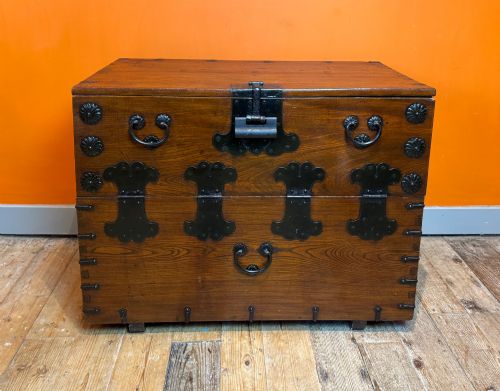
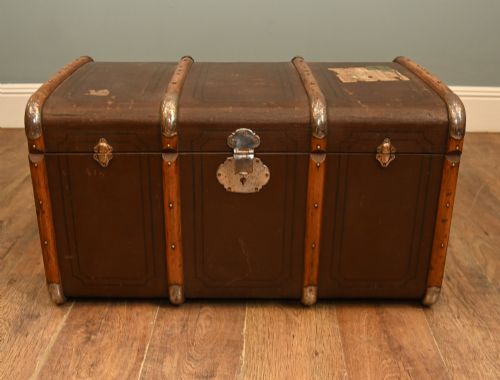
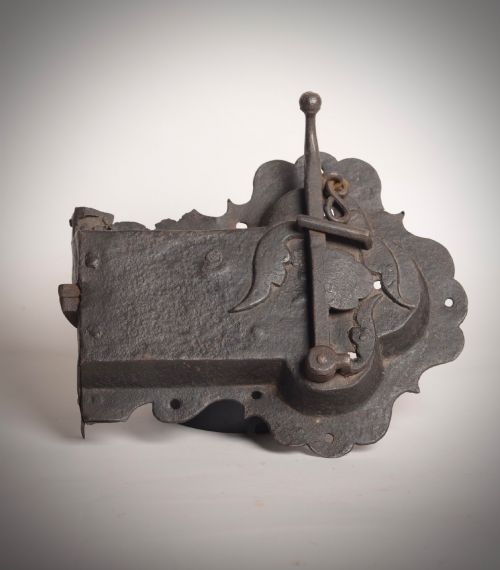
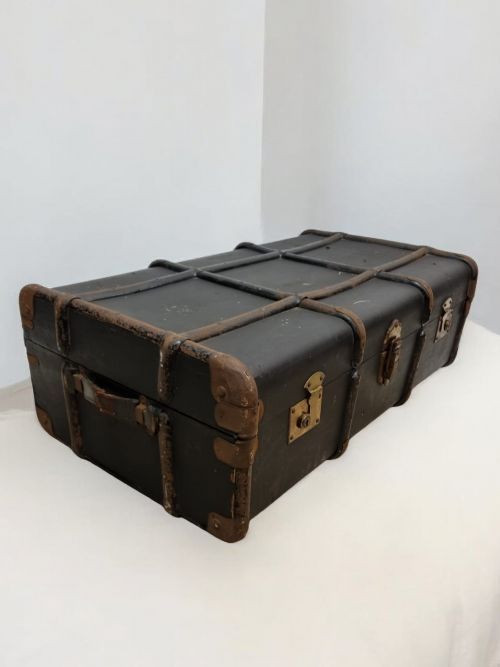
An antique hardware box serves as a functional container fitted with period metalwork, encompassing smaller storage vessels like salt boxes, deed boxes, and secure locks. These objects display the practical domestic or commercial requirements of their respective eras.
The selections here span centuries, ranging from seventeenth-century oak country pieces to Victorian brass letter boxes and Georgian steel box locks. Buyers encounter various utilitarian forms, from wall-mounted storage to large chests secured with heavy fastenings.
Materials and construction methods
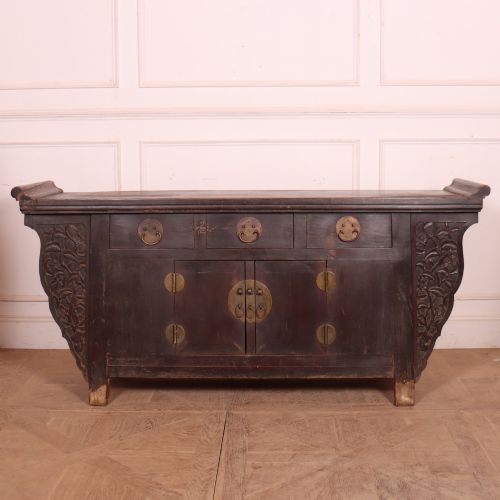
Construction relies heavily on sturdy timbers such as oak, elm, walnut, and camphor, jointed to withstand heavy daily use. Makers integrated functional elements directly into the wooden carcasses.
Metal components like iron, brass, steel, and bronze form an integral part of the manufacture. These metals appear as visible hinges, decorative keyplates, drop handles, and robust locking mechanisms fixed with handmade screws or rivets.
Antique Hardware Box Retail Price Guide 2026
Typical asking prices for hardware box among the pieces listed under this phrase on Sellingantiques today, from the lower quarter to the upper quarter. They describe what is for sale here now, not the wider market.
Periods represented across the hardware box selection include the seventeenth century, Georgian, Victorian, and nineteen-twenty.
Quality variations across the range
Distinction in quality often rests on the integrity of the original metal hardware relative to the wooden body. Retaining matching original keys, working locks, and unblemished brass or iron mounts elevates a piece significantly.
The refinement of the joinery and the presence of decorative surface treatments, such as early painted traces or fine brass embellishments, separate standard utilitarian items from superior examples.
The Antique Hardware Box Glossary
- Rim lock
- A mechanical locking device mounted directly onto the surface of a door or box lid rather than mortised inside. These locks often feature visible brass or iron cases.
- Salt box
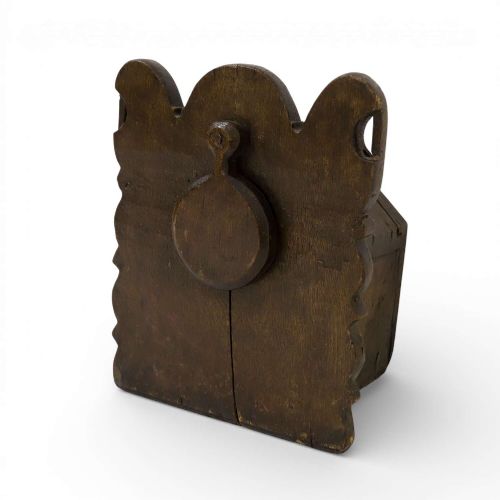
- A wall-hung or tabletop container designed to keep domestic salt dry. They typically feature a hinged sloping lid and a backboard with a suspension hole.
- Keep
- The metal bracket or plate attached to the frame or opposing side of a box or door into which the bolt slides. A secure keep ensures the locking mechanism functions properly.
- Pelmet
- A decorative framework placed above a window to conceal curtain fixtures. Examples in brass exhibit detailed period casting.
- Embellishment
- Ornamental detail added to a functional surface. On hardware boxes, this includes decorative brass plates or shaped steel mounts around keyholes.
Antique Hardware Box: Frequently Asked Questions
What is an antique hardware box?
An antique hardware box is a period container or locking mechanism defined by its functional metal fastenings, hinges, and plates. These items range from wall salt boxes to secure desk or deed boxes.
Such pieces highlight the industrial and domestic metalworking skills of periods spanning the seventeenth century through to the Victorian era.
How were these boxes used originally?
Original uses varied widely depending on the specific form, from storing dry kitchen goods like salt to securing valuable documents and currency with heavy locks. Many were built for daily utility in homes, shops, or offices.
Letter boxes and door hardware served civic or residential entry points, managing post and access before modern mass production.
How do I identify the period of the hardware?
Period identification relies on observing the combination of wood types, fastener styles, and manufacturing techniques. Seventeenth-century items often show hand- cleft oak and forged iron, while Victorian pieces frequently feature cast brass and steel.
Subtle shifts in the shaping of keyplates and screw types also help distinguish Georgian work from later nineteenth-century manufacturing.