

Antique Hanging Wall Unit
An antique hanging wall unit brings compact period character and practical display space to any room.
Antique Hanging Wall Unit
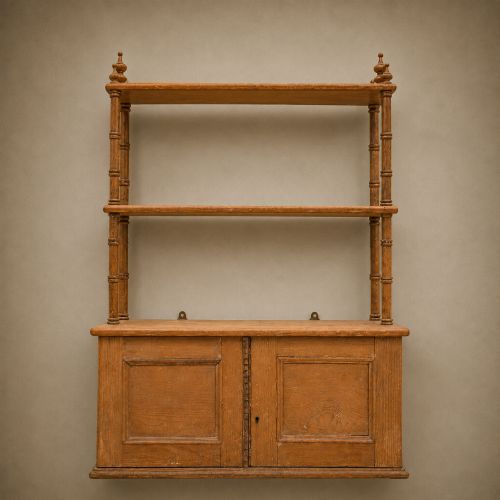
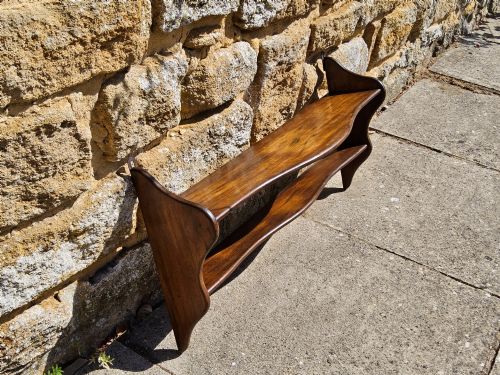
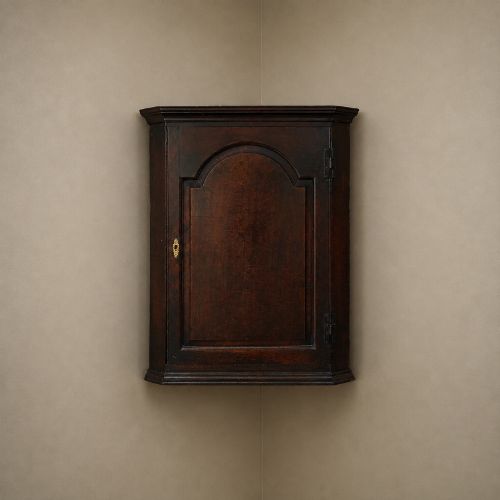
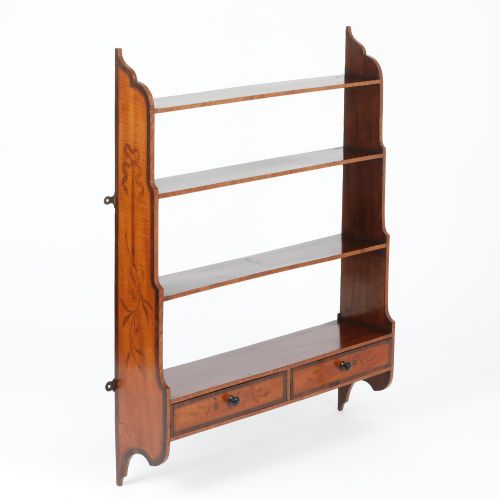
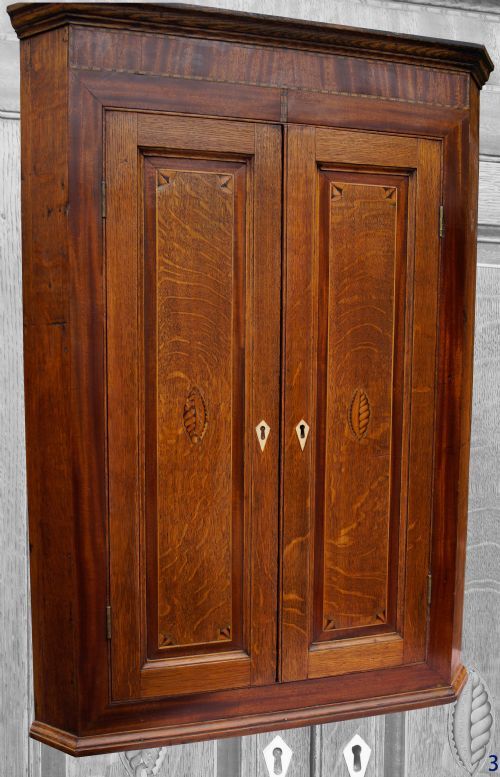
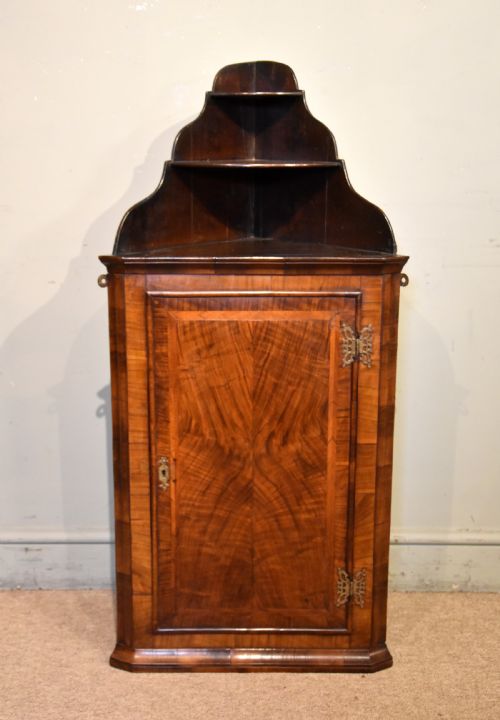
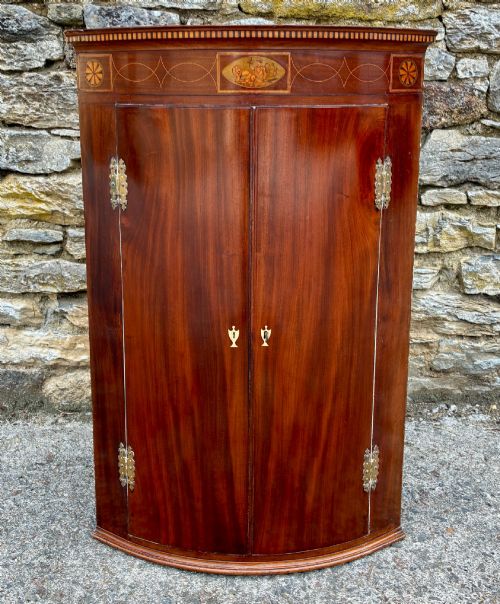
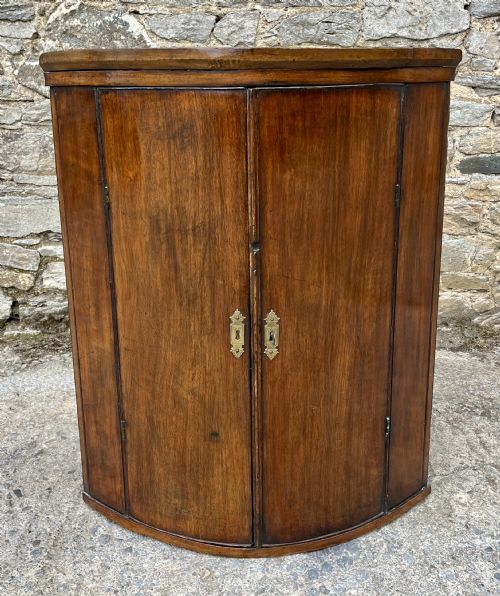
An antique hanging wall unit comprises a variety of wall-mounted storage forms designed to save floor space while displaying or concealing domestic items. The selection centres heavily on corner cupboards, wall shelves, and hanging cabinets originating from periods spanning the eighteenth and nineteenth centuries.
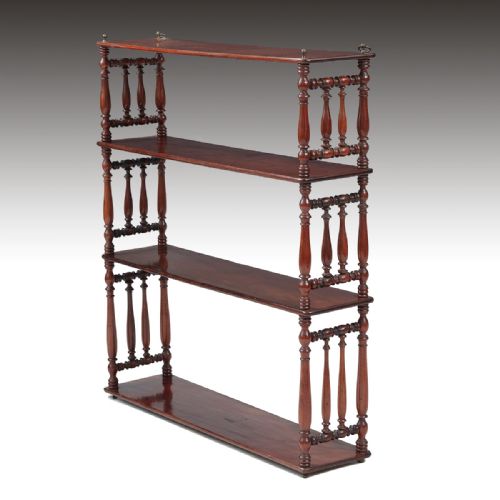
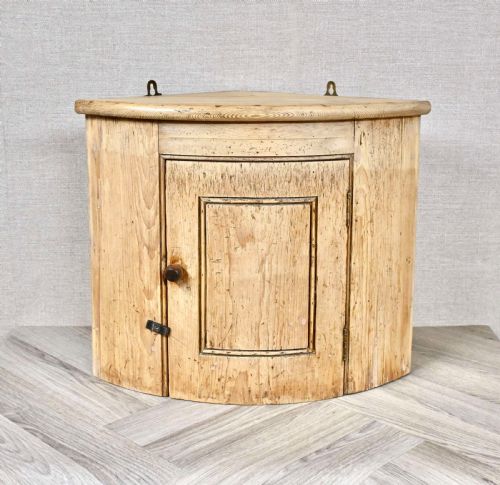
Buyers will frequently encounter timber corner cupboards and open wall shelves dating from the Georgian and Victorian eras. These range from simple pine kitchen racks to refined mahogany and walnut display units intended for parlours and living spaces.
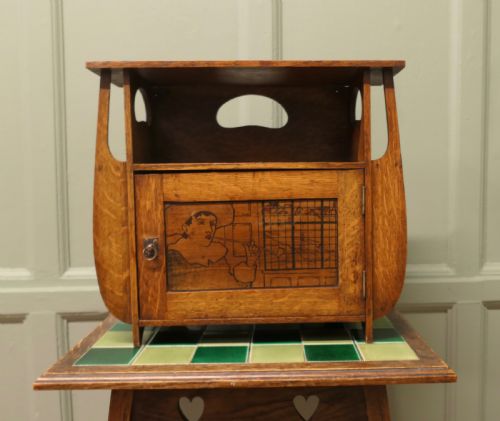
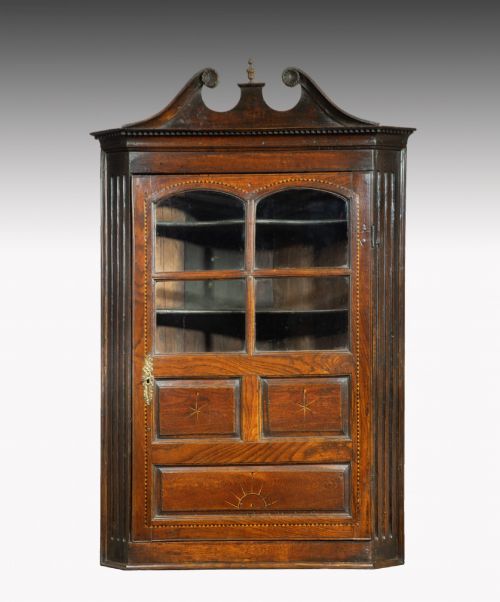
The assortment also includes specialised pieces such as Edwardian glazed wall cabinets, Arts and Crafts oak magazine racks, and Regency mahogany hanging shelves. Each form reflects the domestic storage needs of its respective period, from displaying porcelain to holding books.
How they were made
Cabinet makers utilised a range of solid woods and veneers, most notably mahogany, oak, walnut, and pine. Pieces were constructed using traditional joinery appropriate for hanging furniture, ensuring sufficient strength to support books or crockery while suspended from a wall.
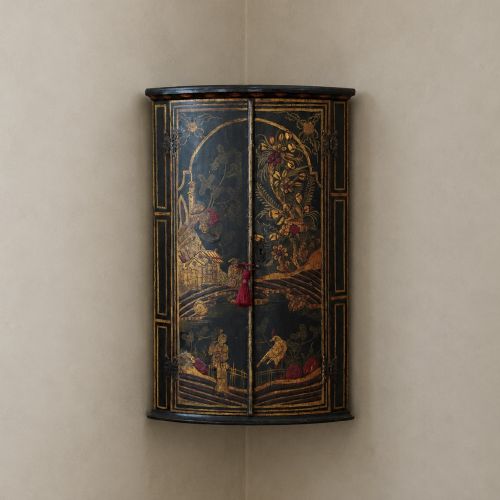
Surface treatments varied widely according to fashion, encompassing polished mahogany, waxed oak, and painted wood finishes including japanned Chinoiserie. Decorative elements such as brass hardware, inlaid satinwood, and hand-painted details were applied to elevate the visual appeal of finer examples.
The documented styles span Georgian, Regency, Victorian, Edwardian, Arts and Crafts, and English Country traditions.
What varies in quality
The distinction between standard domestic items and superior examples lies primarily in the choice of timber and the sophistication of the decorative work. Finer pieces employ dense, well-figured mahogany, walnut, or quarter-sawn oak, often enhanced by intricate inlay or careful hand-painting.
Construction details also dictate the standing of a piece, such as the use of broken arch pediments, shaped shelving, or glazed doors with original glass. Simpler utilitarian items in pine contrast with refined Georgian and Victorian cabinets designed to serve as formal interior focal points.
The Antique Hanging Wall Unit Glossary
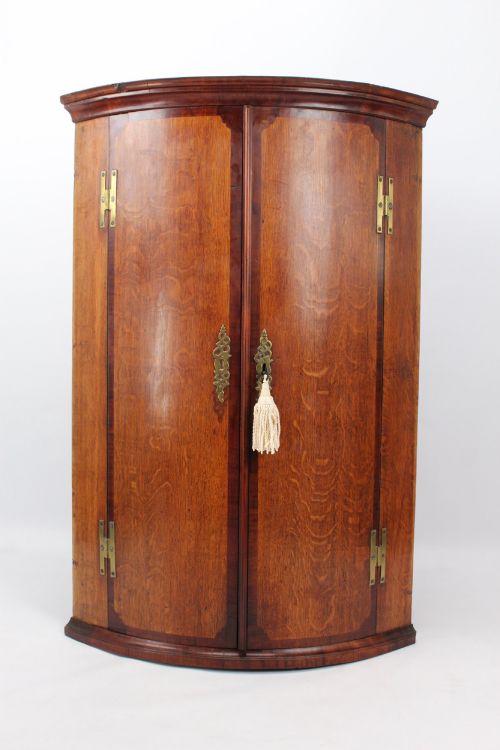
- Bow front
- A curved convex front profile popular on eighteenth and nineteenth-century corner cupboards. This shape softens the angles of a room while providing increased interior storage depth.
- Pediment
- The decorative architectural crowning structure placed above a cabinet or shelf. Elaborate examples include broken arch designs found on superior Georgian pieces.
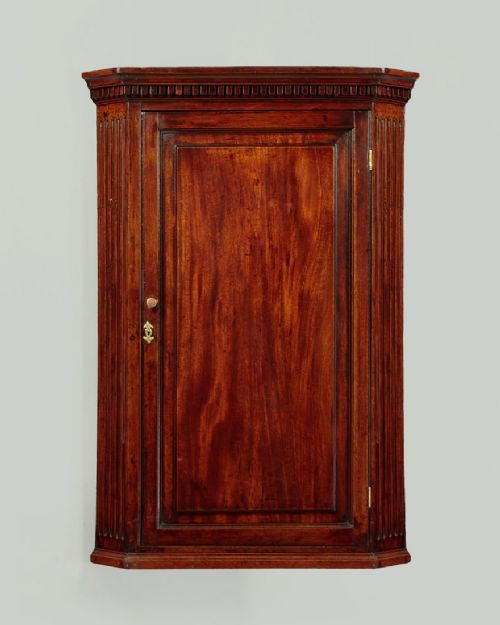
- Corner cupboard
- A specialised storage unit designed to fit neatly into the ninety-degree angle of a room. These spaces-saving forms were a staple of Georgian and Victorian domestic interiors.
- Waterfall bookshelves
- Graduated open shelves where each tier steps back from the one below. This style creates a cascading silhouette popular during the Regency period.
Antique Hanging Wall Unit: Frequently Asked Questions
How do I hang an antique wall unit safely?
Suspension requires locating suitable wall studs or utilising heavy-duty wall anchors rated for the weight of hardwood timber. Professional installation ensures the cabinet remains secure under load.
Historical mounting points on the piece itself should be inspected and supplemented with modern brackets if original hardware appears compromised.
Were corner cupboards meant for kitchens or parlours?
Their placement depended entirely on the timber and finish used by the maker. Plain pine versions served utilitarian purposes in kitchens, while mahogany and walnut variants occupied formal parlours or dining rooms.
Finer examples often featured glass doors to display porcelain and glassware rather than everyday provisions.
How can I tell a Georgian piece from a Victorian one?
Georgian pieces generally exhibit restrained classical proportions, often utilising dense mahogany or oak with subtle string inlay. Cabinetry from this era emphasises structural harmony and architectural details like cornices.
Victorian furniture frequently displays heavier proportions, varied revival styles such as Gothic or Arts and Crafts, and sometimes more exuberant surface decoration.
Can these units hold heavy books?
Open wall shelves and bookcases from the nineteenth century were built to carry substantial volumes, particularly portable mahogany bookshelves. However, the condition of the wall fixings and shelf supports must be verified before loading.
Heavier items are best placed on the lower tiers of graduating shelf units to maintain stability.