





Antique Hanging Globes
Antique hanging globes bring spherical presence and diffused light to interiors, spanning practical lighting and curious timepieces from past decades.
Antique Hanging Globes
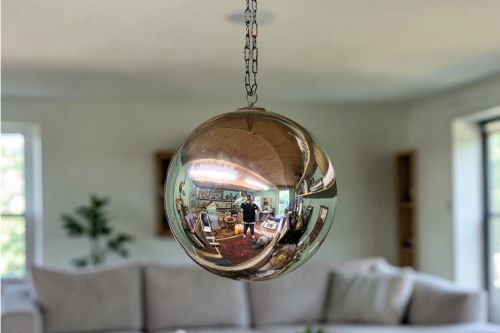
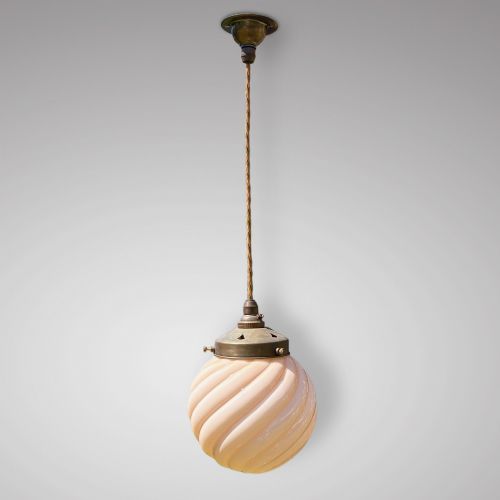
When you search for antique hanging globes, you encounter spherical lighting fixtures and occasional mechanical clocks suspended from ceilings. These pieces primarily date from the 19th century through the mid-20th century, encompassing Edwardian, Art Nouveau, and Art Deco designs.
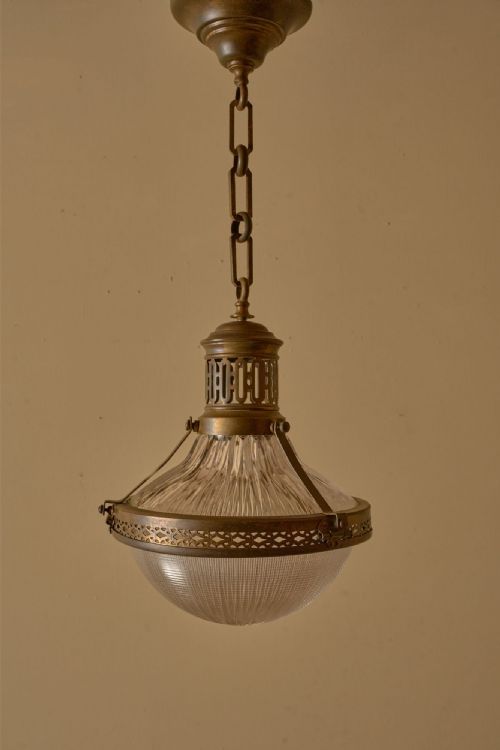
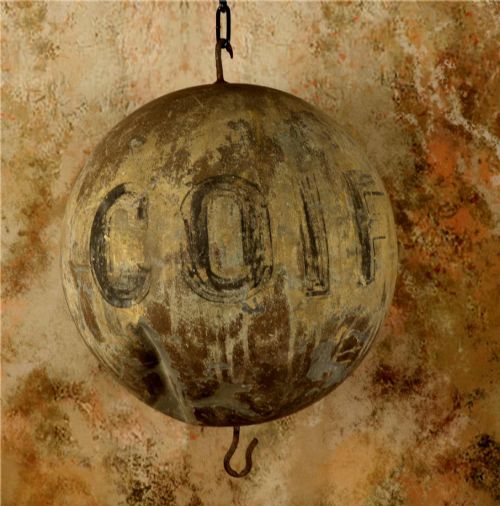
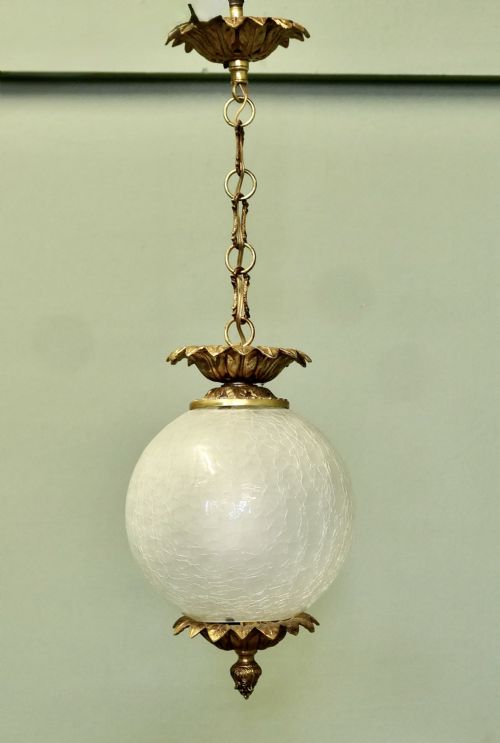
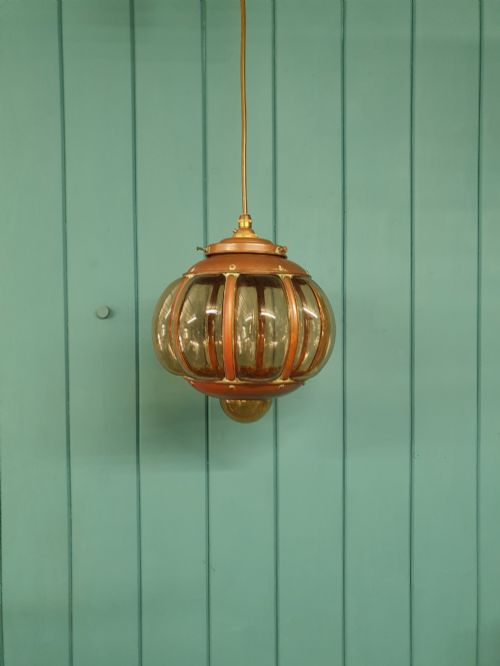
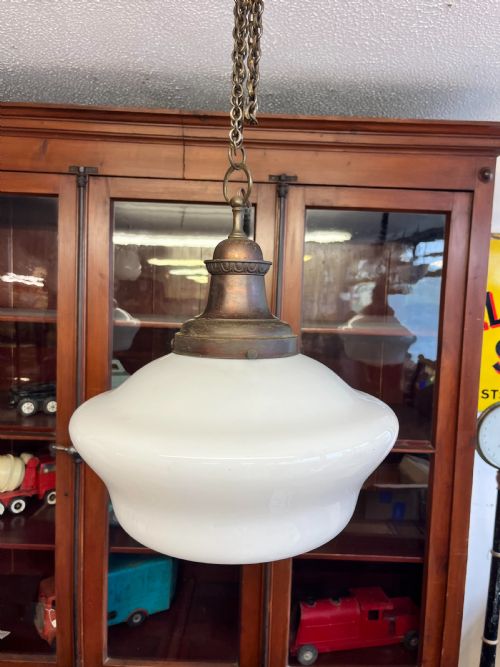
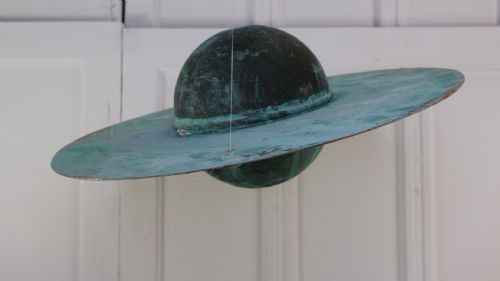
The most common forms on this page are pendant lights featuring glass globes suspended by brass, copper, or nickel-plated metal hardware. You also find specialised pieces such as pharmacy lights, chapel lights, and mystery clocks housed in spherical forms.
Origins span English, French, and Italian workshops, reflecting diverse aesthetic movements from nautical utility to sleek modernist lines. Materials range from opaline and smoked glass to bronze and fabric flex.
How they were made
Glassmakers blew or moulded silicate into spherical bulbs, utilising opaline, moonstone, smoked, and crackle finishes to soften harsh illumination. These glass elements required careful manipulation of temperature and chemical content to achieve uniform opacity or distinct colourations like green and purple.
Metalworkers formed suspension hardware, galleries, and cages from brass, copper, bronze, and nickel-plated metal. These structural components were cast, spun, or hammered to support the weight of the glass globe while integrating with period electrical wiring or mechanical clock movements.
Antique Hanging Globes Retail Price Guide 2026
Typical asking prices for hanging globes among the pieces listed under this phrase on Sellingantiques today, from the lower quarter to the upper quarter. They describe what is for sale here now, not the wider market.
Listings feature glass materials including opaline, moonstone, smoked, crackle, and moulded variants across Edwardian, Art Nouveau, and Art Deco styles.
What varies in quality
The distinction between ordinary and exceptional pieces lies in the integration of materials and the sophistication of the design. Heavy cast bronze or brass mounts paired with thick, hand-finished glass indicate superior construction compared to lighter stamped metals and thin press-moulded glass.
Provenance and stylistic attribution elevate certain objects, particularly pieces displaying distinct Art Deco or Art Nouveau motifs by named designers or specific regional workshops like Murano. The complexity of the internal mechanism in clock variants or the scale and rarity of the glass globe similarly determine the tier of the piece.
Émile-Jacques Ruhlmann
The Antique Hanging Globes Glossary
- Opaline glass
- A milk-white or tinted translucent glass popular in 19th and early 20th-century lighting. It diffuses light evenly without harsh glare.
- Pendant light
- A solitary light fixture suspended from the ceiling by a cord, chain, or metal rod. These direct illumination downward into a space.
- Smoked glass
- Glass treated during production to create a darkened, translucent finish. It subdues the brightness of internal bulbs.
- Art Deco
- A design style prevalent in the 1920s and 1930s characterised by geometric symmetry and streamlined forms. It superseded more organic floral aesthetics.
Antique Hanging Globes: Frequently Asked Questions
What are antique hanging globes?
Antique hanging globes are spherical ceiling-suspended objects, predominantly pendant lights and occasional clocks, produced from the 19th century through the 1930s. They combine glass bulbs with metal hardware in styles ranging from Edwardian to Art Deco.
These pieces served functional roles in homes, shops, and chapels while reflecting the design priorities of their respective decades through materials like opaline, bronze, and smoked glass.
How were hanging globes used?
Original usage involved illuminating interior spaces such as hallways, rooms, and commercial premises, or housing clock movements. Pendant lights hung from ceilings to provide ambient or task lighting.
Their spherical shapes ensured light dispersed evenly across a room, while specialised versions like chapel or pharmacy lights met specific institutional requirements for reliable illumination.
How do I live with hanging globes?
Living with these fixtures involves hanging them at appropriate heights in rooms with sufficient ceiling clearance, such as entryways, living spaces, or above tables. They function as both light sources and sculptural focal points.
Wiring should be checked by a professional to ensure compatibility with modern electrical standards, and bulbs should be chosen to match the thermal tolerances and transparency of the historic glass.
How do I tell periods apart?
Periods are identified through decorative motifs, metal types, and glass treatments characteristic of specific eras. Edwardian and 19th-century pieces often feature heavier brass or copper with traditional forms, whereas 1920s and 1930s pieces showcase Art Deco geometry and nickel-plated metal.
Art Nouveau examples from around 1900 display organic green glass and flowing lines, contrasting with the streamlined designs of later decades.