


Antique Hanging Fixture
An antique hanging fixture illuminates a room from above, bringing period character and warm illumination through brass, bronze, and glass forms.
Antique Hanging Fixture
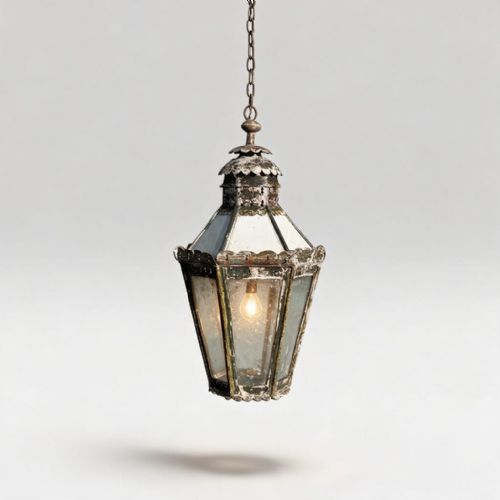
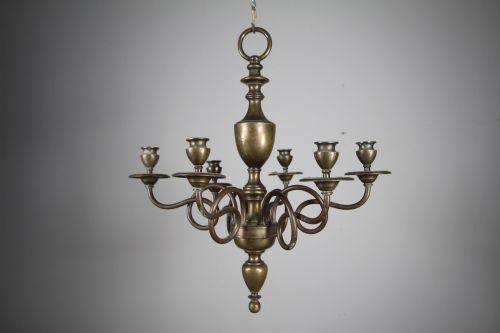
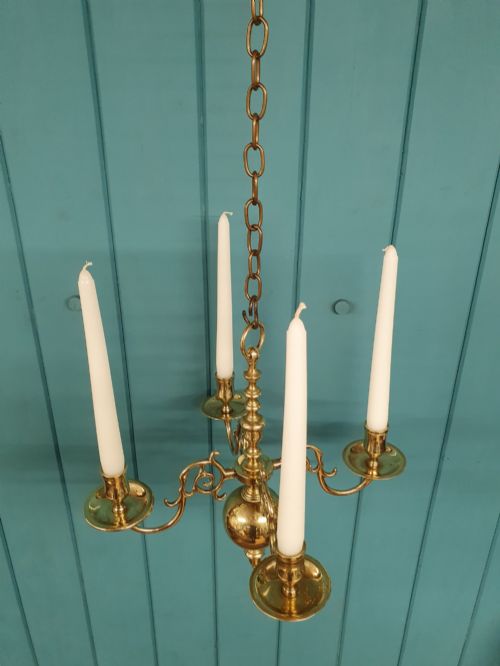
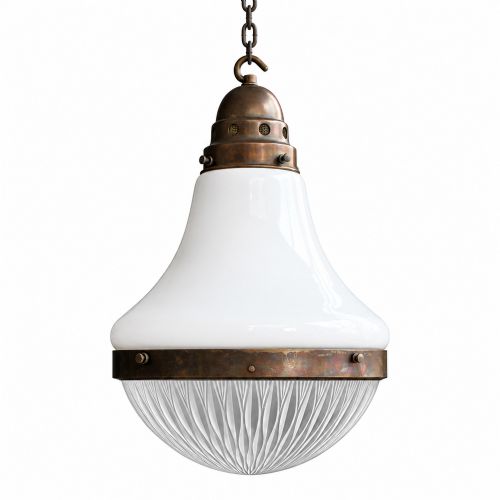
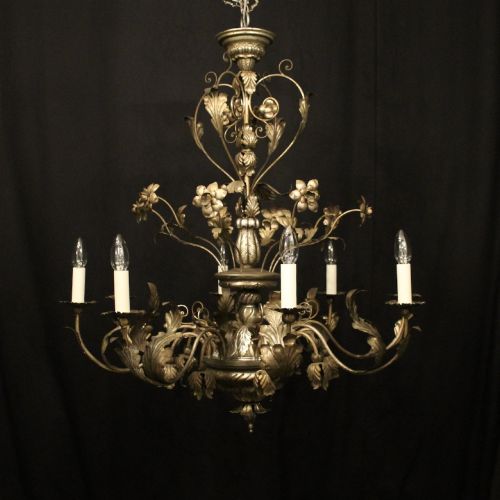
Chandeliers and pendant lights dominate the offerings, appearing in configurations ranging from simple single-bulb drops to multi-arm candle styles. Hall lanterns and ceiling lights also feature heavily, often taking architectural forms like the Moravian star or convex glass shapes.
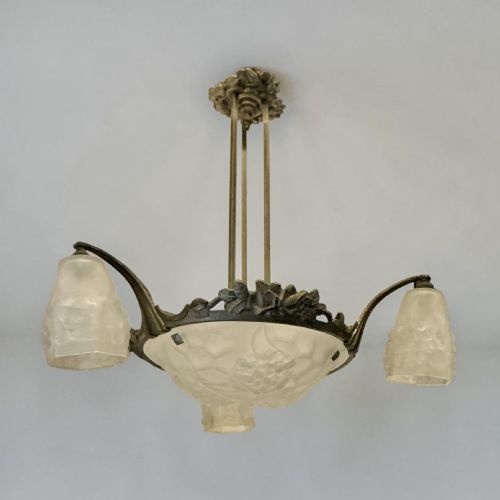
The periods represented stretch across the nineteenth and early twentieth centuries, capturing the shift from candle-based illumination to electric lighting. Pieces from the 1920s and 1930s frequently showcase Art Deco aesthetics alongside revived French Neoclassical and Rococo motifs.
Materials and construction methods
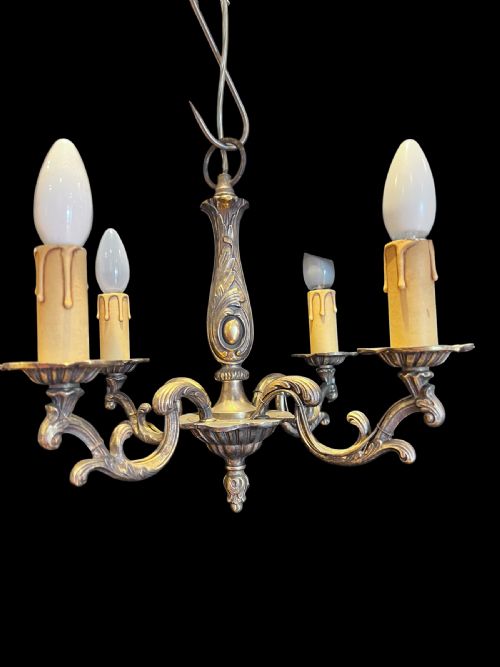
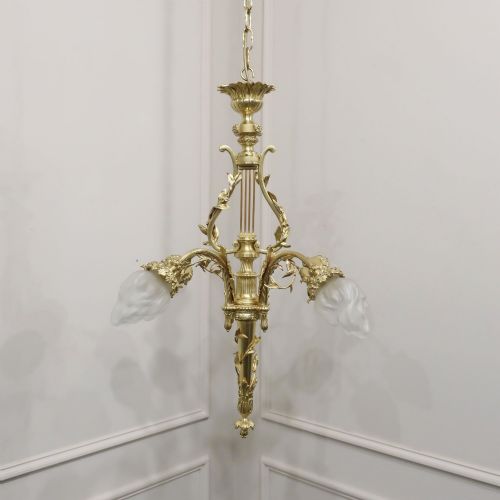
Makers utilised cast and pressed brass, bronze, and gilt metals to form the structural frames of these lights, often applying silver or gold gilding for enhanced visual weight. Glass and crystal elements, including cut glass, leaded panels, and bevelled panes, were integrated to refract and diffuse the illumination.
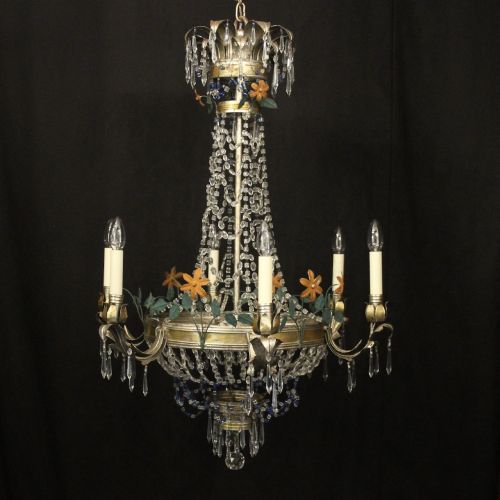
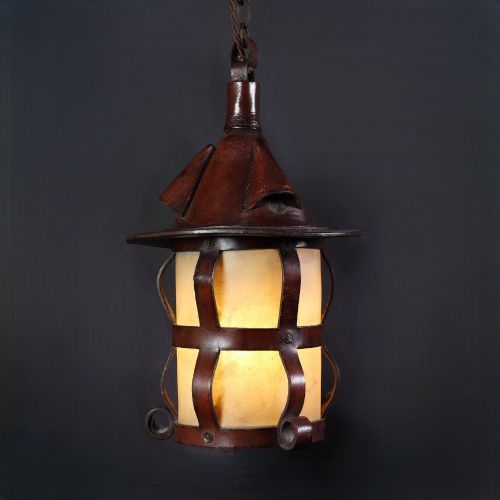
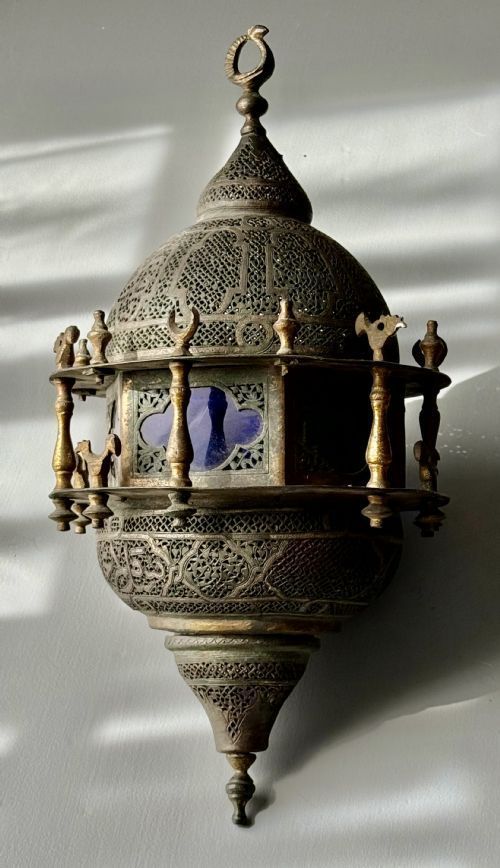
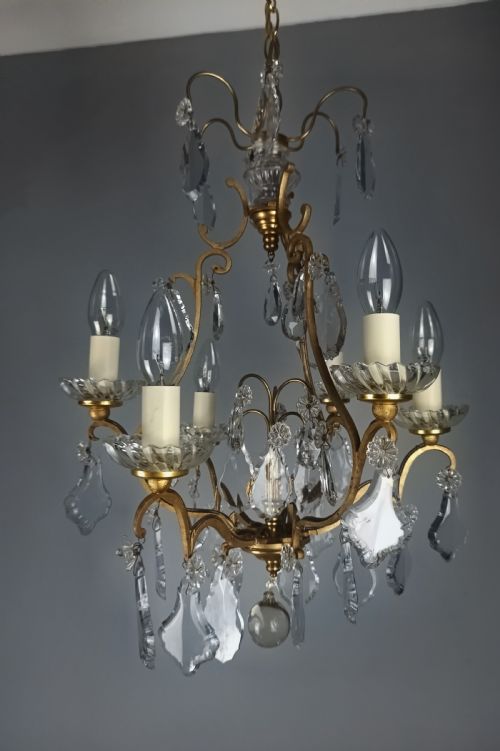
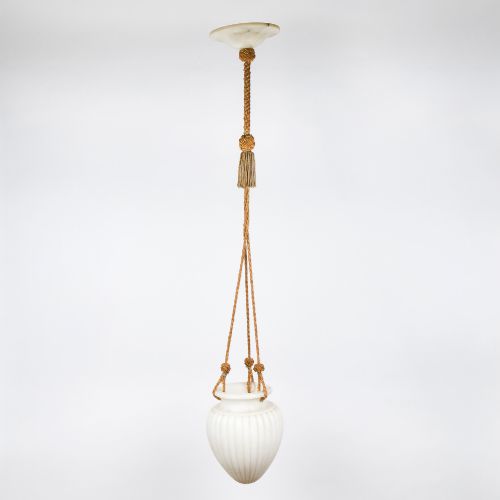
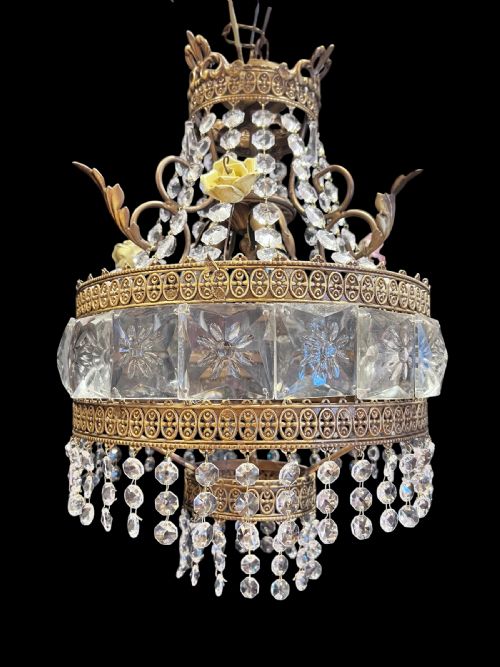
Specialised techniques distinguish the various styles, such as hand-stitched leather and vellum on Arts and Crafts lanterns, or pierced brass work on Moorish designs. Chandeliers frequently incorporate crystal lustres and ceramic floral adornments, while other fixtures rely on white alabaster or moonstone glass bowls.
Listings span the nineteenth and early twentieth centuries, featuring materials from raw copper and alabaster to gilt bronze and leaded glass.
Factors that distinguish the work
Quality rests in the precision of the metal casting and the intricacy of hand-finished details, such as chased bronze mounts or carefully soldered leaded glass. Superior pieces display substantial weight in their brass or bronze frames and utilise high-grade crystal or cut glass that delivers sharp refraction.
The integrity of the original components, from suspended crystal drops to matching ceiling canopies, determines the overall standing of a fixture. Artisanal touches, including hand-stitched elements or hand-painted ceramic flowers, elevate the execution above standard commercial production.
Degué·Émile-Jacques Ruhlmann
The Antique Hanging Fixture Glossary
- Chandelier
- A branched decorative ceiling fixture designed to hold multiple light sources. These fixtures frequently incorporate arms for candles or electric bulbs.
- Lustre
- A cut glass pendant or drop hung from a chandelier to reflect light. Lustres catch and scatter illumination across the surrounding interior.
- Toleware
- Painted or lacquered metalware, often decorated with floral motifs. This technique frequently appears on French ceiling lights and chandeliers.
- Alabaster
- A fine-grained, translucent stone carved into bowls or shades for hanging lights. It diffuses light into a soft, even glow.
- Tent and waterfall
- A chandelier configuration where strings of crystal beads form a tent shape over a cascade of further crystals. This layout creates a dense display of refracted light.
Antique Hanging Fixture: Frequently Asked Questions
How do I hang a heavy antique chandelier safely?
Heavy chandeliers and lanterns require direct anchoring to a ceiling joist using a rated steel hook and junction box. Professional installation ensures the weight of the bronze or brass frame is properly supported.
Electrical wiring inside older fixtures often requires updating to meet modern safety standards. A qualified electrician can rewire the internal channels while preserving the exterior metal and glass components.
Can these fixtures be converted for modern electricity?
Most antique hanging fixtures have already been adapted for electrical use or can be easily rewired with standard lamp holders. The conversion process preserves the external aesthetic of the brass, bronze, or glass body.
Using low-heat LED bulbs that mimic the warmth of traditional candles helps protect delicate materials like vintage silk shades, leather, and antique glass from heat damage.
How do I clean crystal lustres on a hanging light?
Crystal lustres and glass panes benefit from gentle cleaning with a mild solution of warm water and dish soap. Individual drops should be wiped dry with a lint-free cloth to maintain their refractive clarity.
For fixed glass panels and metal frames, a soft brush removes dust without disturbing aged patinas on gilt bronze or brass surfaces.
What is the difference between a hall lantern and a pendant light?
Hall lanterns feature enclosed glass sides held within a metal frame, originally designed to protect candle or oil flames from drafts in narrow entryways. They project a contained, directional light suitable for corridors and vestibules.
Pendant lights typically suspend a single shade or bulb openly from a cord or chain. This design directs illumination downward or diffuses it broadly across a room rather than enclosing the light source.