



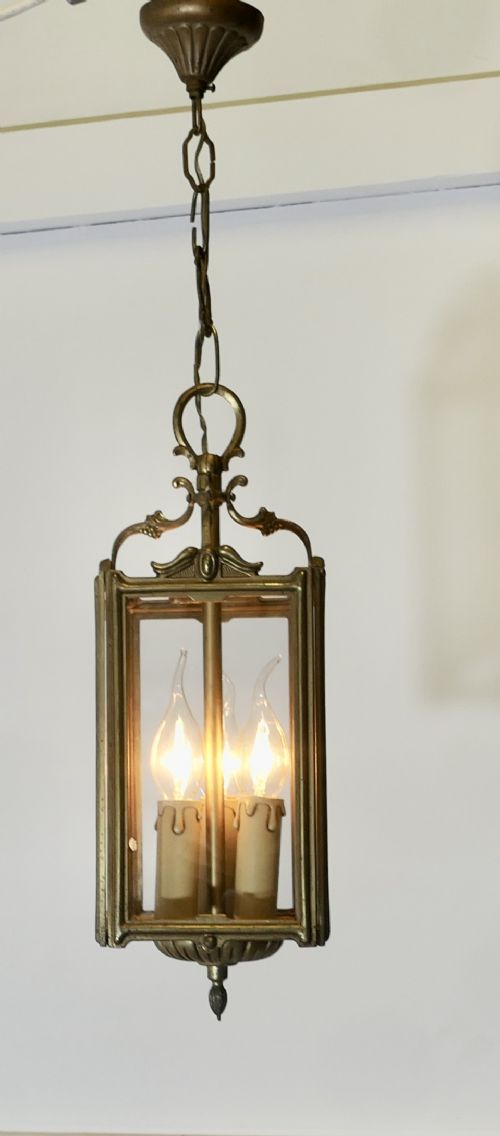
Antique Hanging Candelabra
These antique hanging candelabra bring genuine period presence to a ceiling, combining functional illumination with decorative metalwork and glass.
Antique Hanging Candelabra
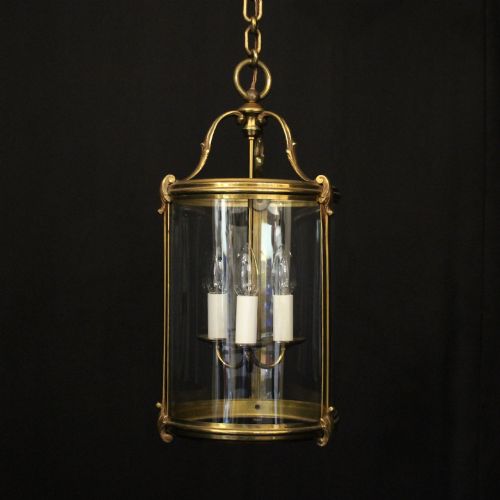
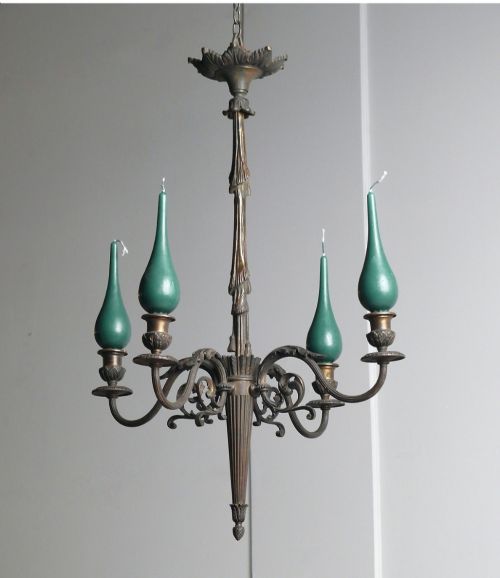
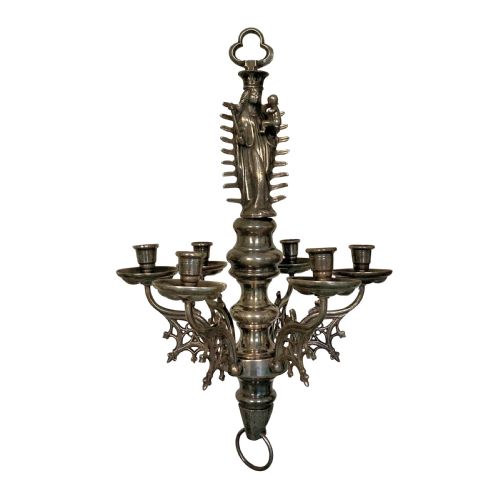
When you search for antique hanging candelabra, you encounter suspended lighting fixtures designed to hold multiple candles or fitted for electricity, spanning periods from the Victorian era to the early twentieth century. The selection on this page leans heavily toward French chateau styles, Flemish gothic designs, and Art Deco interpretations in brass, bronze, and glass.
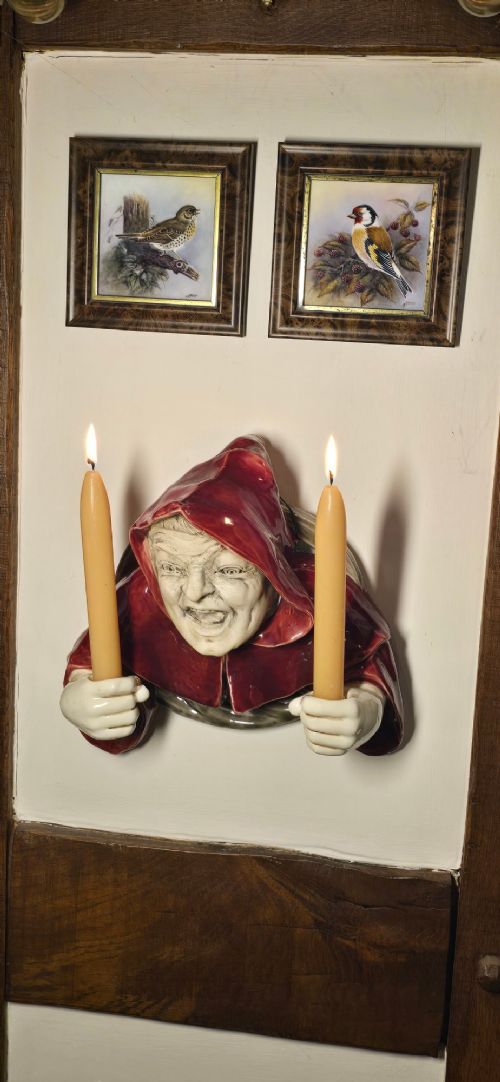
Forms vary from triple-light convex hall lanterns and pricket candle chandeliers to elaborate gilt-brass pieces hung with cut glass drops and pottery wall-hanging versions. These objects originated as practical light sources for grand spaces, and today they function as focal points in domestic interiors.
How they were made
Maker workshops utilised cast and wrought metals such as brass, gilt-brass, bronze, and wrought iron to construct the rigid frames and arms of each fixture. Gilding and silver plating added surface lustre to the metal components.
Glass elements, including cut glass drops and etched glass panels, were hand-finished to catch and refract the candle or lamp light. Pottery components also appear in specific regional and period pieces, integrated directly into the hanging structure.
Antique Hanging Candelabra Retail Price Guide 2026
Typical asking prices for hanging candelabra among the pieces listed under this phrase on Sellingantiques today, from the lower quarter to the upper quarter. They describe what is for sale here now, not the wider market.
Listings feature items spanning the 19th century, Victorian period, 1900, 1910, and 1930.
What varies in quality
Quality rests in the crispness of the metal casting and the depth of the original gilding or bronze patination. Finer examples display meticulous hand-chasing on the brass and bronze elements rather than soft, mass-produced detailing.
The integrity of the glass components, from heavy cut glass drops to etched panels, distinguishes superior pieces. Substantial weight in the metal frame and well-balanced proportions indicate better workshop production standards.
The Antique Hanging Candelabra Glossary
- Pricket
- A sharp metal spike on a candelabra or candlestick designed to secure a candle by its base. This form appears on older ecclesiastical and gothic-style metalwork.
- Gilt-Brass
- Brass that has been coated with a thin layer of gold or gold-coloured metal to give a rich finish. It provides the appearance of solid gold while utilising a sturdy base metal.
- Cut Glass
- Glass that has been shaped and patterned by cutting facets into the surface using a wheel. These facets maximise the refraction of light through drops and pendants.
- Convex Hall Lantern
- A hanging light fixture featuring curved glass panels that bulge outward. This shape disperses light widely across an entryway or hallway.
Antique Hanging Candelabra: Frequently Asked Questions
How are antique hanging candelabra wired?
Most surviving pieces have been adapted for modern electricity during their history, often retaining their original candle-form dummy sleeves.
Rewiring should be carried out by a professional electrician to ensure the vintage metal framework safely accommodates modern internal cabling.
Can these lights be hung from low ceilings?
Many fixtures include adjustable chains or rods, but their substantial drop makes them best suited to high Victorian or Edwardian ceiling heights.
Shorter hall lanterns and wall-hanging versions offer alternatives when vertical clearance is restricted.
How do I clean cut glass drops?
Glass drops should be removed individually and washed in warm, soapy water before being dried with a soft lint-free cloth.
Avoid using harsh chemical cleaners on the surrounding gilt-brass or bronze metalwork to preserve the original patina.
What distinguishes Victorian gothic from Art Deco styles?
Victorian gothic pieces feature heavy cast brass, bronze, and ecclesiastical motifs reminiscent of medieval architecture. Art Deco examples adopt cleaner geometric lines and etched glass panels characteristic of the 1930s.