

Antique Hallway Wall Hook
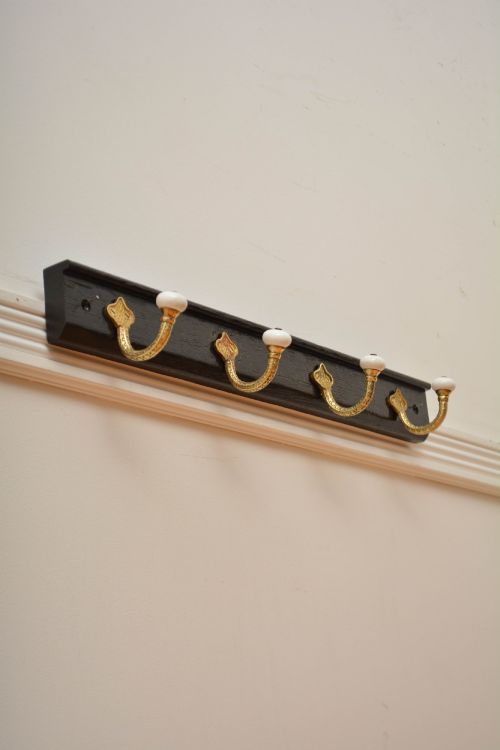
These antique hallway wall hook pieces are sturdy brass and timber fixtures designed to organise coats and hats in a domestic entrance.
Antique Hallway Wall Hook
When you search for an antique hallway wall hook, you encounter brass, oak, mahogany, and pine fixtures designed to mount directly to entrance walls for outerwear. The pieces span the nineteenth and early twentieth centuries, encompassing Victorian, Edwardian, and French provincial styles.
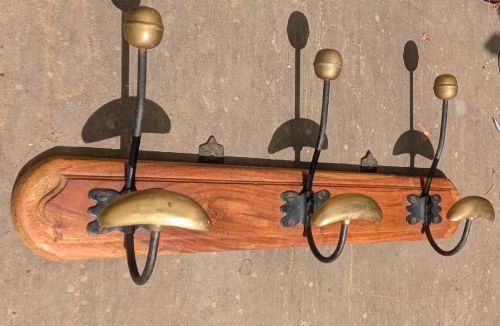
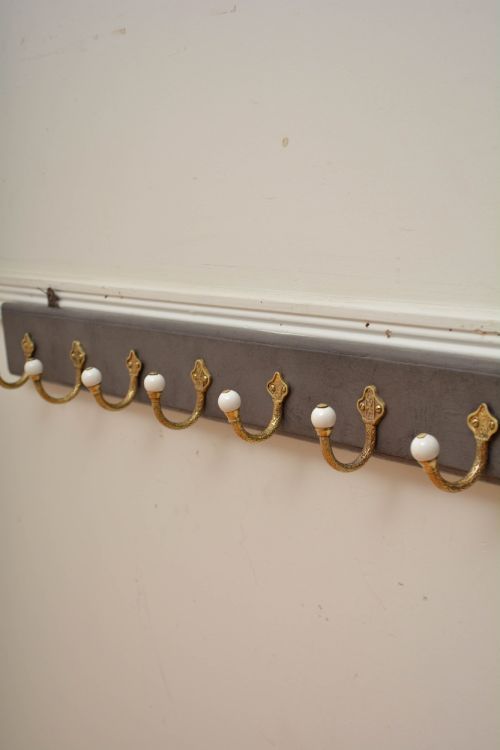
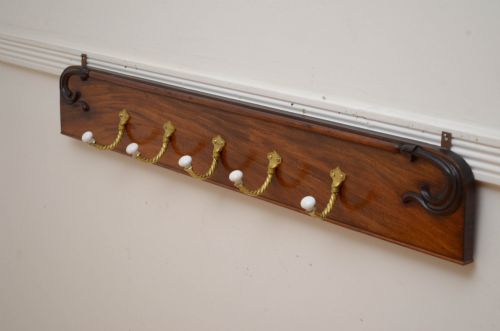
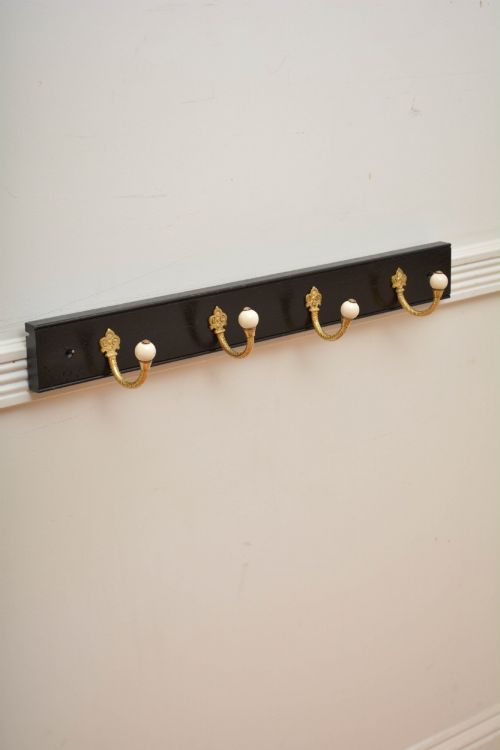
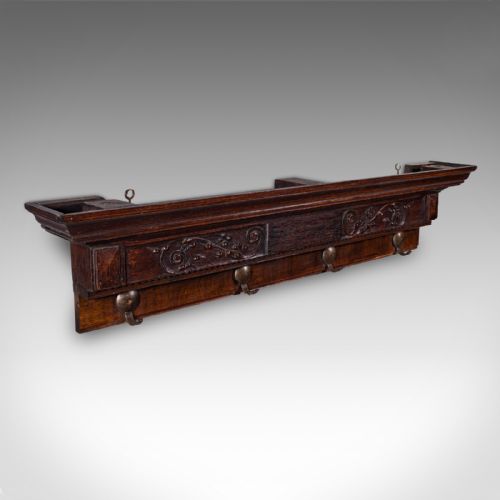
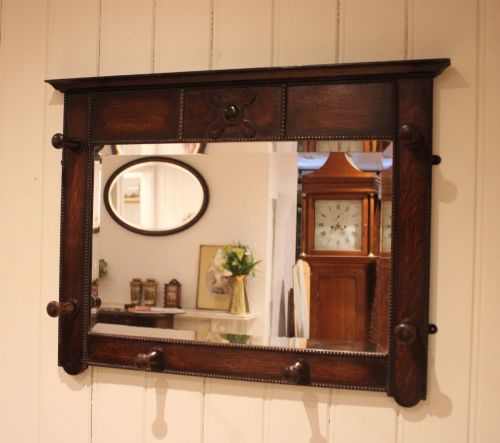
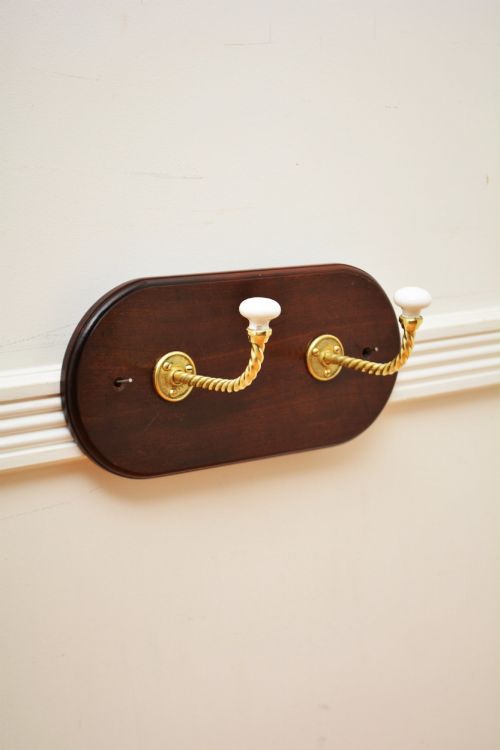
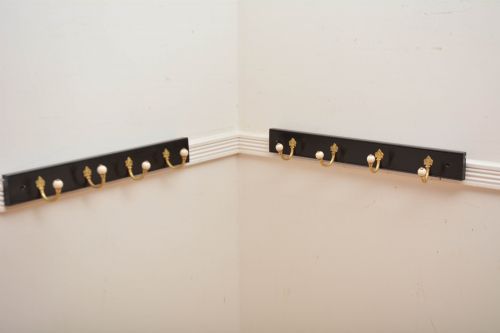
You are most likely to meet wall-mounted wooden backboards fitted with cast brass hooks, often featuring ceramic or porcelain knobs. These functional entrance items also appear combined with mirrors, key cabinets, and small shelves.
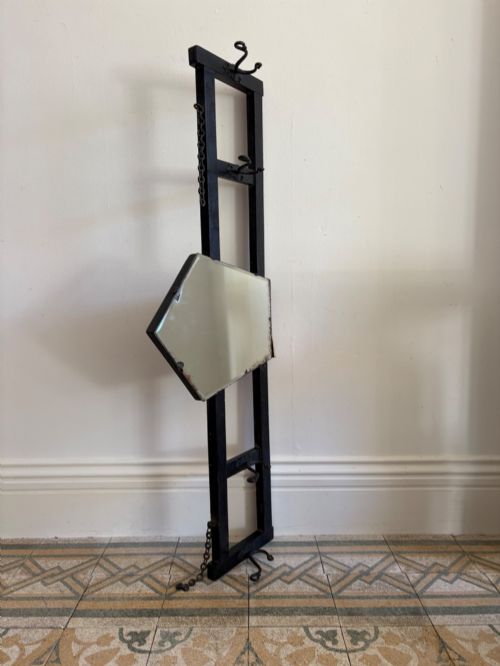
The evidence shows forms ranging from single pairs of hooks to long cloakroom racks, alongside specialised hotel reception boards and Dutch wall-hanging valet mirrors.
Materials and construction methods
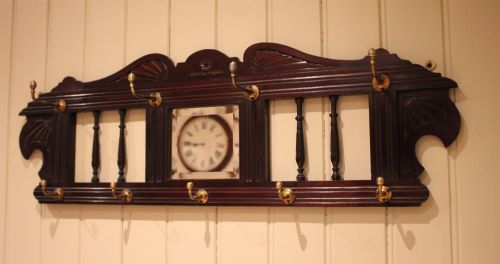
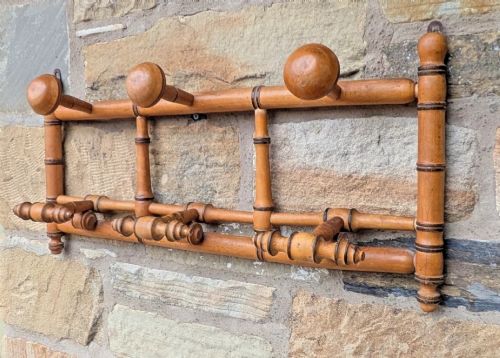
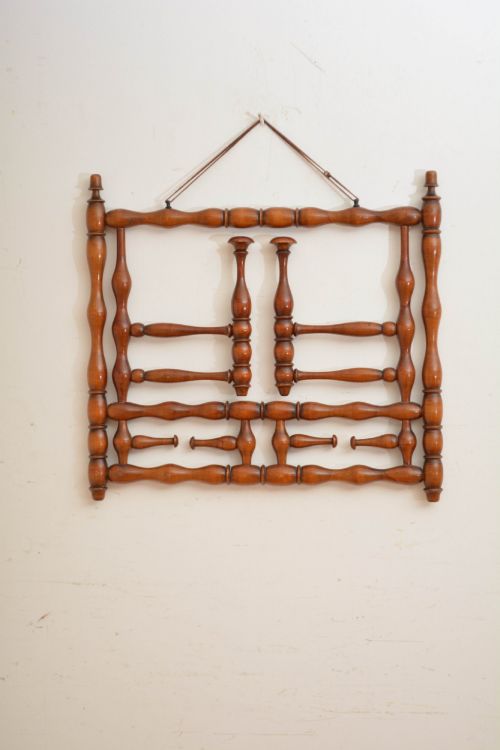
Makers utilised solid timbers such as mahogany, oak, beech, and pine for the backboards and wall frames, frequently applying an ebonised finish or turning the wood on a lathe. Some continental examples employ simulated or faux bamboo styles.
Metalwork involved cast brass and bronze, often shaped with chased details or scalloped profiles. These metal hooks frequently incorporate glazed ceramic or porcelain knobs to prevent fabric from snagging.
Antique Hallway Wall Hook Retail Price Guide 2026
Typical asking prices for hallway wall hook among the pieces listed under this phrase on Sellingantiques today, from the lower quarter to the upper quarter. They describe what is for sale here now, not the wider market.
Some French racks cleverly mimic bamboo using turned timber, bringing tropical flair to drizzly northern hallways.
Judging the standard of execution
Quality rests in the weight and casting standard of the metalwork, where deeply chased brass and well-defined mounting plates distinguish superior pieces from simpler utilitarian hardware. The integration of secondary materials, such as bevelled mirror plates or hand-turned wooden components, elevates the overall execution.
The stability of the mounting timber and the method used to secure the hooks to the backboard determine structural integrity. Finer examples display careful housing of the metal brackets into solid hardwoods like mahogany and oak rather than softer pines.
The Antique Hallway Wall Hook Glossary
- Backboard
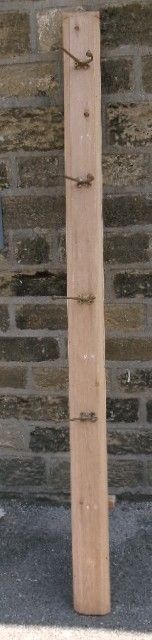
- The horizontal or vertical wooden panel that supports the mounted hooks and fixes the piece to the wall. This timber base provides the structural rigidity required to bear the weight of heavy winter coats.
- Ebonised
- Wood treated with a chemical stain or finish to imitate the dark, dense appearance of ebony. This dark surface treatment was popular on Victorian and turn-of-the-century hallway furnishings.
- Bentwood
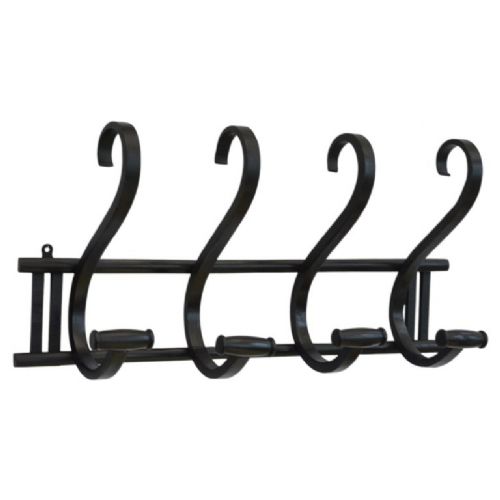
- Timber shaped by steaming until pliable and bending it into curved profiles. Thonet and other makers utilised this technique for light yet resilient coat racks.
- Bevelled plate
- A mirror glass with an angled, polished edge that catches the light. This decorative treatment indicates a higher standard of manufacture in hallway mirrors and combination hook racks.
- Portmanteau
- A large wall bracket or rack designed to hold hats, coats, and accessories. These robust fixtures typically feature multiple tiered hooks and extended projection from the wall.
Antique Hallway Wall Hook: Frequently Asked Questions
How do I secure these old hook racks to the wall?
Most antique racks feature pre-drilled screw holes through the wooden backboard or decorative metal mounting plates at the ends. You should utilise appropriate wall anchors that match the weight of the timber and the anticipated load of heavy garments.
Ensure you screw directly into wall studs or solid masonry where possible to support the leverage exerted by extended coat hooks.
Were these racks originally used only in hallways?
While the primary function served reception areas and cloakrooms for visiting guests, similar multi-hook boards equipped with mirrors or shelves were placed in bedrooms, bathrooms, and hotel reception desks. The inclusion of key cabinets and barometer attachments points to multi-purpose domestic use near an entrance.
Many French and British examples were specifically built for hotel reception spaces or domestic staff quarters to manage large volumes of outdoor wear.
How can I tell a Victorian hook rack from an Edwardian one?
Victorian pieces frequently lean towards heavier timbers like solid mahogany or ebonised oak, paired with robust cast brass and ceramic-knobbed hooks. The overall aesthetic tends to be formal and substantial, reflecting nineteenth-century interior tastes.
Edwardian examples often introduce lighter woods, such as polished oak or beech, alongside mirrors and key compartments designed for more compact entrance spaces.
Can these antique hooks support heavy winter coats?
Solid brass and bronze hooks mounted on sturdy hardwood backboards are exceptionally strong and easily manage heavy overcoats. The primary limitation is the security of the fixings into your wall rather than the strength of the metal hook itself.
Pieces constructed from turned beech or bentwood remain suitable for lighter garments, hats, and scarves.