

Antique Hall Rack Hook
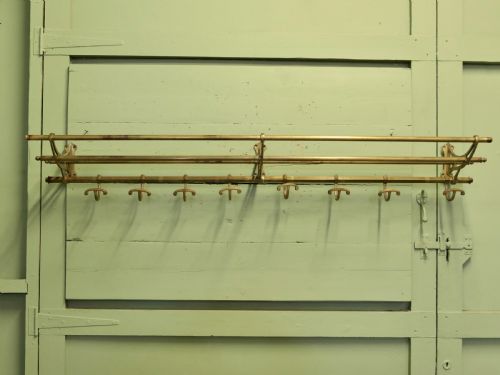
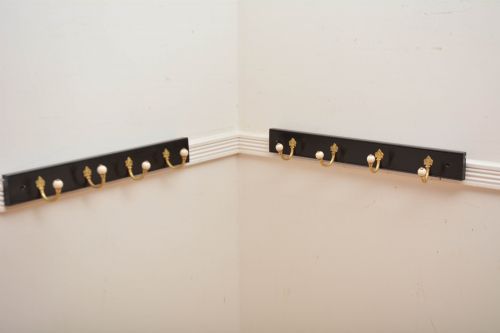
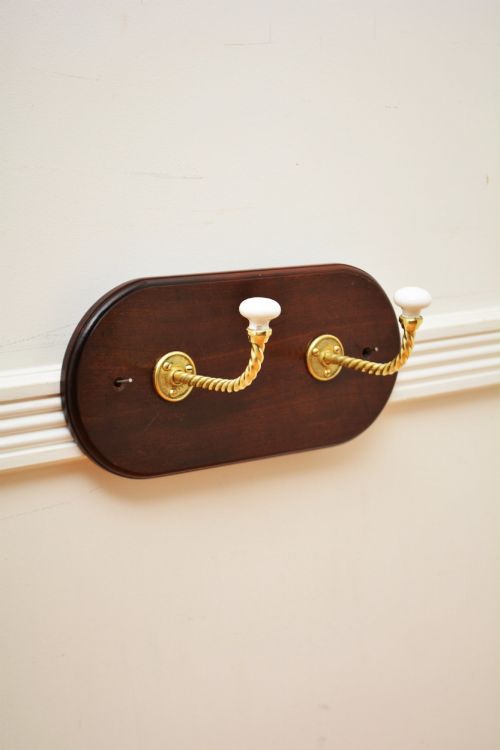
An antique hall rack hook offers a practical entryway solution, combining useful brass or ceramic hooks with sturdy wooden frames from the Victorian and Edwardian eras.
Antique Hall Rack Hook
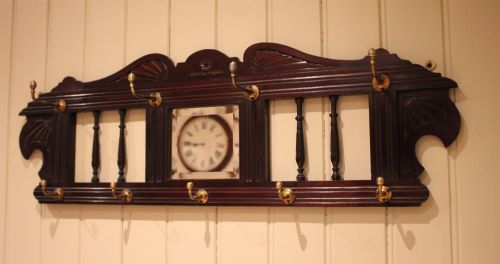
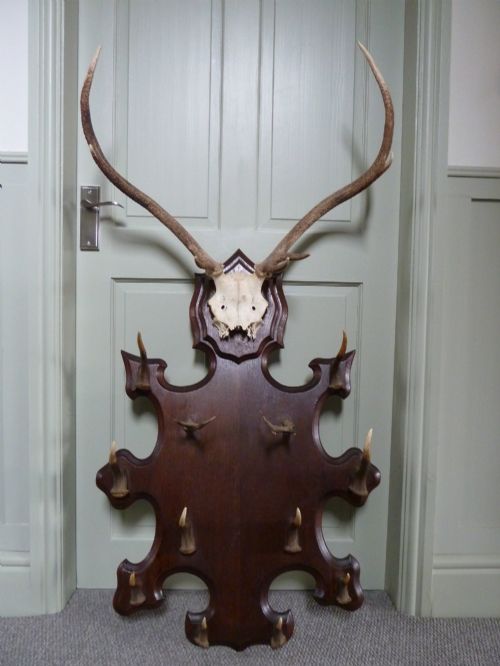
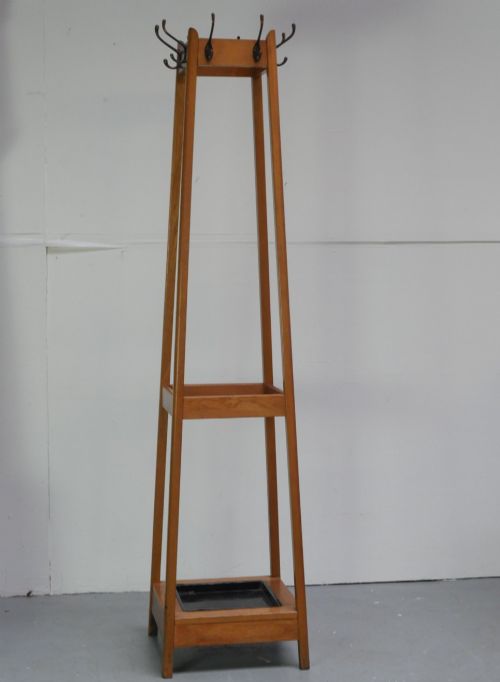
When searching for an antique hall rack hook, you encounter wall-mounted strips, freestanding stands, and combined mirror units designed for entrance halls and cloakrooms. The pieces span the nineteenth and early twentieth centuries, drawing on Victorian, Edwardian, Arts and Crafts, and Art Deco styles.
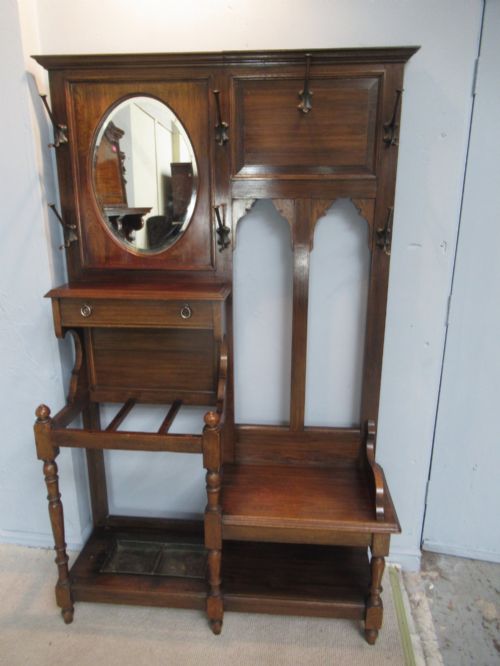
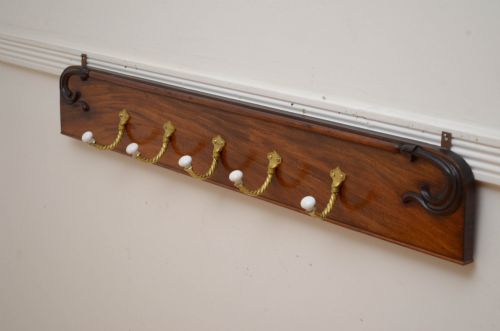
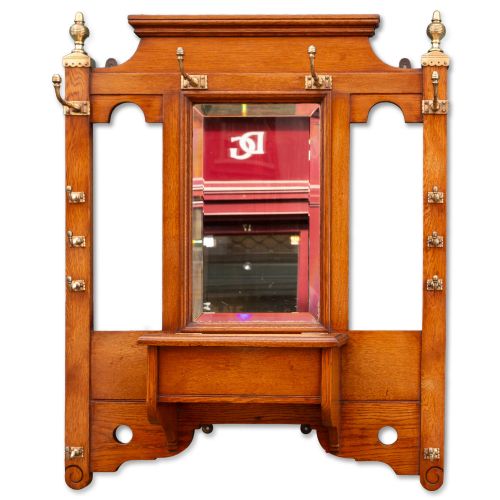
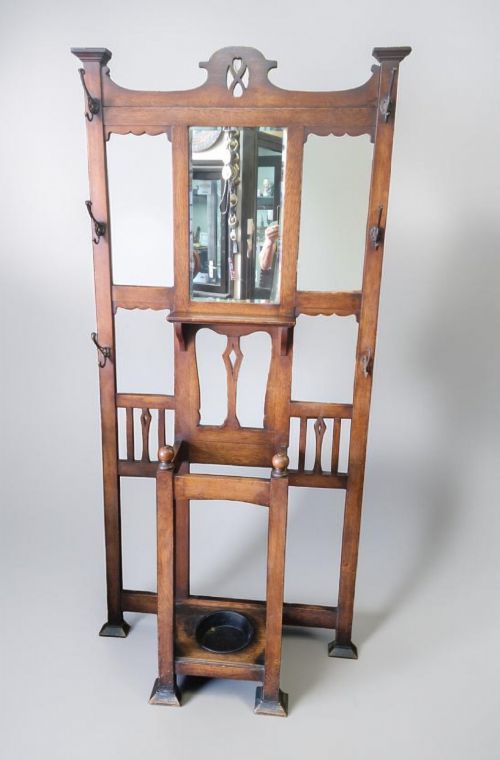
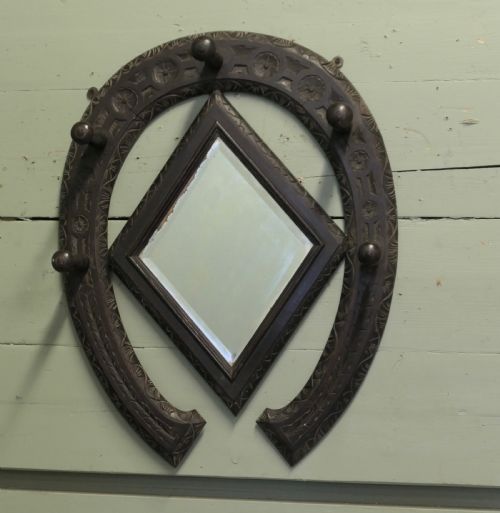
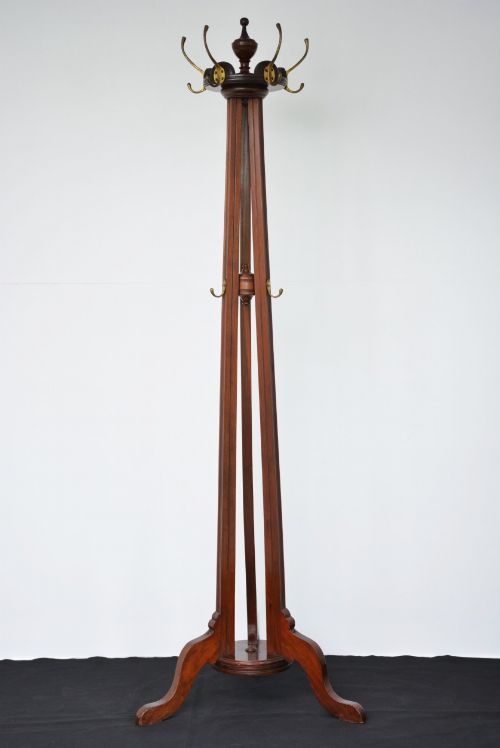
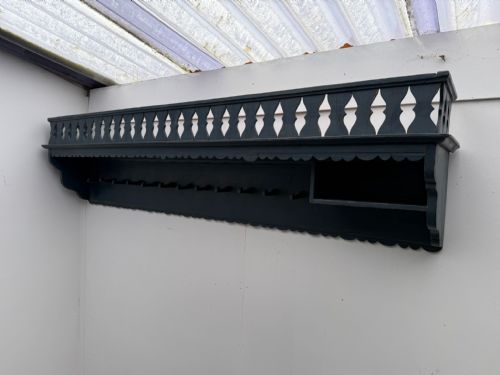
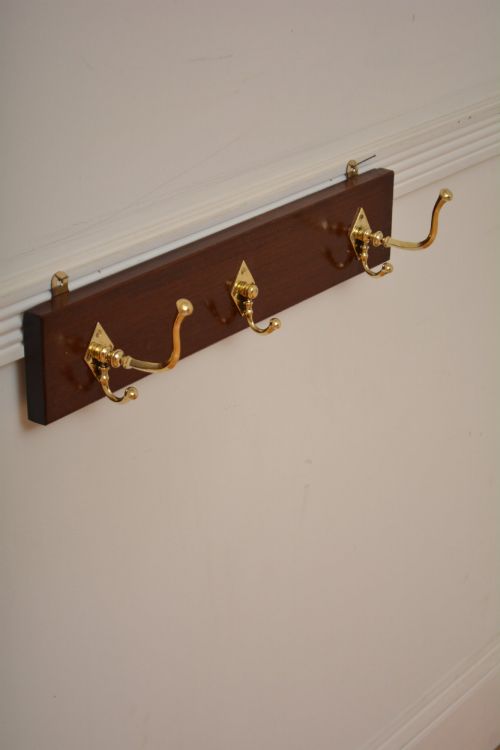
Wall-mounted racks appear frequently in oak, mahogany, and walnut, often fitted with brass or ceramic hooks. More substantial hall stands integrate hat racks, umbrella holders, and bevelled mirrors into a single piece of furniture.
Origins range across English country houses, French provincial workshops, and continental makers, utilising timbers like beech and pine alongside metalwork such as wrought iron and brass.
How they were made
Makers constructed these items using solid hardwoods including oak, mahogany, and walnut, frequently mounting brass or ceramic hooks to the timber backplates. Bentwood techniques also appear, shaping beech into curved coat racks and umbrella stands.
Metal elements involve cast brass, wrought iron, and gold and silver tone metals for shield-shaped or heavy portmanteau hooks. Glazing takes the form of deep bevelled mirror plates fitted into wooden frames for hallway use.
Period styles span from Victorian and Edwardian designs through to Arts and Crafts and Art Deco interpretations.
What varies in quality
The distinction between standard utility items and finer pieces lies in the choice of materials and the complexity of the design. Solid golden oak, heavily figured mahogany, and substantial cast brass hardware elevate a hall rack beyond basic pine or beech workshop utilitarian items.
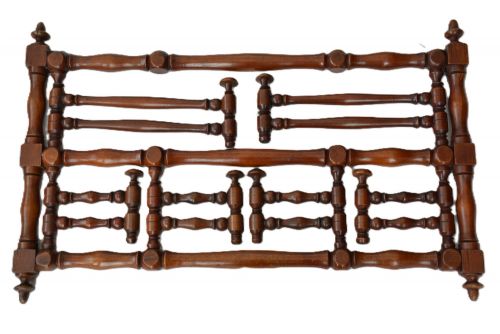
Craftsmanship shows in the integration of components, such as bevelled mirror plates secured within carved wooden frames, intricate turned wooden spindles, and robust structural joints designed to bear the weight of heavy winter garments.
Jas. Shoolbred
The Antique Hall Rack Hook Glossary
- Portmanteau
- A combined hall stand incorporating hat and coat hooks, a mirror, and storage provisions. These substantial pieces served entrance halls by holding outer garments and accessories in one framework.
- Bentwood
- A technique of steaming wood, particularly beech, to bend it into curved structural shapes. This method created lightweight yet resilient coat racks and stands.
- Aesthetic Movement
- A late nineteenth-century design style focusing on visual beauty rather than narrative meaning. Pieces from this movement display refined brass fittings and dark polished woods.
- Hall Tree
- A freestanding piece of furniture designed for entranceways to hold coats, hats, and umbrellas. They often feature central mirror plates and carved upright timber supports.
- Bevelled Plate
- A mirror glass pane with an angled edge ground down around the perimeter. This treatment adds depth and light reflection to hallway mirrors.
Antique Hall Rack Hook: Frequently Asked Questions
What is an antique hall rack hook?
An antique hall rack hook is a piece of entranceway hardware or mounted wooden furniture designed to hold hats, coats, and cloaks.
These items range from simple wooden battens fitted with brass or ceramic hooks to elaborate wall-mounted mirror frames and freestanding hall stands.
How were hall racks used historically?
Historically, households placed these items in entrance halls, reception rooms, and cloakrooms to manage outdoor garments for family members and visitors.
They provided a designated space for hanging heavy coats, hats, and scarves upon entering the home, keeping hallways orderly.
How do I date an antique hall rack?
Dating relies on the prevailing styles, timber choices, and hardware types characteristic of specific periods like the Victorian, Edwardian, or Arts and Crafts eras.
Details such as heavy golden oak construction, wrought iron work, or bevelled mirror plates help align pieces with late nineteenth and early twentieth-century manufacturing.
Where should I mount a wall rack?
Wall racks suit entrance halls, boot rooms, and narrow corridors where floor space is limited and hanging capacity is needed.
Ensure the wall fixings align with the weight of the timber backplate and the heavy garments it will hold.