


Antique Hall Lighting
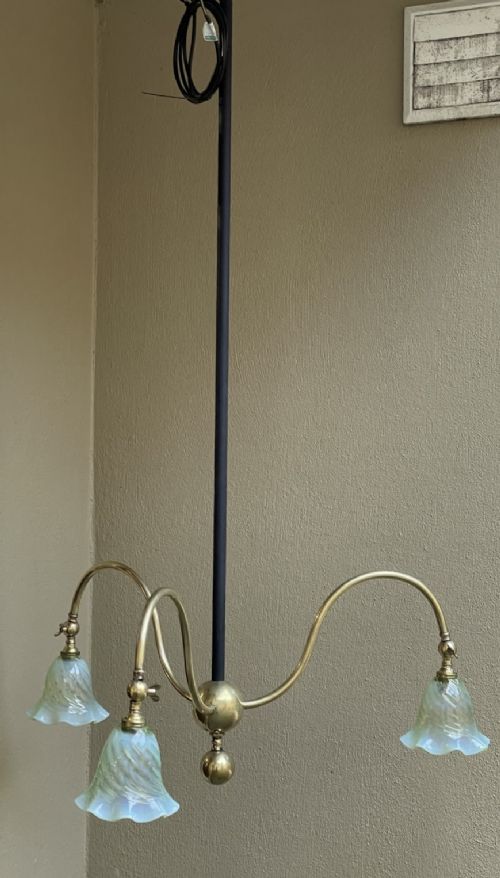
Antique hall lighting brings immediate architectural focus to an entrance, casting warm illumination through period glass and metal frames.
Antique Hall Lighting
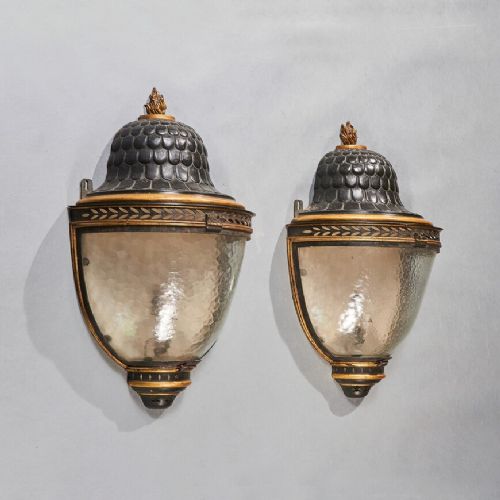
Antique hall lighting encompasses hanging lanterns, pendants, and chandeliers designed specifically to illuminate entranceways and corridors from the nineteenth and early twentieth centuries.
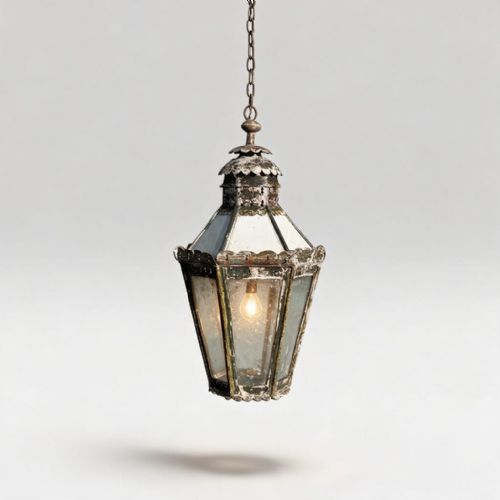
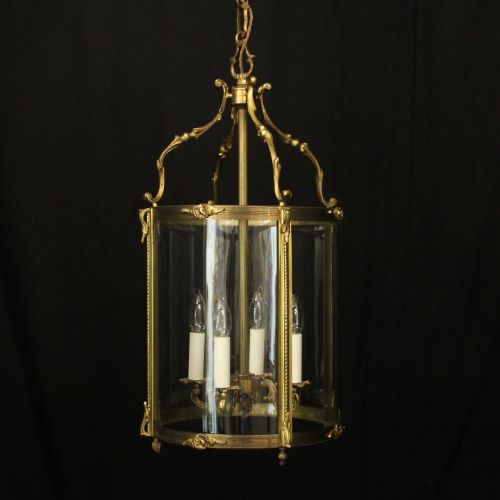
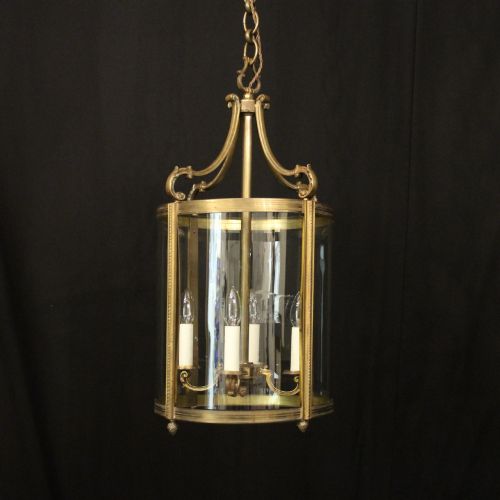
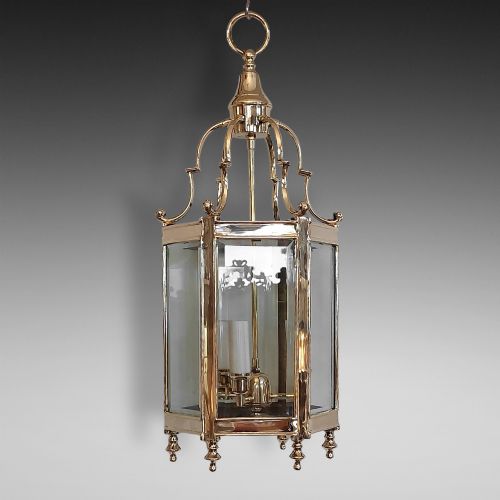
Buyers will encounter various geometric and convex glass configurations housed within metal frameworks intended to create a formal yet welcoming threshold.
Materials and Construction
Craftsmen utilised durable metals such as brass, wrought iron, and gilded bronze to build sturdy structural frames capable of supporting heavy glass panels.
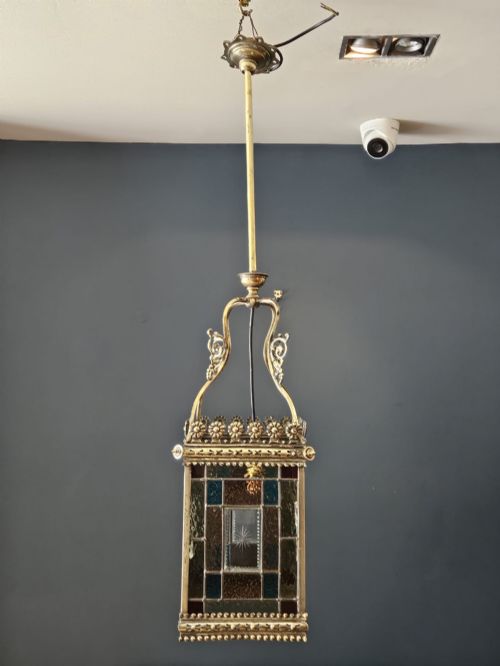
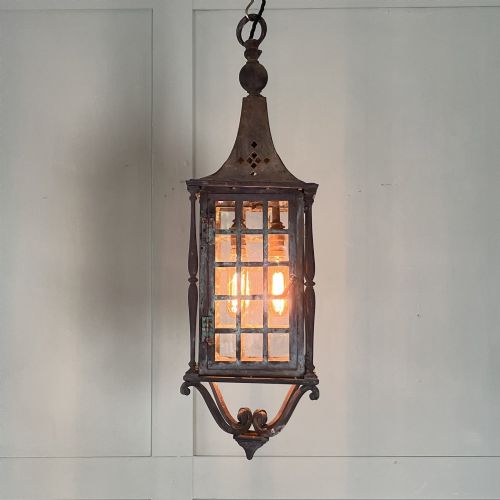
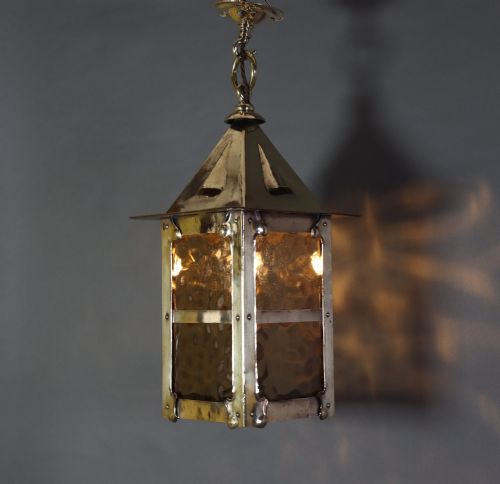
Glazing techniques incorporated leaded glass, hand-blown bullseye glass, and etched glass panes fitted directly into hexagonal or rectangular metal housings.
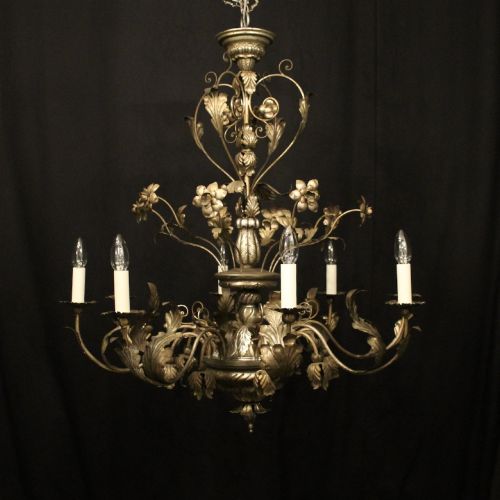
Object types include hanging lanterns, ceiling lights, pendants, chandeliers, and side tables originating from France, Italy, and England.
Assessing Quality and Execution
Distinction in these fixtures rests upon the weight of the cast bronze or brass and the crispness of the chased detailing on the metalwork.
The clarity and integrity of the original glass panes, particularly convex or hand-blown examples, significantly elevate the execution of the piece.
Voysey
The Antique Hall Lighting Glossary
- Convex glass
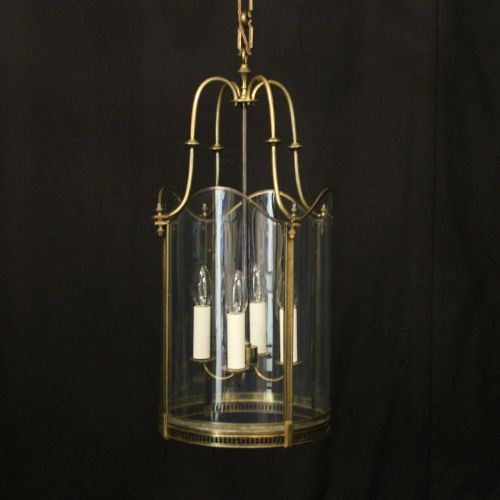
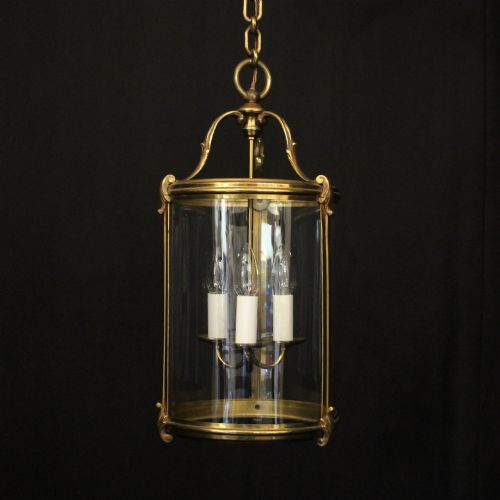
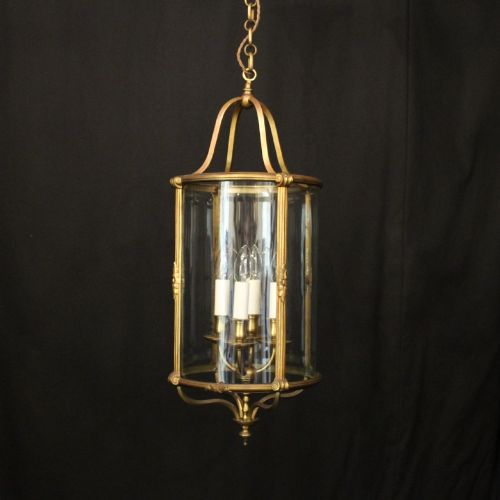
- Curving outward glass panels designed to distribute light more widely across an entrance hall. This form is common in French lanterns from the early twentieth century.
- Gilded bronze
- Metal alloy coated with a thin layer of gold, providing a durable and luminous finish. It appears frequently on French chandeliers and hanging lanterns.
- Lead glass
- Glass pieces held together by lead cording, common in Victorian hanging fixtures. This technique allows for complex geometric panel designs.
- Arts & Crafts
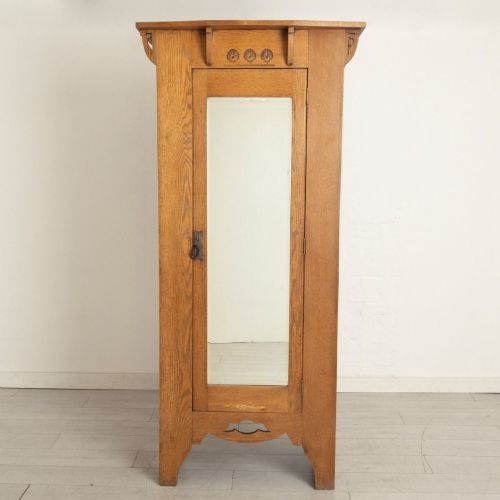
- A design movement emphasising handcraftsmanship and simple materials, visible in plain brass and oak lighting fixtures. These pieces often lack excessive ornamentation.
- Tole peinte
- Painted sheet metal used to create colourful decorative elements on wall lanterns. It brings a distinct saturated colour to the metalwork.
Antique Hall Lighting: Frequently Asked Questions
How do I hang a heavy hall lantern safely?
Hanging heavy brass or bronze fixtures requires anchoring directly into ceiling joists with appropriate steel fixings rather than relying on standard plasterboard. Professional installation ensures the electrical load and physical weight are supported securely.
Drop heights must be measured carefully to ensure clearance for doors opening into the hallway while maintaining proper illumination levels at head height.
Can these antique lights be rewired for modern use?
Most period hanging lanterns and ceiling lights accept modern electrical wiring easily when handled by a qualified electrician. Components like bulb holders are typically updated to meet current safety standards while retaining the exterior metal and glass.
Original brass and bronze frames accommodate contemporary internal wiring channels without altering the visible historical appearance of the fixture.
How do I clean antique glass and brass?
Cleaning glass panels involves removing them from the metal frame when possible and washing them with mild soapy water. A soft cloth prevents scratching on hand-blown or etched surfaces.
Brass and bronze frames require gentle dusting and occasional dry wiping to preserve their historic patina, avoiding harsh commercial chemical polishes that strip surface age.
What is the difference between an Edwardian and a Victorian lantern?
Victorian lanterns tend to feature heavier brass frames, complex leaded glass configurations, and ornate Gothic or classical detailing. They project a substantial, solid presence in larger entrance spaces.
Edwardian examples often display lighter brass proportions, simpler hexagonal geometries, and cleaner lines influenced by emerging arts and crafts ideals of the early twentieth century.