



Antique Gun Model
These antique gun model pieces offer scale accuracy and military history, bringing tactile craftsmanship straight to your desk.
Antique Gun Model
An antique gun model captures historical weaponry in miniature, ranging from miniature field cannons to scale revolvers and muskets. Buyers seek these items for their historical association and precise craftsmanship.
The selections span the eighteenth, nineteenth, and early twentieth centuries, encompassing styles from Georgian and French maritime to nineteenth-century military.
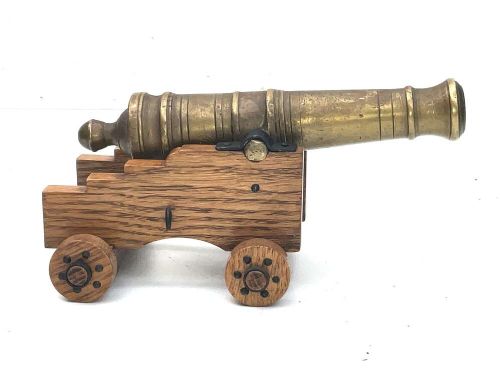
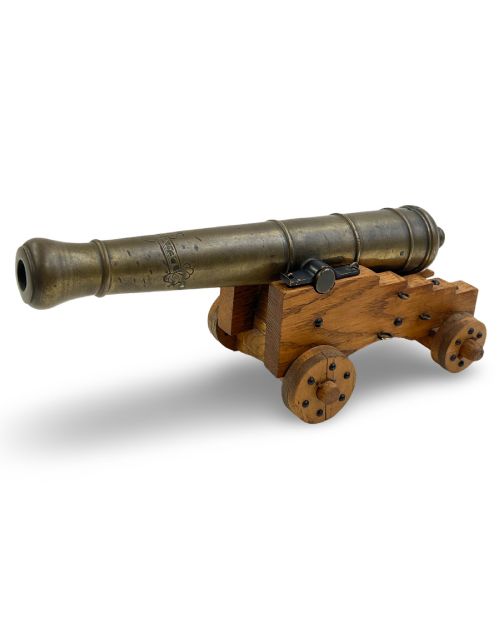
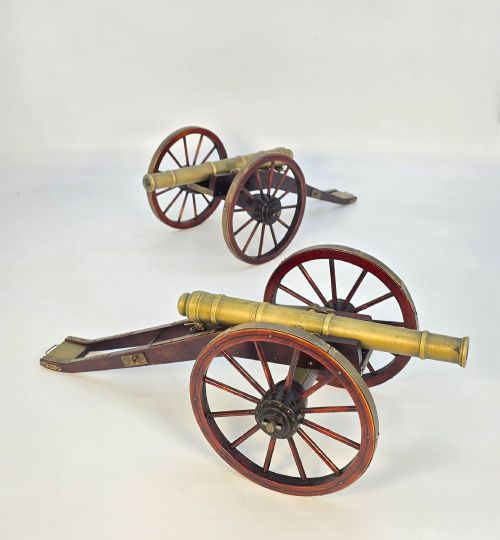
Forms include brass-barrelled ship cannons on carriages, bronze signal cannons, desk ornaments, and percussion revolvers originating from makers and manufacturers in Britain, France, and America.
Materials and construction methods
Maker workshops utilised durable metals such as brass, bronze, cast iron, iron, and polished steel to cast barrels and mechanical components.
Woods including walnut, oak, mahogany, and assorted hardwoods formed supportive carriages, stocks, and undercarriages to mount the metal ordnance.
Construction involved metal casting, hand-building, and mechanical assembly to replicate operational military firearms and artillery on a reduced scale.
Antique Gun Model Retail Price Guide 2026
Typical asking prices for gun model among the pieces listed under this phrase on Sellingantiques today, from the lower quarter to the upper quarter. They describe what is for sale here now, not the wider market.
The listings on this page span the 18th, 19th, and early 20th centuries, featuring materials such as bronze, brass, iron, and mahogany.
Factors of distinction
Quality rests in the fidelity of the scale proportions and the crispness of cast or engraved details upon the metal barrel and wooden stock.
The integrity of matching components, original carriages, and signed inscriptions elevates the piece from basic decorative hardware to authentic militaria.
Deane Adams And Deane·Colt
The Antique Gun Model Glossary
- Signal cannon
- A small ordnance piece designed primarily to fire blanks for maritime signaling, salutes, or yacht racing rather than combat. These typically feature robust bronze or brass barrels.
- Percussion revolver
- A firearm utilising a percussion cap ignition system developed in the nineteenth century. Scale models and actual pocket or army variants utilise this mechanism.
- Carriage
- The mounting structure that supports a cannon barrel, allowing elevation and mobility. Materials vary from cast iron to hardwood.
- Musketoon
- A shorter, lighter version of a standard military smoothbore musket used by cavalry units. Variations appear in eighteenth and nineteenth-century military inventory.
- Militaria
- Artefacts collected for their historical connection to military forces, warfare, and armed services. This category embraces both operational firearms and scale artillery models.
Antique Gun Model: Frequently Asked Questions
What is an antique gun model?
An antique gun model is a miniature replica or scaled version of historical artillery and firearms, constructed from metals like bronze and iron with wooden carriages.
These pieces were produced across the eighteenth, nineteenth, and early twentieth centuries for display, testing, or practical signaling.
How were signal cannons used?
Signal cannons served primarily to fire blank charges for maritime communication, fog warnings, or starting yacht races.
They were built with heavy brass or bronze barrels to withstand repeated charges without projectile loads.
Where should I display my cannon model?
These models sit securely on sturdy wooden desks, bookshelves, or dedicated display cabinets due to their considerable weight in bronze and iron.
Ensure the placement avoids excessive moisture to preserve the polished steel, brass, and hardwood components.
How do I identify the period?
Period identification relies on examining the metal casting techniques, wood types, and stylistic cues associated with Georgian, Victorian, or nineteenth-century military designs.
Inscribed names and specific model years stamped into the metal further anchor the date of origin.