




Antique Grain Chest
An antique grain chest brings tactile surface warmth and vernacular utility into a room, offering robust storage disguised in simulated timber patterns.
Antique Grain Chest
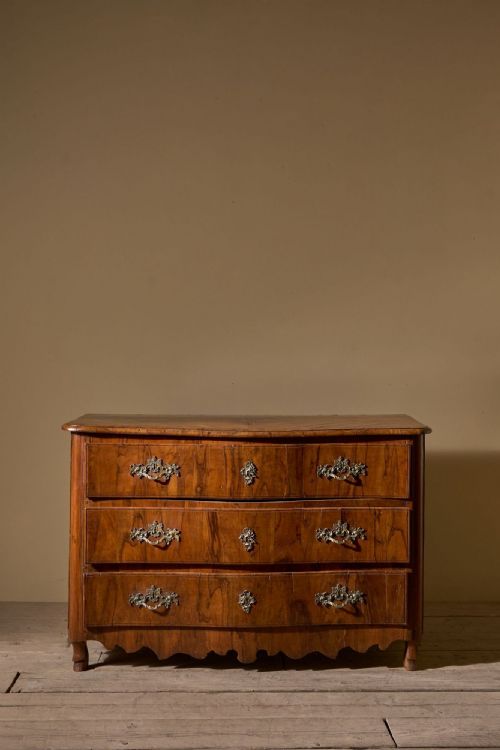
An antique grain chest encompasses practical storage pieces such as blanket boxes, mule chests, and chests of drawers that display either natural timber figuring or decorative surface painting. The pieces span centuries from the 17th century through the Victorian era, drawing on stylistic traditions including Welsh vernacular, rustic farmhouse, and Georgian design.
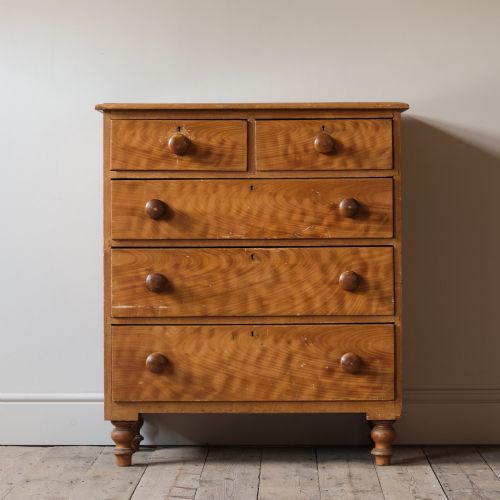
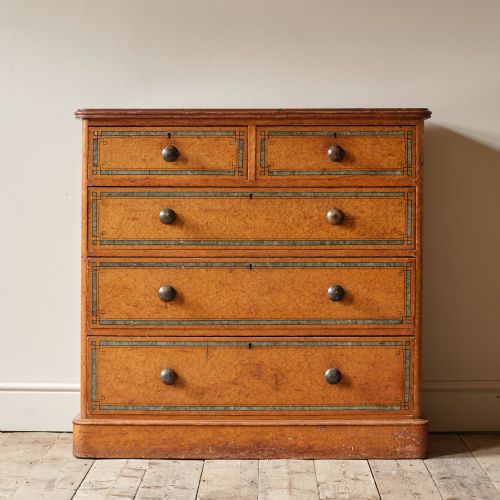
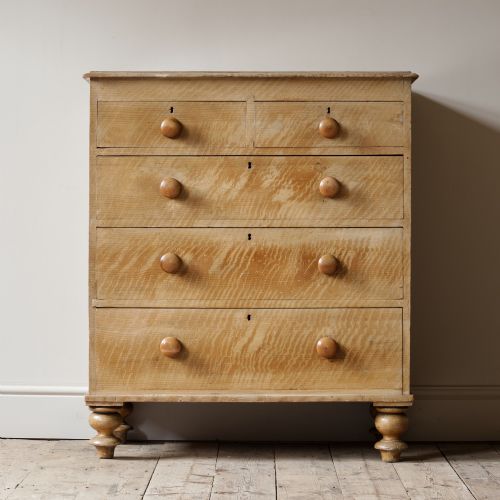
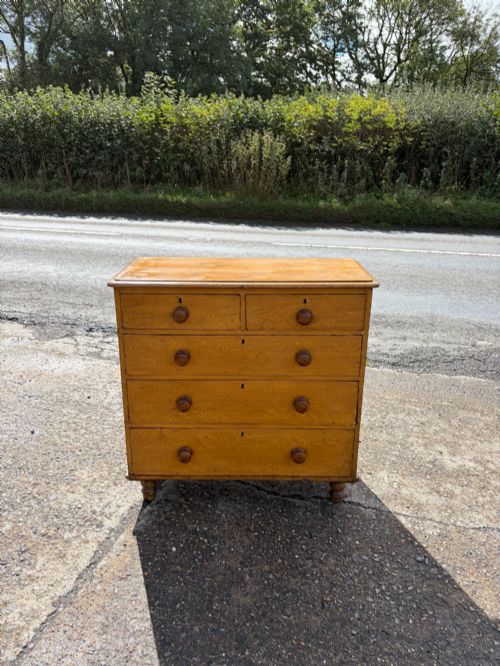
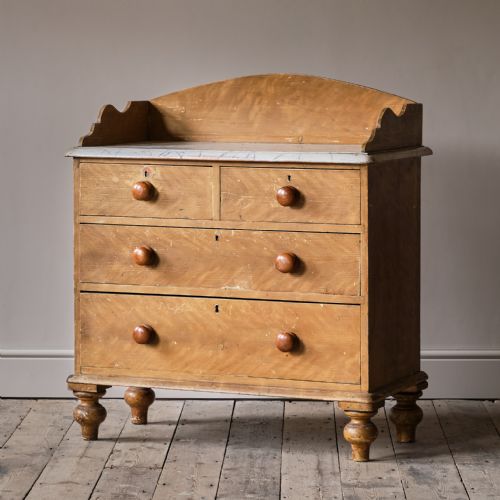
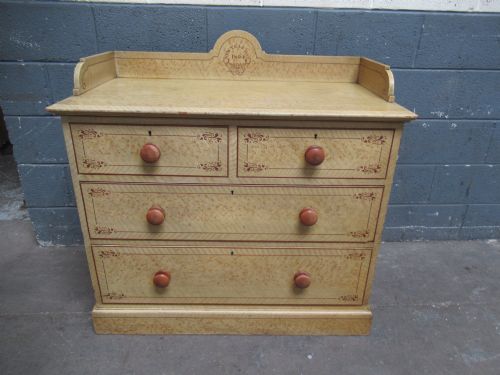
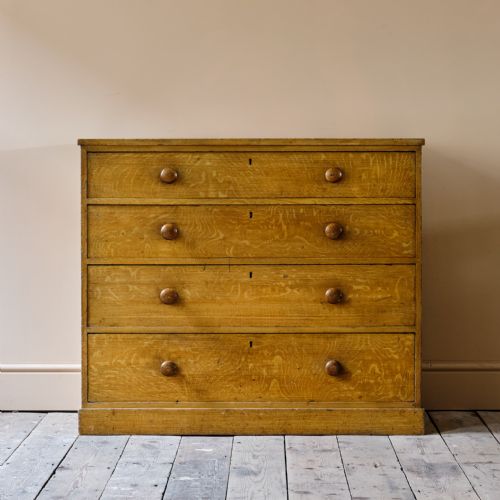
The version most commonly met on this page is the 19th-century pine chest of drawers finished in original paint, scumble, or graining. These utilitarian pieces originate from regional workshops and country houses, often featuring functional drawer configurations like two short drawers over three long ones.
Beyond standard drawer units, the selection extends to storage trunks, arks, and campaign boxes made from varied woods like mahogany, satinwood, camphorwood, and olive wood. Each form serves a distinct domestic purpose, from linen storage to travel or collection display.
How they were made
Construction relies heavily on solid pine, oak, and exotic hardwoods shaped by traditional joinery methods, utilising turned knobs and wooden feet. Carpenters built these storage forms to endure daily household use, incorporating iron and brass hardware for hinges and handles.
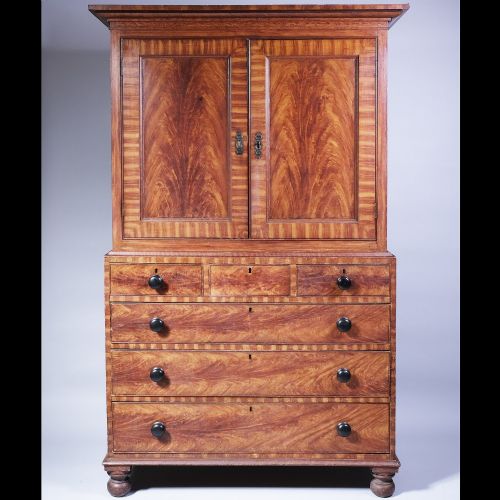
Surface finish defines much of the character in these pieces, employing scumble glaze, hand-applied paint, or simulated wood graining to mimic expensive timbers on cheaper base woods. Artisans dragged combs or brushes through wet glazes to replicate natural growth rings and grain patterns.
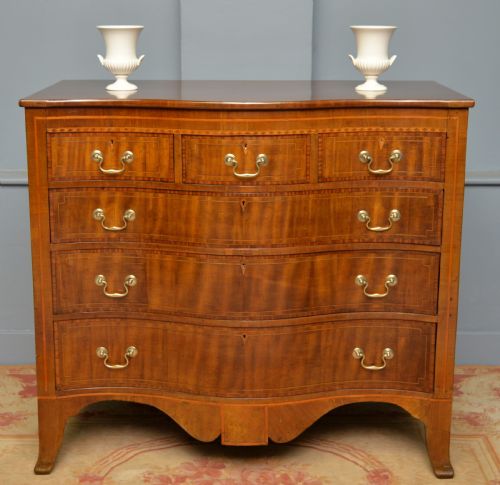
Makers also selected timbers for their inherent natural figuring, such as fiddleback mahogany, flame grain mahogany, laburnum oyster veneers, and solid satinwood. These decorative veneers and solid boards highlight the natural grain structure without relying solely on painted illusion.
Antique Grain Chest Retail Price Guide 2026
Typical asking prices for grain chest among the pieces listed under this phrase on Sellingantiques today, from the lower quarter to the upper quarter. They describe what is for sale here now, not the wider market.
Camphorwood trunks retain their distinct aromatic scent across the centuries, silently warding off moths just as they did on Victorian voyages.
What varies in quality
The sophistication and preservation of the surface finish dictate much of the distinction between examples. A finely executed scumble glaze or deliberate grain pattern that successfully mimics aged timber commands greater visual interest than a flat, uniform coat of later paint.
Timber selection and structural integrity separate standard utility items from finer cabinetwork. Pieces fashioned from solid camphorwood, fiddleback mahogany, or laburnum demonstrate superior material cost and joinery skill compared to basic painted pine carcases.
The Antique Grain Chest Glossary
- Scumble
- A translucent glaze applied over a lighter painted base and manipulated with combs or brushes to simulate the appearance of wood grain. This technique allowed cabinetmakers to transform plain pine into decorative statement furniture.
- Mule chest
- A traditional storage chest featuring one or more drawer compartments built into the base beneath the primary lift-top lid. It bridges the design gap between a standard blanket box and a chest of drawers.
- Campaign trunk
- A portable storage chest constructed in sections with recessed brass handles and corner brackets designed for military transport. These pieces utilised durable timbers like camphorwood to withstand travel.
- Fiddleback
- A decorative figure in mahogany showing undulating cross-ripples that resemble the back of a violin. Craftsmen prized this figuring for high-status Georgian case furniture.
- Escritoire
- A writing cabinet featuring a fall-front desk flap concealing internal compartments and drawers. Examples from the 19th century combine this function with painted pine surfaces.
Antique Grain Chest: Frequently Asked Questions
What is a scumbled pine chest?
A scumbled pine chest is a piece of storage furniture made from softwood that has been treated with a decorative glaze technique. Painters worked wet glazes across the surface to imitate the rich grain patterns of costly hardwoods.
This method was widely used in country houses and provincial workshops during the 19th century. It provided the aesthetic warmth of figured timber while using economical construction materials.
How do I care for original painted grain?
Original painted and scumbled surfaces require gentle cleaning using a dry or barely damp cloth without harsh chemical solvents. Modern polishes can soften or strip historic varnish layers.
Keep these chests away from direct sunlight and extreme temperature fluctuations to prevent the underlying pine from drying out and the painted surface from crazing.
Where were grain chests used?
Grain chests served practical storage roles throughout the home, from farmhouses to country estates. Bedrooms utilised chests of drawers for linens and garments, while hallways and reception rooms held blanket boxes and trunks.
Smaller examples functioned on washstands or as tabletop collectors cabinets for specialised items. Their robust construction suited daily domestic service.
How do I date a painted chest?
Dating relies on examining construction traits, timber preparation, and the style of the paint finish. 18th-century and Georgian pieces often display hand-cut dovetails and deep panel construction.
Victorian examples frequently feature machine-sawn components alongside characteristic scumble glazes and turned wooden knobs. Dated inscriptions occasionally appear on the interior or backboards.