
Antique Gold Table
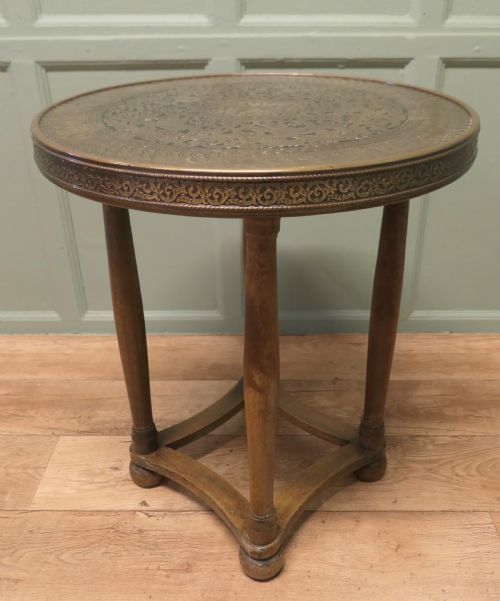
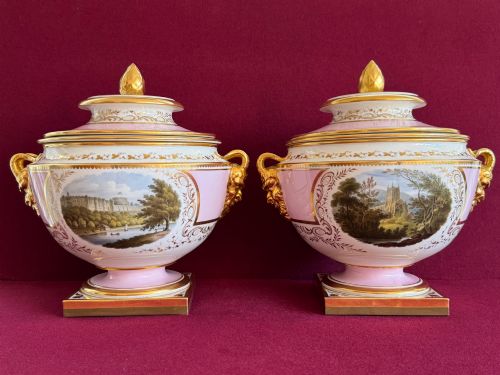
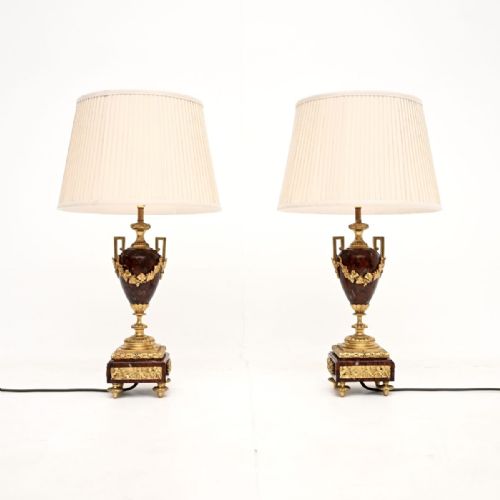
An antique gold table brings warmth and reflected light to a room through gilded wood, bronze, or brass surfaces.
Antique Gold Table
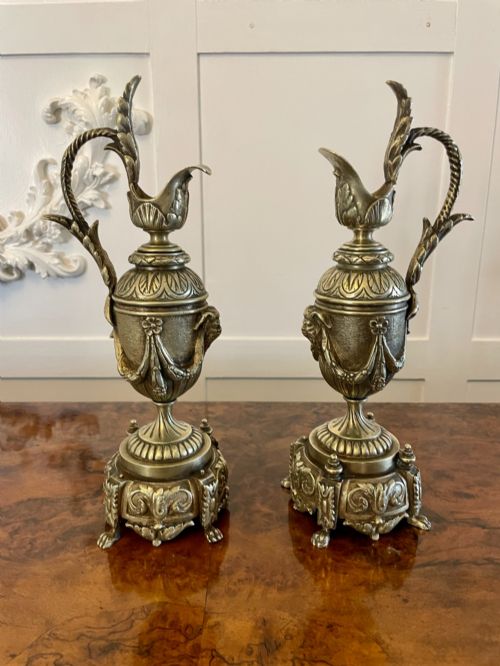
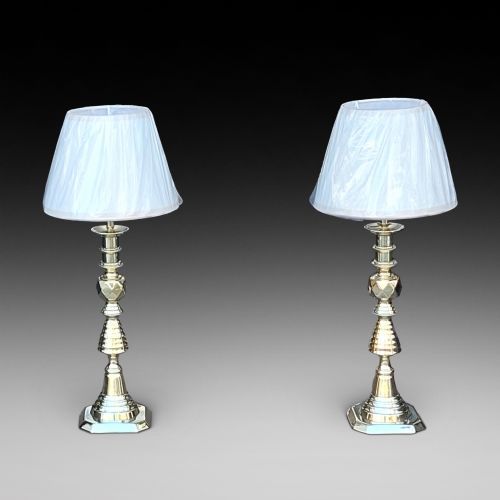
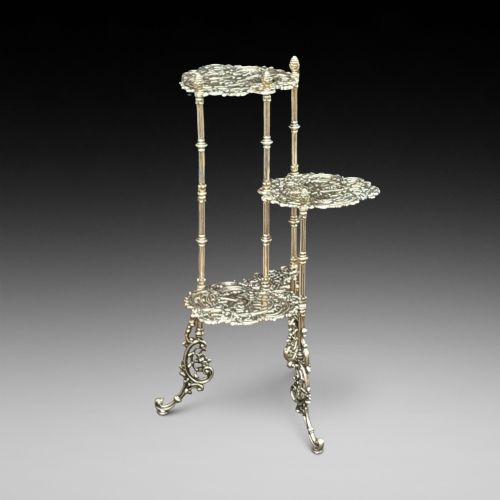
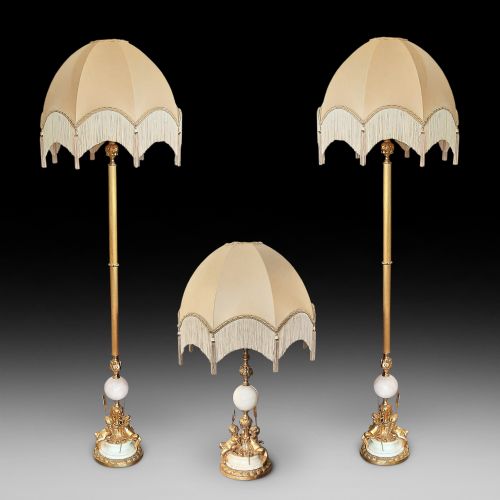
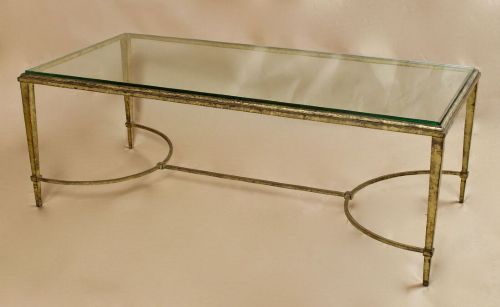
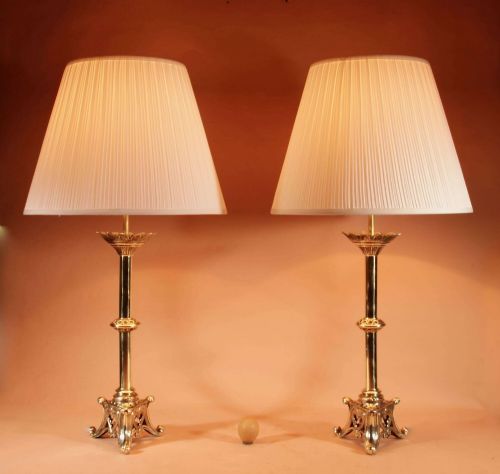
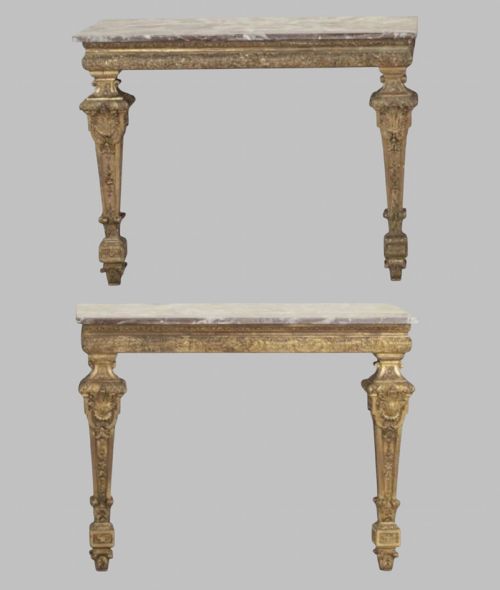
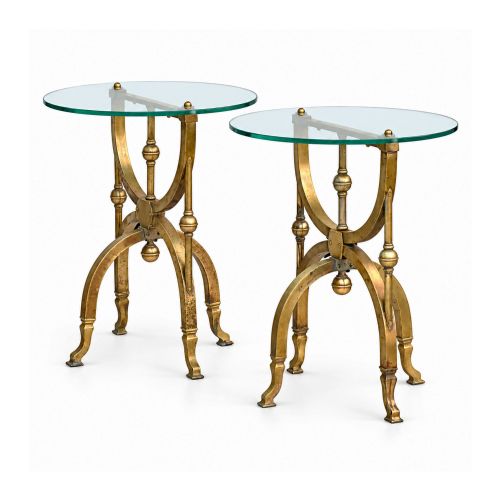
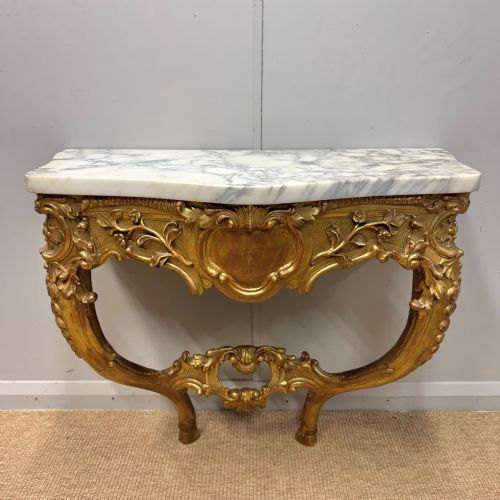
The phrase antique gold table gathers items finished in giltwood, gilt bronze, brass, or ormolu rather than solid gold construction. Console tables with marble tops and occasional tables form the main variations encountered here.
Pieces span the eighteenth, nineteenth, and early twentieth centuries, drawing on Regency, Victorian, and revival styles such as Louis XVI and Rococo. Italian, French, and English workshops dominate the origins found in the listings.
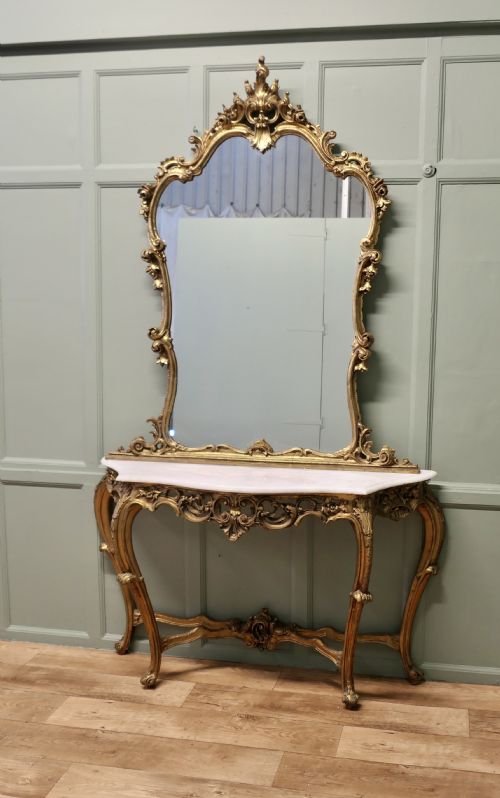
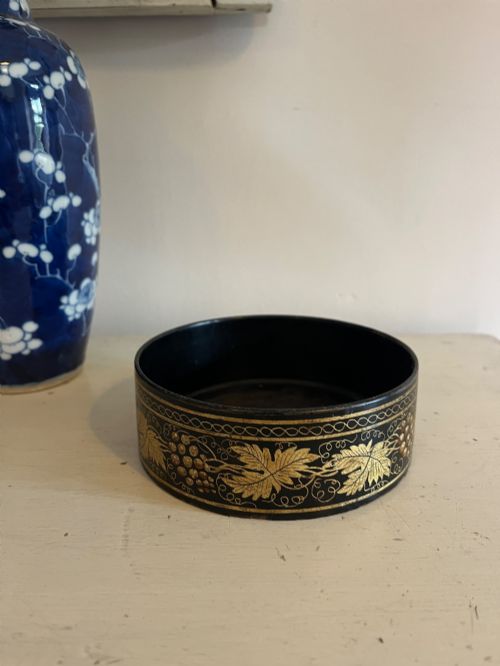
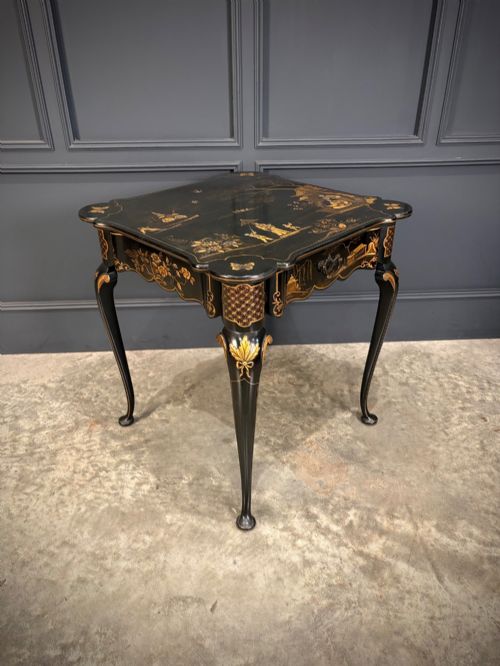
Console tables designed to sit against a wall often include matching mirror sets or rouge marble tops. Smaller occasional and side tables utilise black lacquer, papier-mâché, or carved wooden bases.
How they were made
Carved wooden structures rely on applied layers of gold leaf over gesso to achieve a reflective metallic sheen on console frames and occasional tables. Ormolu and gilt bronze components involve mercury gilding or electroplating cast metal bases.
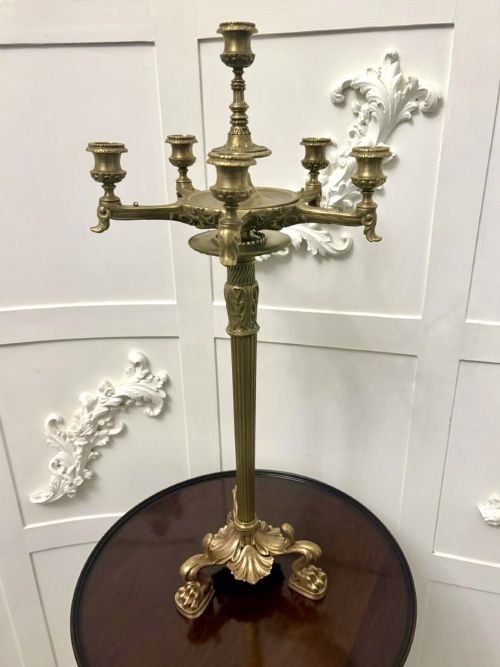
Marble inserts, particularly rouge or verde varieties, provide heavy contrasting surfaces fitted directly into wooden or gilded metal table tops. Lacquer and brass details receive hand-finished engraving or polishing to accentuate the metallic lustre.
Several tables share design lineage with domestic items like papier-mâché coasters and tea caddies.
What varies in quality
The depth and integrity of the gilding separate standard production pieces from finer examples, as thin leaf wears differently over decades of dusting and polishing. Crispness in the wood carving or bronze casting distinguishes workshop output.
The selection and fit of stone tops, such as genuine marble slabs integrated into console frames, influence the overall weight and balance of the piece. Original mounts and intact structural joins retain higher historical integrity than replaced elements.
Felix Alfred Ternisien·Japy Freres·Achille Brocot·Flight Barr And Barr
The Antique Gold Table Glossary
- Giltwood
- Wood that has been coated with a thin layer of gold leaf. This technique was widely utilised on eighteenth and nineteenth-century console frames.
- Ormolu
- Finely chased and gilt bronze used for decorative mounts and hardware. The term derives from the French for milled gold.
- Console table
- A table designed to be fixed against a wall, frequently supported by ornamental legs or brackets. These often feature marble slabs on top.
- Gesso
- A plaster mixture applied to wood surfaces as a preparation for gilding. It provides a smooth base for laying gold leaf.
Antique Gold Table: Frequently Asked Questions
Are these tables made of solid gold?
These pieces consist of timber, bronze, or brass finished with gold leaf, ormolu, or electroplated gilt rather than solid precious metal.
The application of thin leaf or mercury gilding provided the visual opulence of gold while keeping the structural weight manageable for furniture.
How do I clean a gilded table surface?
Gilded surfaces require gentle dusting with a soft, dry cloth to avoid disturbing the delicate gold leaf layers.
Moisture and chemical cleaners should be strictly avoided, as water lifts the underlying gesso and strips the metallic finish.
Where should a console table be placed?
Console tables sit flat against a wall, frequently positioned in hallways, living rooms, or beneath matching pier mirrors.
Their shallow depth allows them to occupy narrow spaces without obstructing movement through a room.
How do I identify a nineteenth-century piece?
Nineteenth-century items often display revival styles such as Louis XVI or Rococo, incorporating cast brass, ormolu, or carved giltwood.
Construction methods, tool marks on the timber frames, and the composition of the marble tops help confirm the period of manufacture.