
Antique Gold Pendant Charm
These antique gold pendant charms are small wearable pieces of history that bring character and personality to a chain.
Antique Gold Pendant Charm
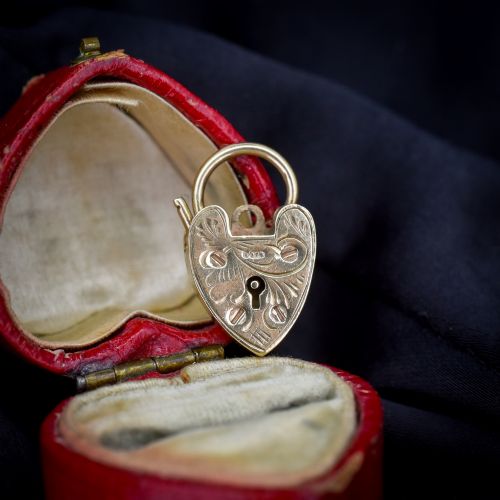
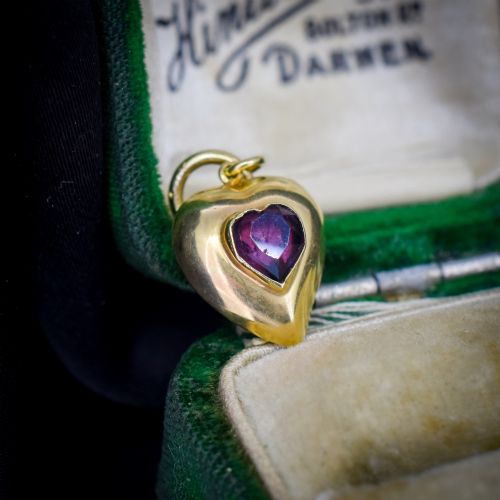
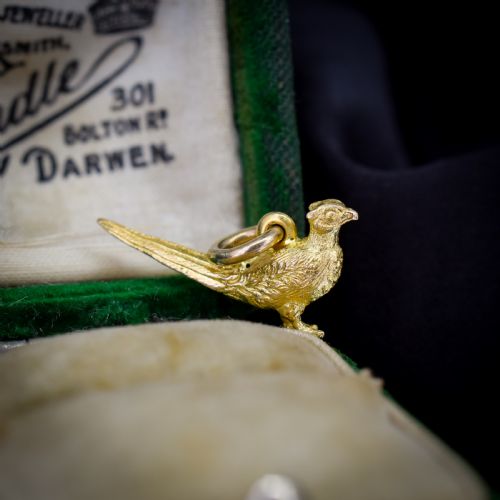
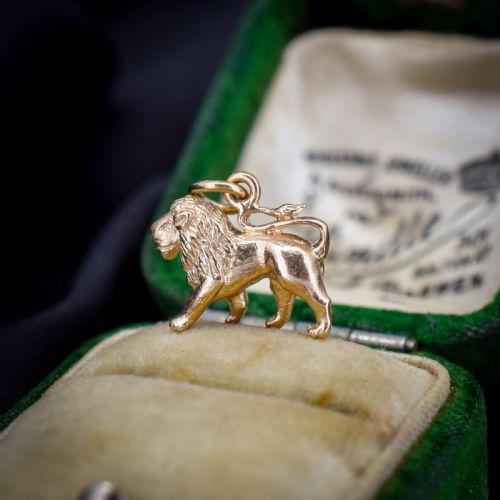
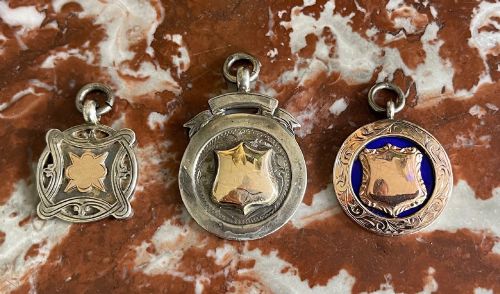
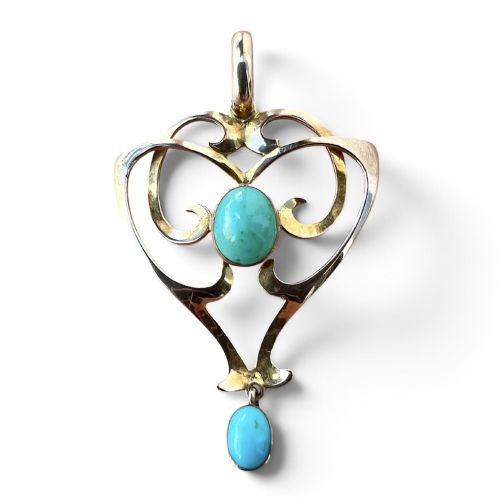
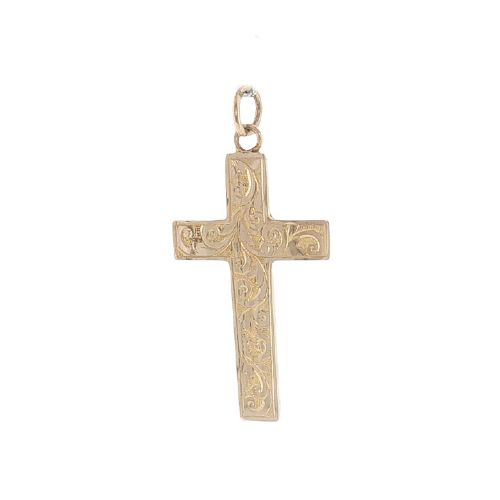
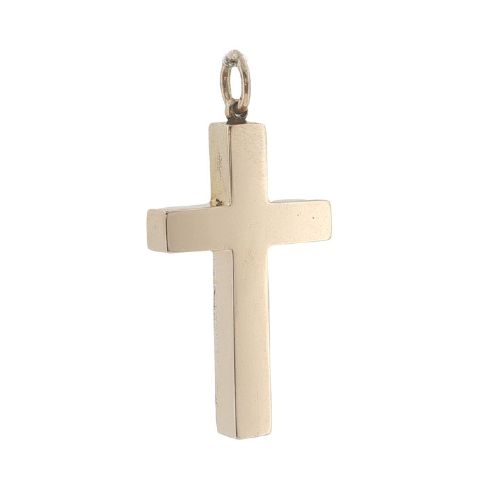
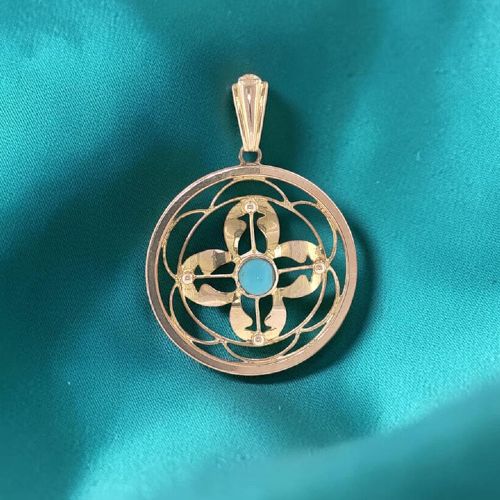
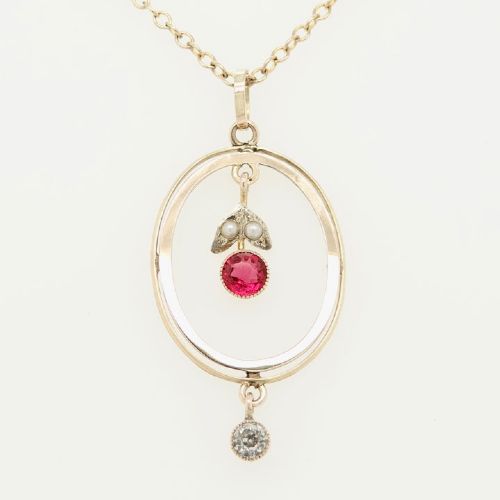
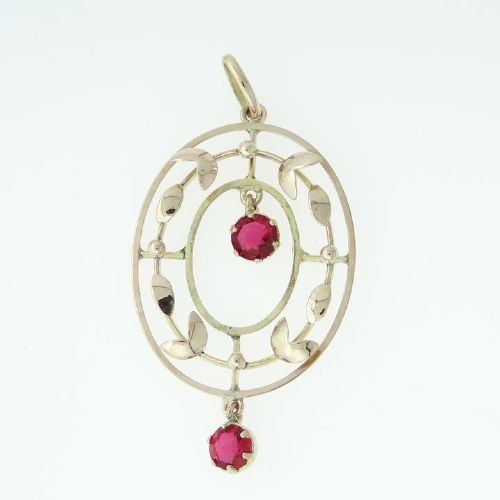
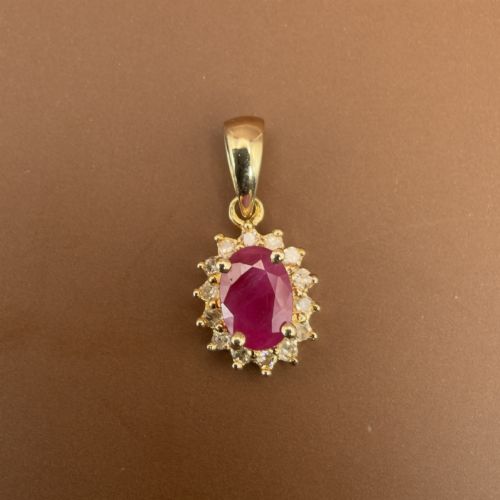
An antique gold pendant charm is a wearable miniature ornament designed to suspend from a necklace chain, bracelet, or watch fob. When searching for an antique gold pendant charm, buyers encounter diverse forms ranging from seal fobs and heart-shaped lockets to figurative animals and religious subjects. The pieces appearing here span Victorian, Edwardian, and later twentieth-century eras, reflecting changing tastes in small-scale personal jewellery.
Victorian and Edwardian examples dominate the selection, showcasing distinct periods of sentimental and decorative design. Fob seals, watch keys, and geometric lockets sit alongside naturalistic motifs like owls, lions, and clover leaves. These jewels served functional roles as seals or timepieces before transitioning into pure charms and pendants.
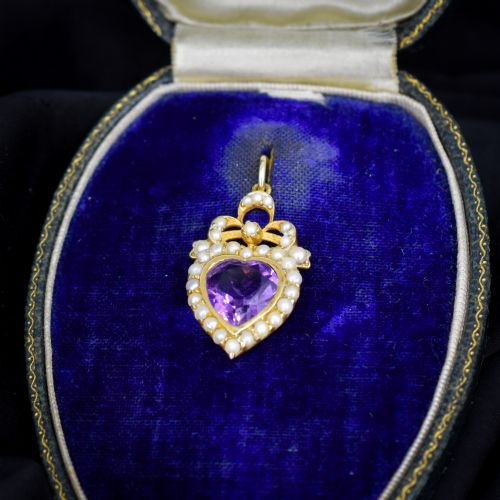
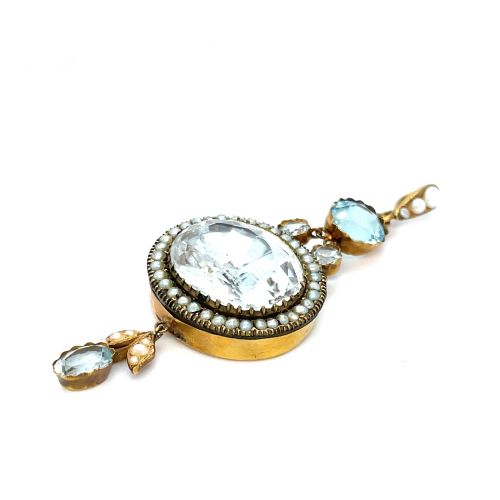
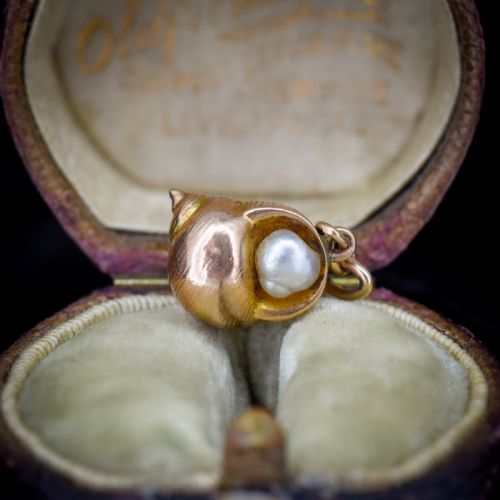
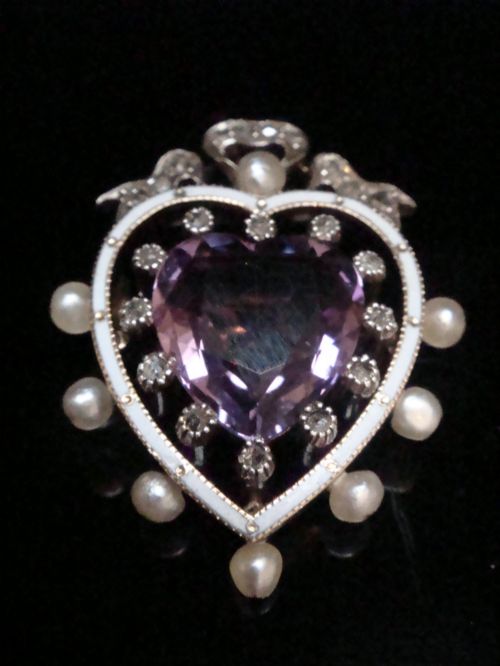
Materials vary widely across the inventory, incorporating precious gems alongside base and precious metals. Collectors find everything from solid yellow and rose gold mountings to intricate seed pearl borders and vibrant hardstone panels. Each item demonstrates the Victorian and Edwardian propensity for meaningful symbolism executed in miniature.
Materials and construction
Goldsmiths utilised various grades of gold, including nine carat, fifteen carat, eighteen carat, and gold cased variants to shape these small ornaments. Gemstones such as aquamarine, garnet, amethyst, sapphire, and moonstone appear alongside organic materials like mother of pearl and seed pearls.
Lapidaries carved hardstones including sardonyx, cornelian, agate, bloodstone, and chalcedony into seals, cabochons, and panels. Metalworkers employed foil backing behind stones like rock crystal and aquamarine to enhance brilliance, while enamel added colour to propelling pencils and decorative surfaces.
Antique Gold Pendant Charm Retail Price Guide 2026
Typical asking prices for gold pendant charm among the pieces listed under this phrase on Sellingantiques today, from the lower quarter to the upper quarter. They describe what is for sale here now, not the wider market.
Stones recorded in the inventory include amethyst, aquamarine, garnet, moonstone, sapphire, sardonyx, bloodstone, and rock crystal.
Markers of distinction
Superior examples distinguish themselves through crisp hand-engraving, intricate relief work, and the careful selection of natural gemstones. The precision in setting seed pearls and the depth of carving in hardstone seals separate standard production from exceptional goldsmithing.
The integration of functional mechanics, such as rotating swivel fobs or working compasses, indicates higher manufacturing standards. Preservation of original gilding, foil backs, and undamaged enamelling significantly elevates the standing of a piece.
French Becker
The Antique Gold Pendant Charm Glossary
- Fob seal
- A small pendant featuring an engraved hardstone matrix used for stamping hot wax documents. These items hung from watch chains before becoming decorative charms.
- Seed pearl
- A tiny, naturally occurring or early cultured pearl drilled and threaded onto silk or wire. Makers clustered these pearls to create floral and heart motifs.
- Foil back
- A reflective metallic sheet placed beneath a transparent gemstone to brighten its colour and sparkle. This technique is common in Victorian jewellery.
- Watch key
- A small mechanical key used to wind pocket watches, often embellished with hardstone panels and worn as a pendant.
- Cabochon
- A gemstone shaped and polished with a smooth, rounded dome rather than faceted edges. Moonstones and garnets frequently appear in this cut.
Antique Gold Pendant Charm: Frequently Asked Questions
How were watch key fobs used?
Watch key fobs served the mechanical purpose of winding nineteenth-century pocket watches before keyless stem-winding mechanisms became standard. Owners carried them attached to watch chains alongside seals and small ornaments.
As timekeeping technology progressed, these functional keys remained popular as decorative pendants. Their hardstone panels and swivel mounts made them fashionable additions to personal jewellery collections.
How do I care for antique pearl jewellery?
Antique jewellery set with seed pearls requires gentle handling because organic pearls are sensitive to moisture, chemicals, and cosmetics. Avoid submerging these pieces in water or cleaning them in ultrasonic baths.
Store them separately in soft pouches to prevent scratching the gold and softer gemstones. Wipe them gently with a dry microfiber cloth after wearing to remove oils.
How can I tell Victorian from Edwardian pieces?
Victorian pieces often feature heavier gold work, darker garnets, bloodstone, sardonyx, and rich romantic symbolism like hearts and hands. The styles span from austere mourning pieces to ornate mid-century revivals.
Edwardian jewellery typically showcases lighter, airier designs with platinum or yellow gold settings, seed pearls, aquramarines, and delicate openwork. The aesthetic shifts toward pastel tones and graceful garlands following the turn of the twentieth century.