
Antique Gold Jewelry
Antique gold jewellery spans Georgian, Victorian, Edwardian, and Art Deco eras, offering enduring craftsmanship and distinct character that modern pieces simply lack.
Antique Gold Jewelry
When browsing antique gold jewellery, buyers encounter rings, pendants, brooches, earrings, and bracelets originating from the mid-nineteenth century through the mid-twentieth century.
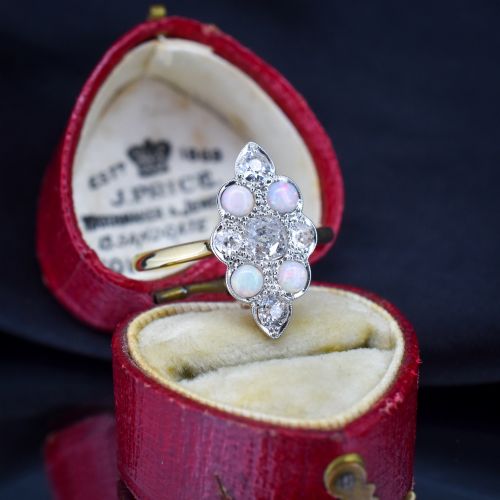
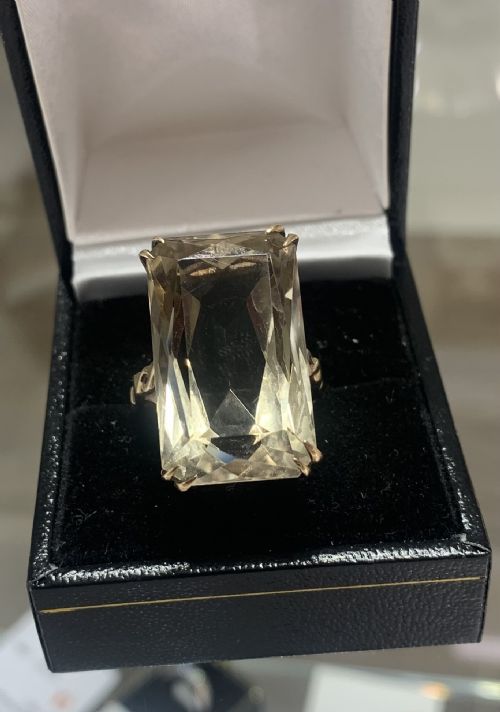
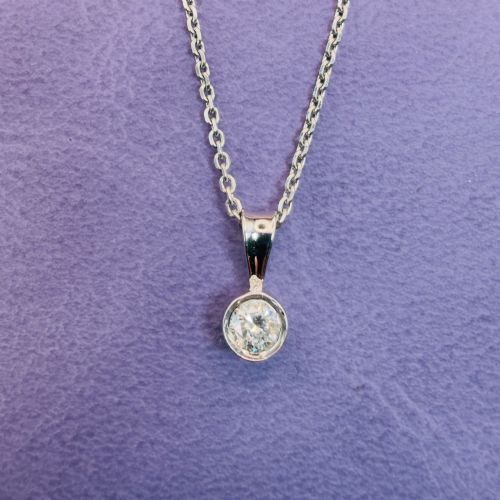
The selections on this page are predominantly rings and pendants set in various carats of yellow, rose, and white gold, alongside platinum mountings.
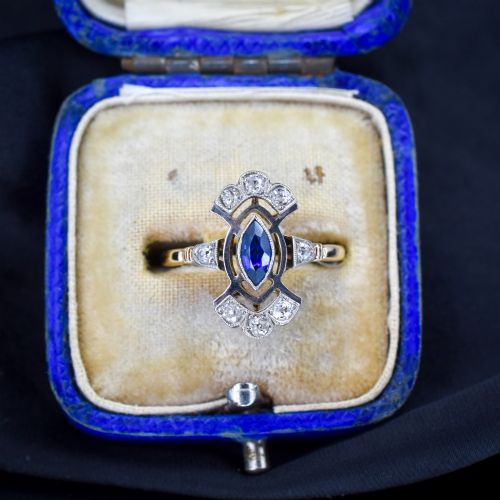
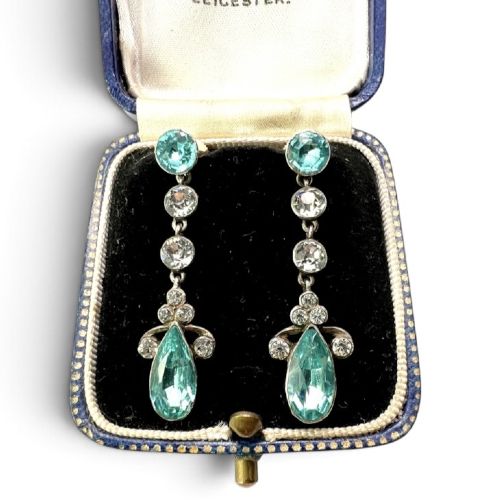
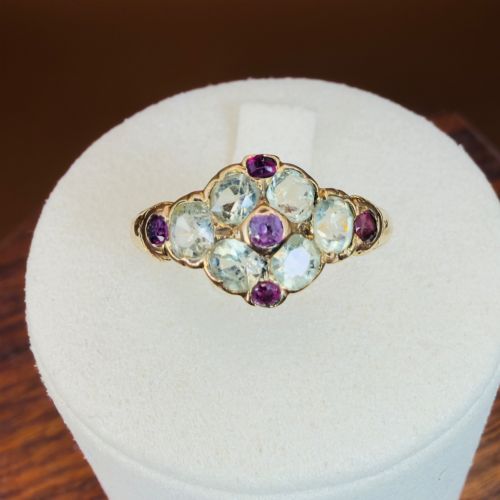
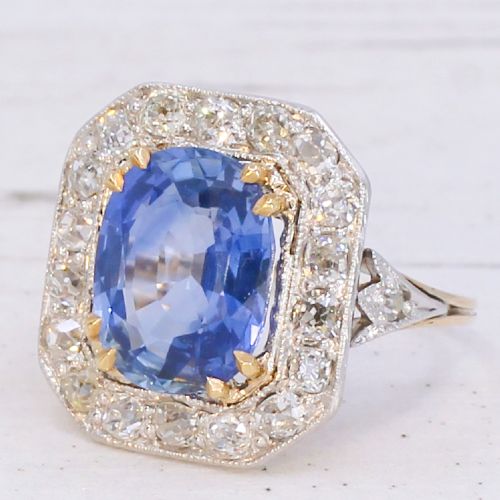
Pieces range from early Victorian cluster rings and Edwardian peridot drops to geometric Art Deco diamond and sapphire creations.
Materials and Construction
Makers utilised gold alloys ranging from lower 9ct standards to higher 15ct and 18ct thresholds, alongside platinum for durable stone settings.
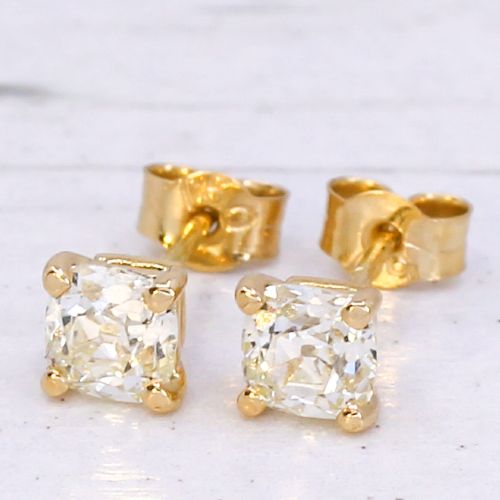
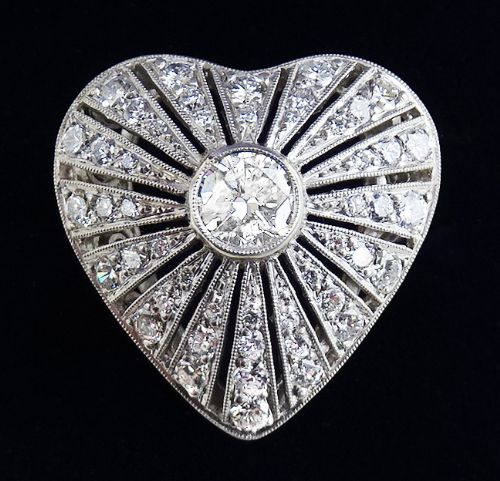
Gems such as old mine cut diamonds, Ceylon sapphires, rubies, emeralds, opals, and amethysts are secured using hand-forged settings and intricate openwork metal techniques.
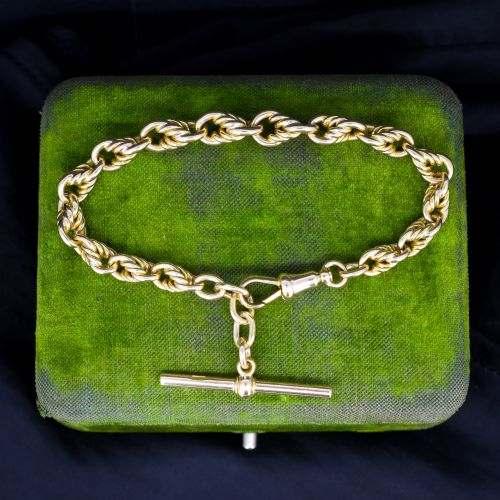
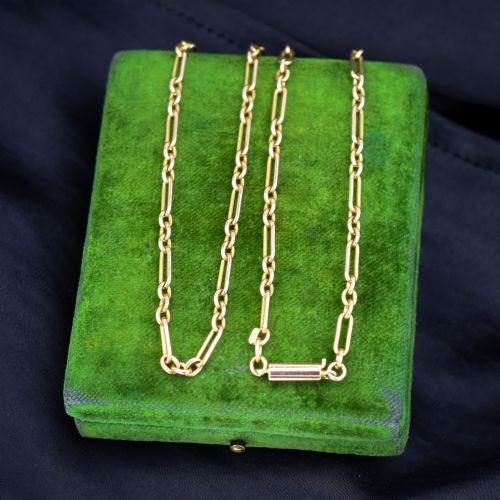
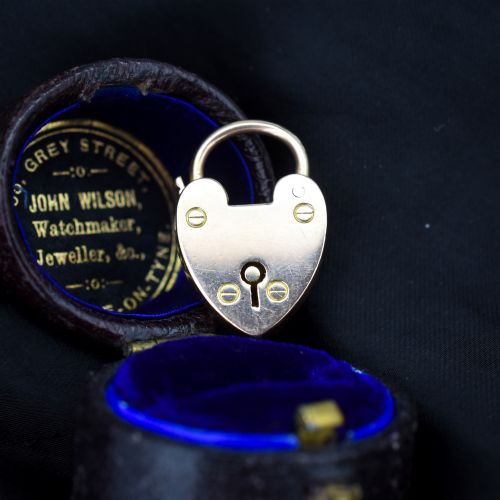
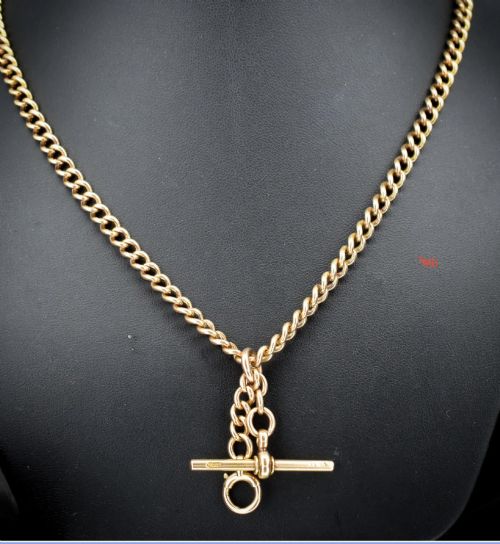
Chains and bracelets employ specialised mechanisms like bolt rings, dog clips, swivel fobs, and secure padlock clasps.
Several Victorian items incorporate tiny micromosaic swallows and spinning bloodstone fobs, proving that past generations loved playful accessories just as much.
Assessing Quality and Merit
Quality rests in the crispness of the hand-carved details, the originality of the gemstone cuts, and the structural integrity of the precious metal mountings.
Superior examples maintain their original clasps, unpolished hallmarks, and well-matched natural stones without replacement elements or modern alterations.
The harmony of design, particularly in intricate Art Nouveau floral motifs or symmetric Art Deco geometric patterns, elevates a piece above standard production.
Deakin & Francis·Murrle Bennett·Cartier
The Antique Gold Jewelry Glossary
- Old Mine Cut
- A vintage diamond cut featuring a squarish girdle, high crown, and small table, typical of nineteenth-century stones.
- Cabochon
- A gem polished into a smooth, rounded dome rather than faceted, frequently seen with turquoise, opals, and garnets.
- Bolt Ring
- A circular hollow ring with a spring-loaded metal bolt used as a secure clasp on chains and necklaces.
- Swivel Fob
- A pivoting ornamental seal or stone pendant attached to watch chains, allowing the wearer to rotate the display side.
- Cluster Ring
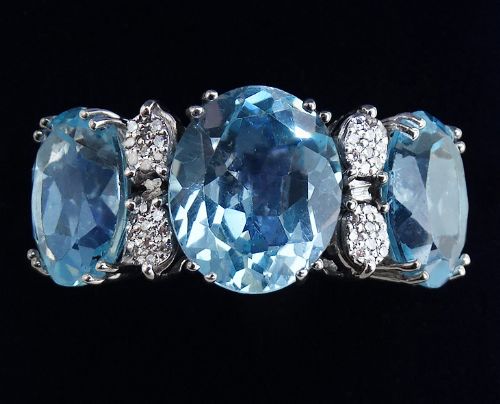
- A ring design featuring a central gemstone surrounded by a border of smaller accent stones, often diamonds.
Antique Gold Jewelry: Frequently Asked Questions
How do I care for antique gold jewelry?
Clean these delicate items gently with a soft cloth and warm soapy water, avoiding harsh chemical dips that can damage softer gems like opals and pearls.
Store each piece individually in a lined box or pouch to prevent the metal and stones from scratching one another during storage.
Can antique rings be resized?
Most gold rings can be altered by a skilled jeweller who understands antique construction methods and can preserve the original shank and hallmarks.
Complex designs featuring continuous channel-set stones or delicate openwork galleries require careful assessment before any metal work is attempted.
What is the difference between yellow and rose gold?
Yellow gold achieves its warm hue through an alloy mix that typically includes silver and copper alongside pure gold, standard in many Victorian pieces.
Rose gold incorporates a higher proportion of copper into the alloy mixture, creating a distinct reddish-pink tint popular during the Edwardian era.
How are periods identified in antique jewelry?
Stylistic clues such as the flowing organic lines of Art Nouveau or the sharp geometric symmetry of Art Deco help date a piece instantly.
Assay office marks, maker stamps, and specific stone-cutting styles provide further physical evidence to confirm the exact era of manufacture.