




Antique Gold Cluster Studs
Antique gold cluster studs combine central gems surrounded by smaller stones in compact earrings spanning Georgian to Mid-Century periods.
Antique Gold Cluster Studs
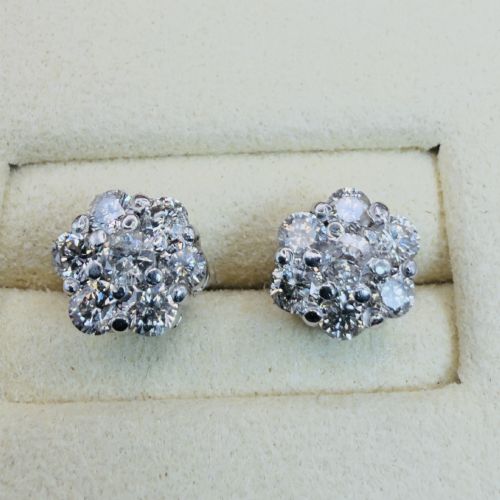
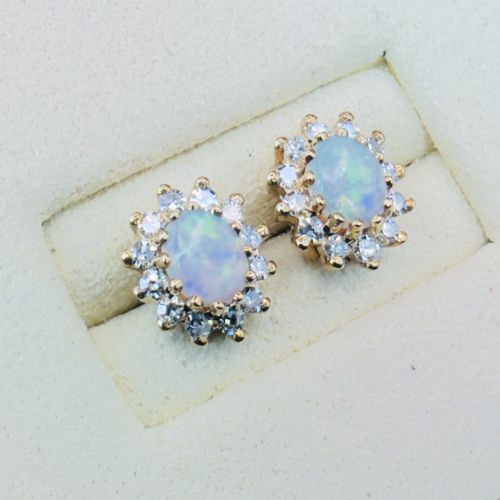
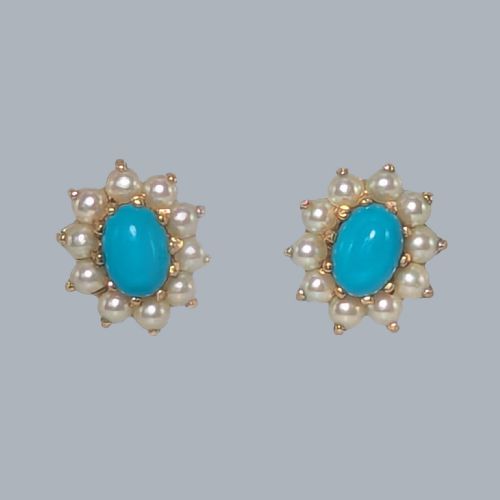
Antique gold cluster studs comprise earrings designed with a central gemstone encircled by a halo of smaller stones, mounted on gold bases. When searching for antique gold cluster studs, buyers encounter various historical eras including Georgian, Victorian, Edwardian, Art Deco, and Mid-Century periods.
How they were made
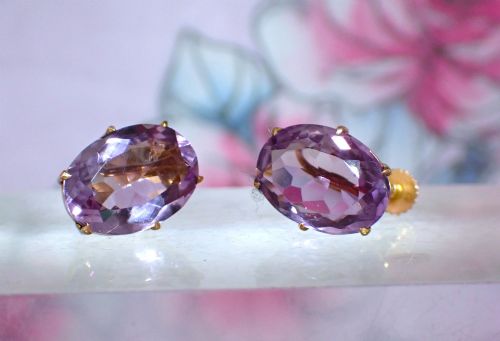
Craftsmen utilised various gold purities, including 9ct and 18ct yellow and white gold, alongside platinum, silver gilt, and silver settings. Stones like old-cut diamonds, rose-cut diamonds, garnets, amethysts, and sapphires were secured into cluster formations by hand.
Construction methods varied from traditional Victorian prong and collet settings to intricate Art Deco geometric metalwork. Fastenings included standard posts, screw-on mechanisms, and clip-on fittings suited to the period of manufacture.
What varies in quality
The fineness of the metalwork and the selection of the stones determine the standing of individual pairs. Hand-finished gold settings and well-matched stone groupings indicate greater attention to detail during production.
The clarity and cut of central diamonds or coloured gems, such as sapphires, emeralds, and amethysts, alongside the structural integrity of the surrounding halo, separate standard examples from finer specimens.
The Antique Gold Cluster Studs Glossary
- Cluster
- An arrangement where a central gemstone is encircled by a tight border of smaller stones. This design maximises visual impact and light reflection.
- Old-cut diamond
- A hand-faceted diamond typical of older periods featuring a smaller table and larger culet. These stones exhibit distinct brilliance under ambient light.
- Rose-cut diamond
- A stone style featuring a flat base and a domed crown with triangular facets. This cut predates modern brilliant facets.
- Guilloche
- An engraved decorative technique covered with translucent enamel. It appears on select Georgian pieces.
- Screw-on
- A fastening mechanism utilising a threaded post and nut. This design accommodated non-pierced ears in earlier decades.
Antique Gold Cluster Studs: Frequently Asked Questions
How do I secure antique screw-on earrings?
Screw-on fastenings use a threaded post paired with a rotating backing disc. Twist the backing gently along the thread until it rests comfortably against the earlobe without over-tightening.
Ensure the mechanism moves smoothly before wearing them regularly. If resistance occurs, professional adjustment protects the vintage metal thread.
What periods do these earrings cover?
The available pieces span multiple eras from the Georgian period through Victorian, Edwardian, and Art Deco styles up to the 1950s and 1960s. Each era introduces distinct design characteristics and gemstone preferences.
Georgian and Victorian pieces often feature rose-cut stones and rich coloured gems, while Art Deco and Mid-Century examples favour white gold, platinum, and geometric diamond clusters.
Are these earrings suitable for daily wear?
Many cluster studs withstand regular wear provided they receive gentle care and appropriate handling. Older settings benefit from periodic checks by a specialist to ensure stones remain secure.
Removing earrings before sleeping or swimming protects delicate gold prongs and historical fasteners from unnecessary strain.
How can I identify Edwardian cluster designs?
Edwardian pieces frequently incorporate light, intricate yellow or white metal frames supporting diamonds, pearls, or sapphires. The aesthetic emphasises delicate floral motifs and airy openwork.
Comparing the mounting style and stone cuts against known early twentieth-century examples helps confirm the period of origin.