


Antique Glass Paste
Antique glass paste jewellery delivers the brilliance of gemstones through vitreous craftsmanship, offering collectors historic settings worn for centuries.
Antique Glass Paste
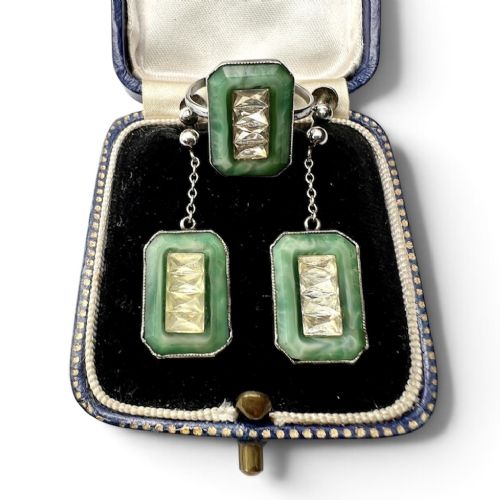
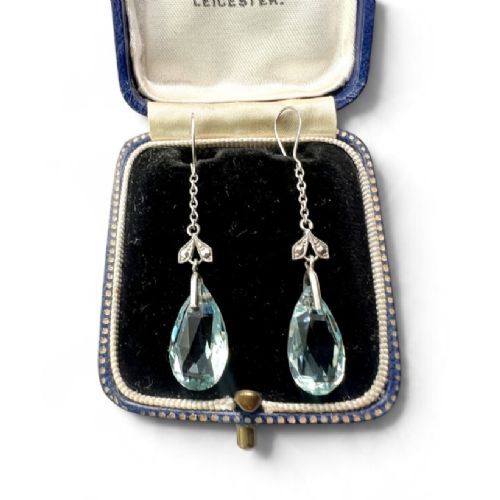
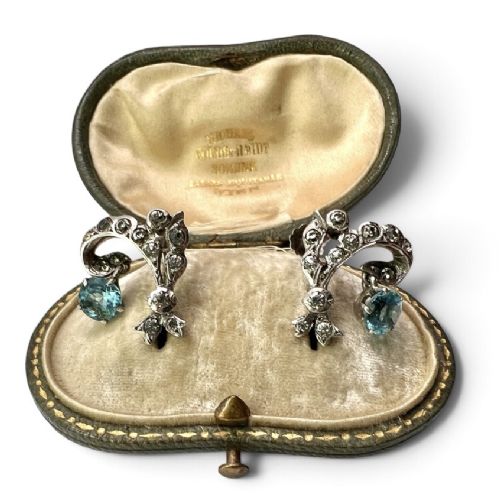
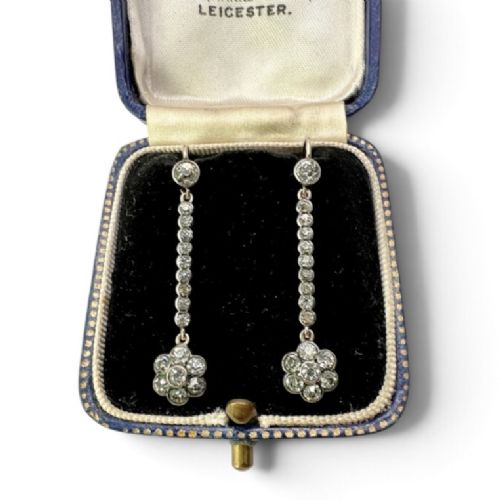
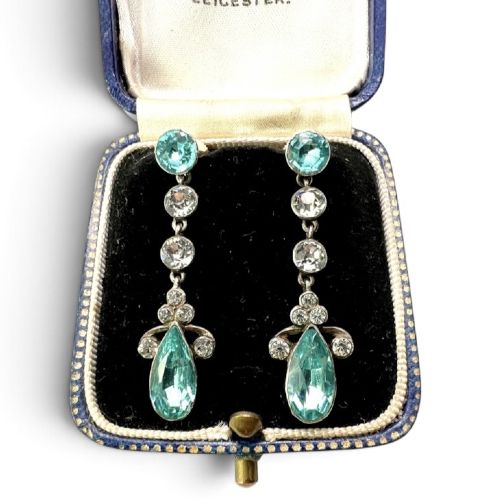
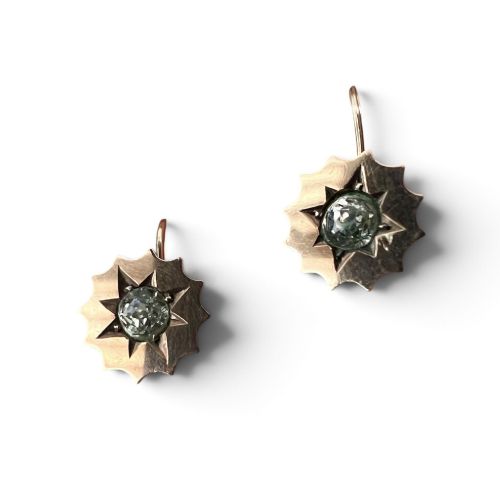
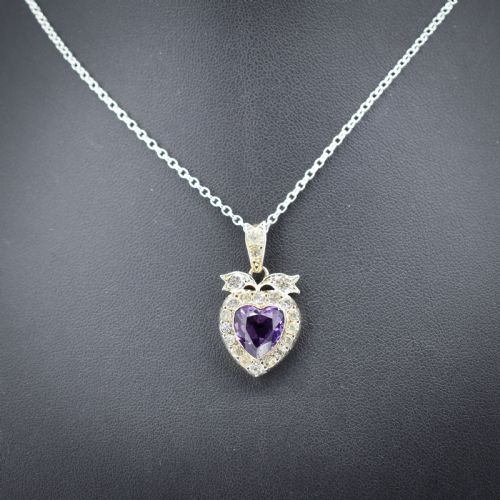
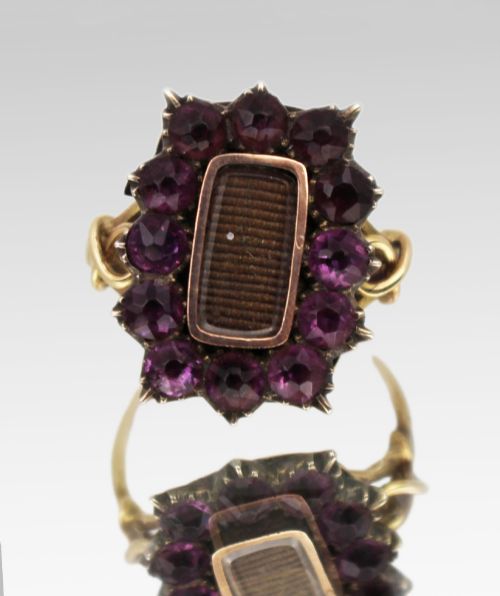
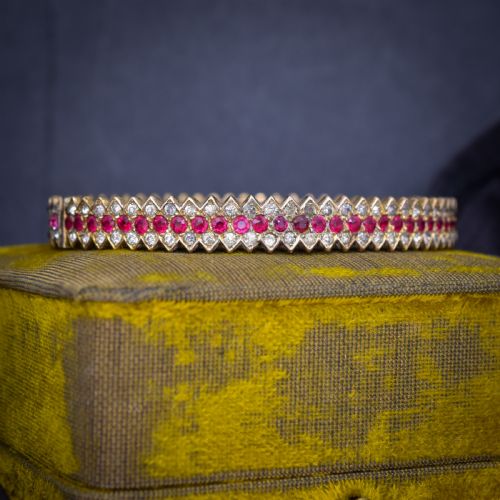
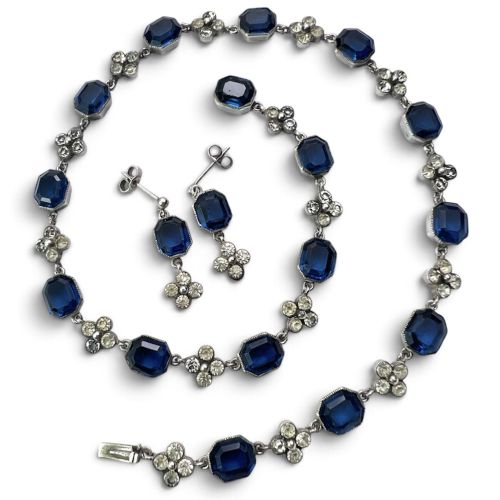
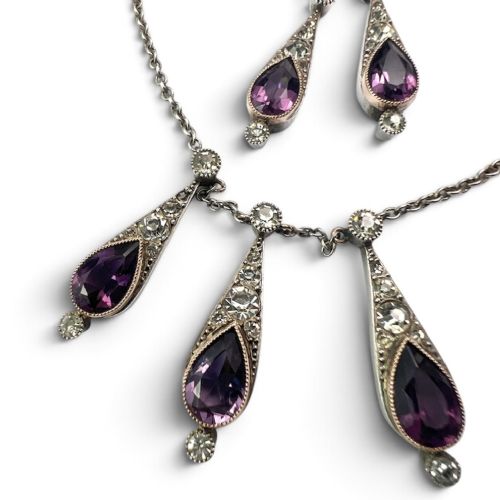
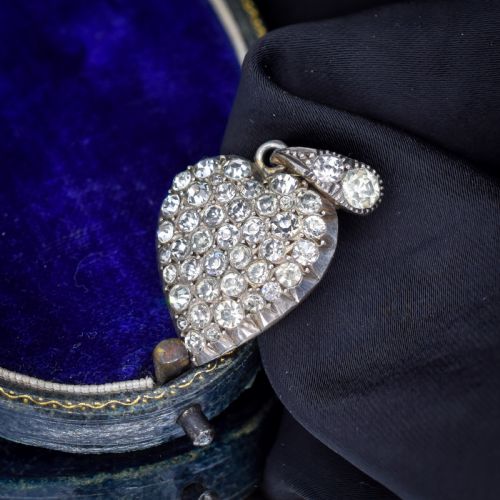
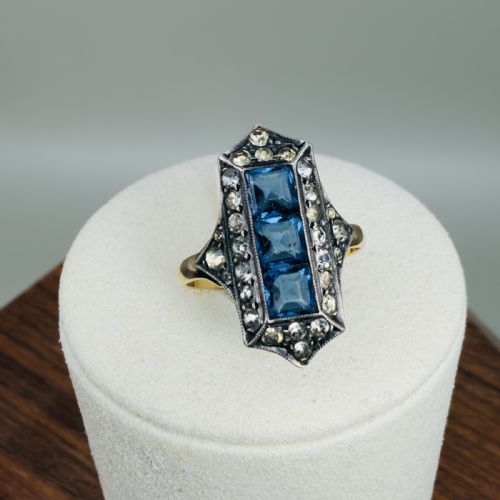
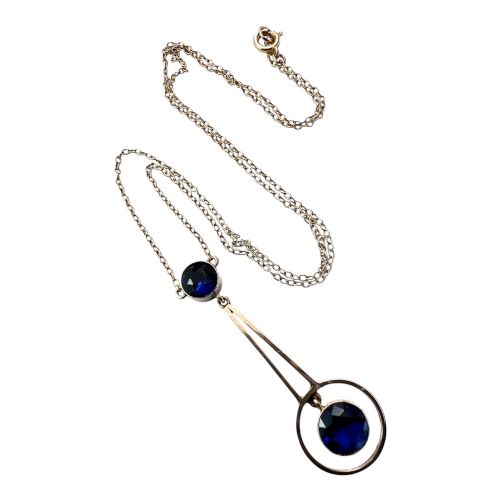
Antique glass paste comprises vitreous materials moulded or cut to imitate precious gemstones in historic jewellery pieces. When searching for antique glass paste, buyers encounter diverse forms ranging from Georgian rings and Victorian brooches to Edwardian drop necklaces and Art Deco jewellery sets.
The pieces on this page span several eras including Georgian, Victorian, Edwardian, and the 1920s Art Deco period. Jewellery types include earrings, pendants, brooches, rings, necklaces, bracelets, and complete matching sets.
Materials and construction
Craftsmen shaped glass paste into facets mimicking diamonds, emeralds, amethysts, sapphires, and rubies. Metals utilised for settings include sterling silver, 9ct gold, 18ct gold, and 15ct rose gold, frequently combined in silver-topped-gold techniques.
Historic techniques involve foil-backing the glass paste to enhance light reflection within closed-back settings, a method prominent in Georgian jewellery. Artisans also incorporated pearls, black dot inclusions, and intricate metalwork such as floral drops and bow lockets.
Antique Glass Paste Retail Price Guide 2026
Typical asking prices for glass paste among the pieces listed under this phrase on Sellingantiques today, from the lower quarter to the upper quarter. They describe what is for sale here now, not the wider market.
Factors influencing quality
Quality in antique glass paste depends upon the precision of stone cutting and the clarity of the vitreous material. Hand-cut old stones exhibit softer facet edges and deeper light refraction compared to mass-produced alternatives.
Knoll and Pregizer
The Antique Glass Paste Glossary
- Paste
- Vitreous glass composition melted, coloured, and cut to imitate gemstones. It serves as the primary decorative medium across these historic pieces.
- Foil-backed
- Metallic foil placed behind a glass paste stone to boost brilliance and colour saturation. This technique defines many Georgian and early Victorian items.
- Black dot paste
- A specific Georgian technique where a dark spot is painted on the underside of a paste stone to simulate the culet of a natural diamond. It appears frequently in 18th and early 19th-century jewellery.
- Pate de verre
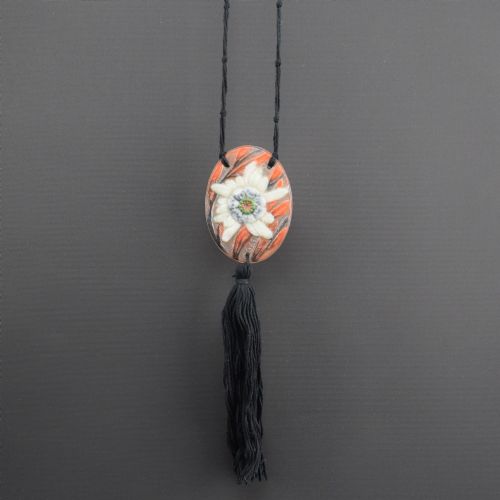
- A glass-casting method involving crushed glass packed into a mould and fused in a kiln. The process creates textured, translucent sculptural pieces such as pendants.
Antique Glass Paste: Frequently Asked Questions
What is antique glass paste?
Antique glass paste is specially formulated and cut glass used as a gemstone substitute in historic jewellery and decorative objects. Craftsmen shaped the material to mimic diamonds, emeralds, and other precious stones.
These pieces date from the Georgian era through the mid-20th century, mounted in silver and various gold purities. The material allowed wearers to display elaborate designs without relying exclusively on mined gems.
How do you date glass paste jewellery?
Dating relies on metal combinations, setting styles, and overall design motifs characteristic of specific historical periods. Georgian pieces often feature closed-back foil settings and black dot pastes, while Edwardian items lean towards delicate silver filigree and floral drops.
Art Deco examples display geometric shapes, calibré-cut stones, and screwback fasteners. Examining the back of the piece and the construction of the mount reveals the period of manufacture.
How should I care for antique paste?
Antique glass paste requires gentle handling because the historic glass and foil backs are sensitive to moisture. Cleaning should involve only a soft, dry cloth rather than liquid immersion or ultrasonic baths.
Water exposure can seep behind foil-backed stones and ruin the reflective backing. Storing each piece separately in a lined box prevents scratching against other items.
Were paste stones worn by royalty?
High-society figures and nobility historically wore fine paste jewellery alongside or instead of genuine gemstones. Georgian and Victorian courts prized paste for its ability to form large, theatrical statement pieces for evening wear.
Master jewellers devoted the same craftsmanship to setting paste as they did to diamonds. This heritage makes surviving period pieces collectable today.