

Antique Glass Frame
These antique glass frame pieces are principally mirrors and framed panels that bring depth and period character into a room.
Antique Glass Frame
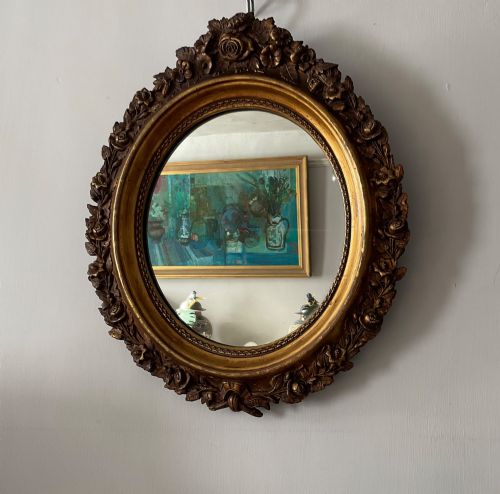
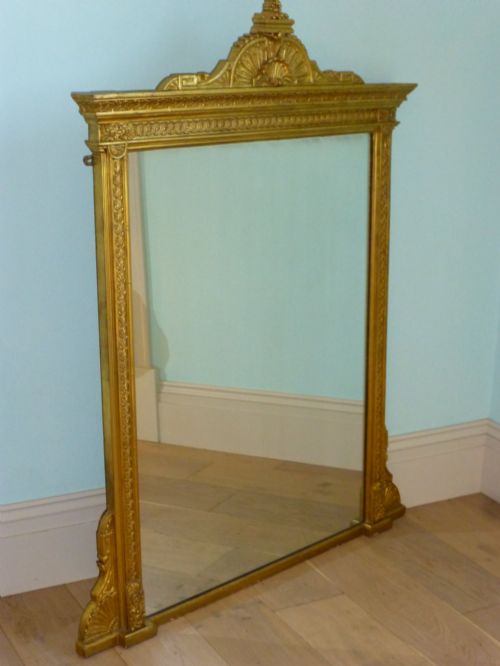
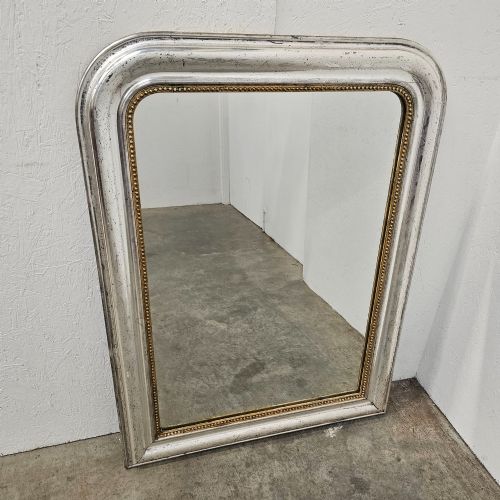
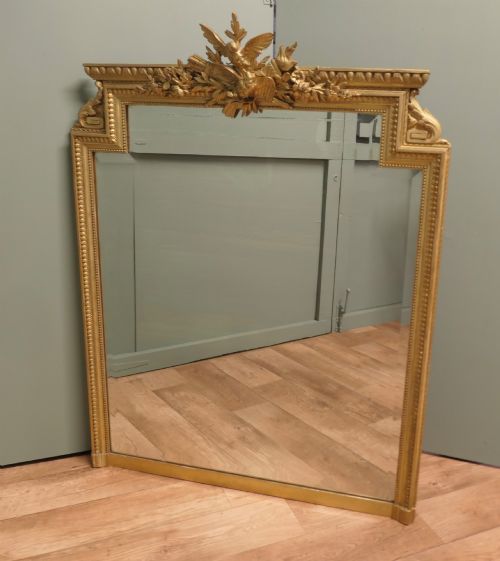
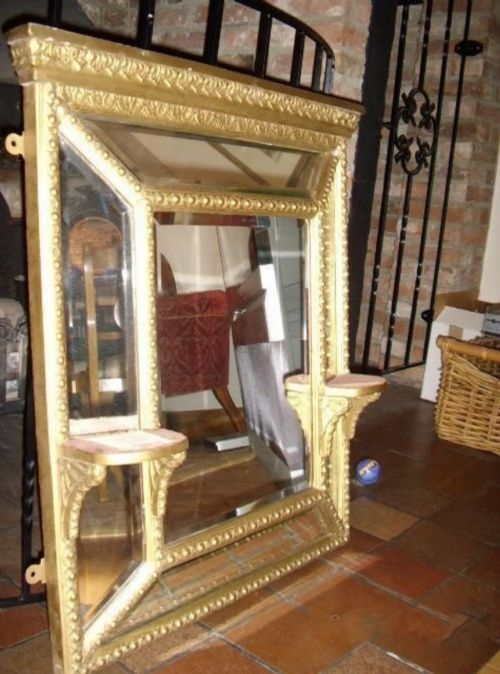
When you search for an antique glass frame, you find wall mirrors, overmantel mirrors, and framed works where the glass or mirror plate itself is the primary focus of the piece. The most common forms on this page are large nineteenth-century giltwood and oak wall mirrors, alongside French Louis Philippe designs.
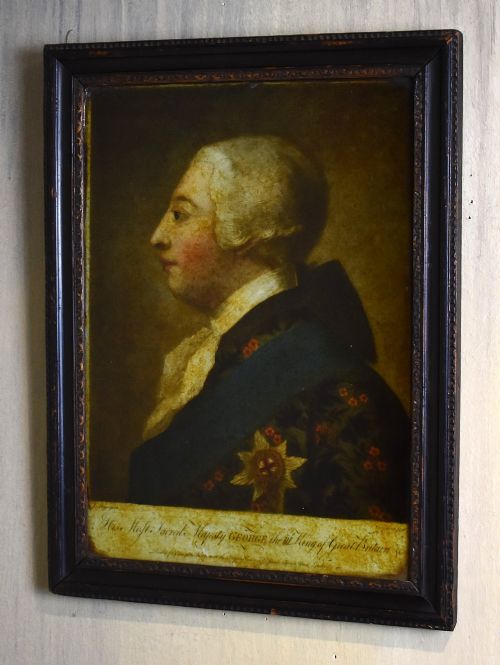
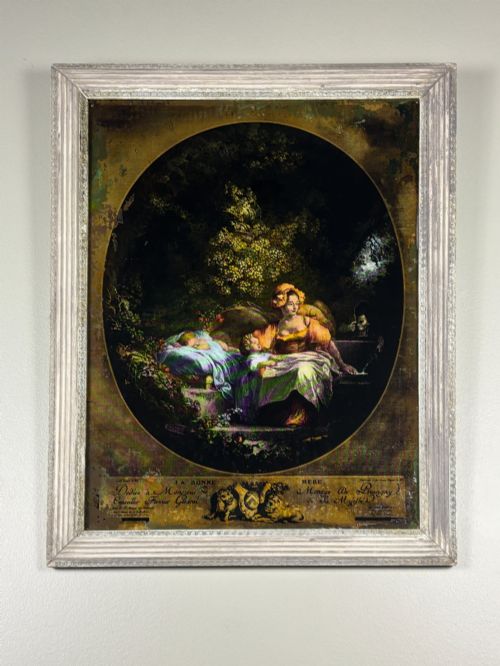
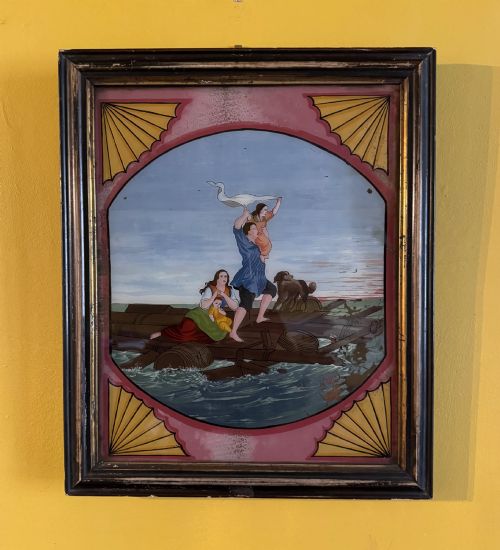
The selection extends beyond standard looking glasses into devotional icons, reverse painted miniatures, and trumeau mirrors featuring pastoral oil paintings. These objects span the eighteenth, nineteenth, and early twentieth centuries, drawing on Georgian, Victorian, Edwardian, and Regency styles.
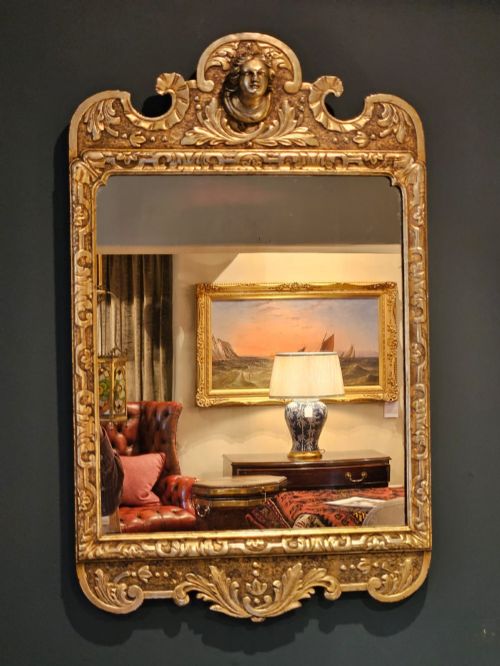
Origin plays a strong role in the inventory, with many pieces originating from French workshops alongside English and Venetian examples. Whether simple oak framing or elaborate parcel-gilt and gesso crests, each piece centres on the integration of glass and timber or metal.
Materials and technique
Makers built these frames using solid timbers such as oak, walnut, and mahogany, often applying gesso and gold leaf to create water-gilt surfaces. Carved wood details, rope twists, and fretwork define the structural mounts that secure the glass plates.
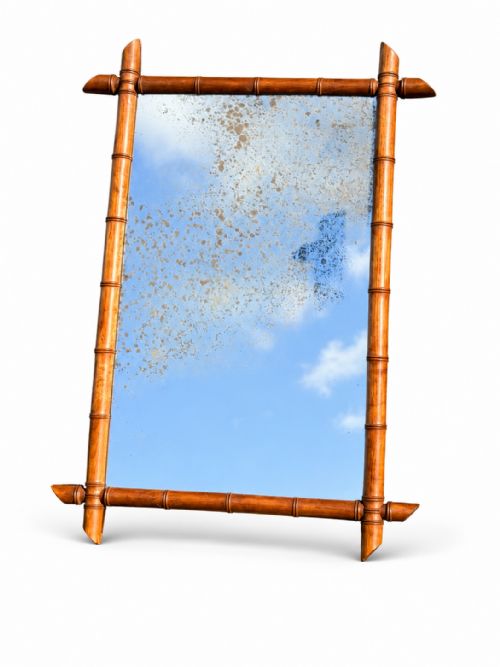
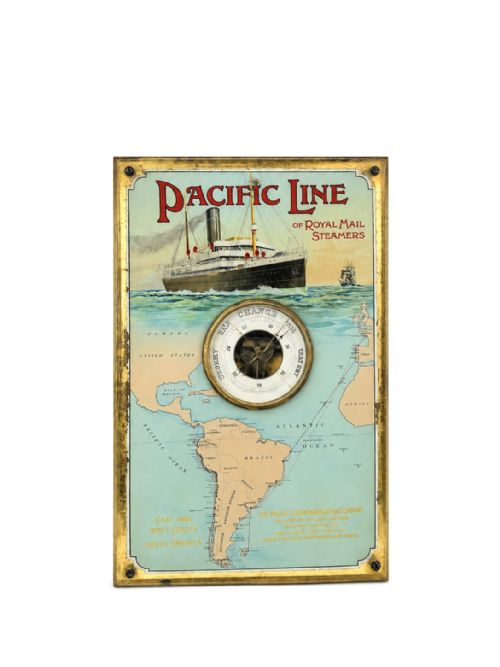
The glass itself includes mercury glass with foxed patination, mirror glass, and reverse-painted panels created through techniques like Églomisé. Ormolu, brass, and silver plating appear alongside giltwood to mount and enhance the reflective or decorative glass panels.
Antique Glass Frame Retail Price Guide 2026
Typical asking prices for glass frame among the pieces listed under this phrase on Sellingantiques today, from the lower quarter to the upper quarter. They describe what is for sale here now, not the wider market.
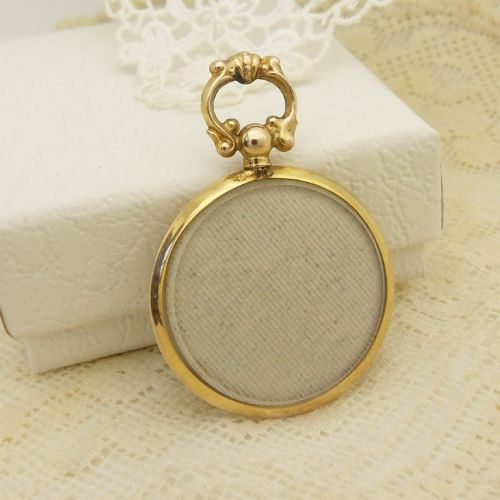
One miniature frame protects a tiny devotional wax icon of St Catherine, proving good things come in diminutive packages.
What separates the grades
Quality rests in the crispness of the hand-carved wood and gesso ornament, and the depth of the water gilding applied over the timber base. Superior pieces display intricate detailing on crests and mouldings that remain sharp and well-defined.
The character of the glass plate heavily influences the standing of the piece, particularly where original mercury glass shows natural ageing and foxing. Well-preserved frames retain their original backing timber and glass, demonstrating harmony between the mount and the reflective surface.
Arsène Rochette of Versailles
The Antique Glass Frame Glossary
- Mercury glass
- A type of silvered glass produced by pouring a liquid mercury amalgam between double-walled blown glass, creating a reflective surface that often develops dark spots or foxing over time.
- Églomisé
- A process of applying gold or silver leaf to glass along with cold painting on the rear face, producing a mirrored or decorated panel with a distinct antique sheen.
- Gesso
- A plaster-like mixture applied to wood frames as a base for gilding, allowing craftsmen to carve fine decorative relief details before applying gold leaf.
- Trumeau
- A decorative wall mirror paired with an oil painting or panel above, commonly found in eighteenth and nineteenth-century French interiors.
- Parcel-gilt
- A finish where only specific carved portions of a wooden object are highlighted with gold leaf, leaving the underlying grain of walnut or mahogany visible.
Antique Glass Frame: Frequently Asked Questions
How do I date an antique glass frame?
Dating relies on examining the construction of the wooden frame, the style of the carving, and the characteristics of the glass plate itself. Older frames often feature hand-cut joinery and original backboards that correspond to Georgian or Victorian cabinetmaking traditions.
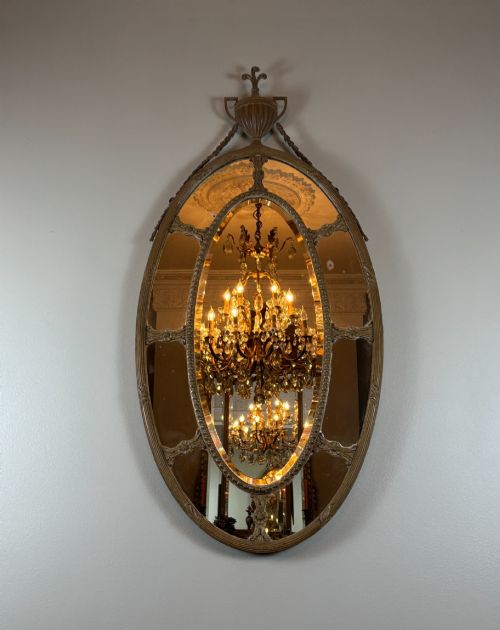
The glass can also indicate age, as early mercury glass exhibits specific foxing and imperfections distinct from later industrial manufacturing. Comparing the decorative motifs, such as neoclassical urns or faux bamboo, helps place the object within its specific century or decade.
What is mercury glass in these frames?
Mercury glass refers to a double-walled glass medium popular in the nineteenth century that used a silvering compound to create a deep, misty reflection. It differs from modern mirrors by showing characteristic dark specks and cloudiness known as foxing.
This aged appearance is a natural result of chemical reactions over time rather than a manufacturing defect. Collectors value original mercury glass for the soft, atmospheric quality it brings to antique mirrors and decorative panels.
Where should I hang a heavy overmantel mirror?
Heavy overmantel mirrors require secure installation directly into wall studs or solid masonry to safely support their substantial wood and glass weight. These pieces were traditionally designed to sit above a fireplace mantel, anchoring the visual proportions of the room.
When placing one in a modern interior, ensure the hanging hardware matches the weight distribution of the specific frame. Positioning the mirror opposite a window also helps maximise the spread of natural light throughout the space.
How do I care for antique giltwood frames?
Care for giltwood and gesso surfaces involves gentle dusting with a soft, dry brush to prevent the accumulation of dirt without disturbing the delicate gold leaf. Moisture and harsh cleaning products should be avoided entirely, as they can strip the water-gilding and dissolve the underlying gesso.
Keeping the piece away from direct sunlight and damp environments protects both the timber structure and the silvered glass. Regular, careful maintenance preserves the original patina and finish of the frame for the long term.