

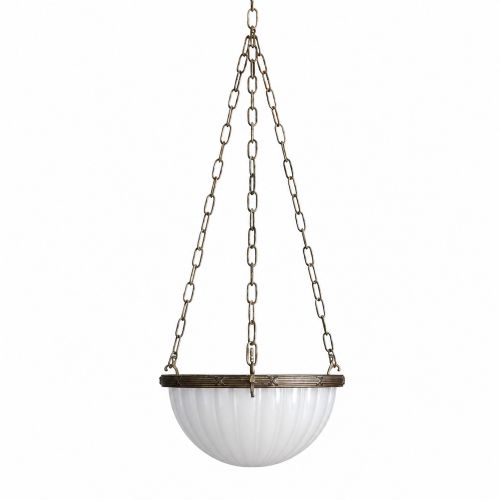


Antique Glass Dome Light
These antique glass dome light pieces bring direct period illumination and architectural shape to a room.
Antique Glass Dome Light
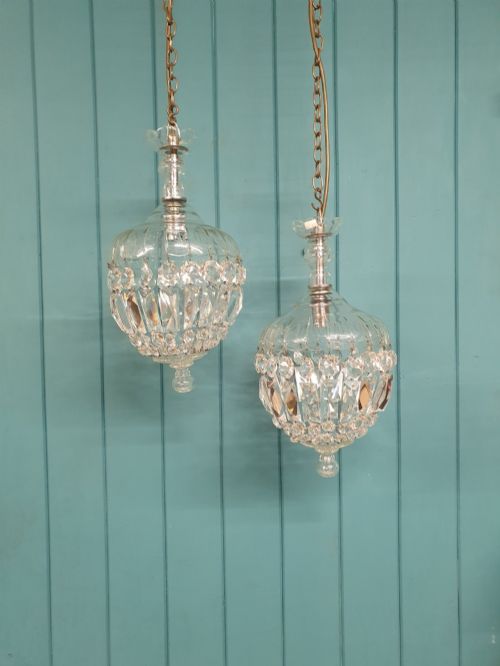
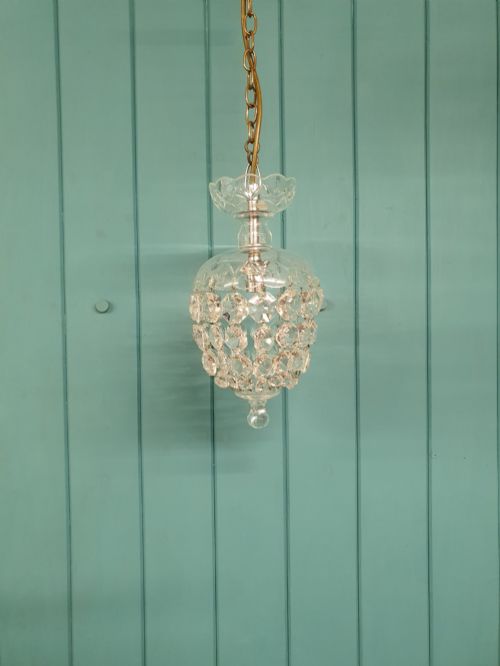
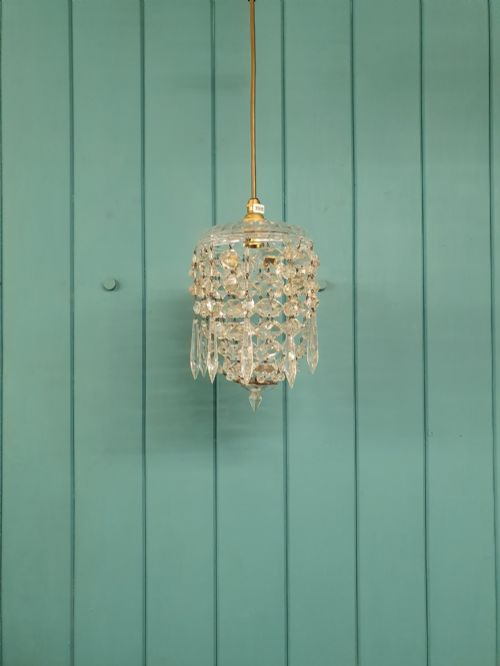
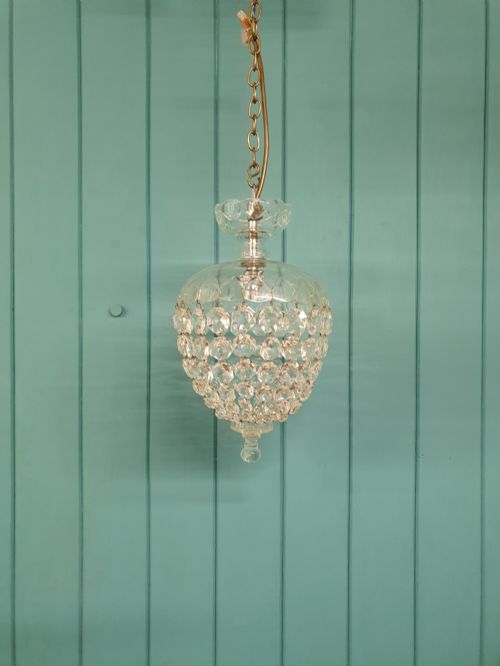
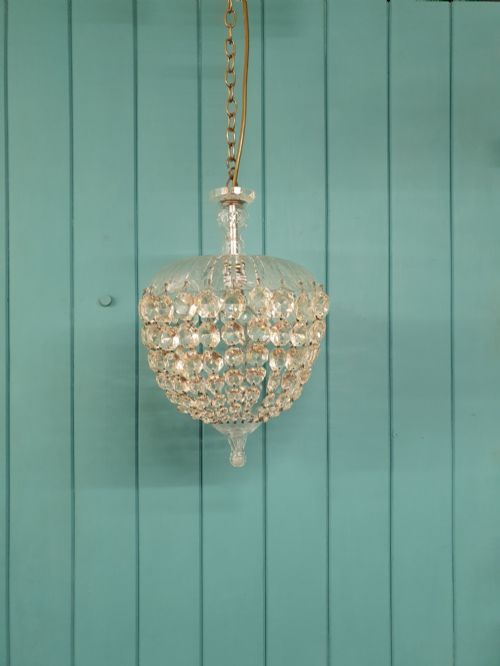
When you search for an antique glass dome light, you encounter enclosed hanging fixtures, chandeliers, and table lamps from the Victorian, Edwardian, and Art Deco periods. The selection on this page centres heavily on Edwardian dome top chandeliers alongside Victorian and 1920s examples.
The objects span ceiling lights, pendant lights, wall lights, and lamp shades formed with curved glass elements. Forms range from compact six-inch dome top chandeliers to larger etched crystal shades and brass-mounted lanterns.
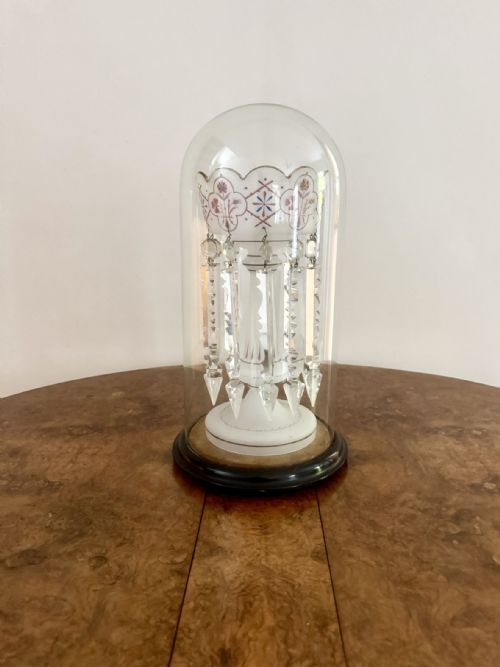
Origins include British designs and French styles, incorporating French Chateau and mid-century aesthetics. Alongside hanging fixtures, the material evidence also includes oil lamp shades, table lamps, and mantel lustres.
Materials and construction methods
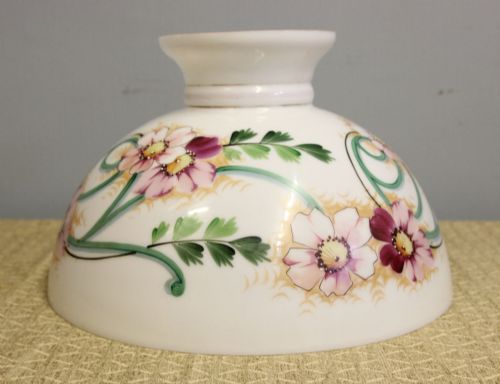
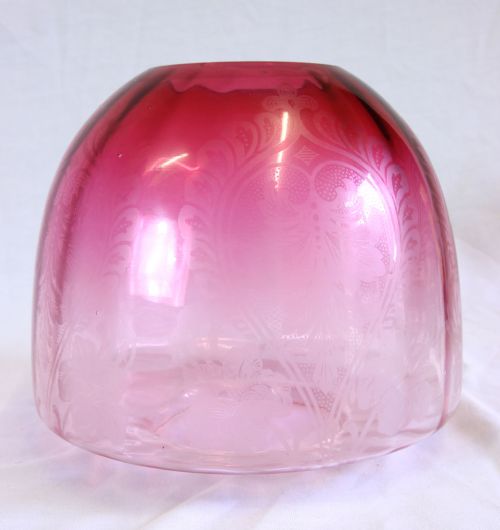
The physical build relies heavily on combinations of glass and metal, specifically brass, bronze, copper, and cast iron. Glass treatment varies from plain clear panels to cut crystal, etched glass, frosted glass, lead crystal, opaline, and cranberry glass.
Metal frames secure the glass domes and panels, utilising casting and mounting techniques appropriate for heavy brass and iron work. Surface treatments include painted details on opaline shades and precise surface cutting on crystal components.
Antique Glass Dome Light Retail Price Guide 2026
Typical asking prices for glass dome light among the pieces listed under this phrase on Sellingantiques today, from the lower quarter to the upper quarter. They describe what is for sale here now, not the wider market.
Listings incorporate items spanning the Victorian, Edwardian, Art Deco, and 1940s periods, executed in brass, bronze, crystal, and opaline glass.
Distinguishing quality in period lighting
Quality rests in the clarity and depth of the glasswork, whether through heavy lead crystal cutting, delicate surface etching, or the rich saturated colour of cranberry and opaline glass. Superior pieces display crisp facet lines and unblemished transparency.
The metal mountings determine structural integrity, with solid brass, bronze, and cast iron components showing superior longevity compared to lighter alloys. The harmony between the glass dome and its surrounding metal frame dictates the overall refinement of the fixture.
Stuart Crystal
The Antique Glass Dome Light Glossary
- Dome top chandelier
- A hanging ceiling light featuring a rounded glass upper section or dome that diffuses illumination downward. These fixtures frequently measure between six and ten inches in diameter.
- Opaline glass
- An opaque or translucent pale glass developed during the nineteenth century, often painted with decorative motifs. It diffuses a soft, milky glow when illuminated.
- Cut crystal
- Glass containing lead oxide that is hand-cut with geometric facets to refract light. This process creates high brilliance and weight within the shade or lamp body.
- Mantel lustre
- An ornamental glass object adorned with hanging crystal prisms, placed on a mantelpiece. These pieces often accompany period lighting sets.
- Cloche
- A bell-shaped glass or iron cover originally used in gardens or kitchens. The evidence includes original Victorian cast iron examples.
Antique Glass Dome Light: Frequently Asked Questions
How do I hang a dome top chandelier?
These ceiling fixtures suspend from electrical wiring and chain supports anchored to the ceiling joist. Professional installation ensures the weight of the brass frame and glass dome is safely borne.
Heavier pieces require a proper ceiling hook and a licensed electrician to verify the wiring meets current safety standards.
What rooms suit an Edwardian glass dome light?
Compact six-inch to ten-inch dome top chandeliers suit hallways, landings, cloakrooms, and smaller reception rooms. Their enclosed shape provides directional or diffused downward illumination without overwhelming modest ceiling heights.
They also work effectively in period kitchens and pantries where enclosed glass protects the bulb from moisture and grease.
How do I clean antique cut crystal?
Remove delicate glass shades from their metal mounts when possible to wash them in lukewarm water with mild soap. Avoid harsh chemical cleaners that can damage vintage metal patinas or painted surfaces.
Dry the crystal thoroughly with a lint-free cloth to restore the sparkle of the cut facets.
How do I date a Victorian glass dome light?
Dating relies on material characteristics such as cranberry glass colouring, heavy cast iron mounts, or hand-blown irregularities in the glass. Victorian pieces often exhibit heavier construction methods compared to later Edwardian production.
Documentation or distinct maker marks, such as those from Stuart Crystal, also help place pieces within the nineteenth or early twentieth century.