
Antique Gilt Porcelain
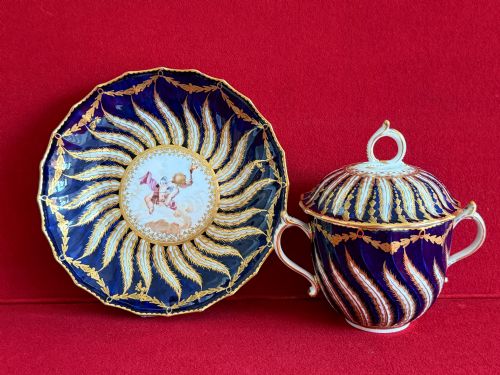
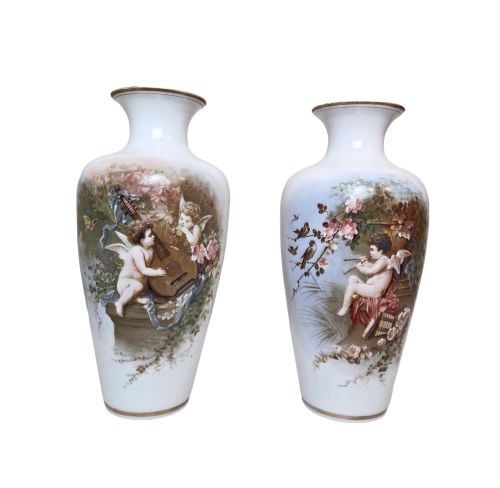
Antique gilt porcelain brings together fine ceramics and gold leaf, offering objects that range from decorative vases to delicate chocolate cups.
Antique Gilt Porcelain
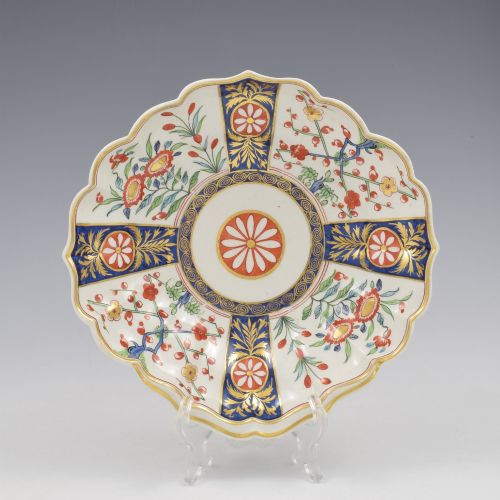
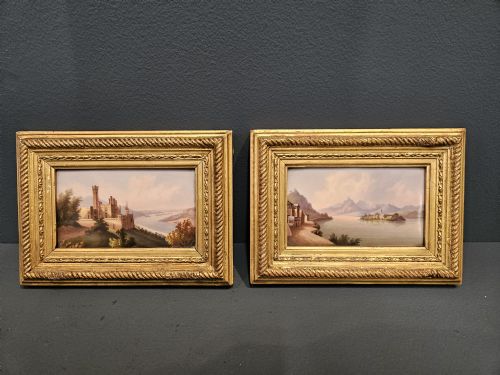
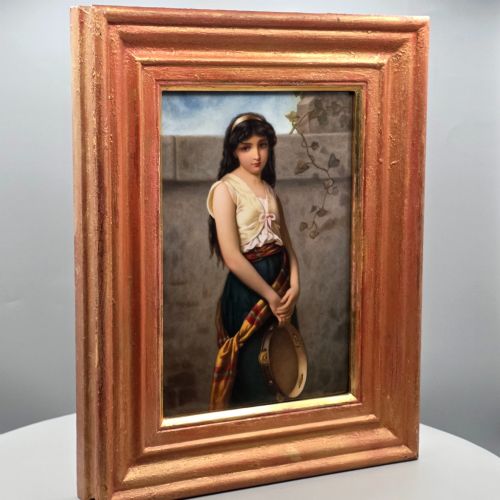
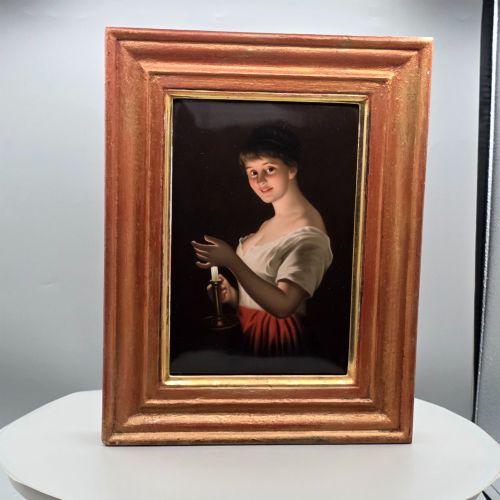
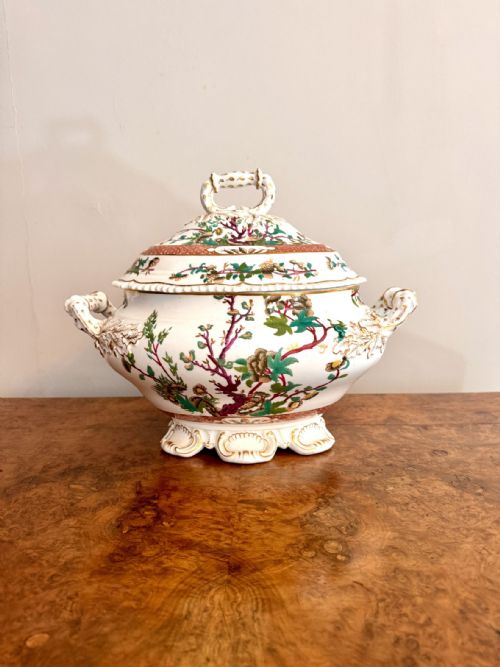
Antique gilt porcelain encompasses items designed for display, dining and writing, featuring decorative highlights of gold leaf or gilding. Pieces span Georgian, Regency, and Victorian periods, along with later examples from the early twentieth century and the Meiji period.
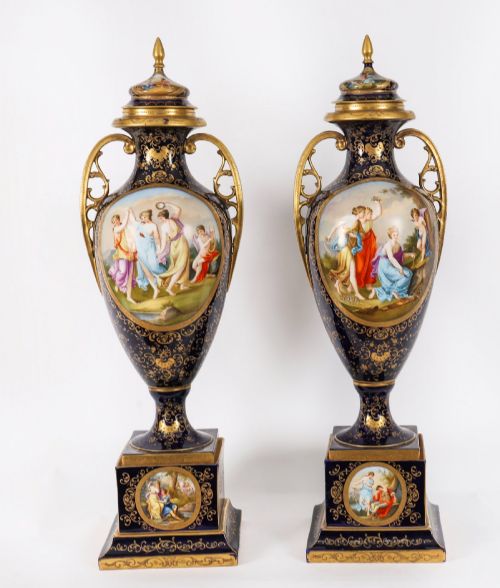
Vases, urns, plates, inkstands, and tea wares form the core of what surfaces here. English factories like Worcester, Spode, and Derby sit alongside continental makers such as KPM Berlin, Royal Vienna, and French ateliers.
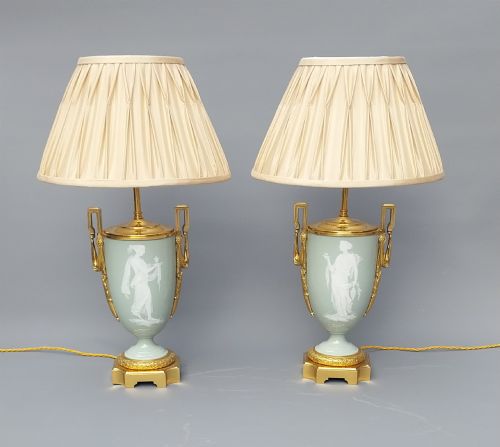
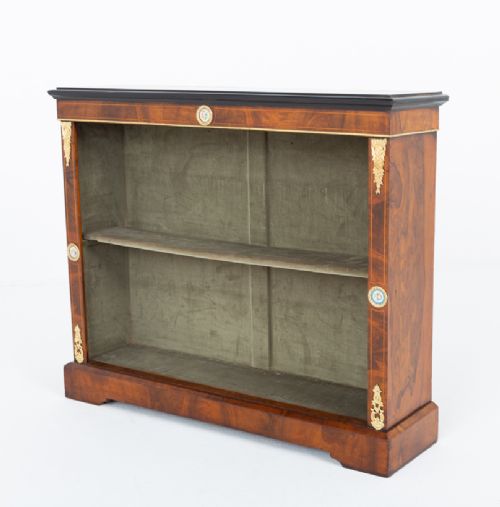
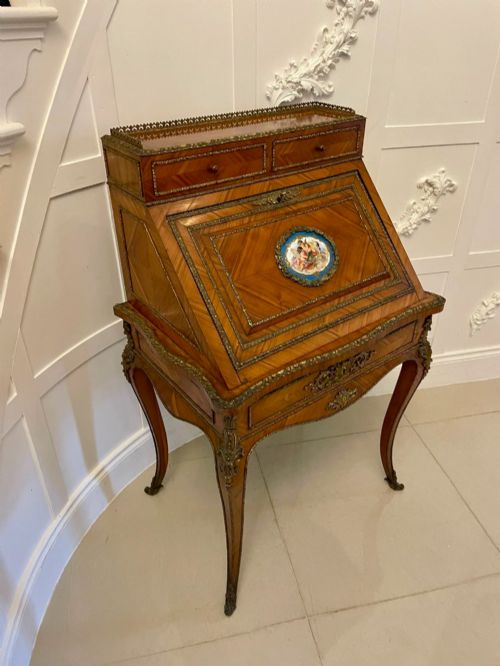
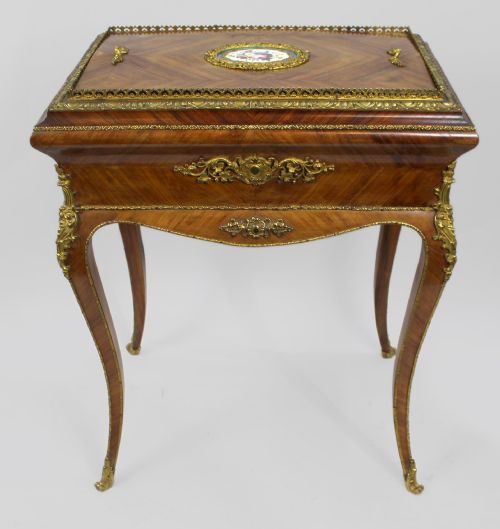
Buyers encounter both standalone display items and pieces mounted in or combined with other materials. Ormolu mounts, kingwood cabinetry, and enamel decoration frequently accompany the glazed ceramic bodies.
How antique gilt porcelain was made
Makers shaped porcelain bodies from fine clays or bone china, firing them to achieve durable white grounds suitable for intricate painting. Artisans then applied enamel colours and gold leaf, fixing the metallic highlights through subsequent low-temperature firings.
Gilding techniques varied from brushed gold leaf to heavier ormolu mounts fixed to the ceramic exterior. Craftsmen also employed hand-painted scenes, armorial crests, and transfer printing before sealing the surface with a glossy glaze.
Listings feature porcelain bodies from English, French, German, and Japanese makers spanning the eighteenth, nineteenth, and early twentieth centuries.
What varies in quality in antique gilt porcelain
The precision of the hand-painted decoration determines much of the distinction between ordinary production and superior studio output. Signed panels, detailed botanical studies, and intricate gilded borders reveal the hand of skilled ceramic artists.
The weight and finish of the metal mounts, whether ormolu or gilt bronze, signal the standard of the piece. Crisp casting and secure integration with the porcelain body separate finer cabinet pieces from simpler utilitarian wares.
Spode·Minton·Chelsea Derby·KPM Berlin·Royal Vienna·Derby·Flight Barr and Barr·Royal Crown Derby·Chamberlain Worcester·Duesbury and Kean
The Antique Gilt Porcelain Glossary
- Gilding
- The application of gold leaf or powdered gold to the surface of porcelain. This technique creates metallic highlights that frame painted scenes or edge rims.
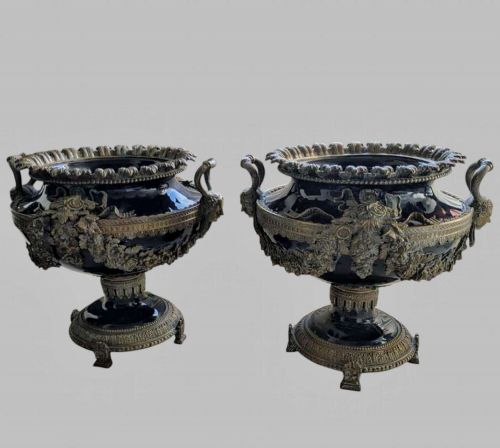
- Ormolu
- Gilded bronze used for mounts, feet, and handles on decorative objects and furniture. It provides structural support and ornamental contrast to ceramic bodies.
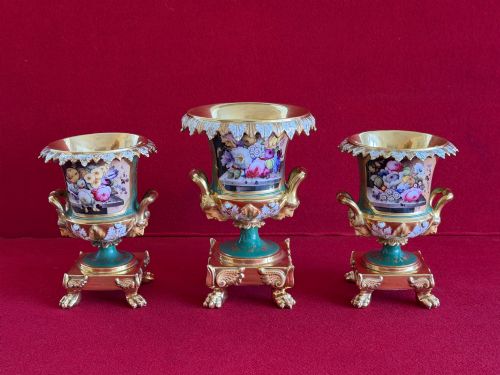
- Garniture
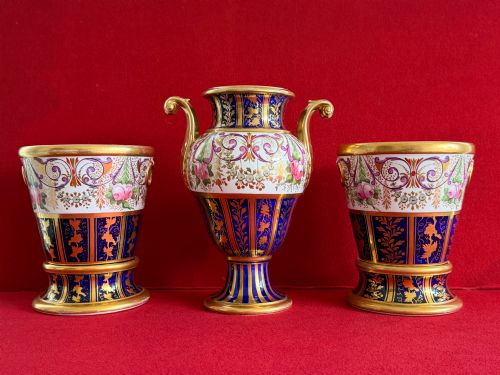
- A set of three or more matching vases or urns designed to sit together on a mantelpiece or sideboard. These decorative matching groups were popular in formal interiors.
- Pastille burner
- A small ceramic vessel used for burning aromatic pastilles to scent a room. They often take architectural forms such as castles or small urns.
Antique Gilt Porcelain: Frequently Asked Questions
What is antique gilt porcelain?
Antique gilt porcelain refers to ceramic items embellished with gold leaf, gilding, or ormolu mounts, produced during periods such as the Georgian, Regency, and Victorian eras.
These pieces combine functional forms like tea wares and plates with decorative objects including vases, plaques, and inkstands.
Were these items used daily or displayed?
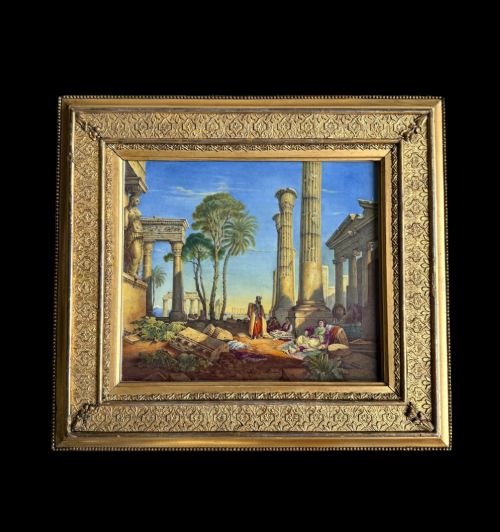
Many objects, such as garnitures, cabinet cups, and plaques, served primarily as decorative display pieces in formal rooms. Other items, including teacups, inkstands, and soup plates, saw practical use in dining and writing rooms.
Over time, functional wares transitioned into cabinet pieces as tastes changed and survival rates dwindled.
How can I tell the period?
Periods are identified through factory marks, stylistic influences such as Neoclassical or Rococo Revival, and the specific composition of the porcelain body. Examining the style of hand painting and gilding techniques also helps narrow down the date of manufacture.
Reference books and factory records provide definitive guides to backstamps used across different decades.