
Antique Gilt Ceramics
Antique gilt ceramics bring together fine porcelain, earthenware and metal mounts enriched with gold leaf, offering collectors rich painted scenes and decorative presence.
Antique Gilt Ceramics
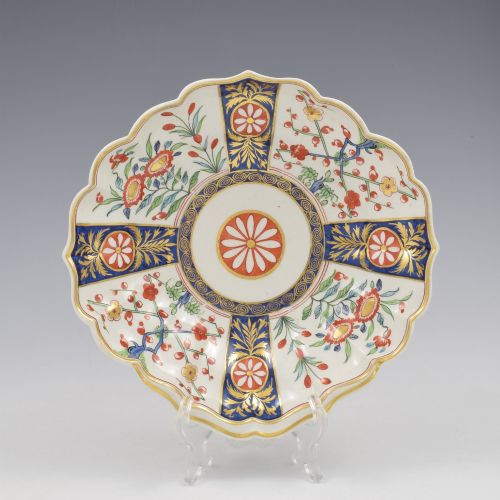
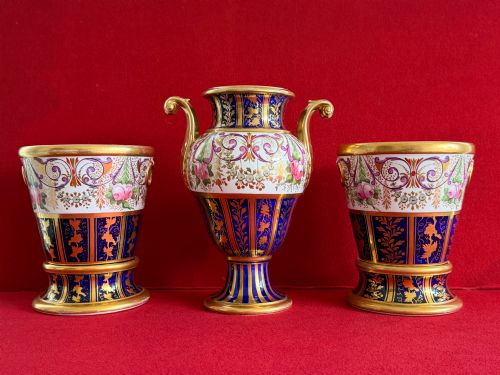
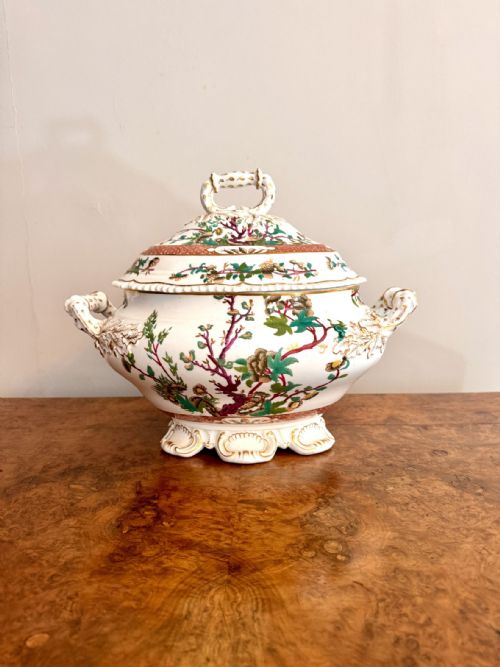
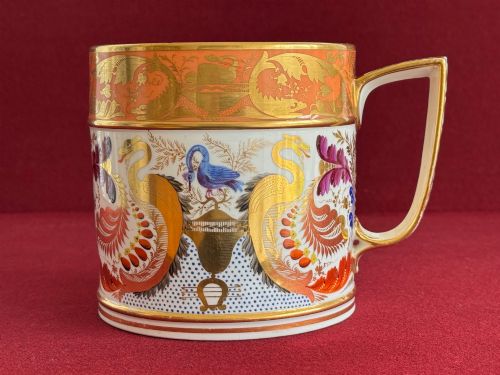
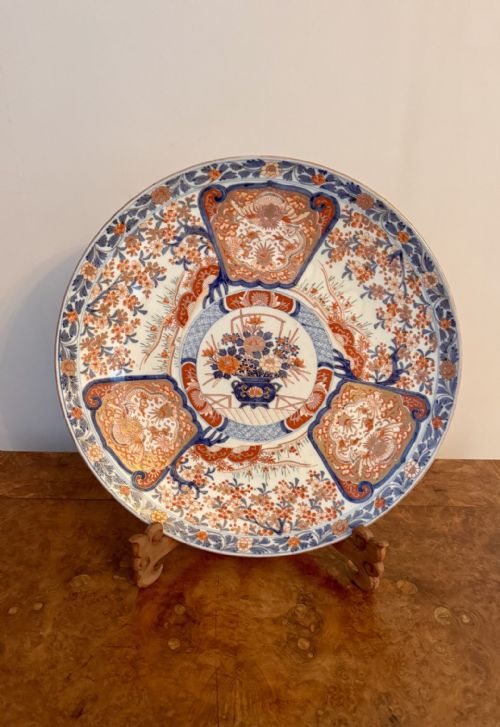
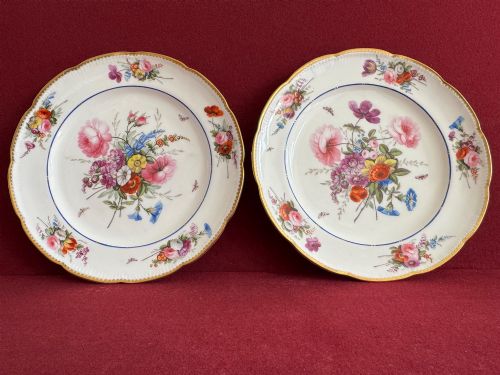
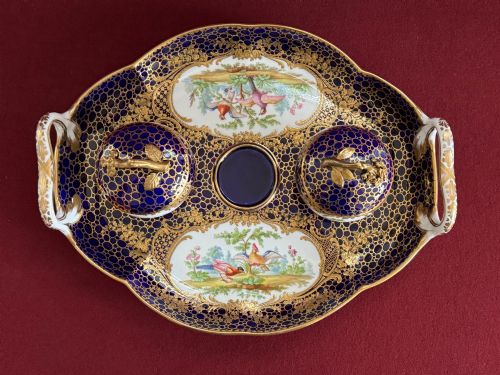
When you search for antique gilt ceramics, you encounter a diverse array of vessels, plaques and decorative items spanning the eighteenth, nineteenth and early twentieth centuries. The pieces on this page range from English porcelain garnitures and Worcester inkstands to Japanese Imari chargers and Meiji period vases, uniting ceramic form with applied gilding.
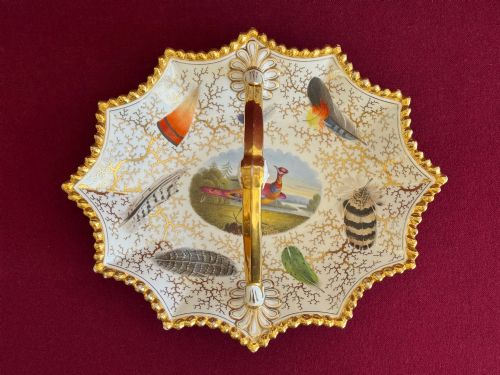
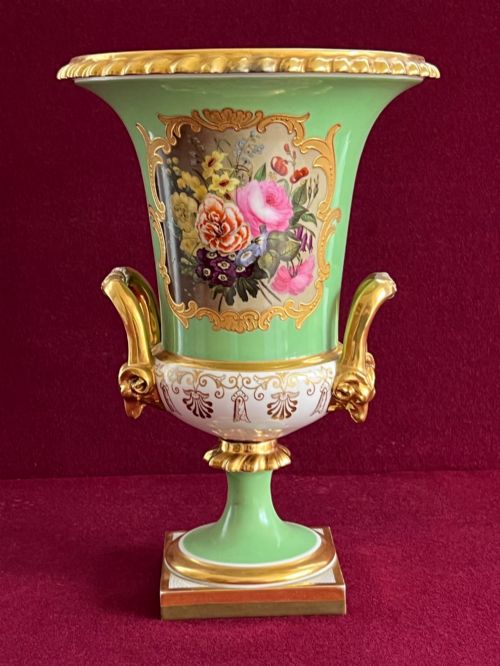
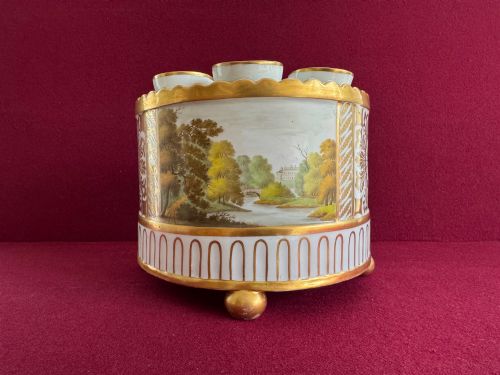
You are most likely to meet English factory wares from the Georgian and Regency periods, alongside Victorian decorative items and Japanese Satsuma or Kutani pieces. These items include campana shape vases, pastille burners, serving dishes and jardinières, each showing the characteristic touch of gold leaf or gilt highlights upon a ceramic body.
How they were made
Makers shaped porcelain, bone china and earthenware before applying glazes, hand-painted pigments and gold leaf or liquid gilding. Many pieces required multiple firings in kilns to set the body, the underglaze colours and the final layer of gold.
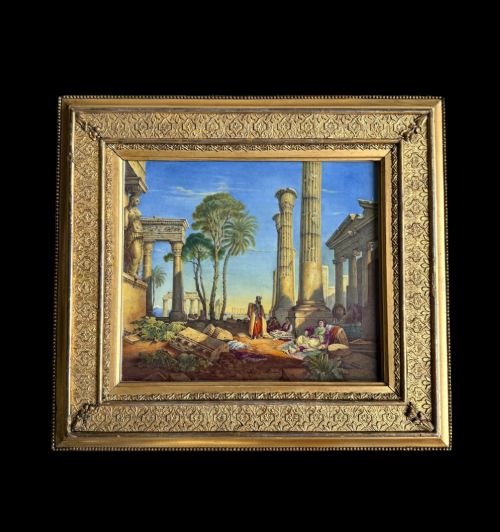
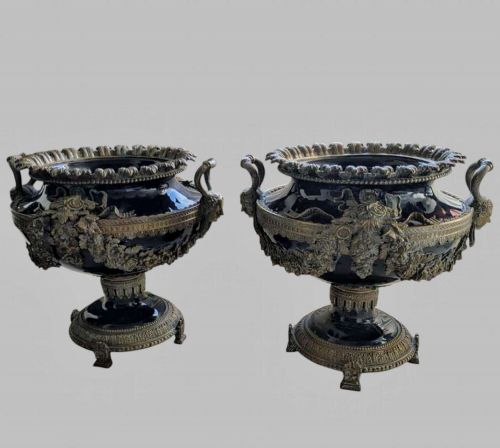
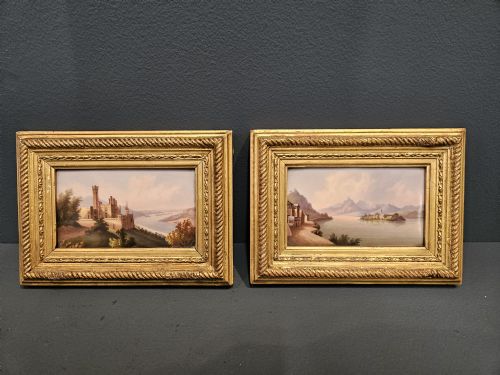
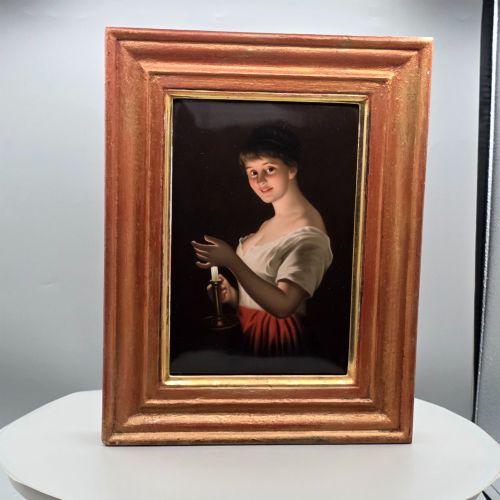
Craftsmen utilised specialised techniques such as hand-painting floral motifs, portraits or landscapes, often framing these compositions with elaborate gilt borders. Some vessels incorporated gilt metal mounts, uniting metalwork with ceramic bodies.
Object types span decorative vases, inkstands, soup plates, pastille burners and dessert services from English and Japanese makers.
What varies in quality
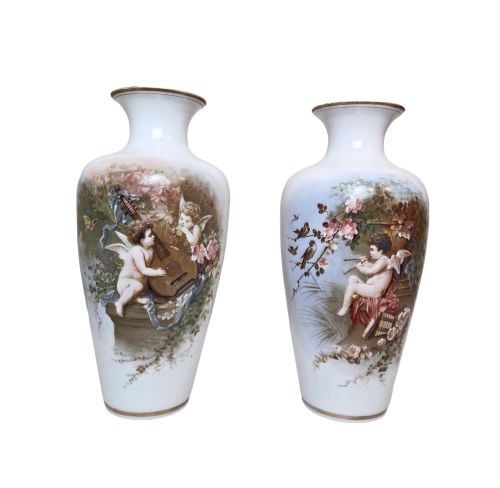
The distinction between standard domestic production and top-tier pieces lies in the precision of the hand-painting and the purity of the gilding. Skilled artists executed detailed garden scenes, cherubs and armorial bearings with fine brushwork, whereas lesser pieces relied on simpler stencilled or transfer-printed patterns.
The weight and application of the gold leaf or gilding itself separates finer objects from simpler ones. Thicker, burnished gold that retains its lustre after centuries indicates superior workshop standards during manufacture.
Spode Porcelain·KPM Berlin·Flight Barr and Barr·Royal Crown Derby·H & R Daniel
The Antique Gilt Ceramics Glossary
- Gilding
- The application of gold leaf or gold dust to the surface of ceramics to create decorative borders and highlights. It is often burnished to achieve a bright shine.
- Campana
- A bell-shaped vessel form commonly produced as a decorative vase during the Regency period. These pieces frequently feature handles and elaborate painted scenes.
- Imari
- A traditional Japanese style of ceramic decoration characterised by iron red, underglaze blue and gold details. It influenced European factories during the nineteenth century.
- Pastille burner
- A small ceramic vessel pierced to allow fragrant smoke to escape from burning pastilles. They were frequently modelled as miniature buildings or urns.
- Tazza
- A shallow saucer-like dish mounted on a stem and foot, used for serving desserts or displaying fruit. Victorian examples often incorporated turquoise or pink grounds with painted fruits.
Antique Gilt Ceramics: Frequently Asked Questions
How do I identify a Regency period piece?
Regency items often feature classical shapes such as campana vases, pastille burners and armorial plates produced by English factories like Worcester or Spode.
Look for refined proportions, hand-painted botanical or landscape panels, and characteristic gilt accents that reflect neoclassical tastes of the early nineteenth century.
What is Japanese Imari porcelain?
Japanese Imari ceramics are distinguished by a palette combining underglaze blue, iron red and generous amounts of gold leaf. These export wares were widely admired and collected across Europe.
Later Victorian and Meiji period variations continued these traditional patterns on chargers, vases and decorative dishes.
How were pastille burners used?
Pastille burners served as domestic room deodorisers and decorative ornaments in Georgian and Regency drawing rooms. Users placed scented paste pastilles inside the small vessels so fragrant smoke could drift through pierced lids.
They were frequently modelled as miniature castles, urns or cottages decorated with gilt highlights.
How should I clean antique gilt ceramics?
Cleaning requires gentle dusting with a soft, dry brush to protect delicate hand-painted surfaces and fragile gold leaf. Avoid harsh chemical cleaners, immersion in water or abrasive cloths.
If washing is necessary, use a damp cloth with mild soap only on the glazed ceramic areas, avoiding any unglazed edges.